




Rhinoplasty (Nose surgery) in Iran
Dr. Hamidreza Hosnani
ENT Specialist | Rhinoplasty Surgeon in Tehran | Nose Surgery Specialist
✔️ Completely natural rhinoplasty
✔️ Dorsal hump correction
✔️ Fleshy and bony noses
✔️ Open and closed rhinoplasty
✔️ New preservation rhinoplasty technique
✔️ Compliant with nasal aesthetic standards
✔️ Online and in-person consultation
✔️ International rhinoplasty brand
✔️ Dorsal hump correction
✔️ Fleshy and bony noses
✔️ Open and closed rhinoplasty
✔️ New preservation rhinoplasty technique
✔️ Compliant with nasal aesthetic standards
✔️ Online and in-person consultation
✔️ International rhinoplasty brand
English dubbed video gallery
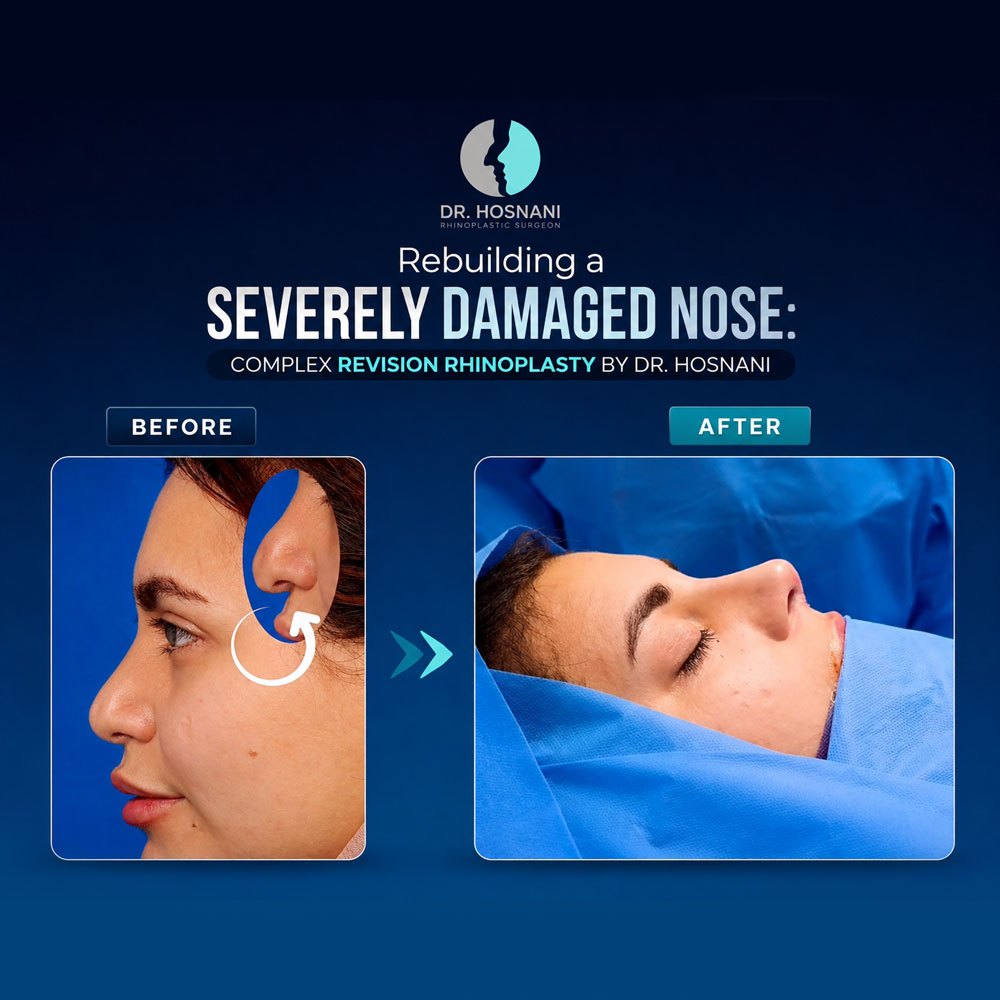
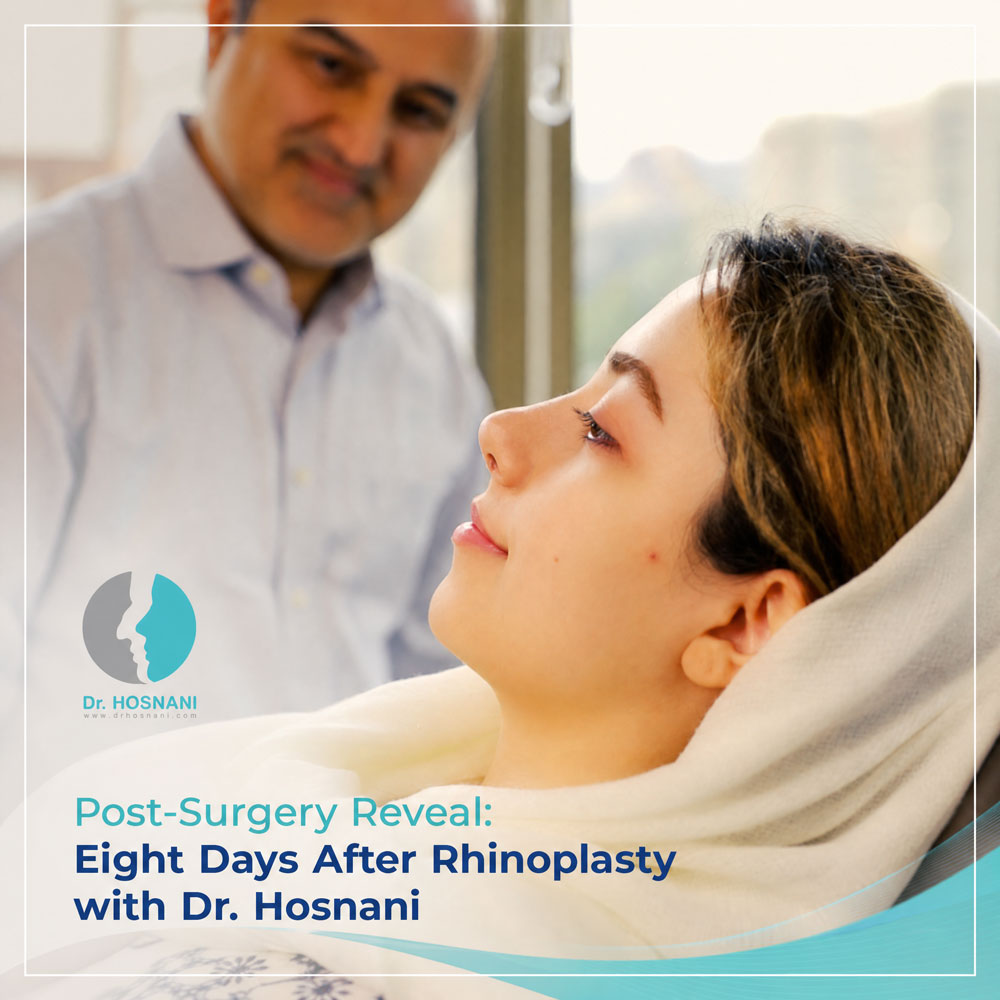
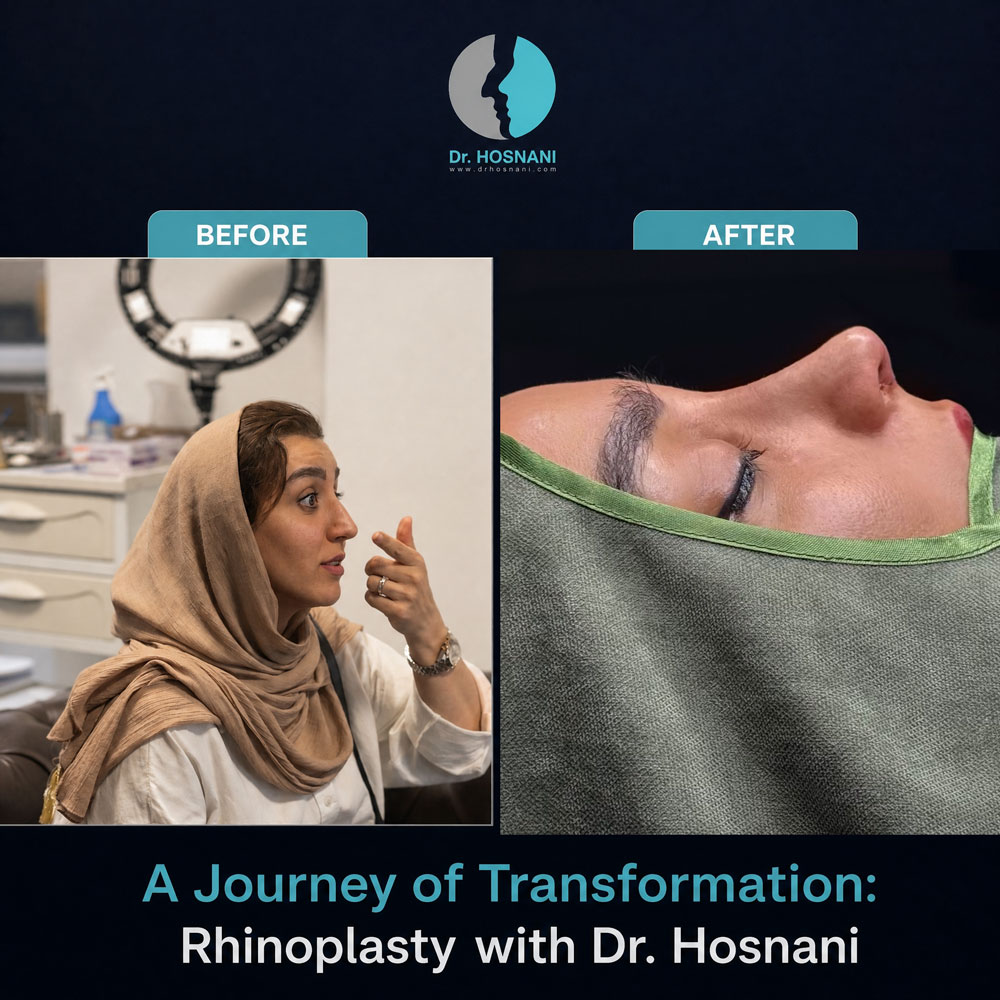
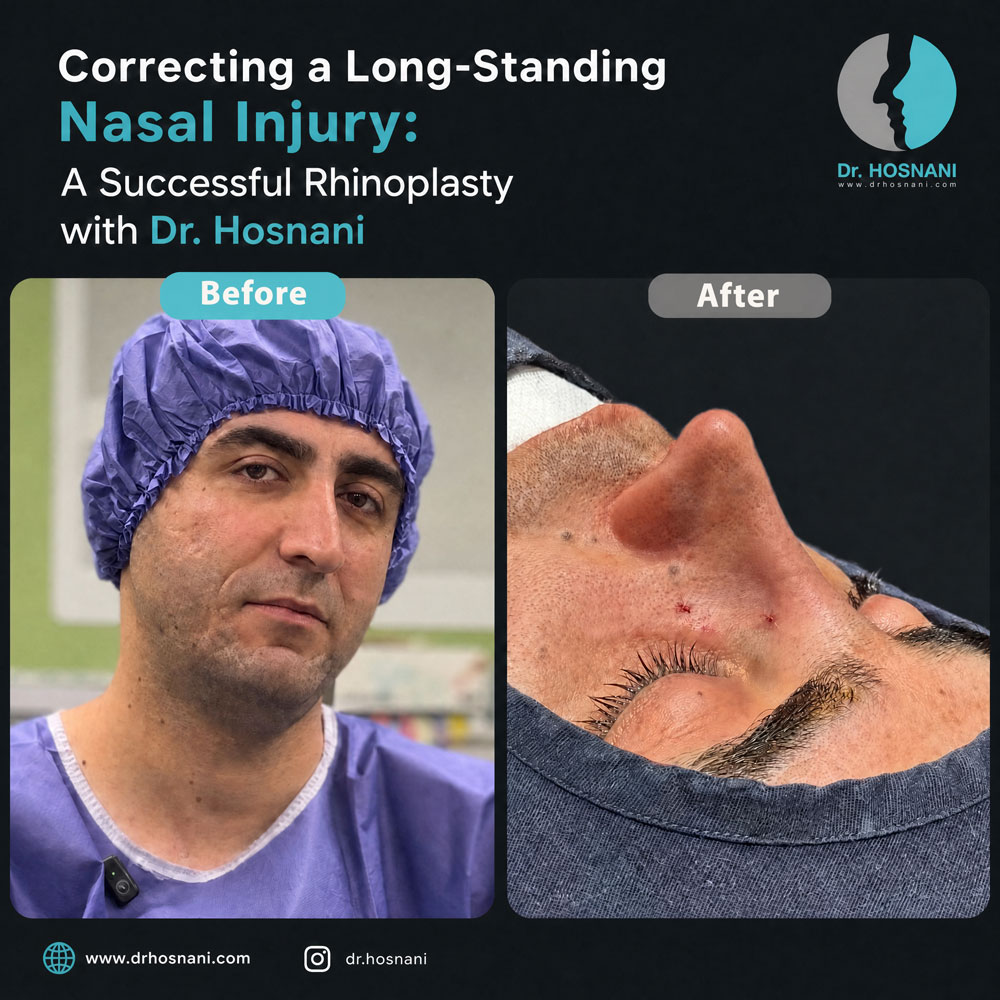
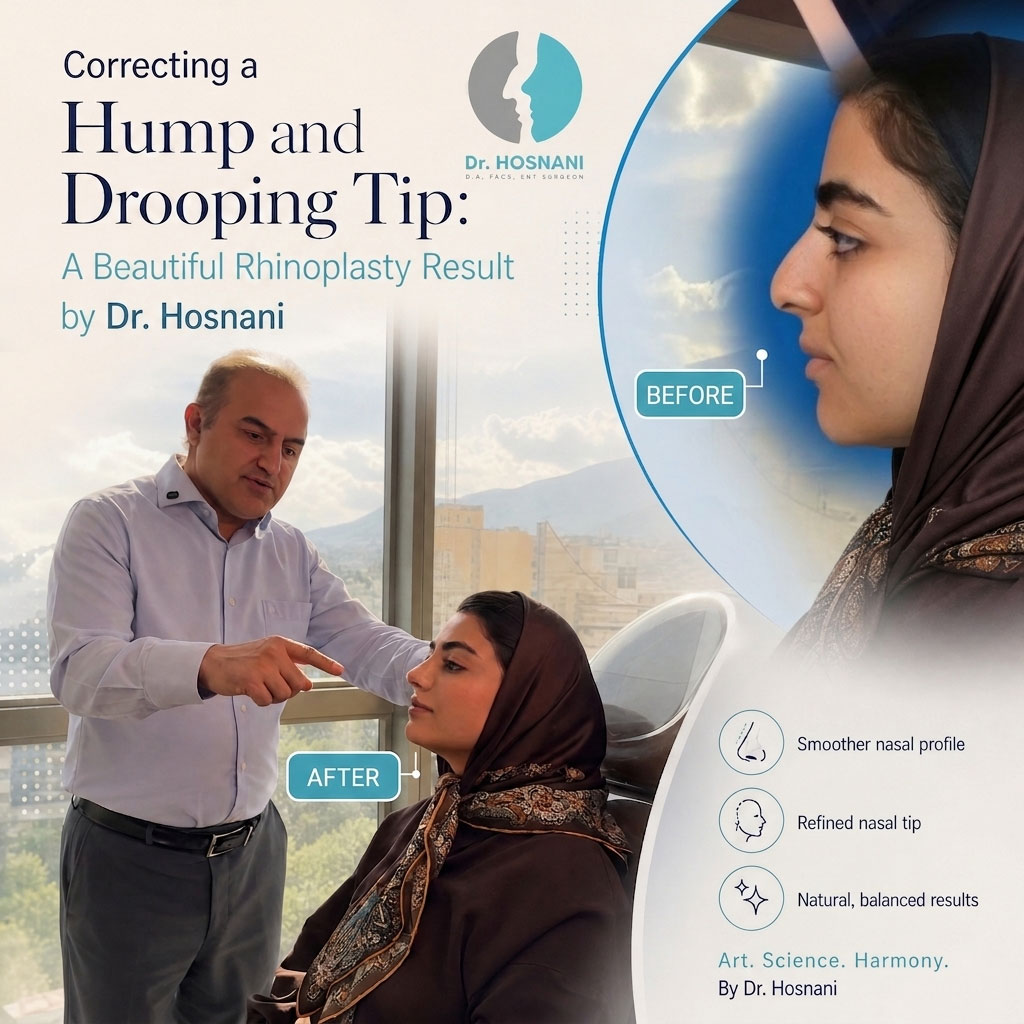
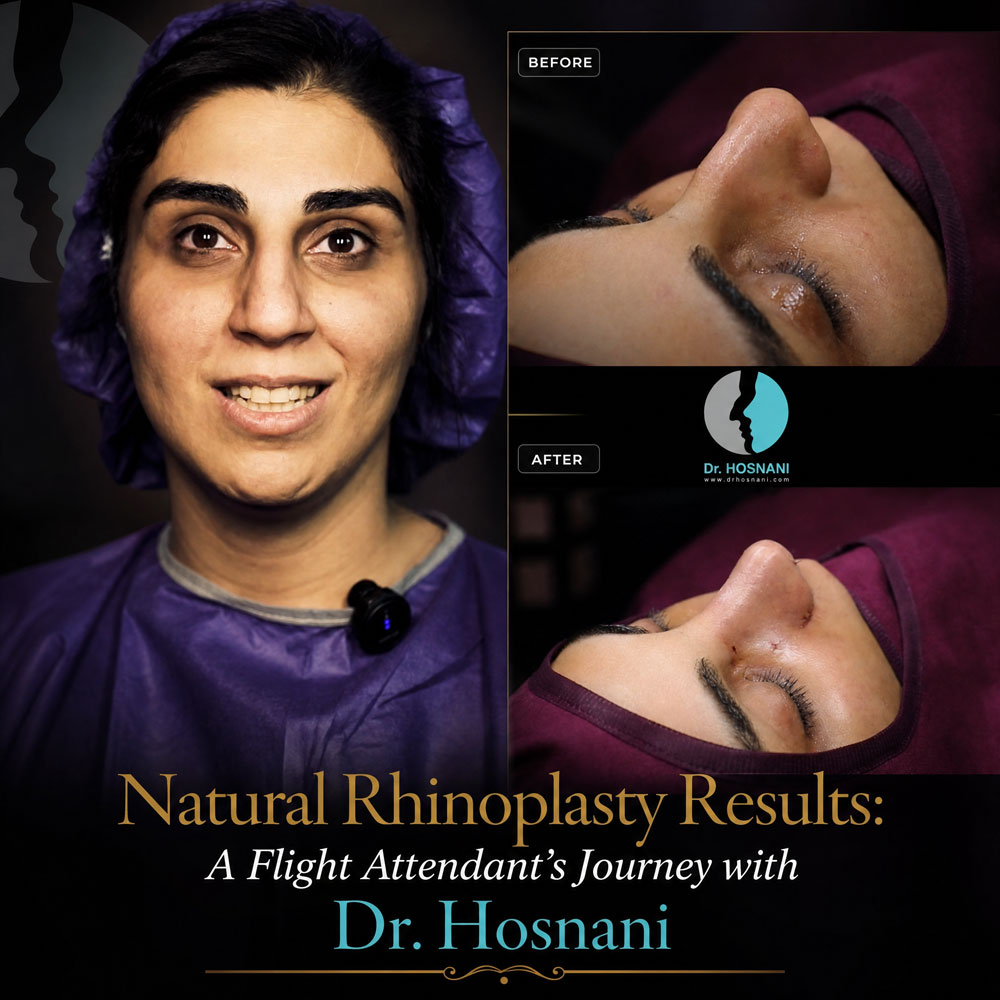
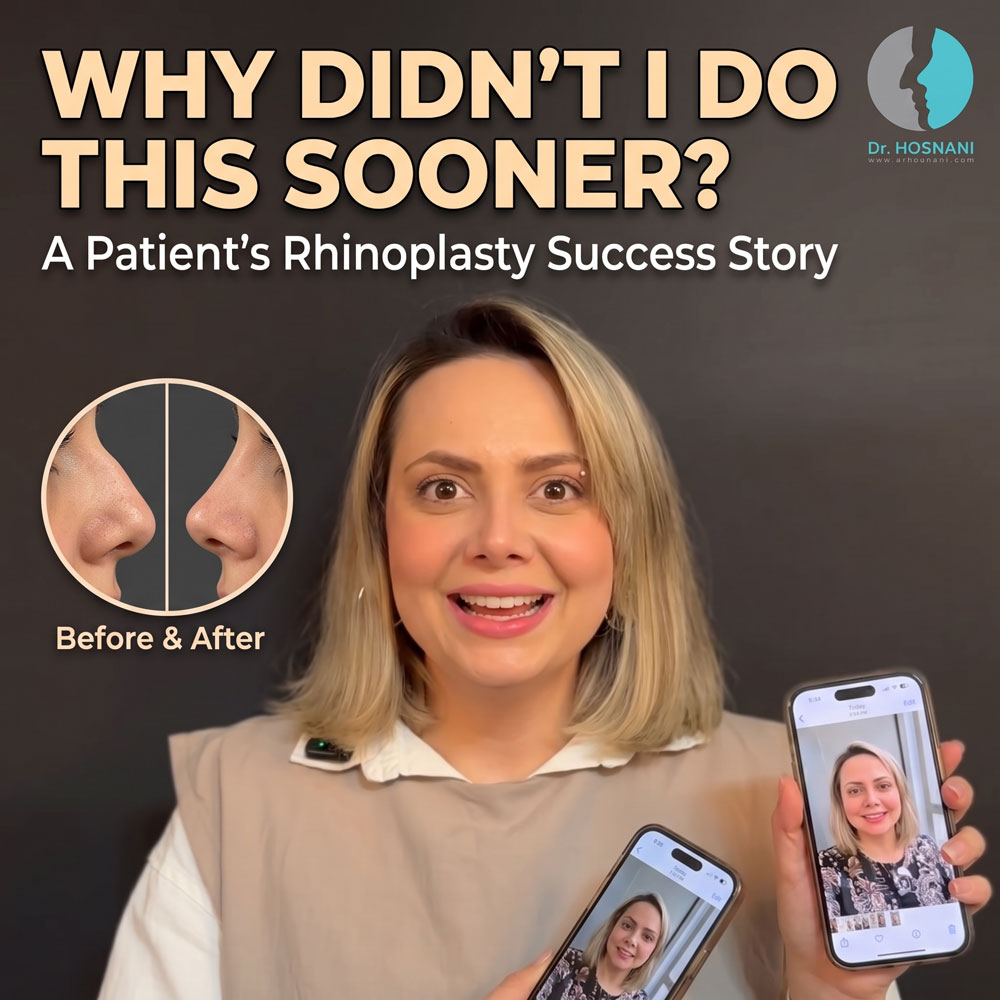
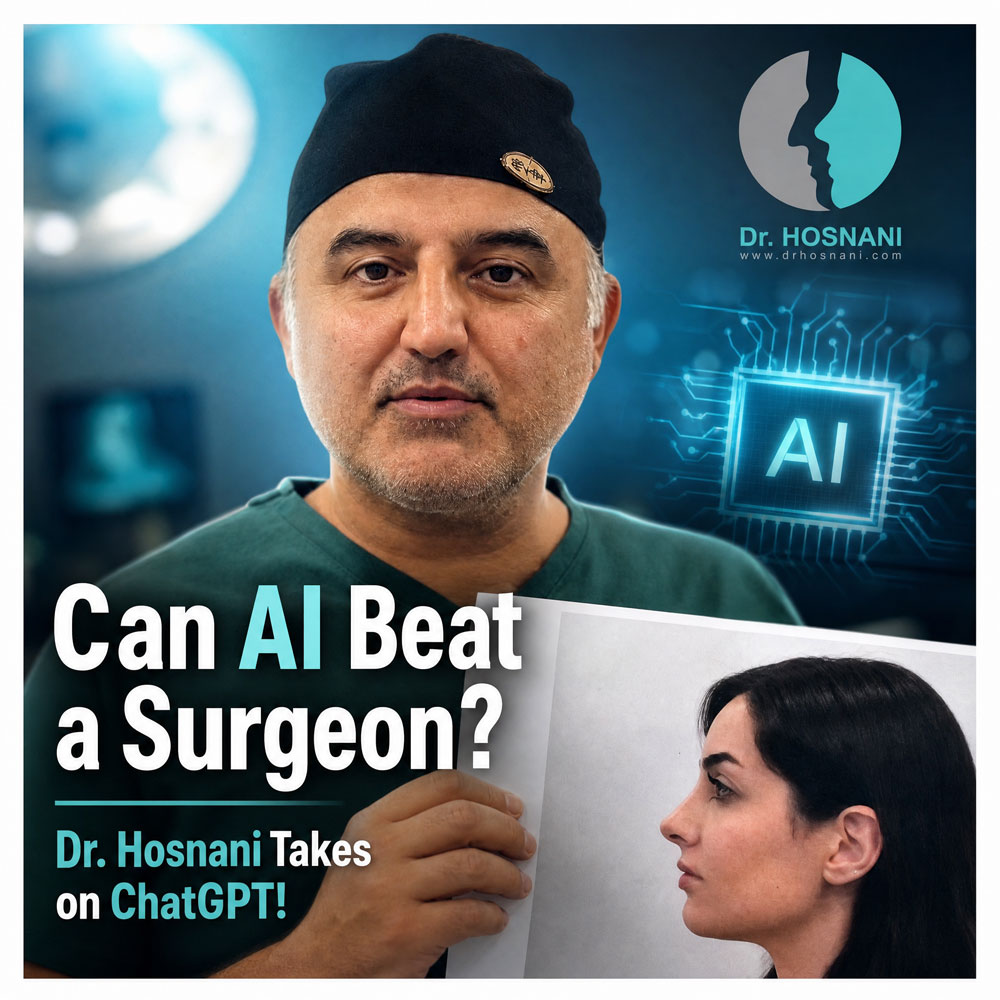
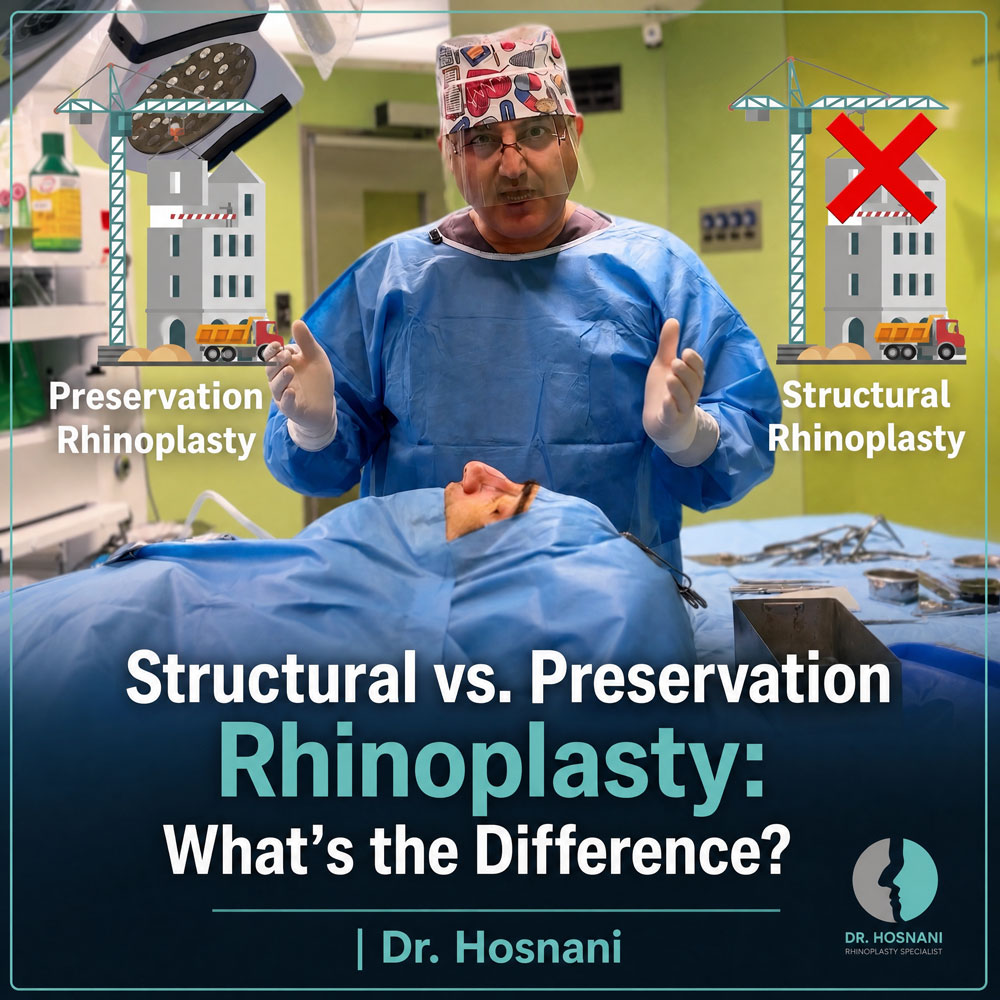
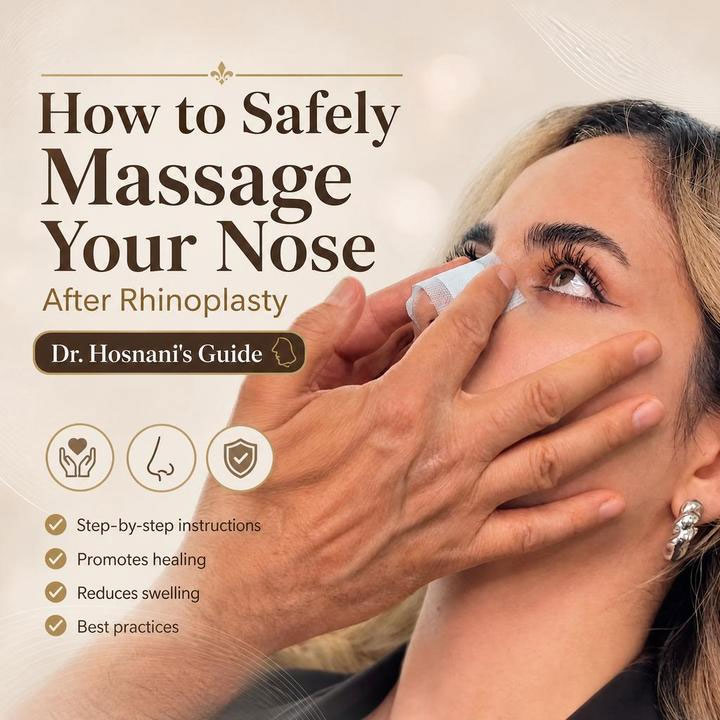
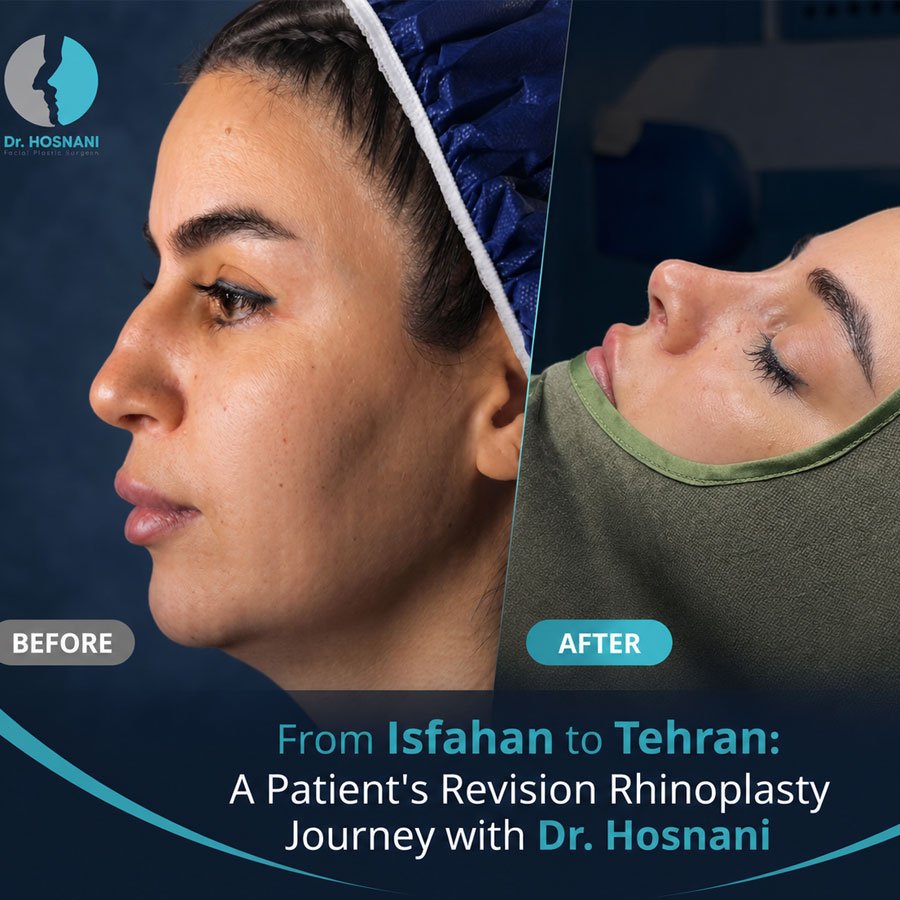
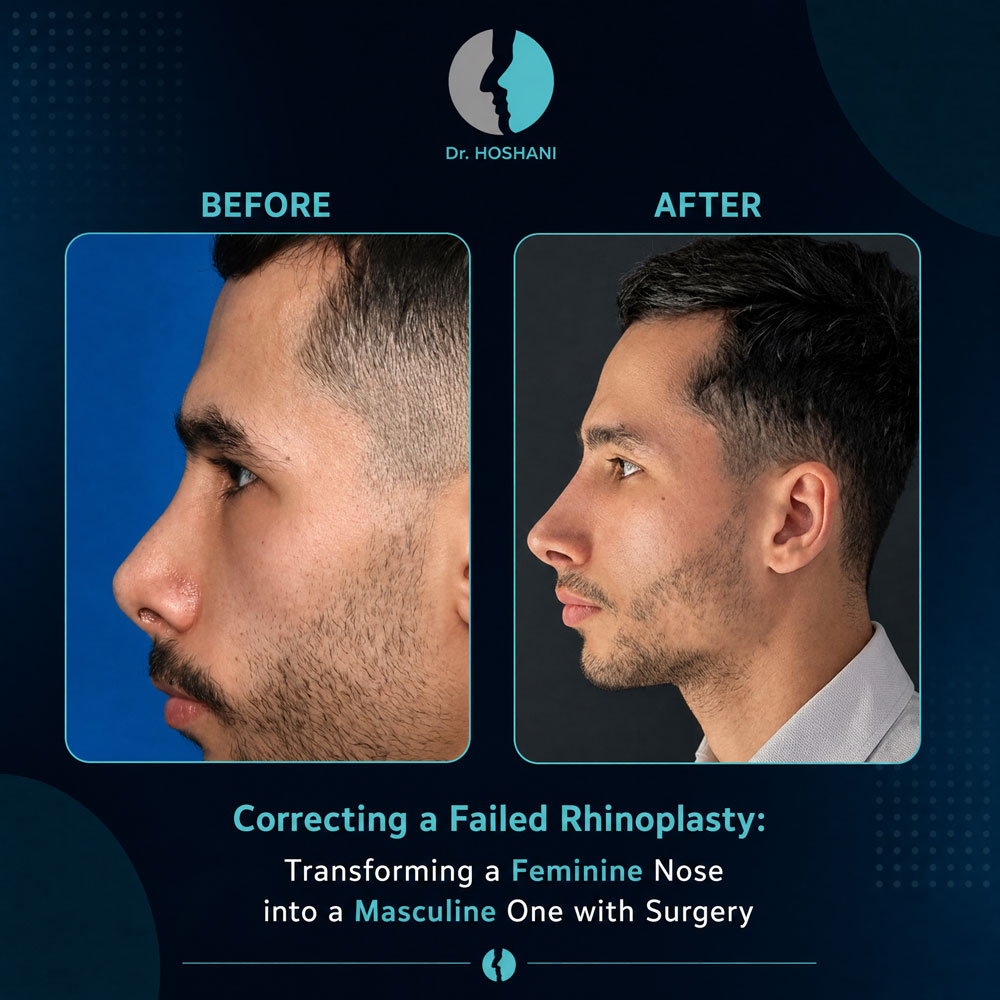
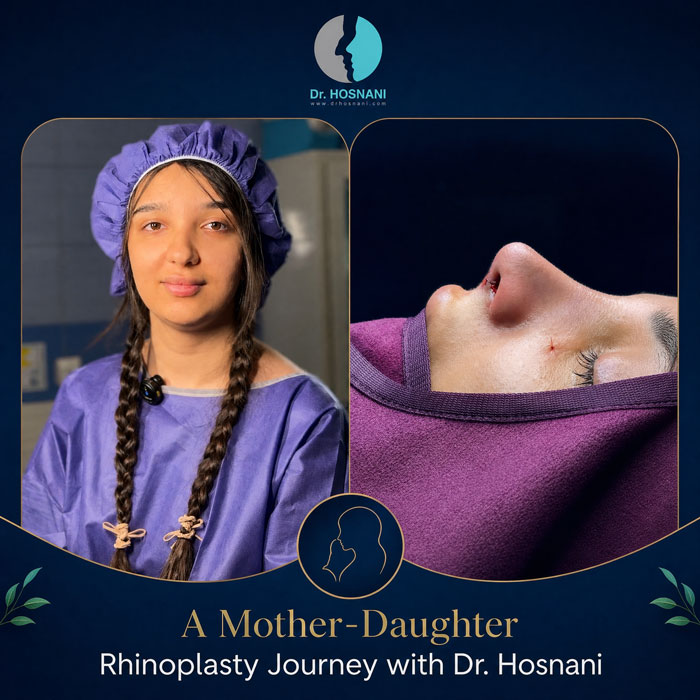
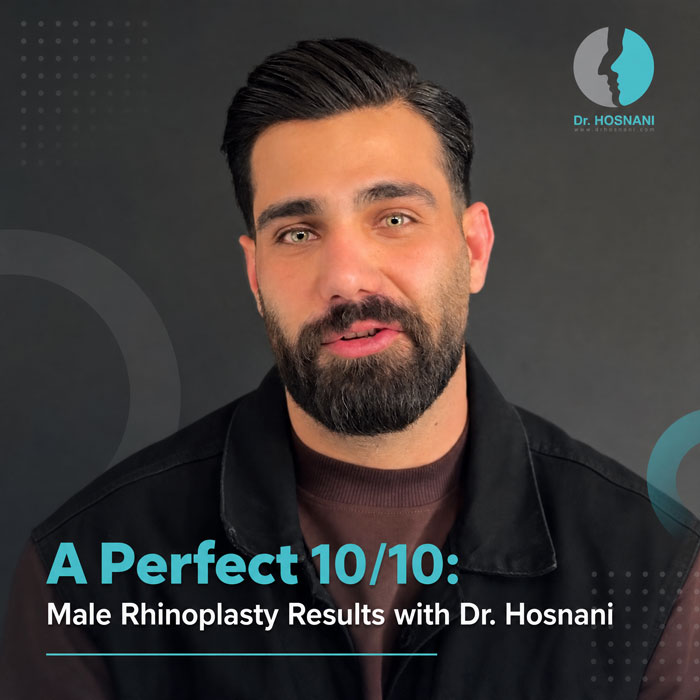
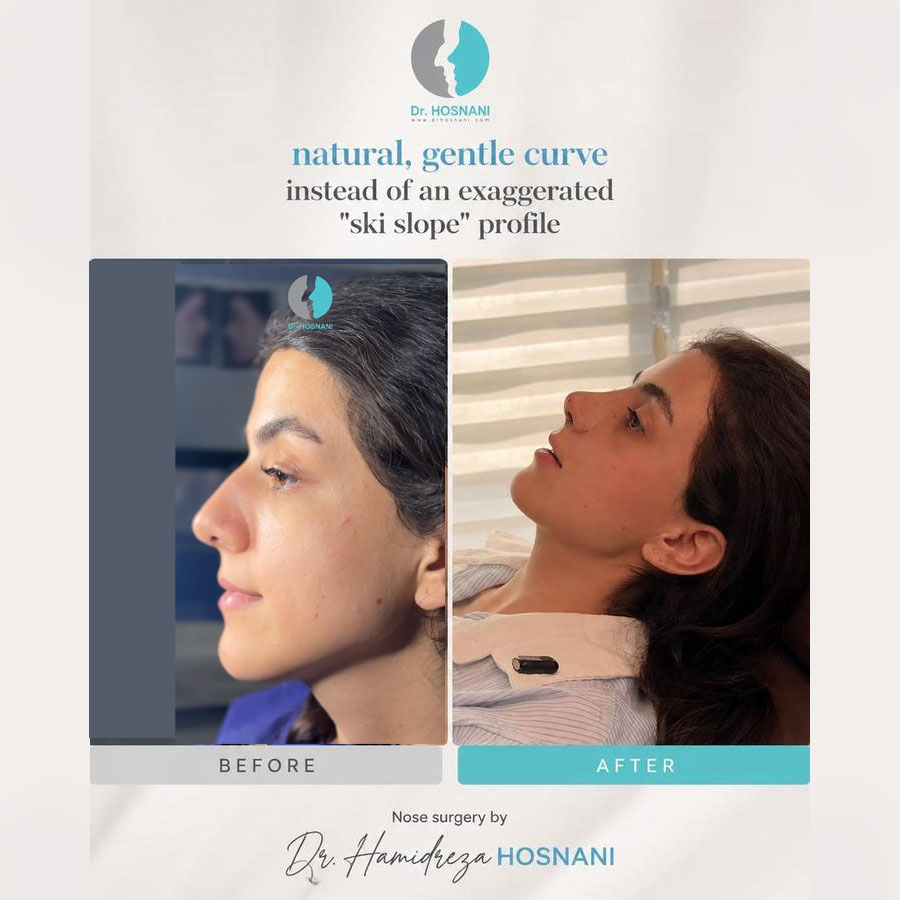
Patient Photo Gallery







Patient Video Gallery
Features of Closed Rhinoplasty
✔️ No incisions on the columella✔️ No visible scars on the nose
✔️ Less swelling in the nasal tip
✔️ Better preservation of nasal soft tissues
✔️ Shorter surgical time
✔️ Usually faster recovery period
✔️ Less manipulation of nasal skin
✔️ Suitable for limited corrections and subtle changes to the nasal bridge
Features of Open Rhinoplasty
✔️ Direct and complete view of nasal structures✔️ Greater precision in correcting cartilage and bone
✔️ Possibility of more precise nasal tip correction
✔️ Better control of nasal symmetry
✔️ More suitable for fleshy or complex noses
✔️ Possibility of precise graft placement
✔️ Suitable for revision rhinoplasty
✔️ Capability for creating subtle and more predictable changes in nasal structure
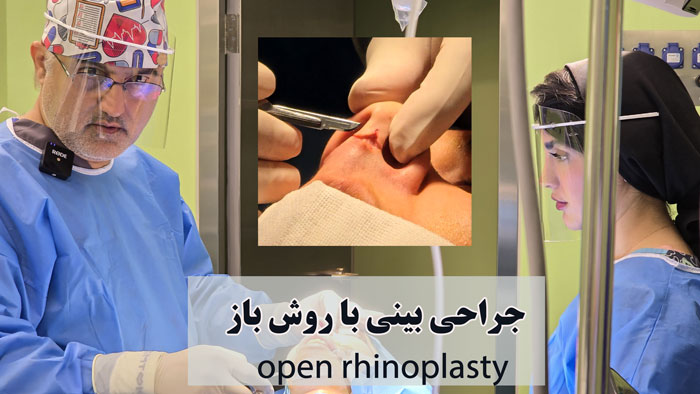
Open rhinoplasty is a technique in which, in addition to internal nasal incisions, a small incision is made on the columella so that the nasal skin can be lifted and the surgeon can directly visualize the bone and cartilage framework.
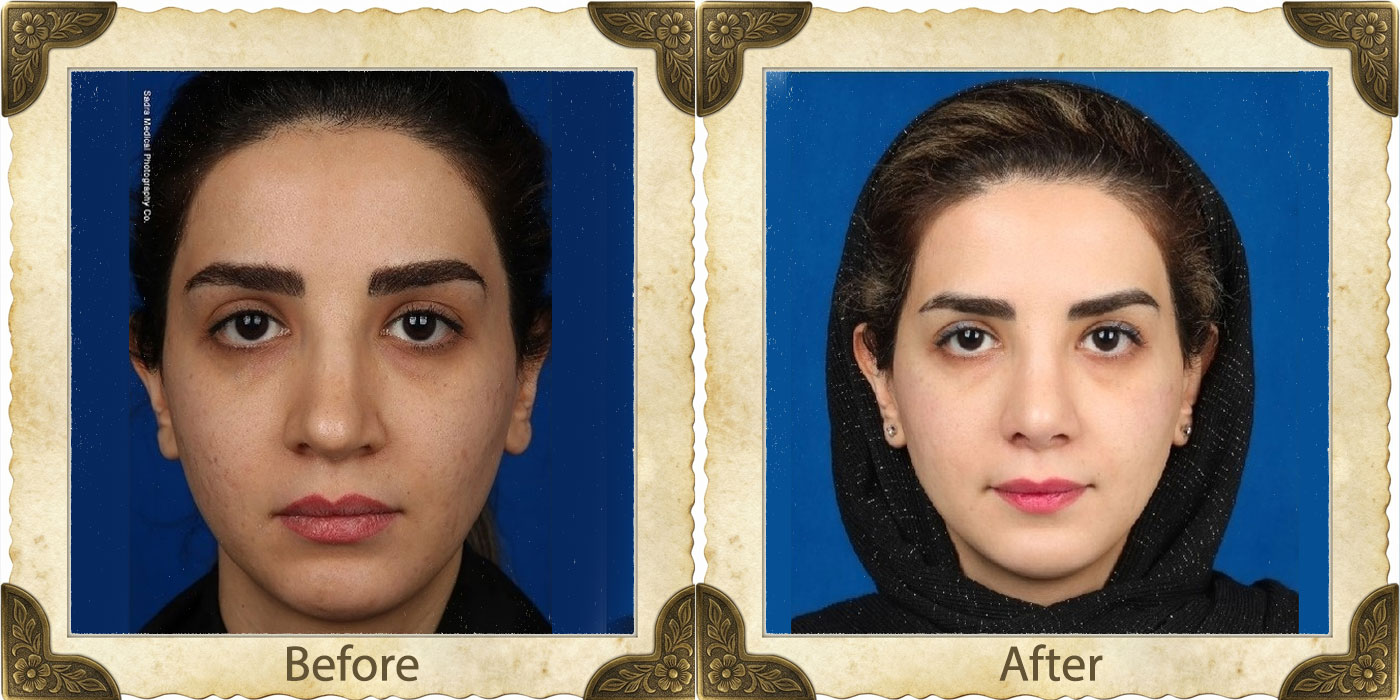
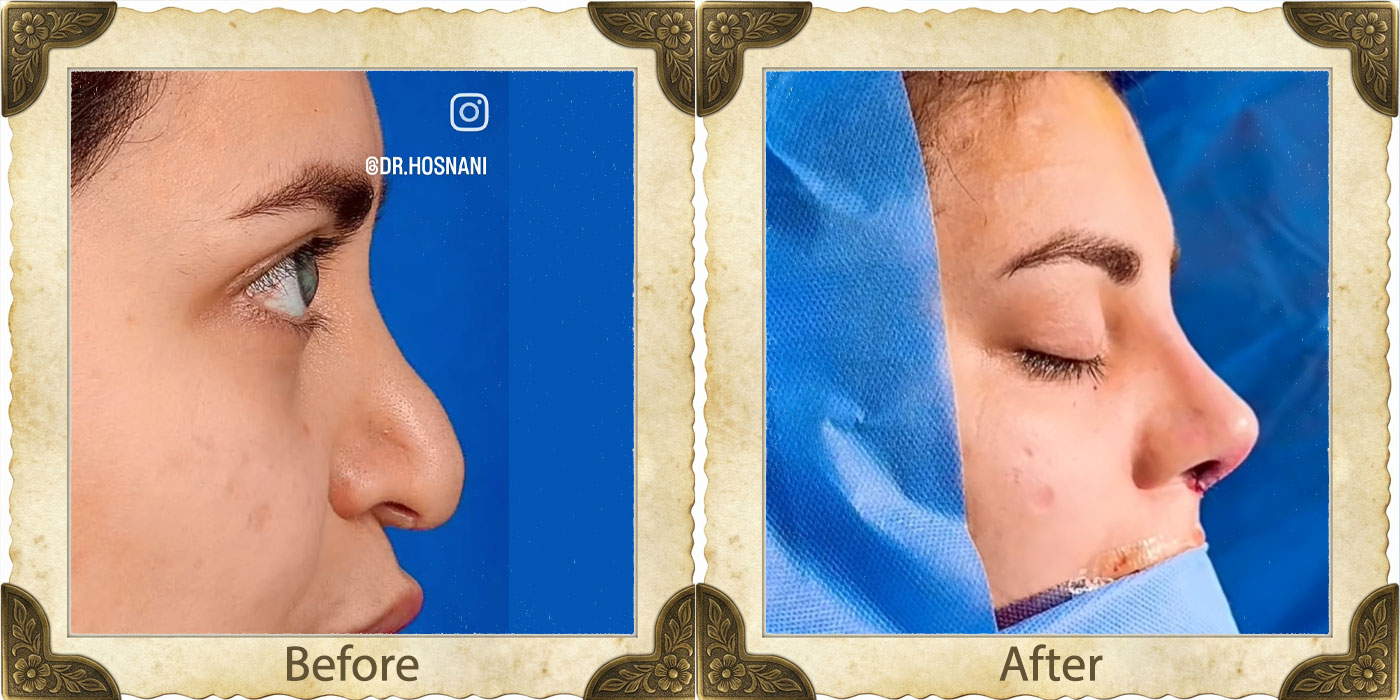
About Dr. Hosnani
Dr. Hosnani is one of the most famous aesthetic nose surgeons in Iran and is recognized as an international brand in the field of rhinoplasty due to his skill, precision, and the durable results of his surgeries. Combining scientific expertise with an aesthetic perspective, he has gained the trust of many domestic and international patients over his years of professional practice.
How did Dr. Hosnani become an international rhinoplasty brand?
Attracting Global Media Attention
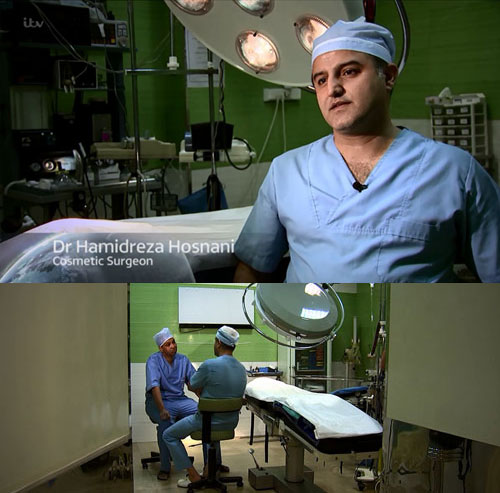
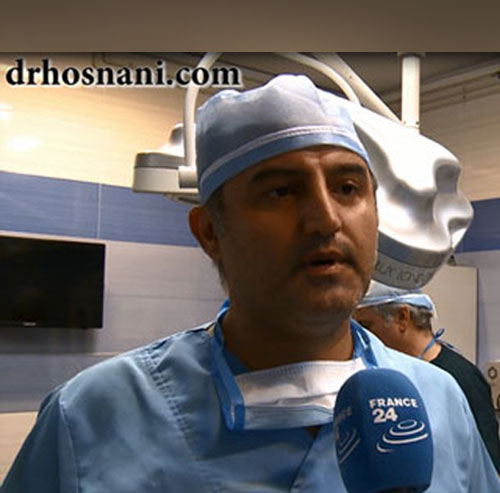
Dr. Hosnani's precision and exceptional skill in complex surgeries have garnered the attention of not only domestic and international patients but also reputable global media outlets. Renowned news agencies such as France 24 (AFP), BBC, and the UK's ITV network have featured exclusive reports on his methods and successes. This extensive media coverage, combined with his high level of expertise, has transformed the "Dr. Hosnani" brand into a trusted international name, attracting many applicants from around the world to Iran annually to benefit from the most advanced rhinoplasty techniques. His patient-centered approach and commitment to maintaining nasal functional health alongside enhancing beauty have established a unique position for him in the medical tourism industry and the scientific rhinoplasty community.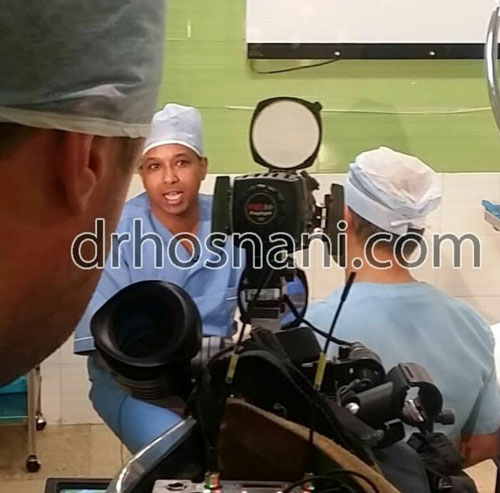
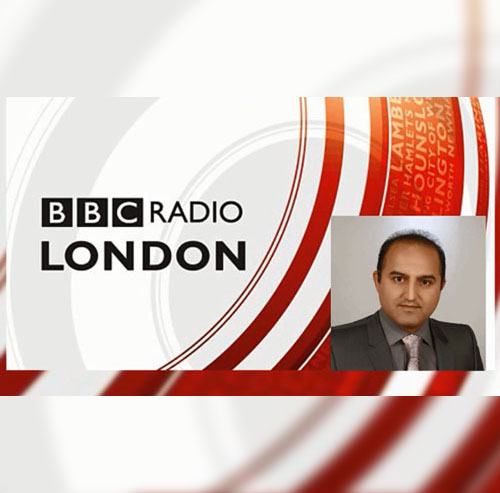
Trust of International Patients
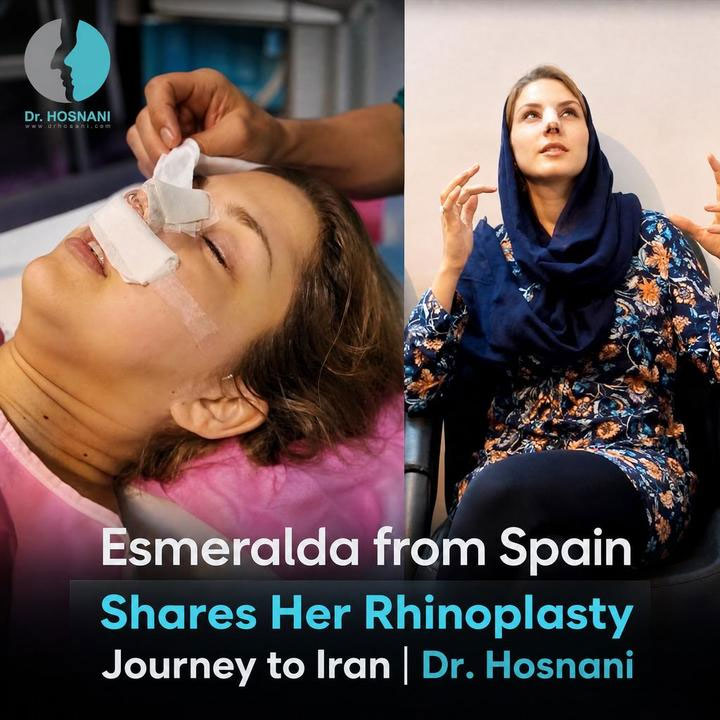
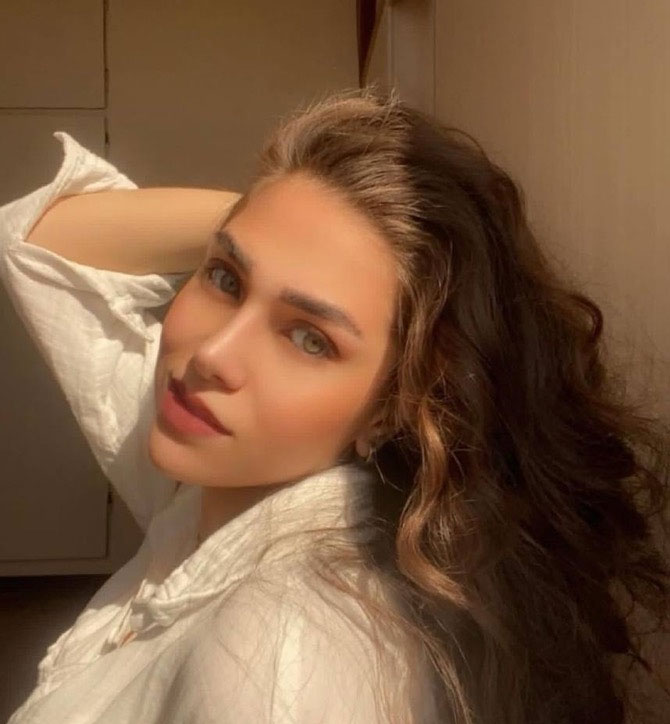
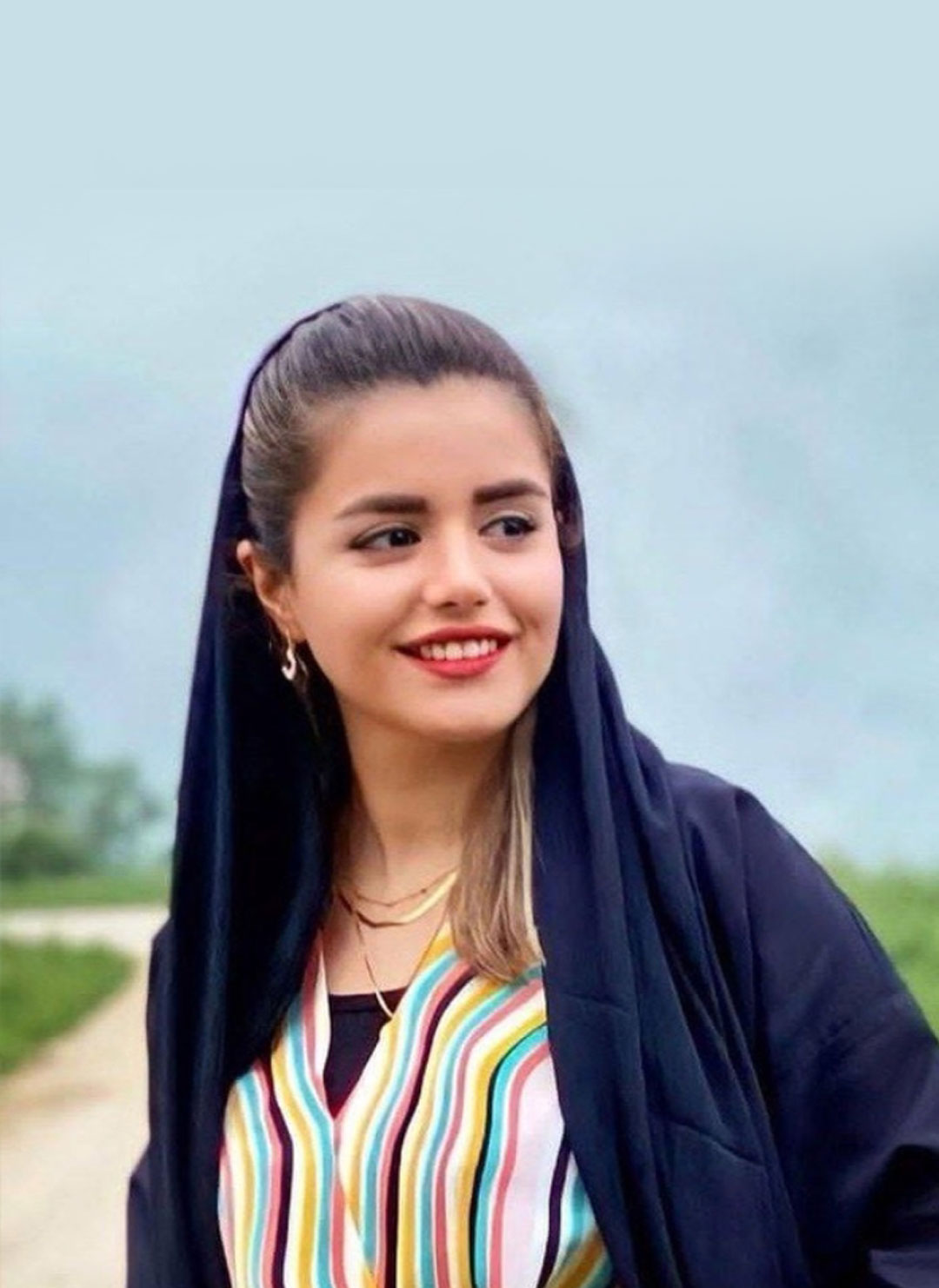
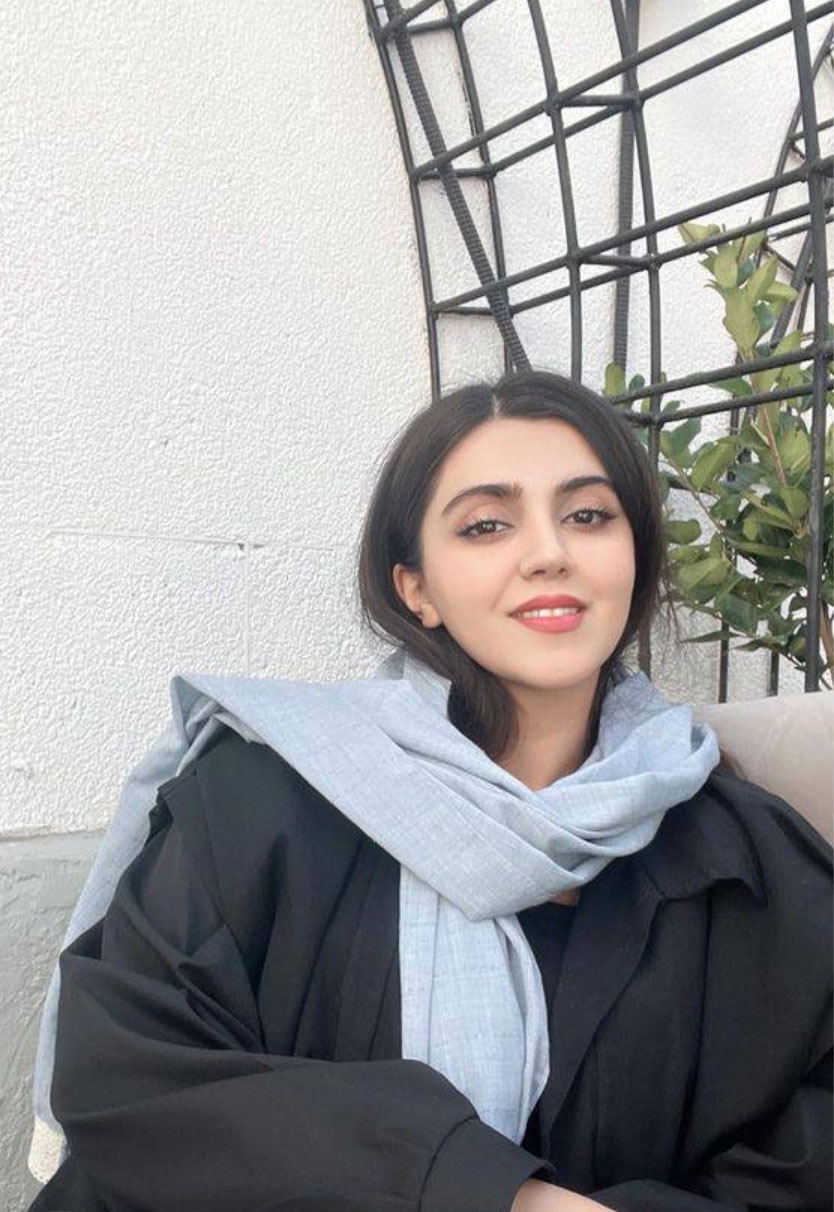
The reputation of Dr. Hosnani's expertise has crossed geographical borders, turning Tehran into a reliable destination for patients from all corners of the world. From the heart of Morocco, patients like Amal and Najim have traveled a long way, trusting his skills. From Europe, Esmeralda from Spain, and from the furthest parts of the Southern Hemisphere, Kyra Halley from Australia, have chosen Dr. Hosnani for the most important change in their lives. Furthermore, a significant volume of clients from regional countries, including Iraq and Syria, travel to Iran due to his brilliant results and international reputation in complex and reconstructive surgeries.The presence of this wide range of international patients with different cultures and beauty standards demonstrates Dr. Hosnani's ability to understand and execute various surgical styles—from natural noses to semi-fantasy and reconstructive cases—adapted to diverse ethnic anatomies. In the documentaries and videos below, part of the story of these patients' journeys is recounted; those who came with different challenges and expectations and are now sharing their successful surgery experiences at Dr. Hosnani's office with the world. These stories are a testament to Iran's high standing in the health tourism sector and the pivotal role of Dr. Hosnani in elevating this position.
Videos
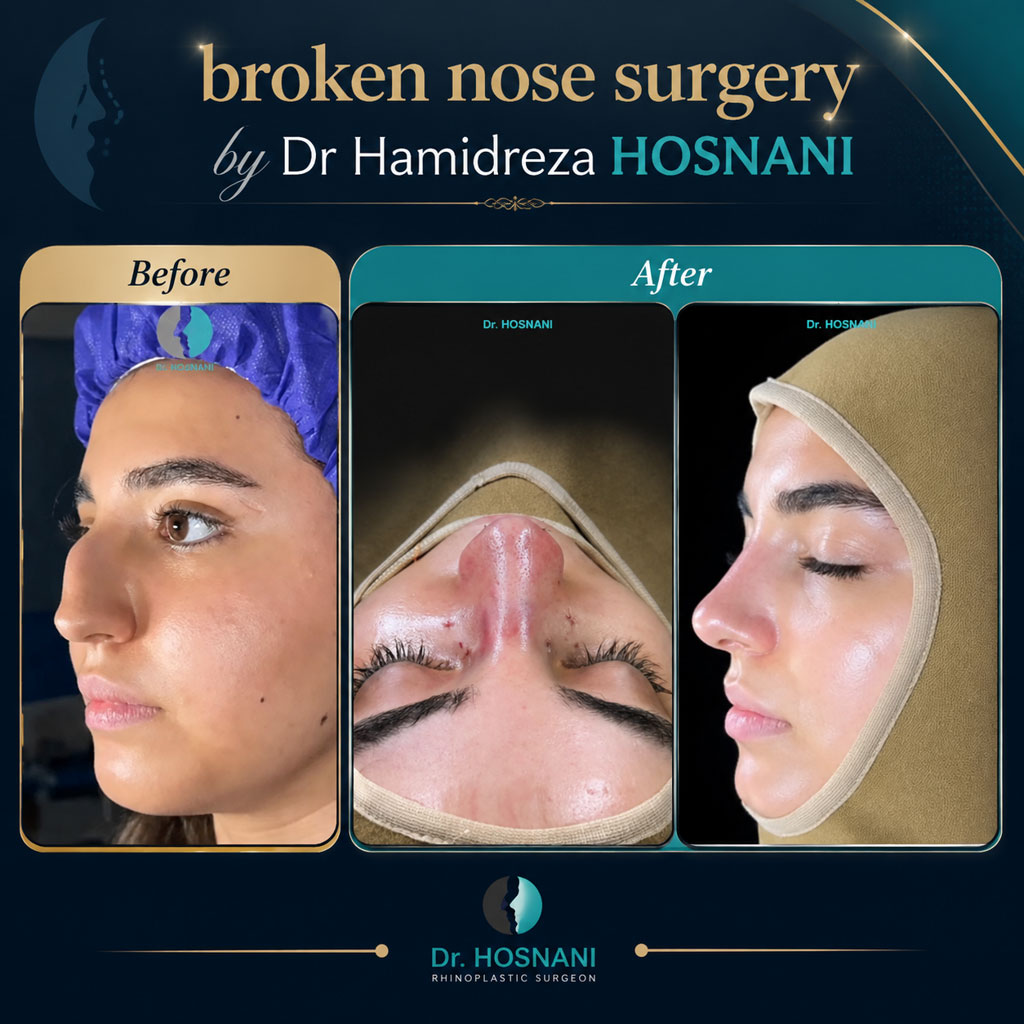
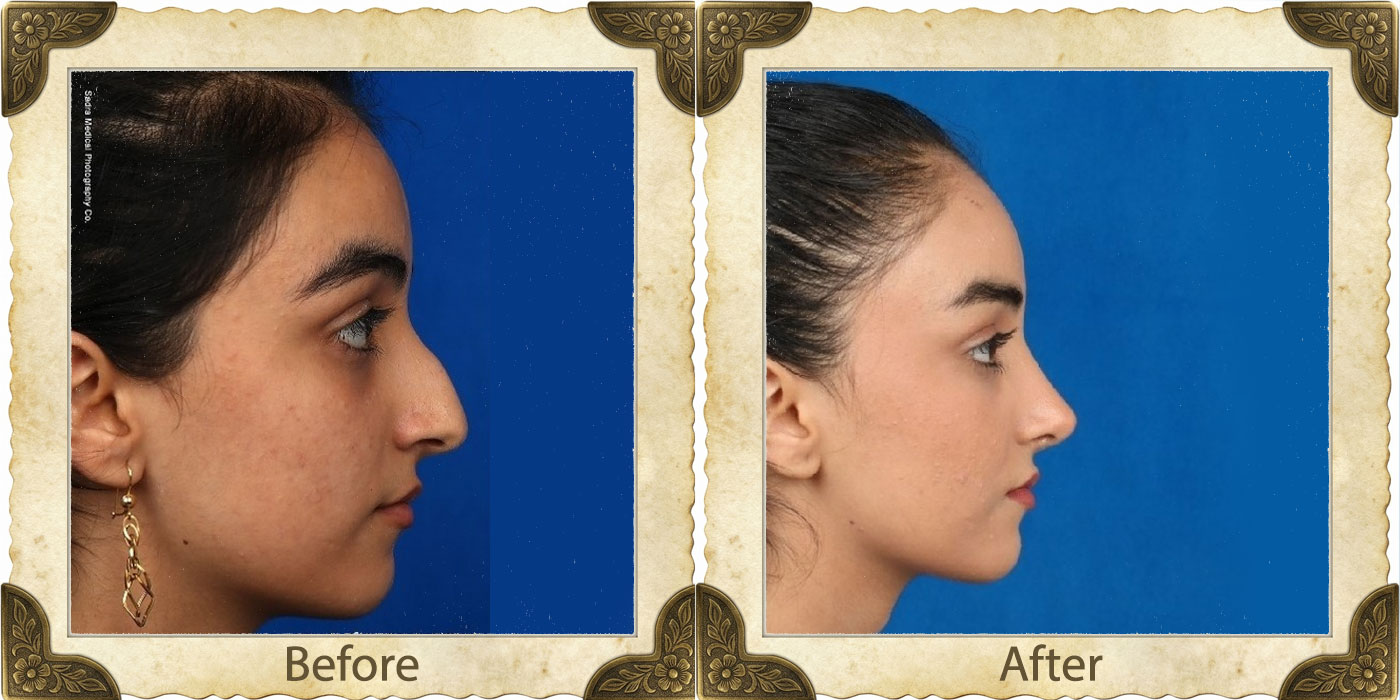
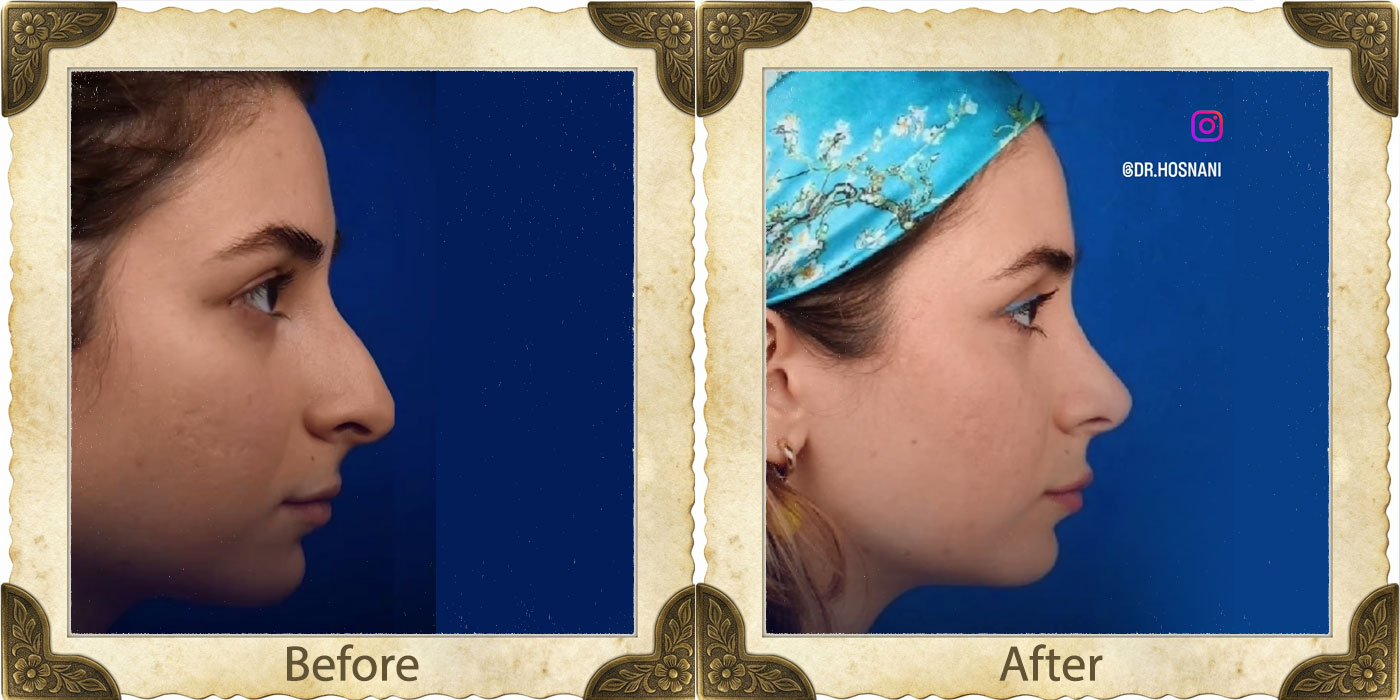
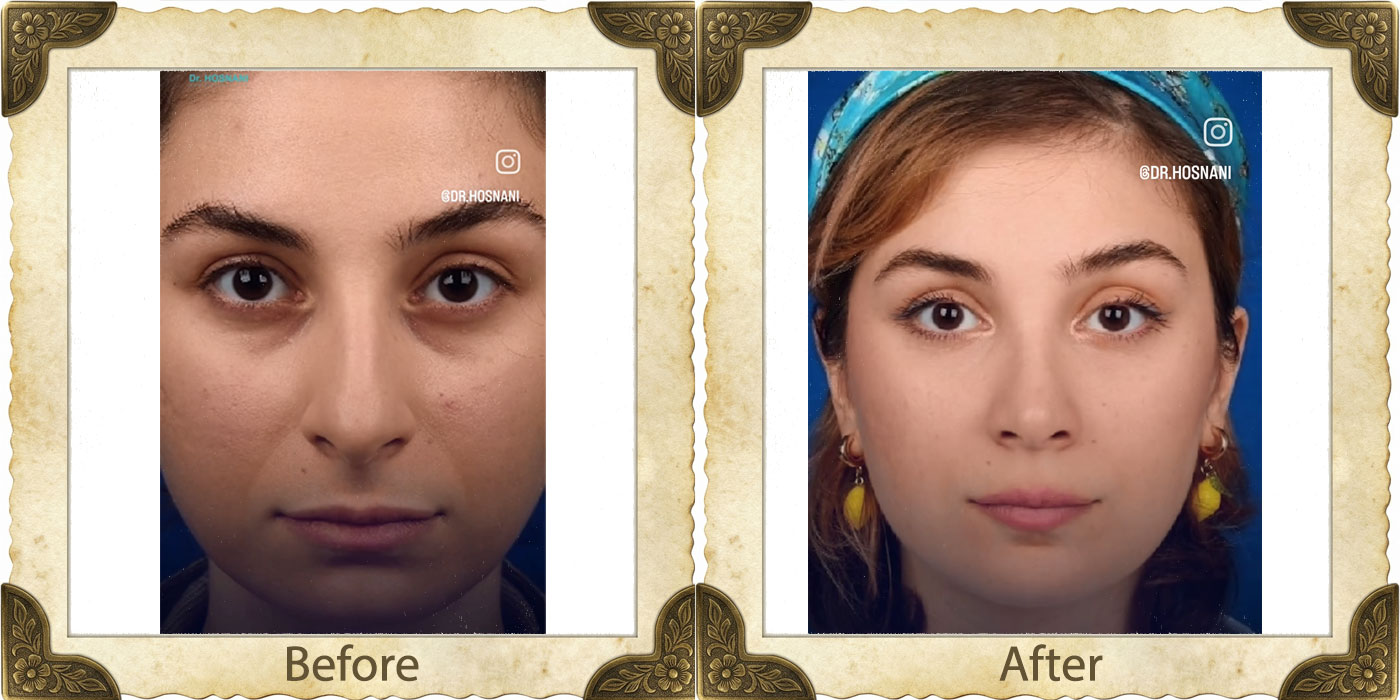
Before and After Photos
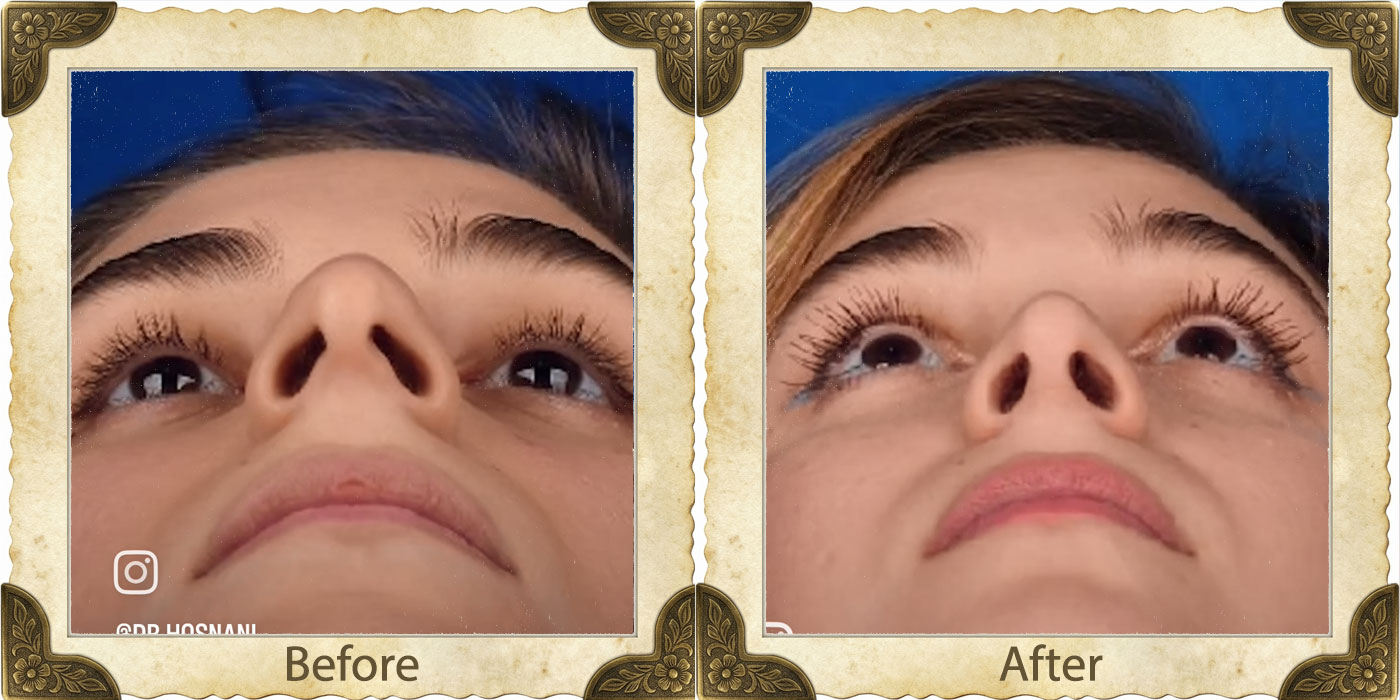
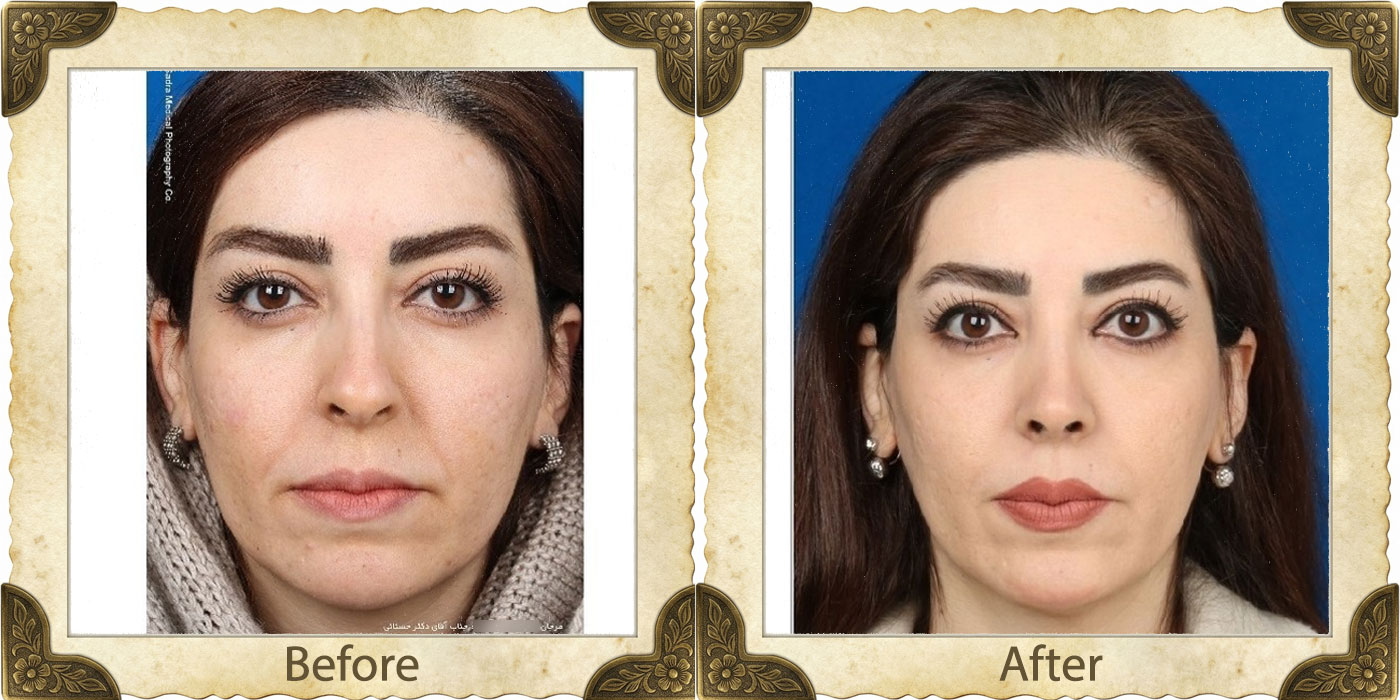
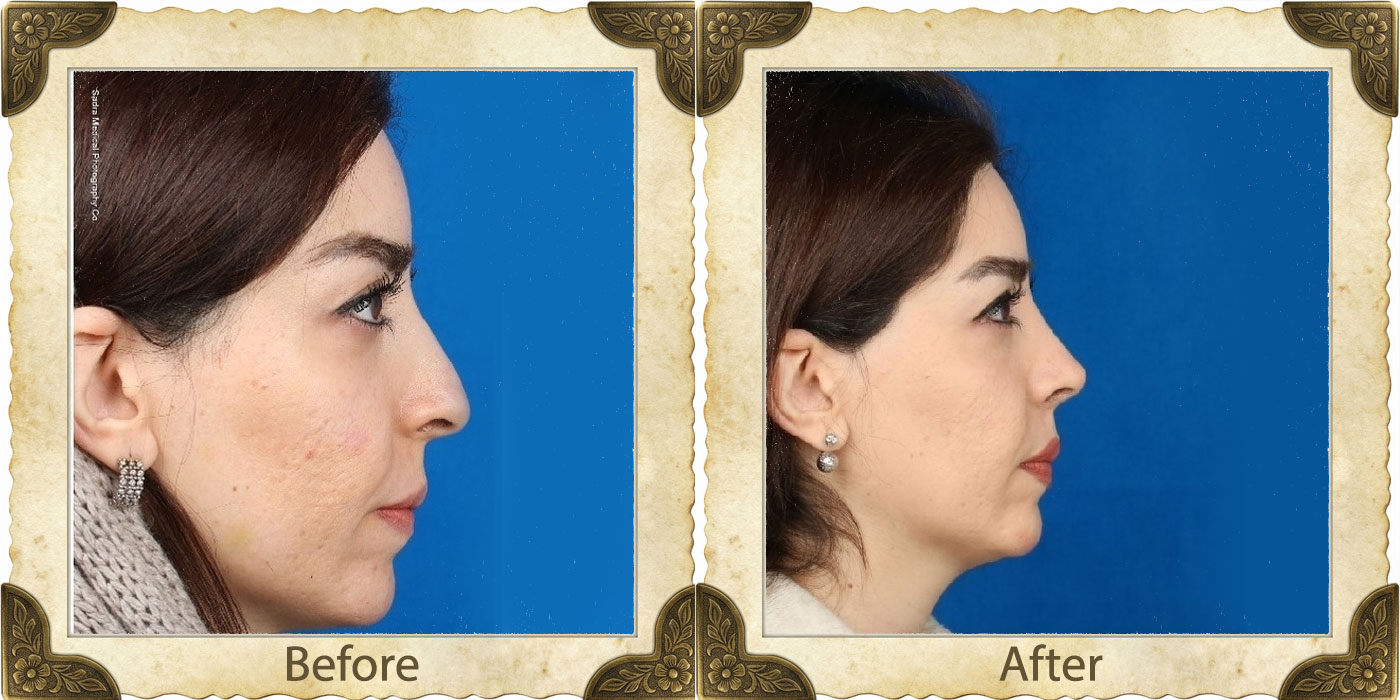
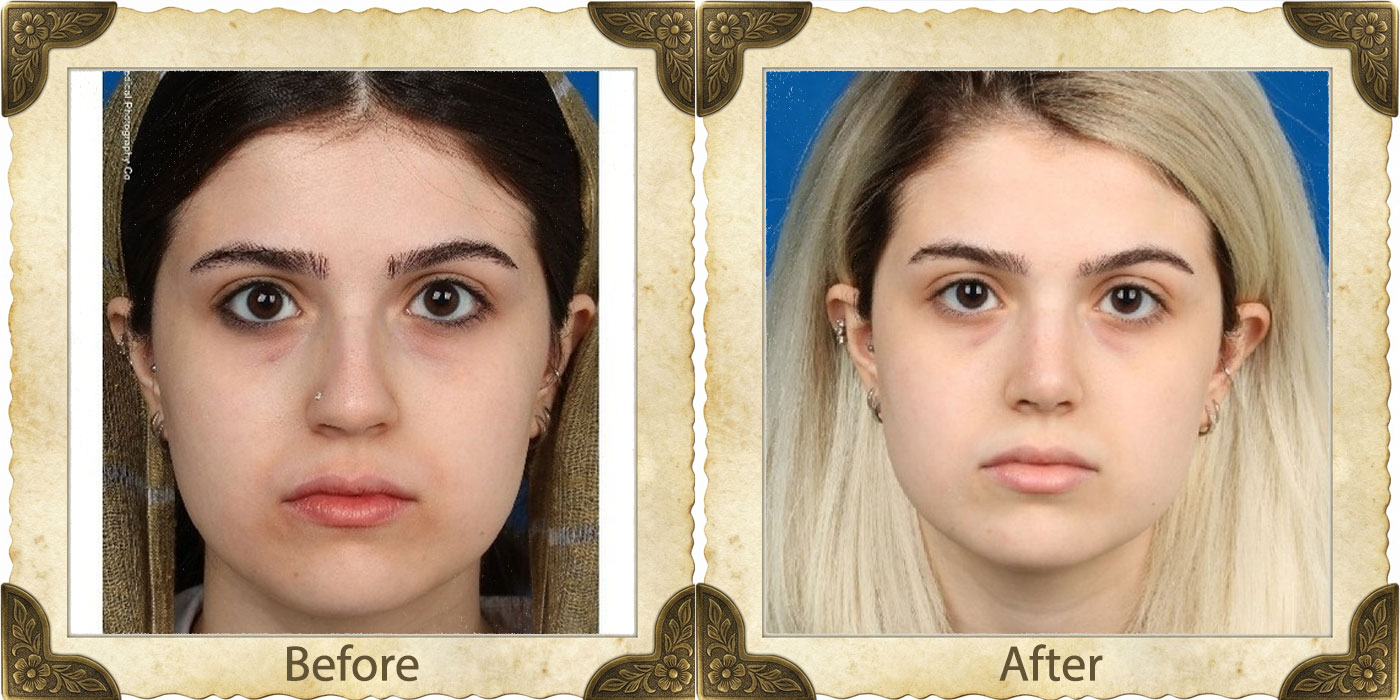
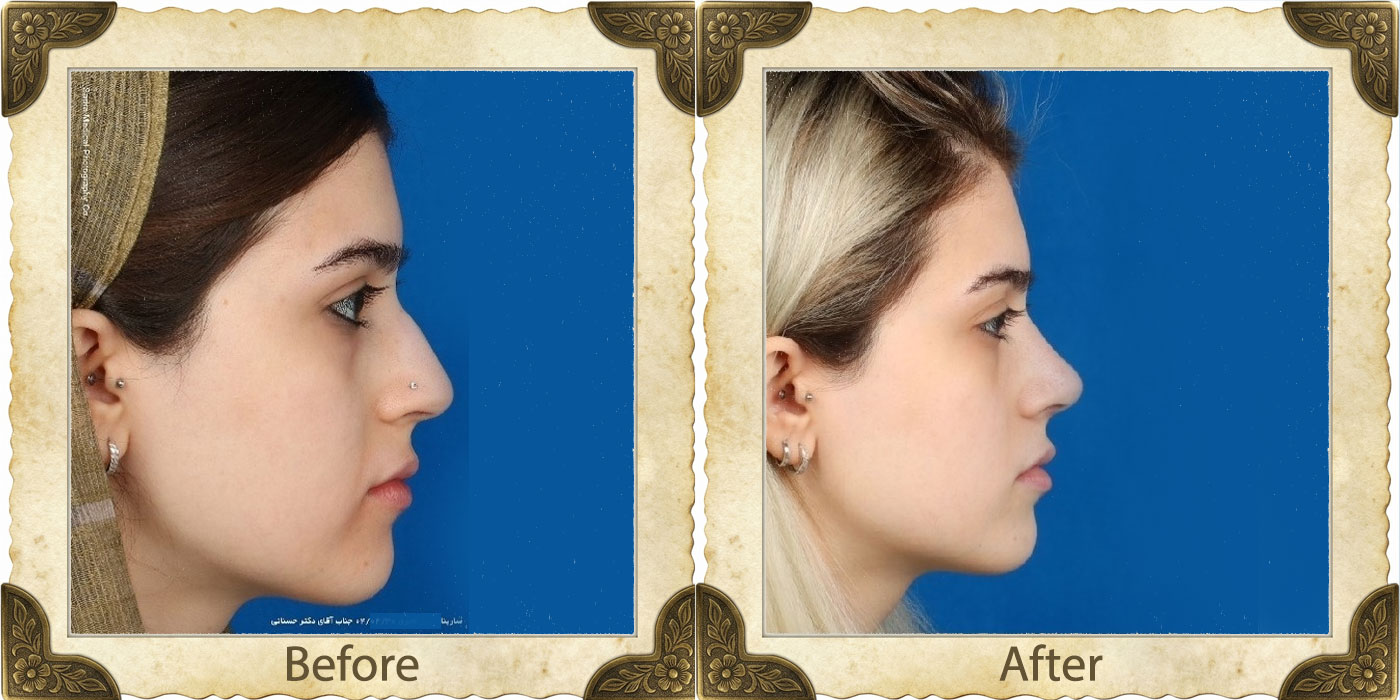
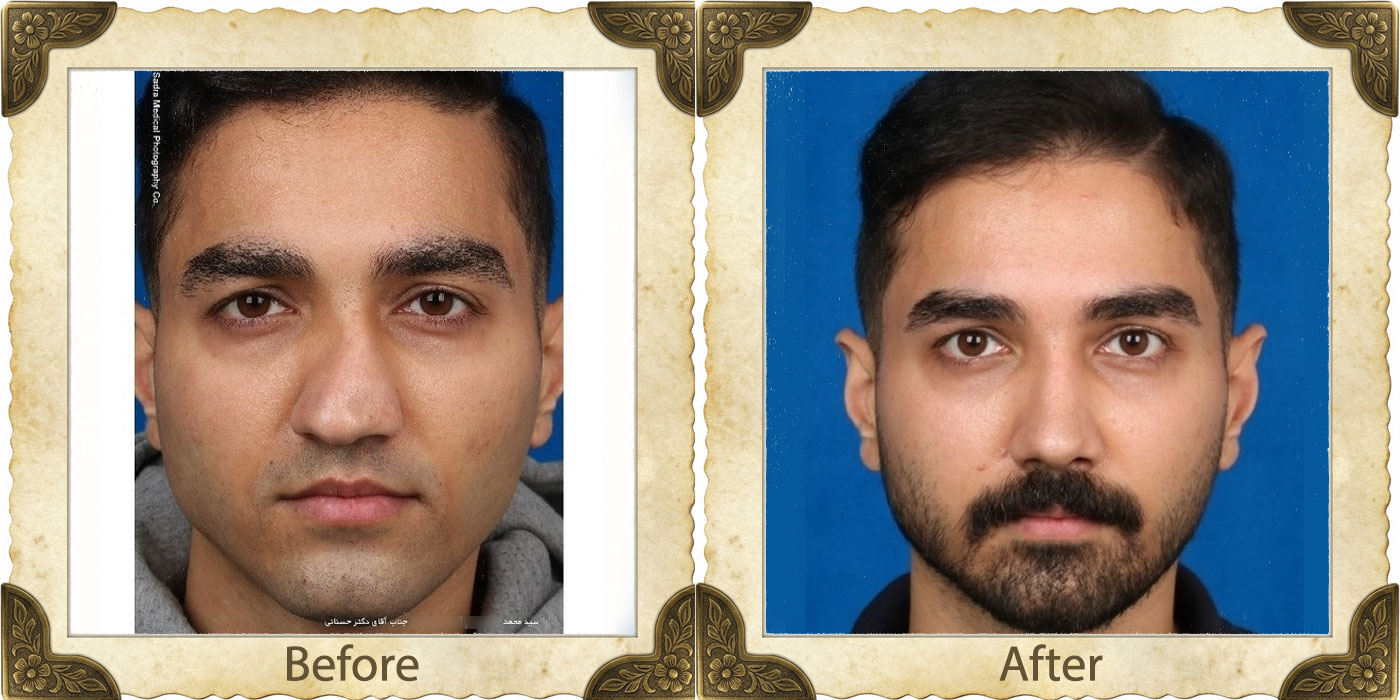
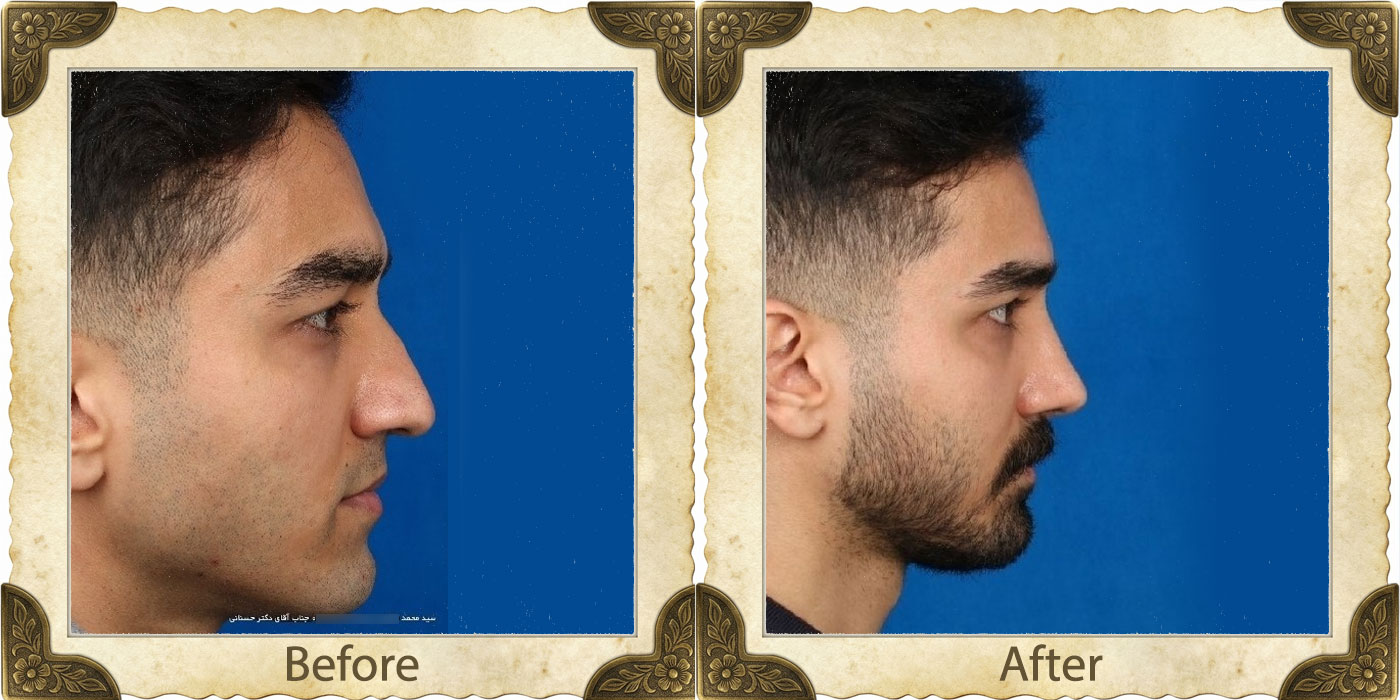
The Newest Rhinoplasty Technique: Preservation Rhinoplasty
Preservation Rhinoplasty is one of the relatively new methods in aesthetic nose surgery, where, instead of extensive removal and destruction of nasal structures, the attempt is made to preserve natural nasal structures as much as possible, performing changes with minimal manipulation of the nasal skeleton. In this technique, especially in correcting a dorsal hump, instead of direct excision of the hump, the bridge of the nose is straightened by repositioning the bones and cartilages, leaving more natural tissues intact. This approach can help make the nose appear more natural, reduce tissue damage, and sometimes assist in a faster recovery process. Dr. Hosnani also utilizes this new technique in suitable cases and, depending on the type of nose and the patient's condition, employs preservation methods to maintain the nose's natural structure whenever possible. 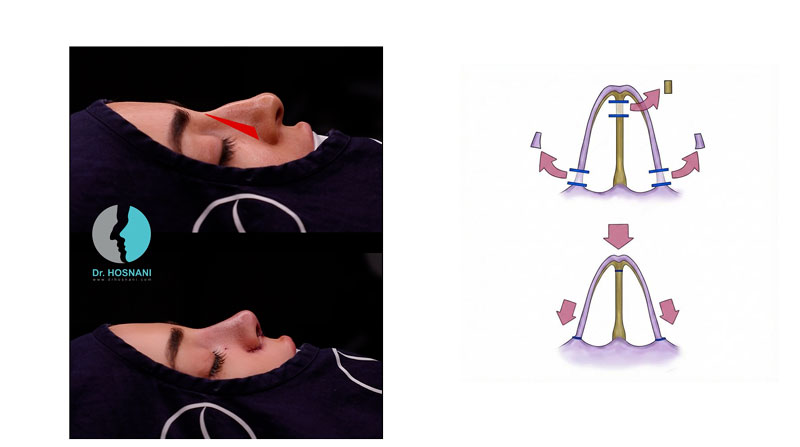
Preservation rhinoplasty is a technique in which the main nasal structures, such as the bones and cartilages of the nasal bridge, are preserved as much as possible so that the natural appearance of the nose is maintained and postoperative swelling and recovery time may be reduced. This technique is suitable for noses with mild to moderate humps and without severe deviation that do not require extensive structural changes. According to Dr. Hosnani, it is selected when the patient’s anatomy allows the desired aesthetic and functional result to be achieved without extensive structural removal.
Is there a standard for nasal beauty?
Aesthetic standards are a scientific concept. To obtain these standards, the faces of people whom the majority of society considered beautiful were analyzed; the characteristics they possessed were noted, and results were achieved. The angle between the nose and lip, the angle between the nose and forehead, the ratio of nose size to cheeks, and the size of the nose relative to the face have been expressed as specific numbers and introduced as a science. In rhinoplasty, we try to bring the individual's face closer to these standards so that after surgery, they appear beautiful to the majority of people.Statistical analysis of nasal and facial angles of people considered beautiful by the majority of society has provided aesthetic surgeons with criteria that are acceptable worldwide. If a surgeon operates according to these standards, it usually brings satisfaction to the patient, their family, and their friends. Nevertheless, plastic surgery science attempts to consider the patient's preferences as much as possible, and their desires are taken into account as long as they do not conflict with these standards.
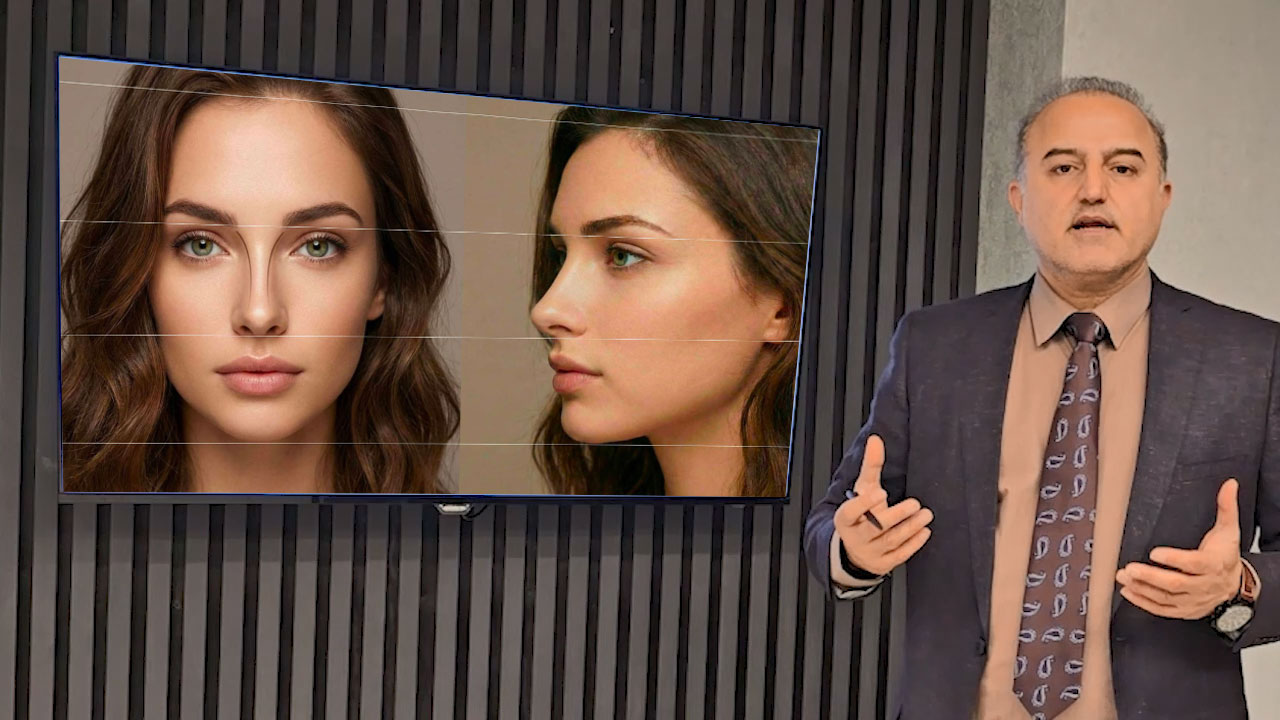
In aesthetic standards, the harmony of the nose with the vertical and horizontal thirds of the face is very important. The middle third of the face, where the nose is located, should be balanced in size, angle, and curvature with the upper third (forehead) and the lower third (mouth and chin) so that the face appears natural and proportionate. According to Dr. Hosnani, if the nose is designed to be excessively small, large, or overly curved, this three‑part balance is disrupted and even with good surgical technique the final result may appear unnatural or disproportionate.
Surgical Style of Dr. Hosnani
Dr. Hosnani favors a natural style of nose surgery while maintaining nasal function. In an interview with the ITV network, he stated that about one-fourth of those who come to him requesting nose surgery are not accepted because surgery is not necessary for them. Requests from individuals seeking a very small, "doll-like" or "fantasy" nose are not accepted, and a semi-fantasy style is recommended for them. 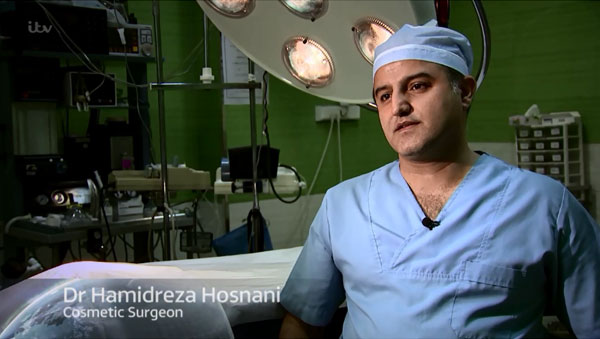
In an Interview with ITV, Dr. Hosnani Said He Only Operates on Patients Who Have Significant Problems and Truly Need Surgery
Golden Tips for Choosing a Nose Surgeon
Choosing is always difficult, especially when the subject is something as important as selecting a nose surgeon. The nose has both a respiratory function and plays a role in facial aesthetics. The smallest mistake can not only make an individual's appearance undesirable but may also impair their breathing. The anatomy of different people's noses is also different. Some noses have thinner skin, while others have thicker skin, commonly referred to as fleshy noses. On the other hand, not all surgeons have the same experience in rhinoplasty. Some surgeons, like Dr. Hosnani, believe in a natural nose, while others focus on beauty. Some perform open surgery, while others have more experience with closed rhinoplasty.You cannot try out a nose job like a product. If your surgery does not have the desired result, you must wait at least a year. Opportunities for revision are also very limited. On the other hand, the cost of nose surgery is also high. Given that choosing a nose surgeon involves many complexities and subtleties, we have prepared a comprehensive article on the subject of choosing a nose surgeon that will surely help you.
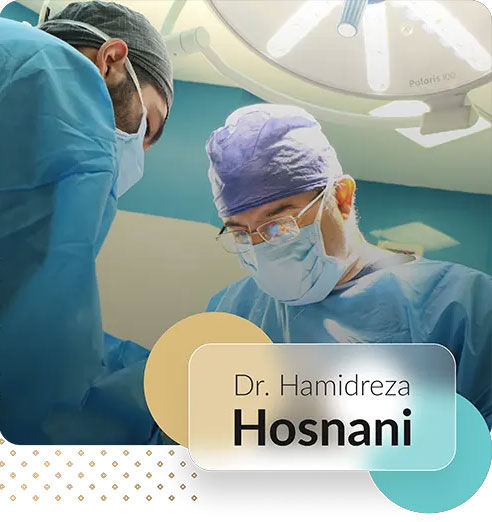
Dr. Hosnani has performed more than 15,000 successful surgeries from 2006 until now.
🩺
Rhinoplasty at a Glance
A quick overview of nose surgery types, techniques, benefits, and key points before surgery.
View Page →👨⚕️
About the Surgeon
Learn about the surgeon’s academic background, professional experience, and medical approach.
View Page →📝
Consultation Form
Send your information and photos through the form to receive a consultation.
Open the Form →❓
Ask a Question
Ask your questions about rhinoplasty, recovery period, and surgical results.
Submit Question →🖼️
Before & After Photos
See real examples of rhinoplasty results in different nose shapes and styles.
View Photos →📷
Instagram Page
Follow the latest cases, videos, announcements, and visual content.
View Instagram →📞
Contact Information
Find phone numbers, clinic address, visiting hours, and contact methods.
View Contact Details →