



Опущение кончика носа: причины и решения
Доктор Хамидреза Хоснани
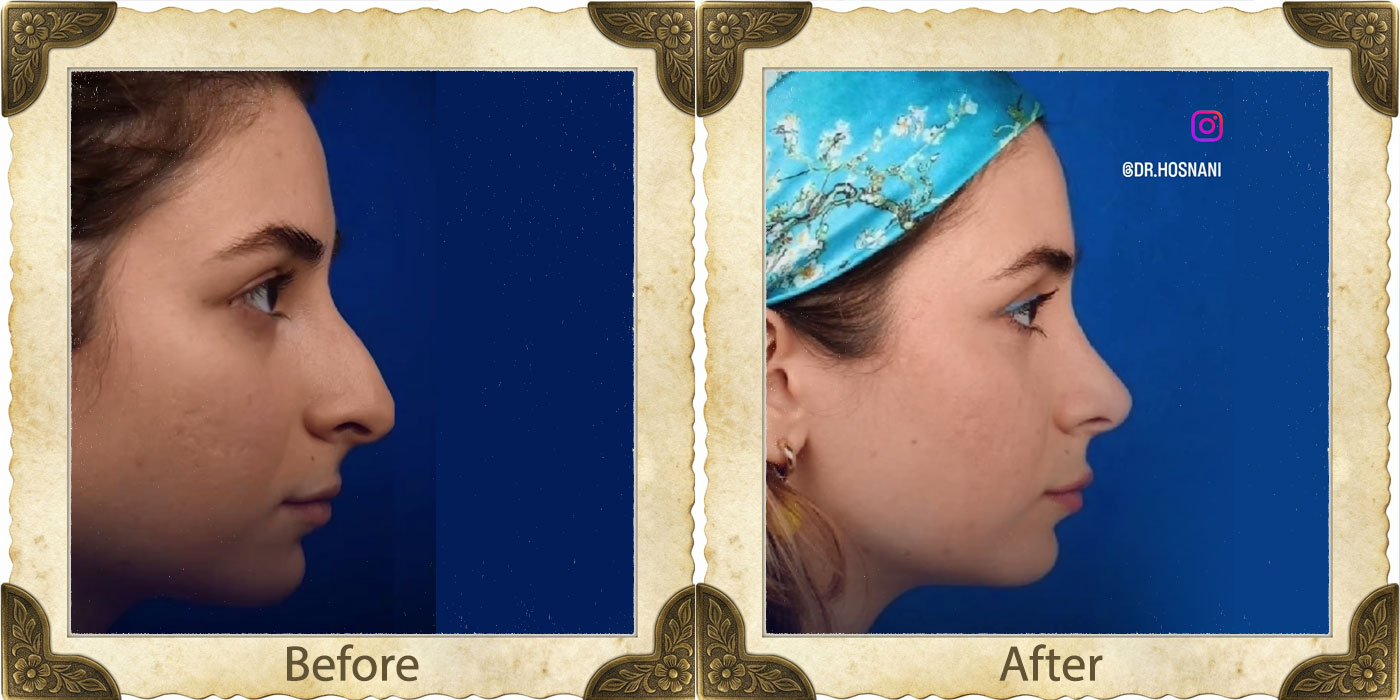
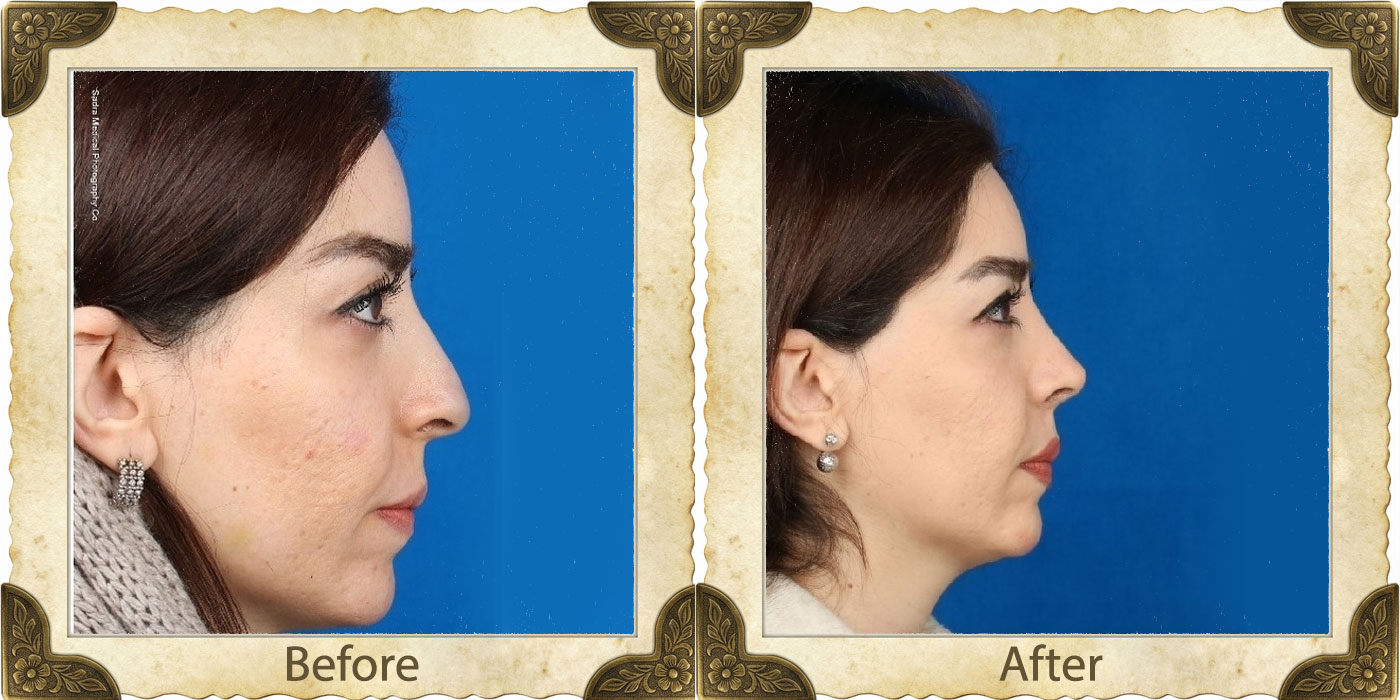
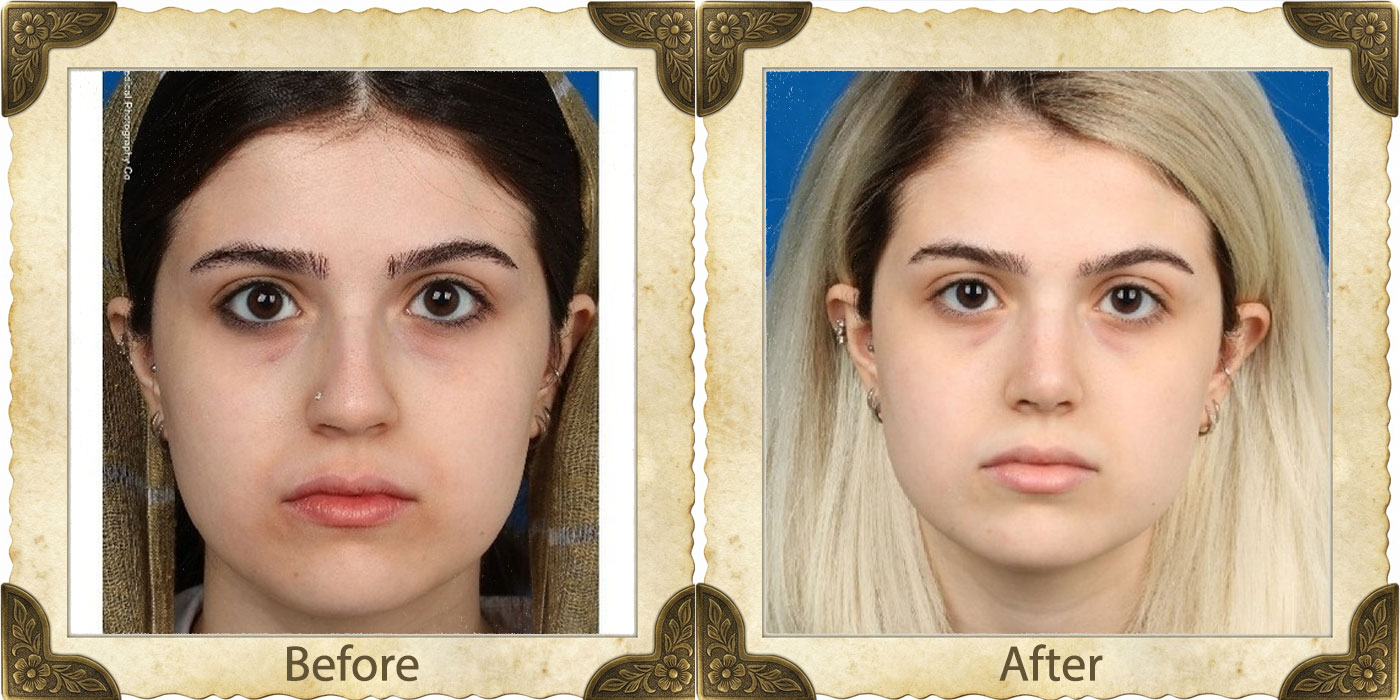
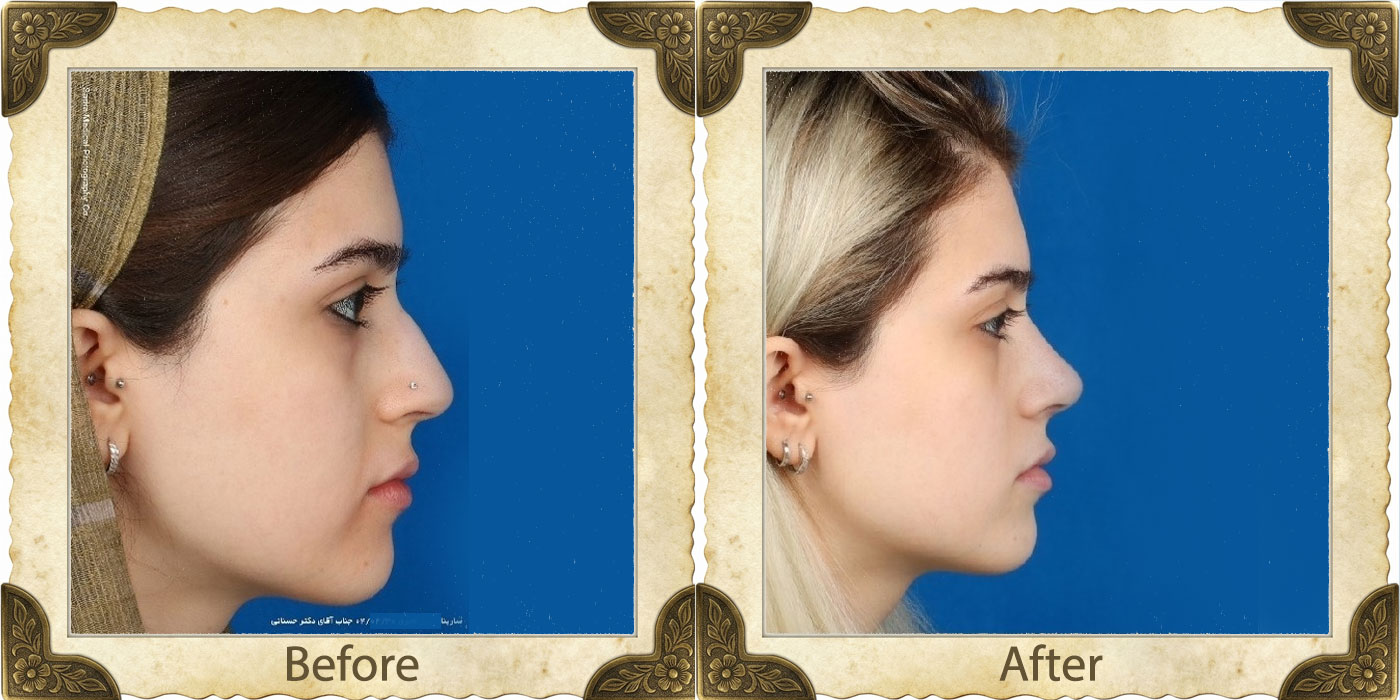
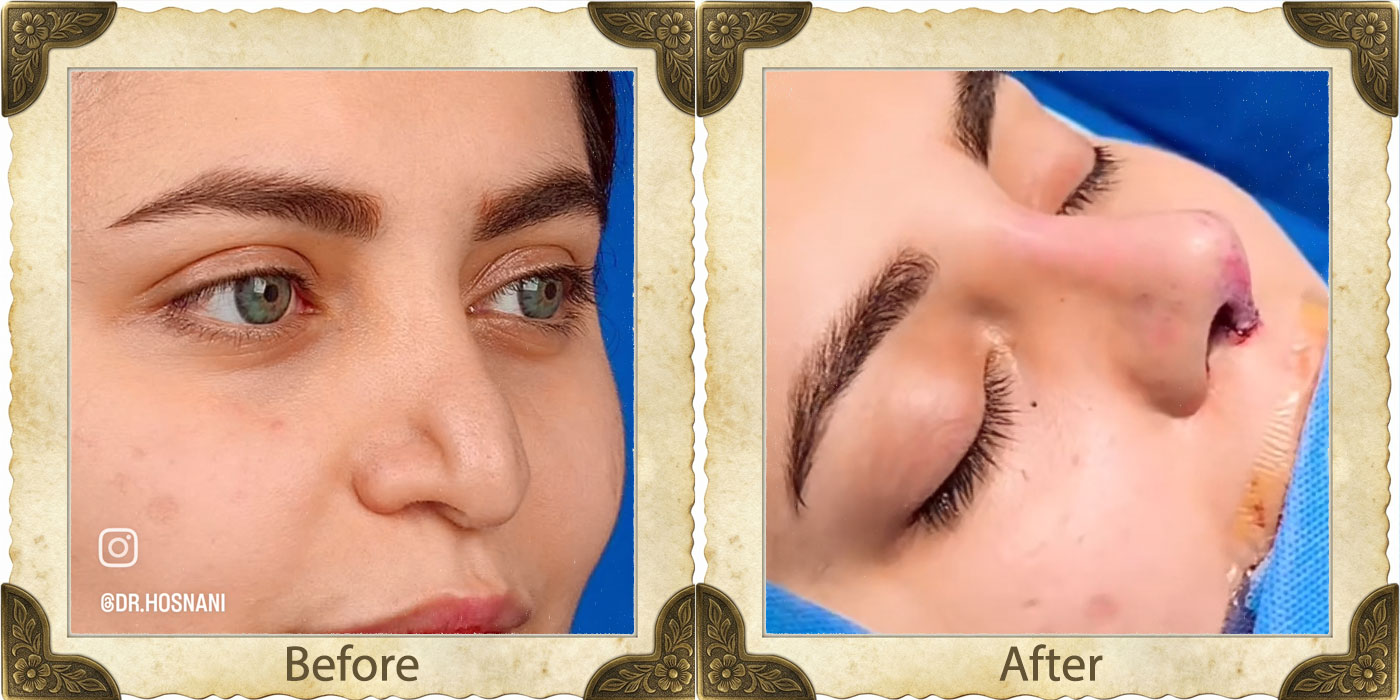
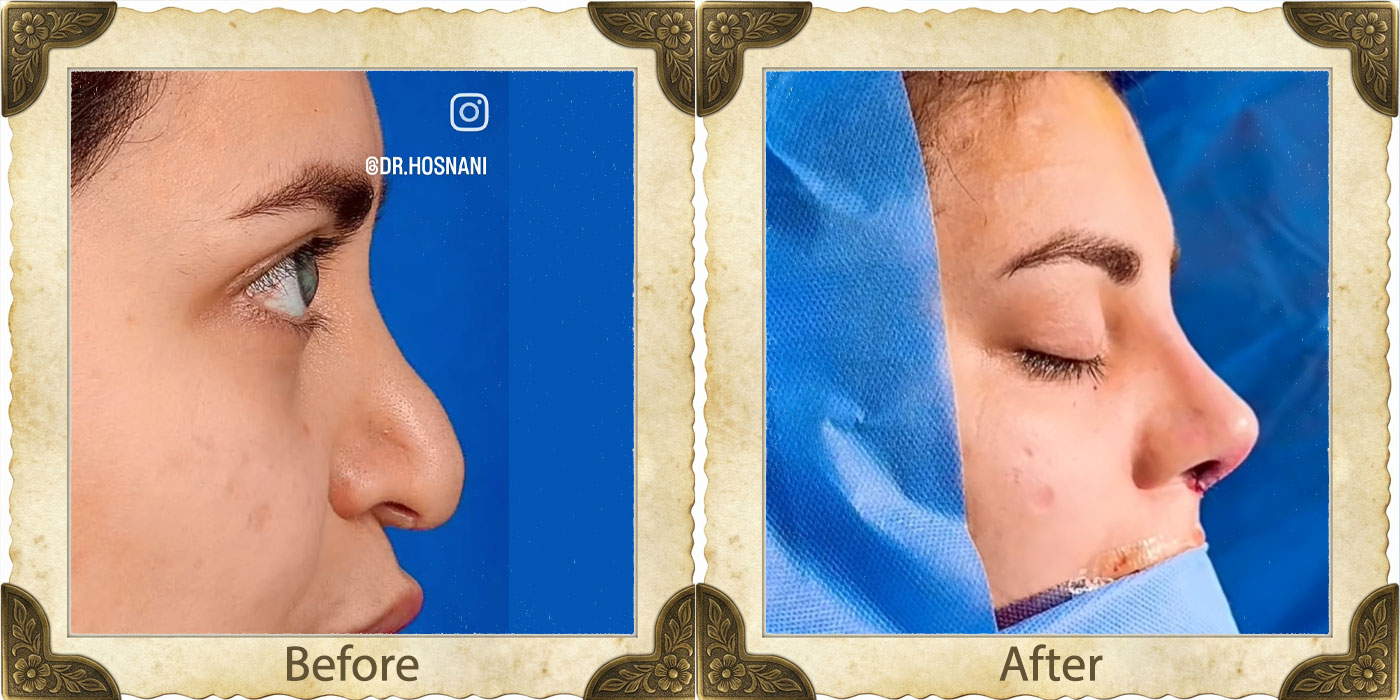
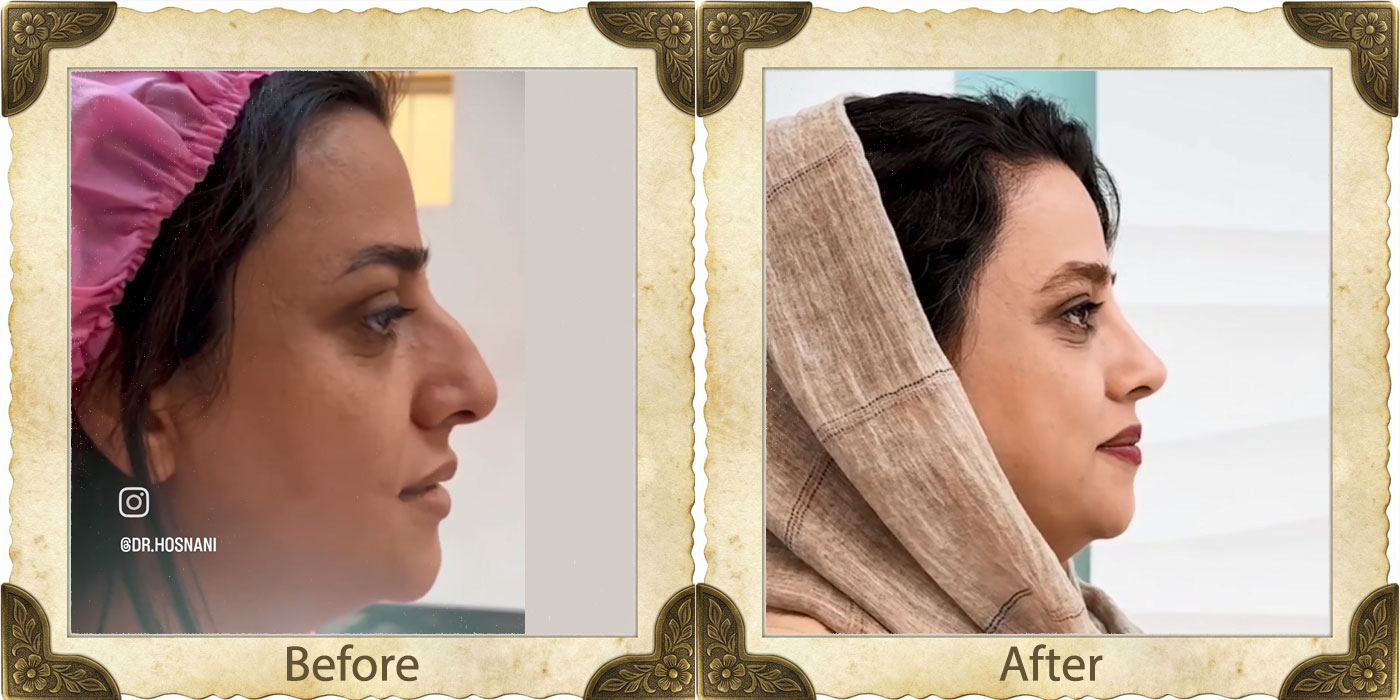
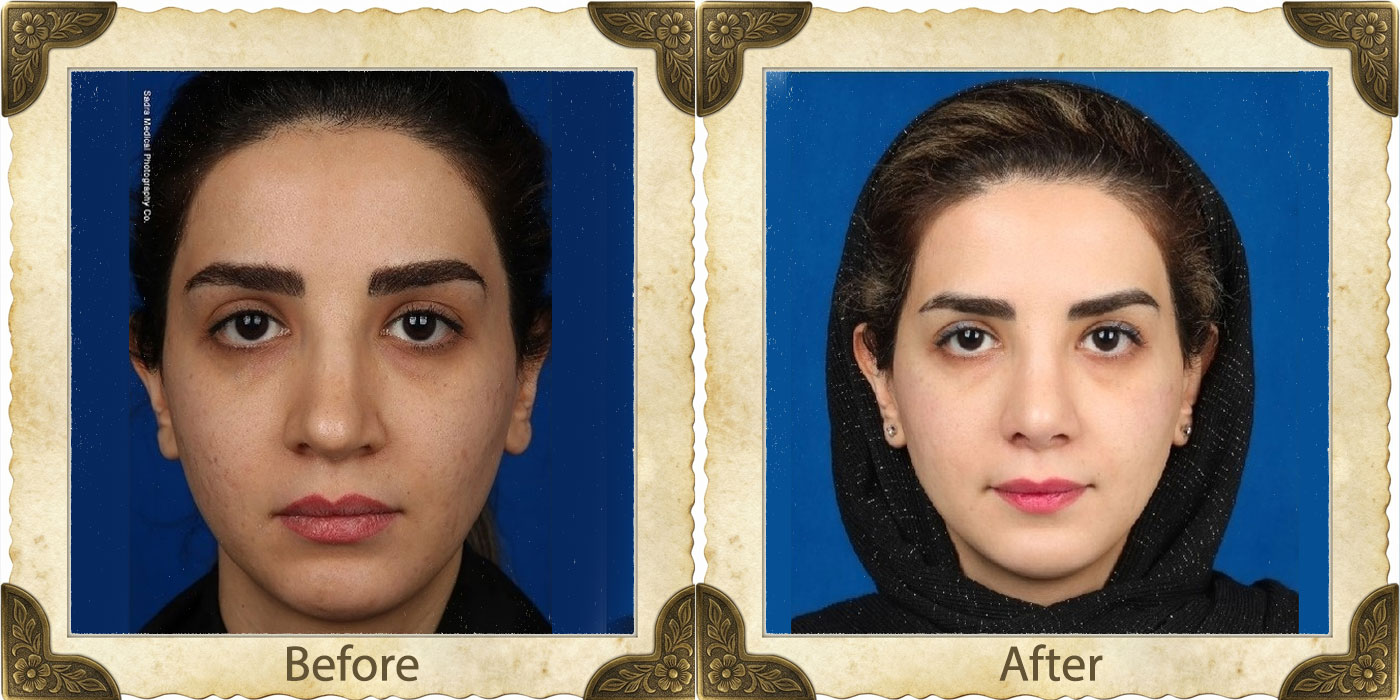
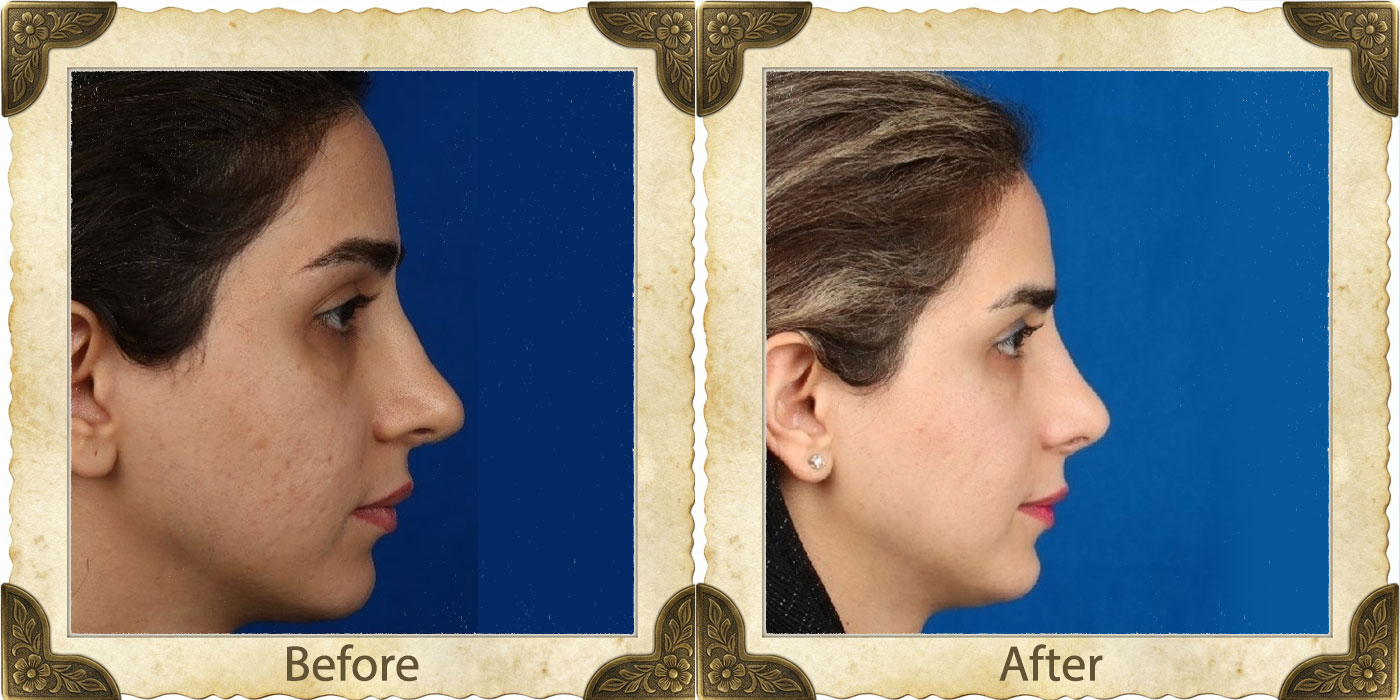
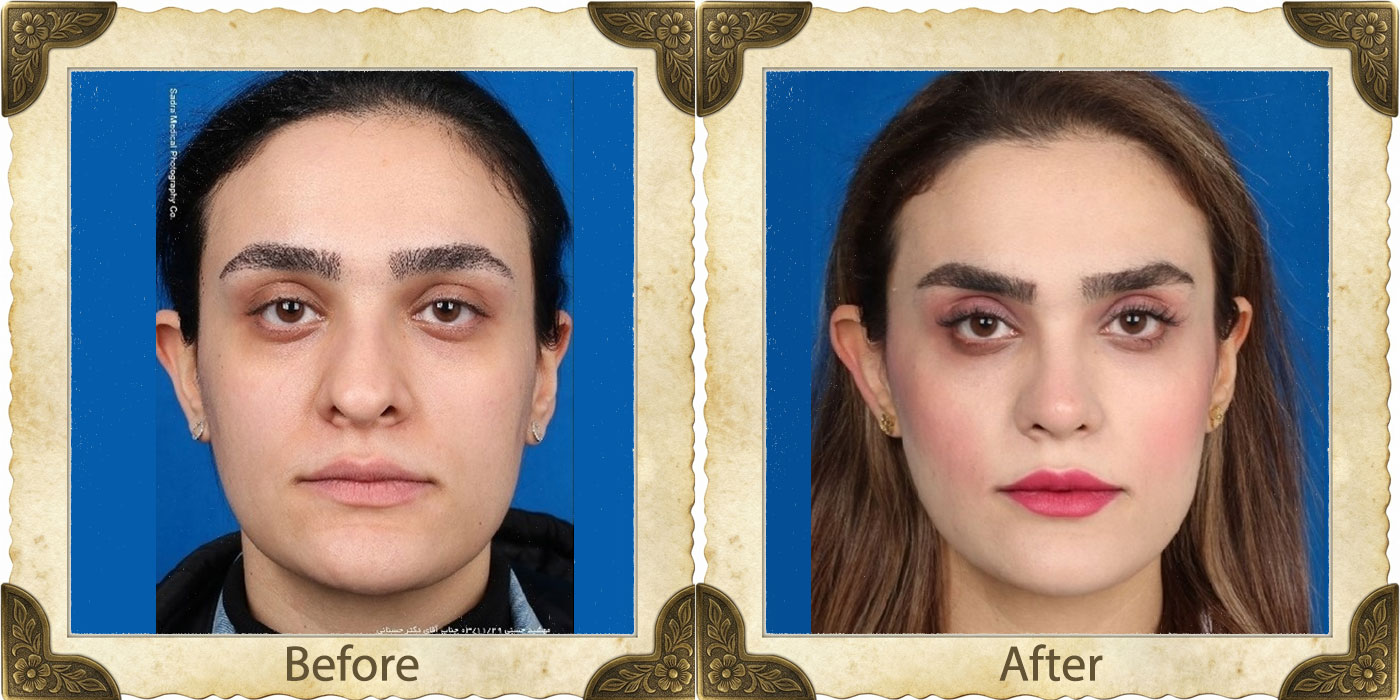
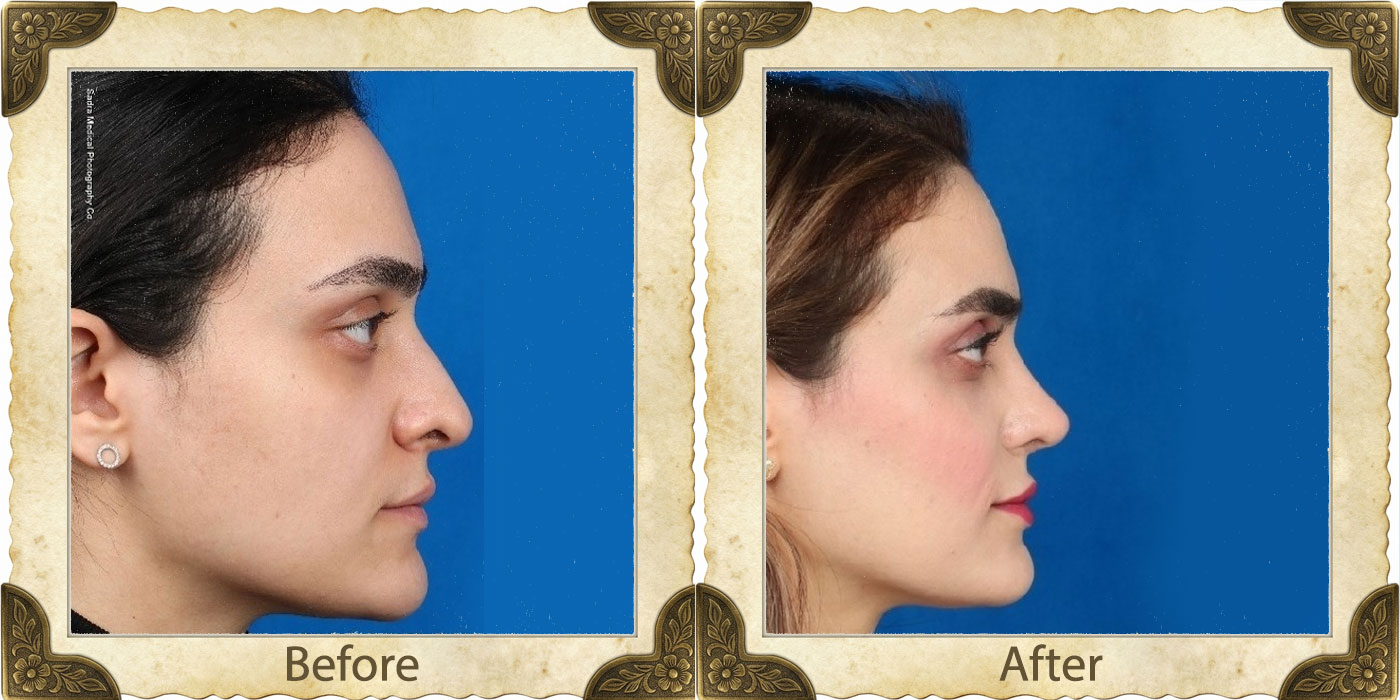
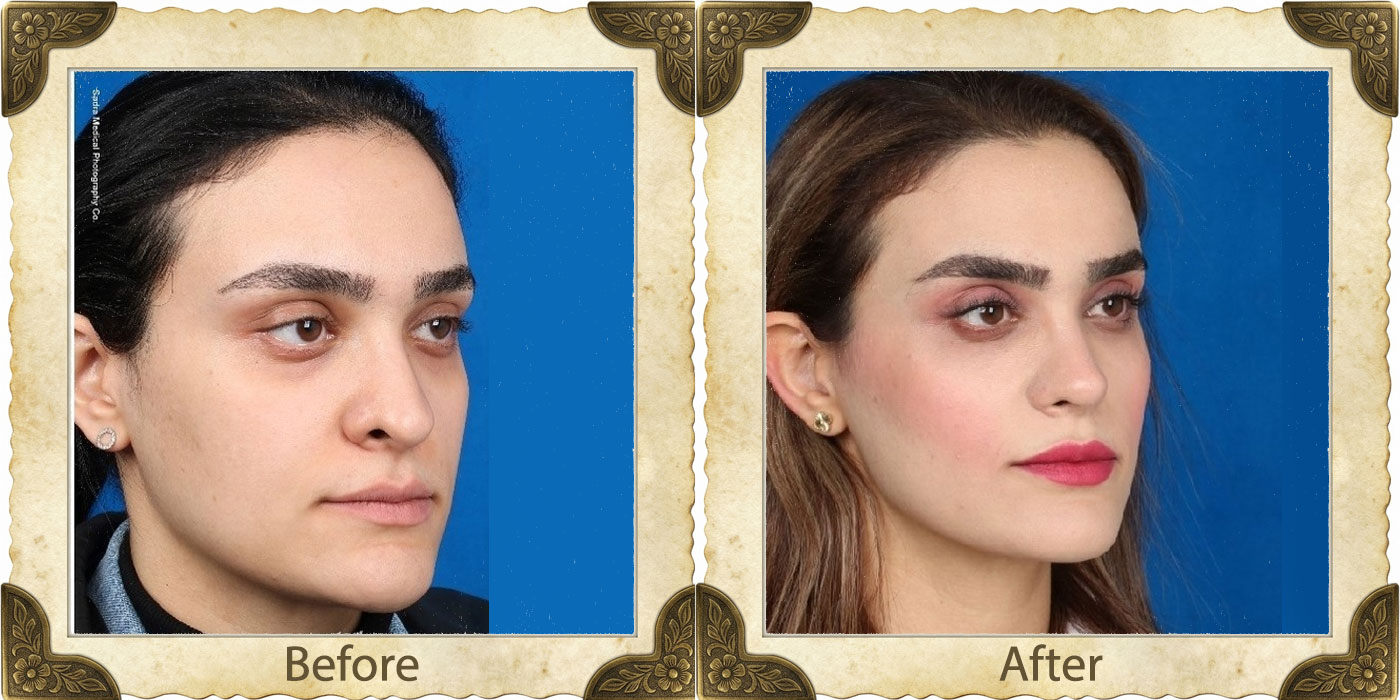
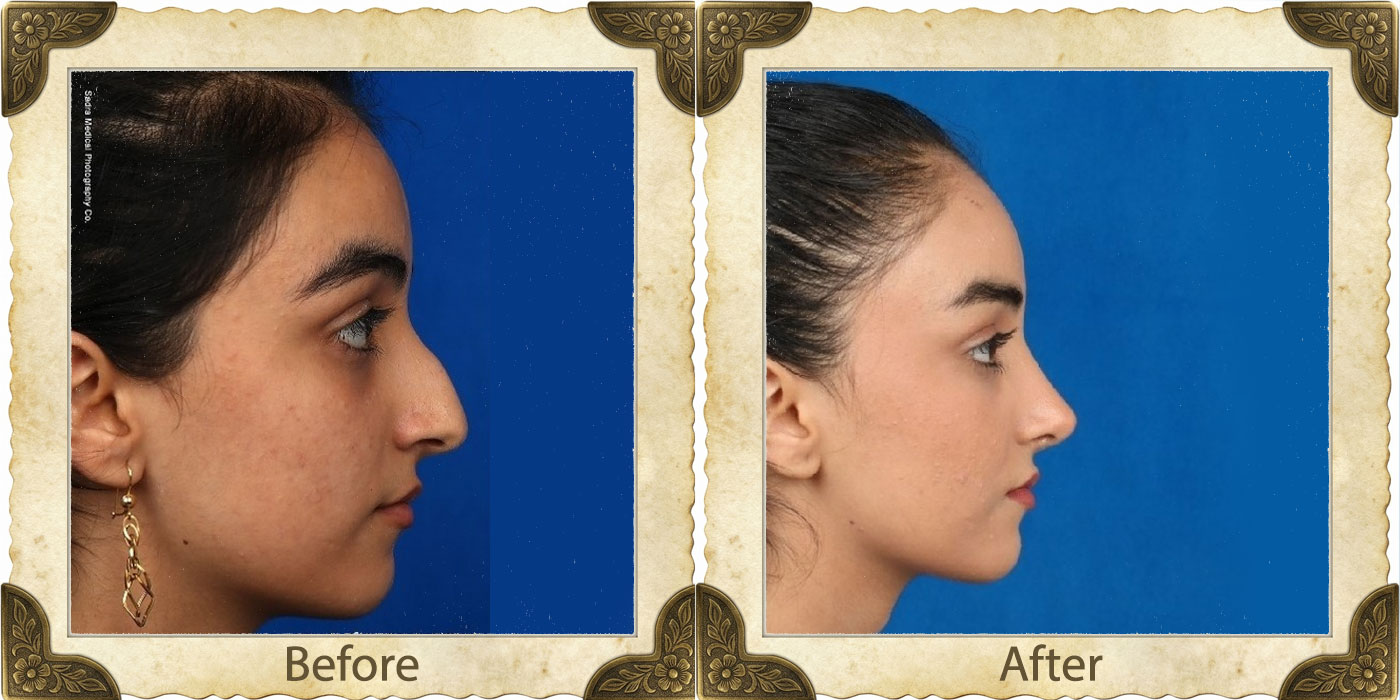
Опущение носа происходит, когда кончик носа опускается ниже спинки носа и приближается к губе. Предотвращение опущения кончика носа, особенно при мясистых носах, возможно с помощью современных техник ринопластики.
With this method, the nose became smaller and the patient was satisfied. But that was not the end of the story. Several days to several months after surgery, during tissue healing, a phenomenon called fibrosis occurs, during which substances are produced that exert a pulling force on the nasal skeleton, causing the nose to change shape. The thicker the nasal skin, the greater the power of this process to deform the nose. Most of the changes occur at the nasal tip, causing it to be pulled downward.
Today, surgical techniques have changed, and almost all of the cartilages shaved from the nose are re-implanted within the nose itself, and we no longer discard cartilage or bone. The best and strongest cartilages are also grafted at the nasal tip. With this technique, nasal tip drooping after surgery is prevented. The thicker the nasal skin, the stronger and more robust the cartilage placed as a pillar at the nasal tip must be. Nevertheless, despite all these reinforcement efforts, a small percentage of nasal tip drooping still occurs, especially in fleshy noses that have thick skin.
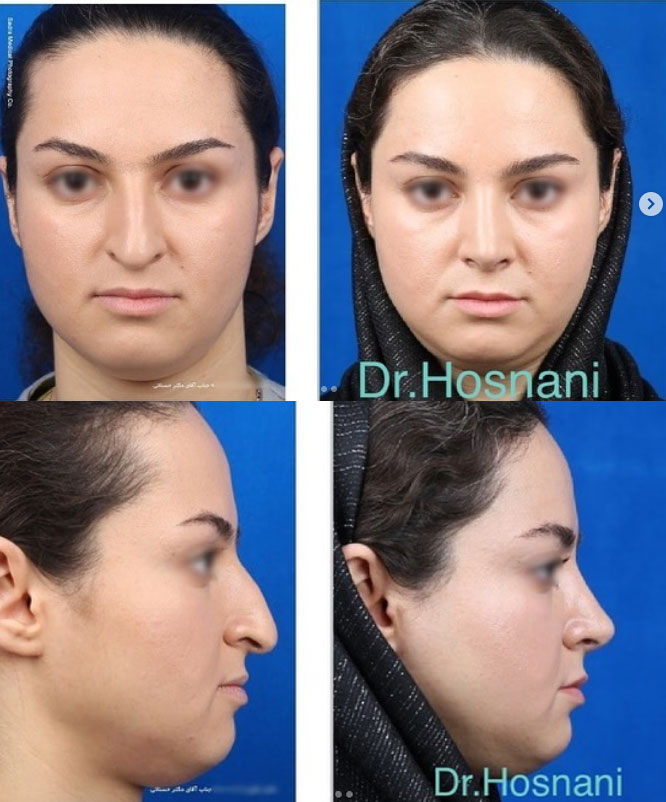
There are various sources for cartilage grafting, which include: irradiated cartilage from a deceased person, artificial cartilage, and the person's own cartilage.
Dead (donor) cartilage is not useful for grafting onto the nasal tip because it loses its strength after some time and the nose becomes droopy again.
Artificial cartilage is very useful and effective for correcting nasal tip drooping and produces very good long-term results. However, artificial cartilage is always at risk of infection or extrusion through the nasal skin, and it is better to avoid using it as much as possible unless the patient accepts its complications. Of course, the likelihood of these complications is not high, but if they do occur, treating them is difficult and there is a possibility of damage to the nasal skin. Another cartilage source is the cartilage within the person's own body. Autologous cartilage is the best choice for grafting onto the nasal tip because it provides lasting strength and has no complications. Among autologous cartilages, the best source is the nasal septum, but unfortunately in revision surgeries, a useful amount of septal cartilage usually does not remain, as it was already damaged in the primary surgery.
If suitable cartilage is grafted onto the tip cartilages to strengthen them, the drooping is corrected and repaired, creating lasting beautiful results for the individual.
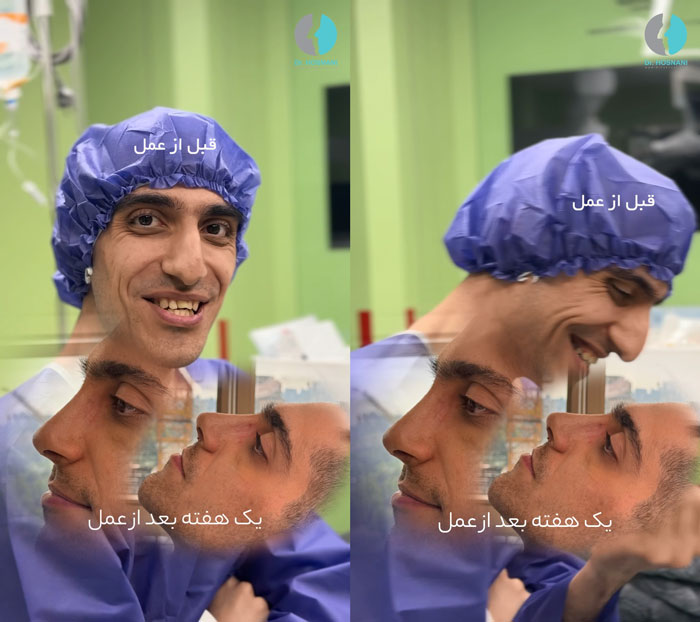
Video: Was Your Nasal Tip Drooping When You Smiled? Not Anymore!
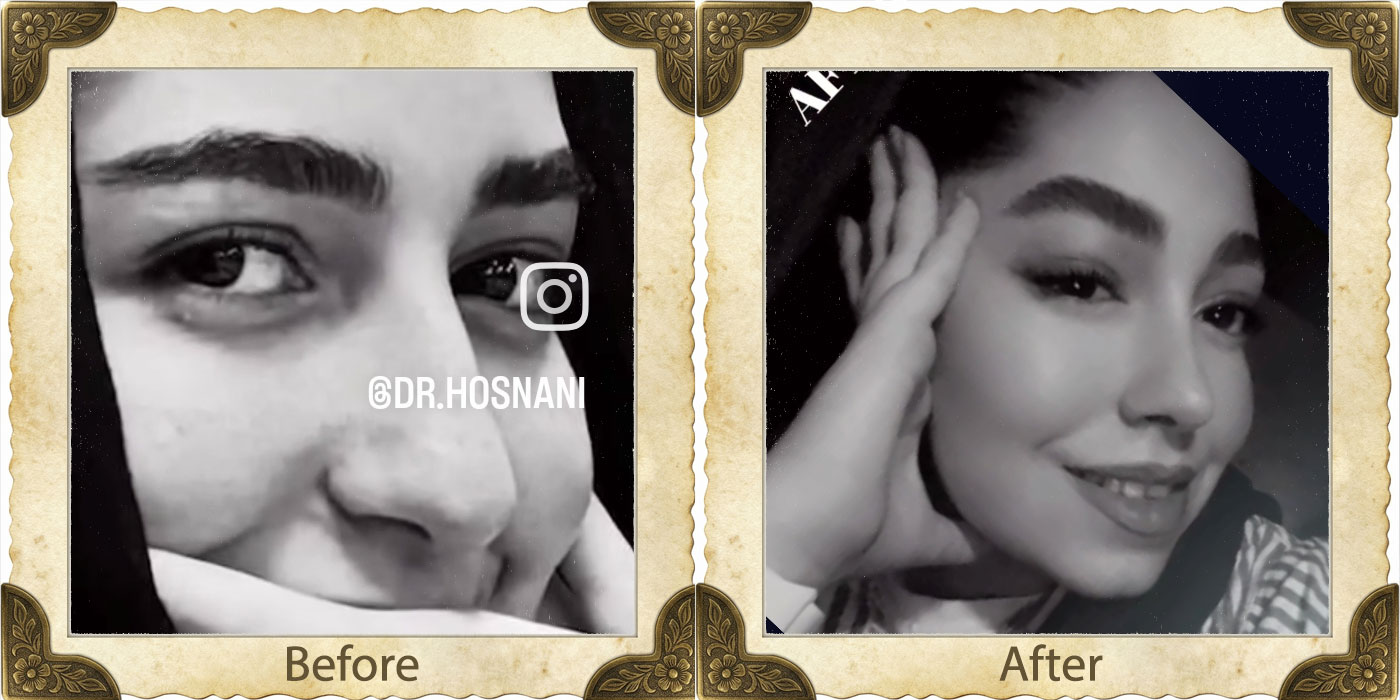
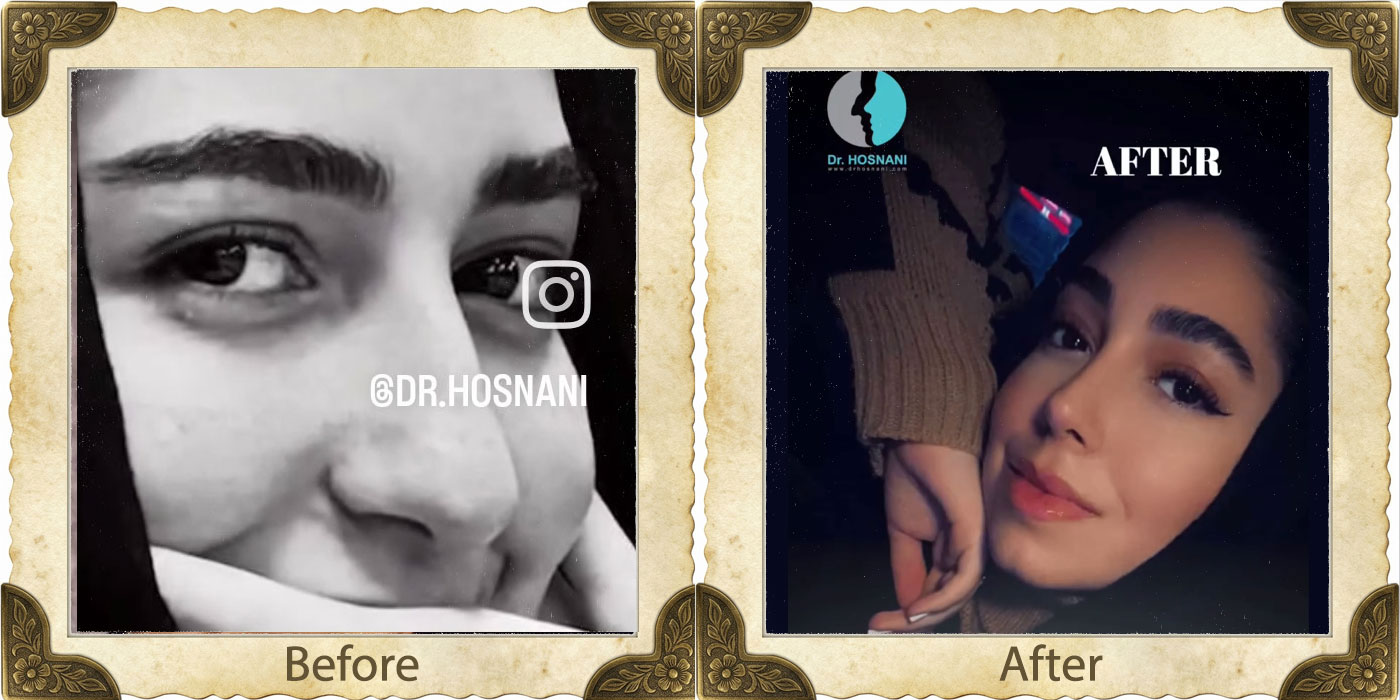
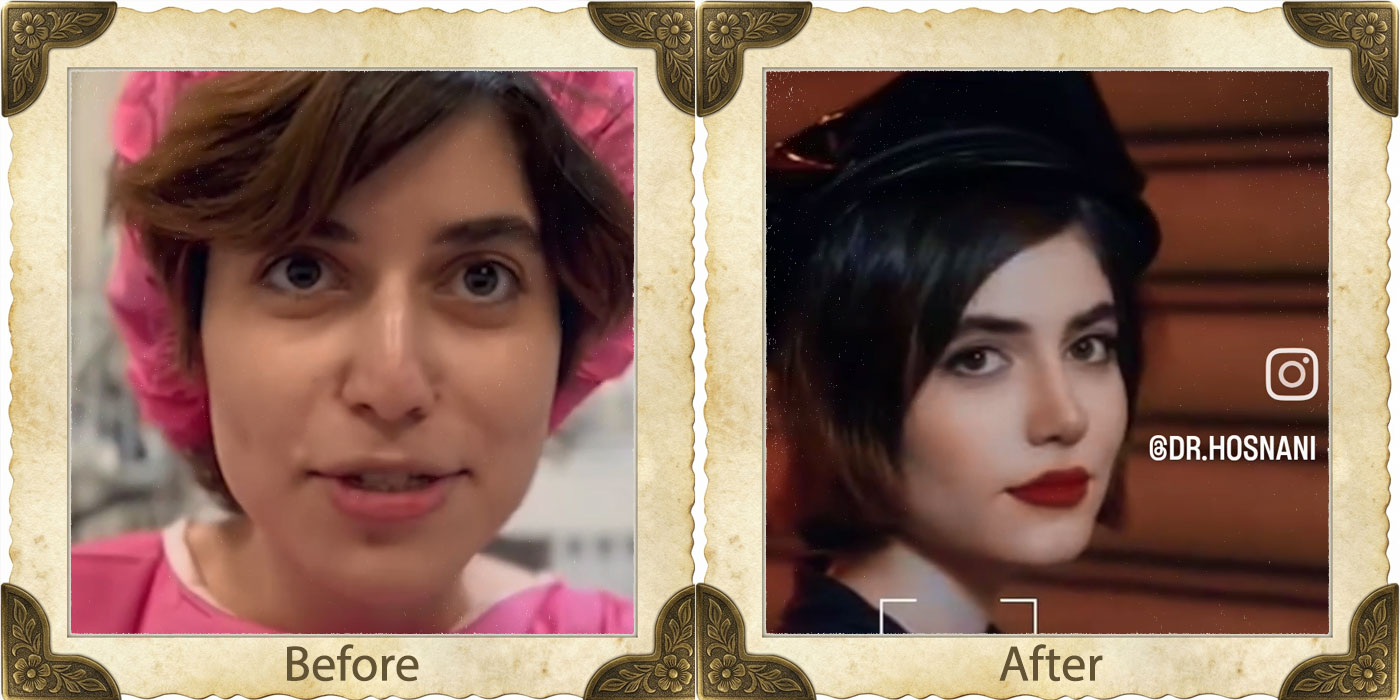
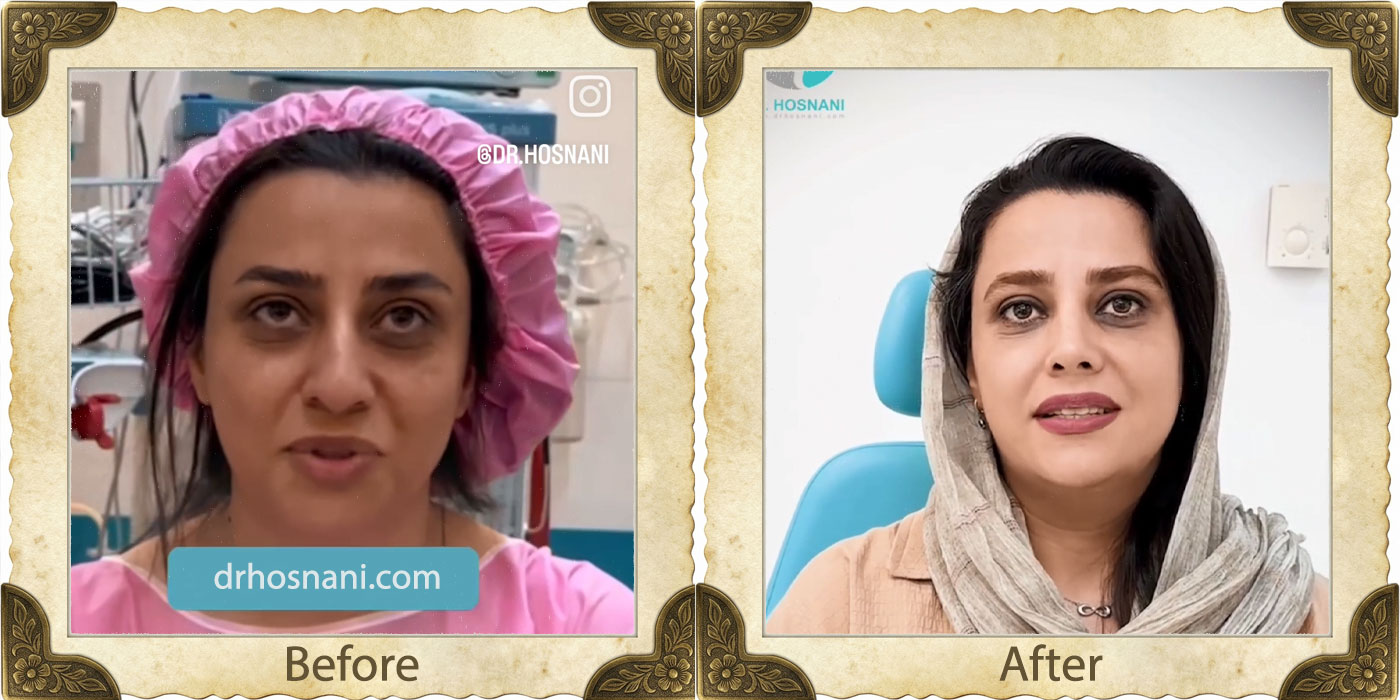
Before surgery, this woman expressed concern that her nasal tip would droop when she smiled, and this issue bothered her. To accurately document this problem and better plan for the surgery, Dr. Hosnani asked her to smile in the operating room so that the drooping state of her nasal tip would be fully captured in the video and images. Now, after two months and twenty days since the surgery, filming was done from the same angle and in the same state so that the changes could be clearly compared. The result clearly showed that the corrected nasal tip had achieved a natural and beautiful form, and when smiling, there was no longer any bothersome drooping. This change brought satisfaction and happiness to the patient and once again showcased Dr. Hosnani's skill in creating natural results that harmonize with the face.
Elevating the Nasal Tip
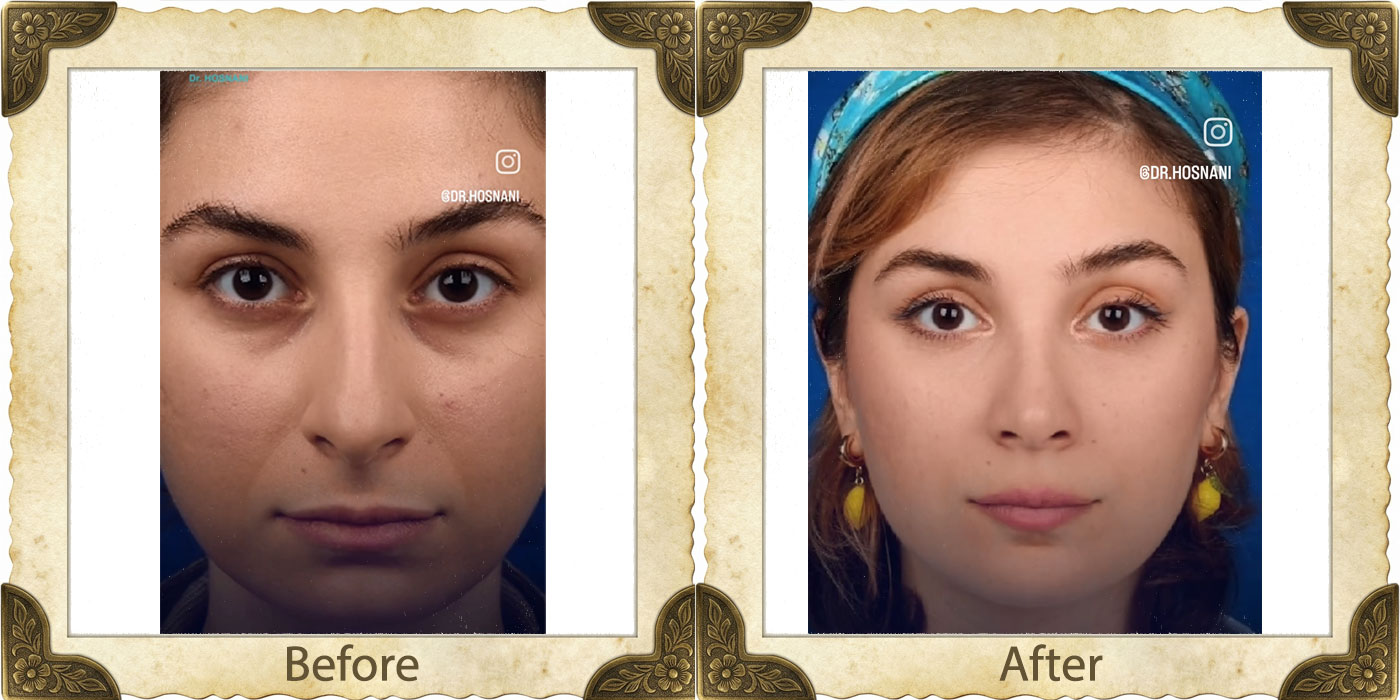
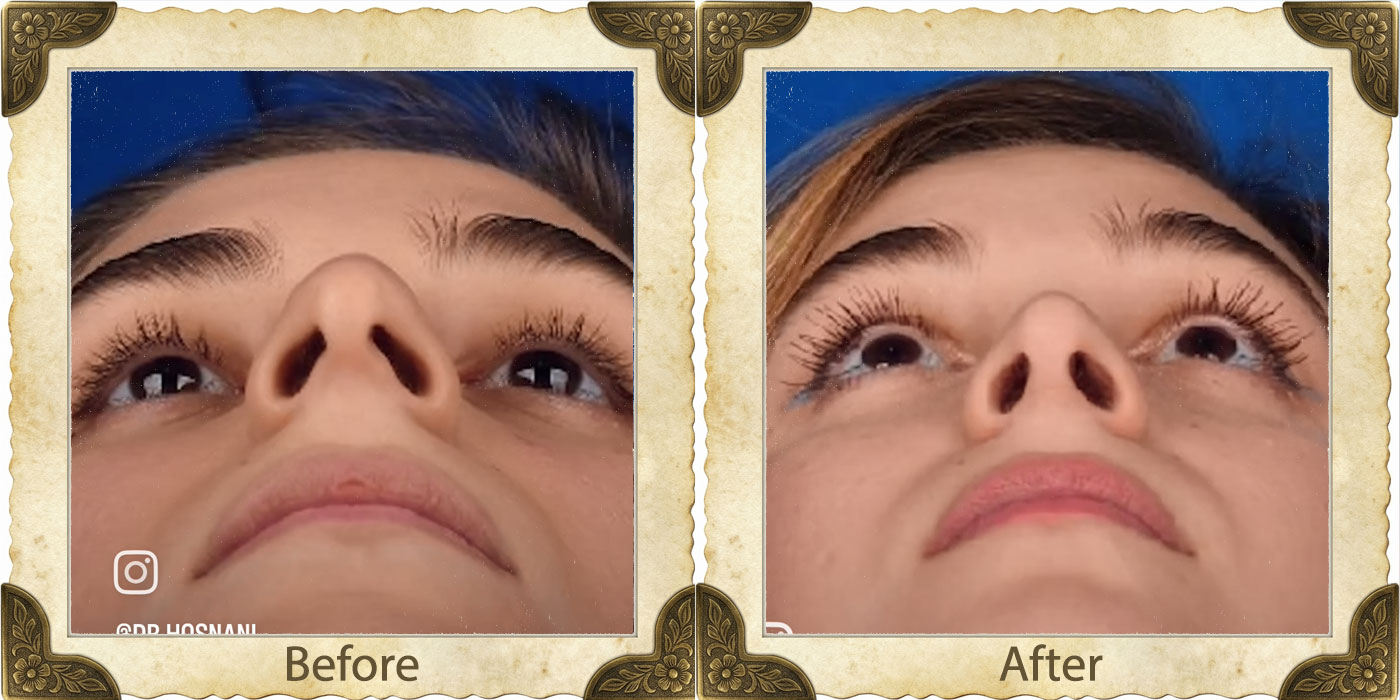
One of the aesthetic defects that makes people inclined toward nose surgery is nasal tip drooping, which in profile makes the nose appear too long, and in full frontal view gives the face an unassuming and somewhat melancholy state.If the nasal tip drooping is corrected, the face is given a prouder and more attractive state in the full frontal view, and in the profile and three-quarter views, the nasal length becomes more balanced. Of course, the degree of elevating the nasal tip must be performed within a specific and limited range; otherwise, it gives the nose a pig-like state that has no beautiful appearance at all.
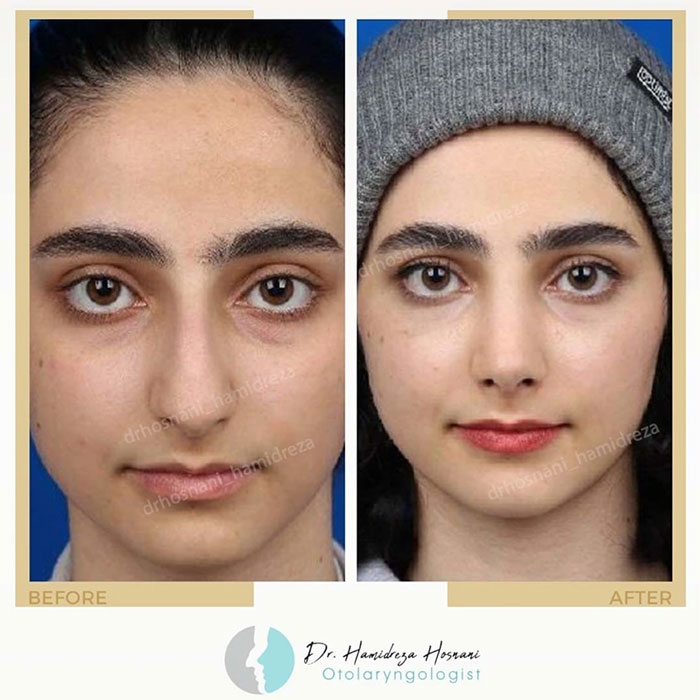
In modern methods, instead of shortening the nasal cartilages, auxiliary cartilages are grafted onto the tip cartilages that act as pillars, holding the nasal tip up and resisting gravity and the reparative processes of the nose. In these methods, not only is the nose not susceptible to damage, but it also becomes stronger and more robust; moreover, it is no longer necessary to raise the nasal tip more than required during surgery, and the surgical results will be more under the surgeon's control.
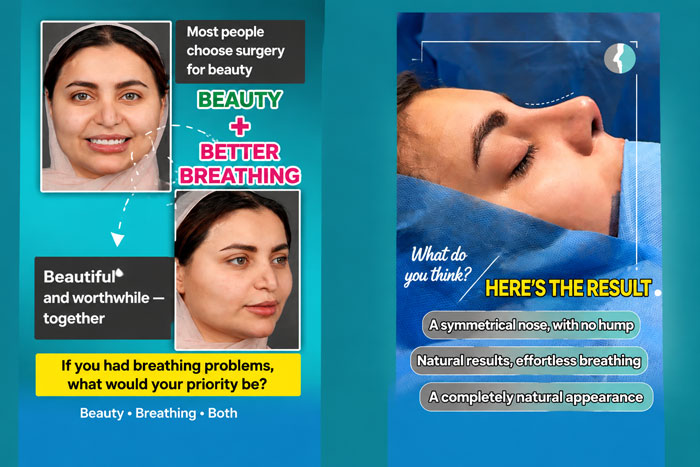
Video: Correcting Nasal Drooping
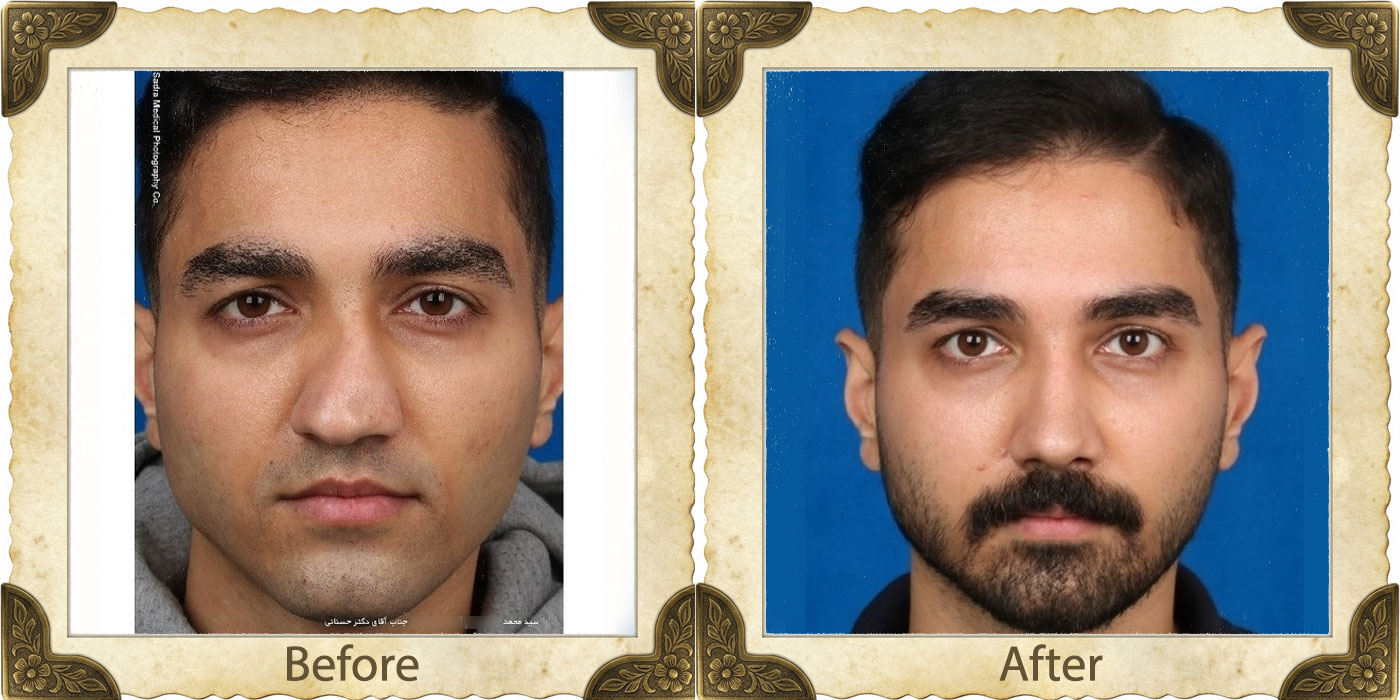
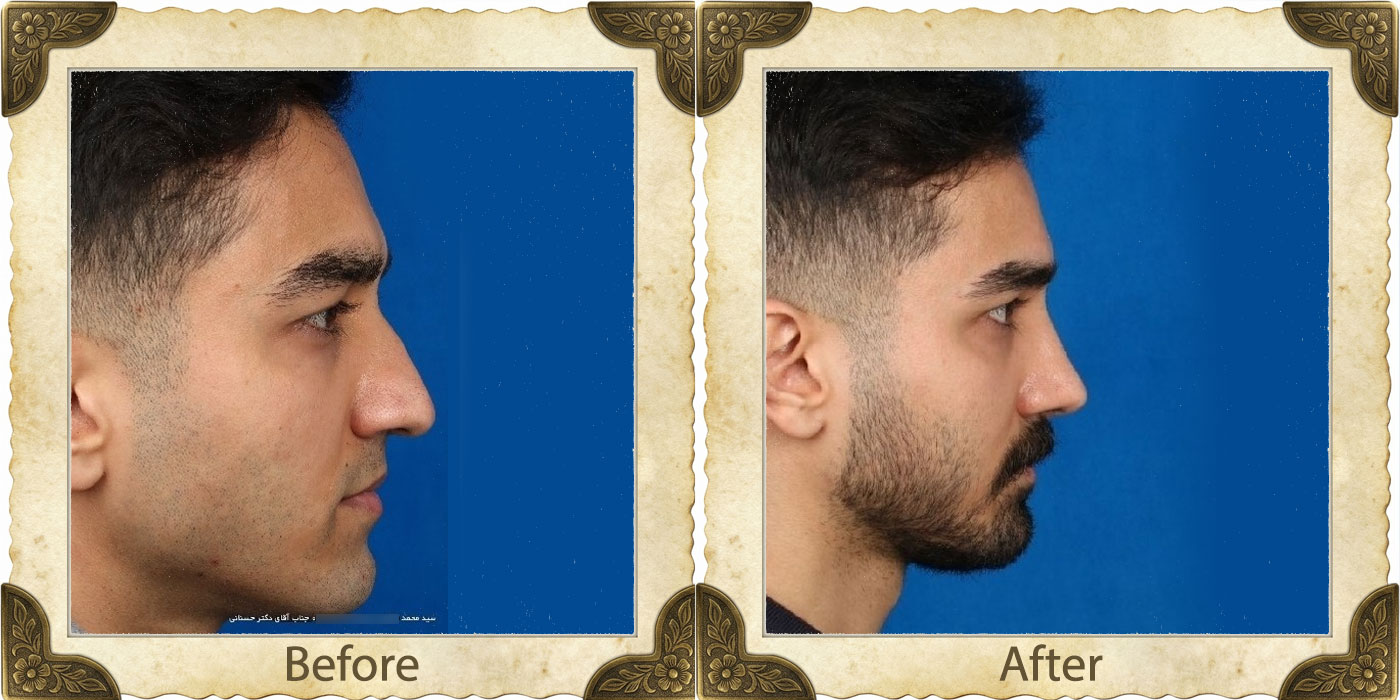
Many men before nose surgery are worried that their face might lose its natural state and that their nose might appear artificial or unnatural. In men's nose surgery, our focus is solely on resolving the defects and preserving the masculine state of the face. For example, in the case of this gentleman, only the hump on the nose was removed and the nasal tip drooping was carefully corrected so that the shape of the nose would be more in harmony with his face. Also, the nasal deviation in the full frontal view was resolved and the nasal tip returned to a natural state without drooping. The result of the surgery is a masculine, beautiful nose that is perfectly suited to his personality and facial features, and most importantly, the appearance of the nose is so natural that it is not at all apparent that he has had surgery.
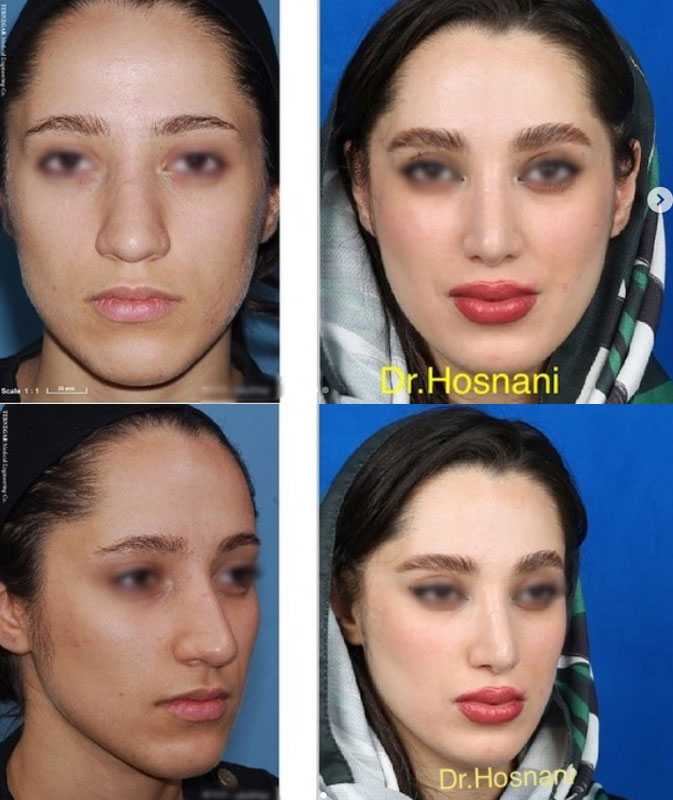
Before and After Gallery of Noses with Drooping