




ما هو ظهر الأنف (جسر الأنف)؟
الدكتور حميد رضا حسناني
أخصائي أنف وأذن وحنجرة | جراح تجميل الأنف في طهران | أخصائي جراحة الأنف
المسافة من جذر الأنف إلى طرف الأنف في المظهر الجانبي تسمى ظهر الأنف. في بعض الأفراد تكون هذه المنطقة بارزة، بينما في البعض الآخر قد تبدو منخفضة. بعض الناس لديهم حدبة في هذه المنطقة. من الناحية المثالية، يجب أن يكون للظهر انحناء خفيف في النساء ويكون مستقيمًا تقريبًا في الرجال.

الدكتور حميد رضا حسناني، اختصاصي جراحة الأنف.
The Nasal Dorsum: Definition and Aesthetic Relevance
What the Nasal Dorsum Is
The bridge of the nose, medically known as the nasal dorsum, is the portion of the nose that begins at the nasal root between the eyebrows and extends downward to the nasal tip. This region is one of the most influential anatomical elements in shaping the overall appearance of the nose, and it plays a particularly decisive role in the beauty of the face when viewed in profile.Why This Area Matters So Much
Even a subtle change in the height, smoothness, width, or curvature of the nasal dorsum can alter not only the appearance of the nose, but also the visual balance of the entire face. For that reason, refinement of this area is regarded as one of the most important components of rhinoplasty.According to Dr. Hosnani, the nasal bridge must be treated with exceptional precision, because even minor changes in this region can significantly influence facial harmony.
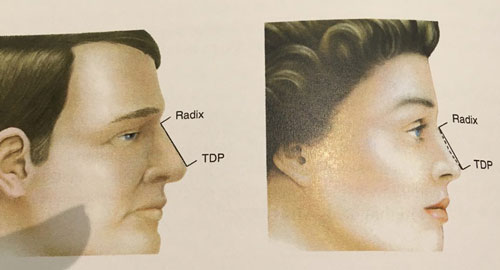
ظهر الأنف
Anatomy of the Nasal Dorsum
The Bony Upper Portion
Structurally, the upper part of the nasal dorsum is formed by the nasal bones. This segment lies closer to the forehead and has a firmer and more rigid framework. In many patients, a dorsal hump becomes most apparent in this bony region.The Cartilaginous Lower Portion
The middle and lower segments of the nasal bridge are composed primarily of cartilage. This area is naturally more flexible and is closely connected to the supporting structures of the nasal tip. A graceful and natural dorsal line depends on proper continuity between the bony and cartilaginous portions.From Dr. Hosnani’s perspective, an attractive nasal dorsum is not defined by one isolated part, but by the seamless transition between bone, cartilage, and tip support.
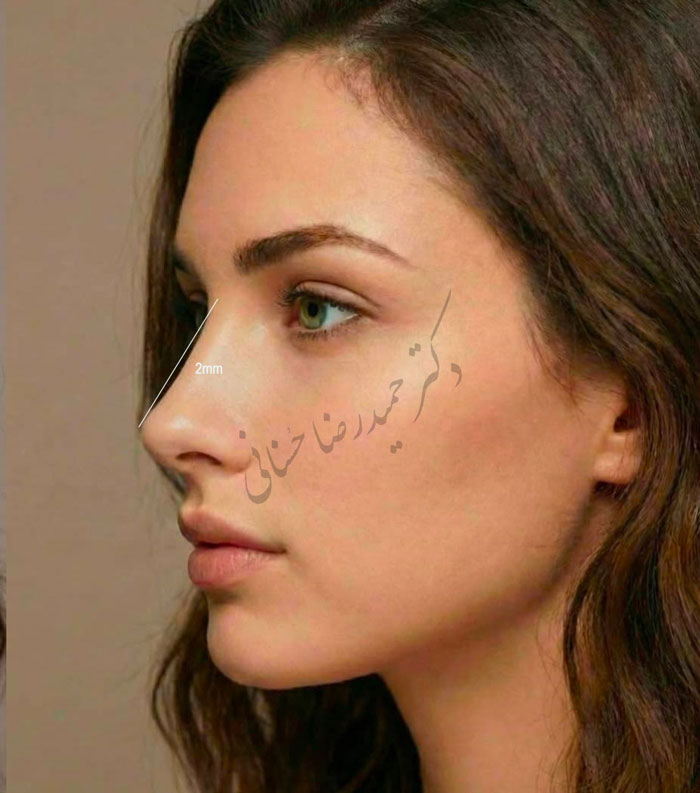
في تحليل جمال الوجه، تذكر القاعدة أن خط ظهر الأنف من الجانب يكون نحو 2 مم خلف الخط العمودي من الجبهة إلى الطرف، للمساعدة في تحقيق التوازن.
The Role of the Dorsum in Facial Beauty
Its Importance in Profile View
The nasal dorsum forms one of the most prominent aesthetic lines of the face. In profile view, this line begins near the forehead and continues toward the nasal tip. When this contour appears smooth, balanced, and proportionate, the nose is generally perceived as more elegant and natural.Its Importance in Frontal View
The dorsum is not only important in profile. In the frontal view, its width and symmetry strongly affect how refined or broad the nose appears. A well-proportioned bridge can make the nose look narrower, more symmetrical, and more harmonious with surrounding facial features.In Dr. Hosnani’s view, a beautiful nose should look balanced from every angle; a pleasing profile alone is not enough if the frontal appearance lacks symmetry and refinement.
Characteristics of an Attractive Nasal Dorsum
General Aesthetic Features
Although beauty must always be assessed in relation to the patient’s unique facial structure, the following features are commonly regarded as desirable:- A straight line or a very gentle and refined curve
- Absence of a visible hump or unnatural projection
- Appropriate width in proportion to the face
- Good symmetry on both sides of the nose
- Natural continuity with the forehead and nasal tip
Differences in Masculine and Feminine Preferences
In many male patients, a straighter dorsal line is often considered more attractive and appropriate. In some female patients, however, a very slight and tasteful curve may create a softer and more delicate appearance. The ideal form should always be selected in accordance with the patient’s anatomy, facial identity, and aesthetic goals.It is Dr. Hosnani’s professional opinion that the most successful dorsal contour is one that respects the patient’s natural facial character rather than imposing an artificial or exaggerated shape.
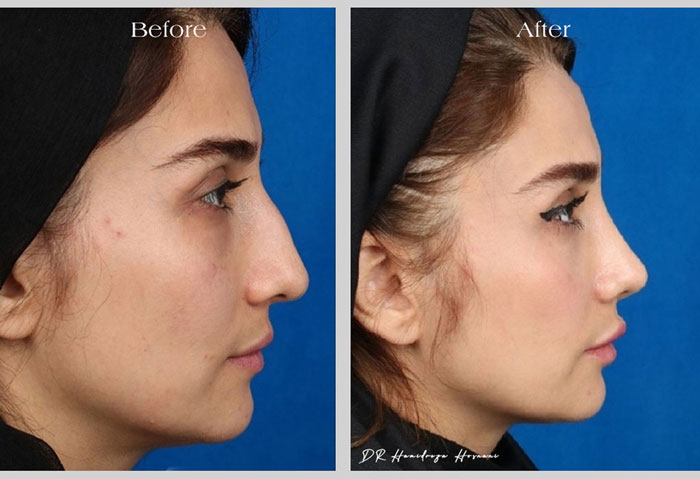
محتوى مرتبط بعملية الأنف وفق المصدر.
Common Problems of the Nasal Bridge
Dorsal Hump
One of the most common concerns involving the bridge of the nose is the presence of a dorsal hump. This prominence may be made of bone, cartilage, or a combination of both, and it often causes the nose to appear more projected and prominent in profile view.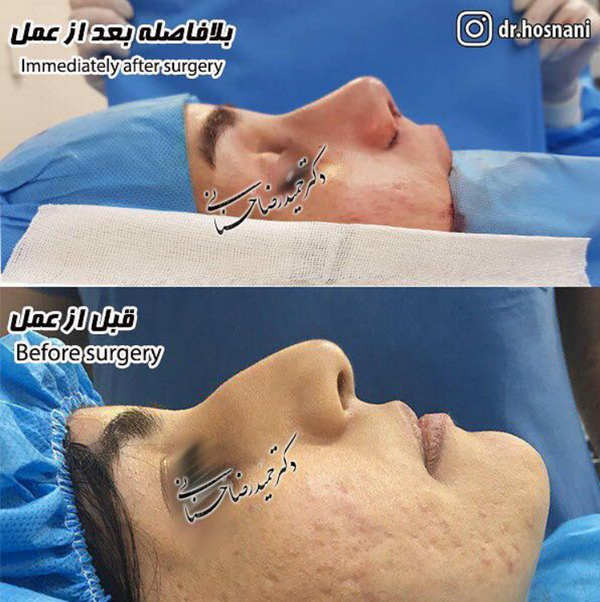
تقنية تقليل قاعدة جناحي الأنف مع إزالة حدبة الأنف
Excessive Width of the Dorsum
In some individuals, the nasal bones are naturally wide, making the bridge appear broad from the frontal view. This can reduce the visual delicacy of the nose and may affect overall facial balance.Dorsal Depression
In certain cases, the nasal bridge may appear sunken or hollow. This dorsal depression may be congenital, or it may develop after trauma, infection, or a previous nasal operation.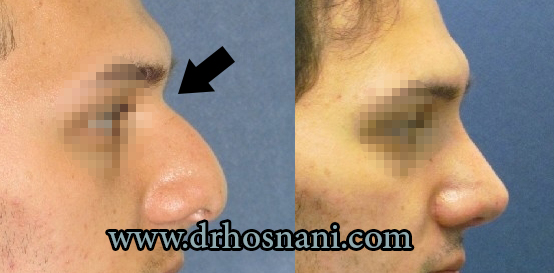
يمكن تصحيح الانخفاض بين الأنف والجبهة بالتزامن مع عملية الأنف.
Surface Irregularities
At times, the surface of the nasal dorsum is not completely smooth and may show minor bumps, asymmetries, or depressions. Such irregularities may arise after injury or may remain following prior surgery.Based on Dr. Hosnani’s clinical experience, irregularities of the nasal dorsum should be corrected with restraint and accuracy, because overcorrection can be just as undesirable as the original deformity.
The Role of Rhinoplasty in Correcting the Dorsum
Reducing a Hump and Narrowing the Bridge
Rhinoplasty can correct many of the structural and aesthetic problems of the nasal bridge. When a hump is present, the surgeon removes the excess bone or cartilage with refined instruments in order to create a smoother dorsal line. If the bridge is excessively wide, controlled osteotomies may be performed to narrow the nasal bones and improve proportion.Restoring Height in Sunken Areas
When the bridge is depressed or lacks sufficient projection, cartilage grafts may be used to restore contour and create proper dorsal height. This is especially important in revision rhinoplasty or in noses affected by trauma or previous over-resection.The Ultimate Surgical Goal
The principal goal in dorsal refinement is to create a natural and balanced line extending from the forehead to the tip of the nose. The bridge should neither appear excessively flat nor unnaturally sculpted, but should instead blend gracefully with the rest of the nose and face.Drawing on Dr. Hosnani’s extensive experience, successful dorsal surgery is not merely about removing a hump or adding height; it is about creating structural harmony that remains beautiful over time.
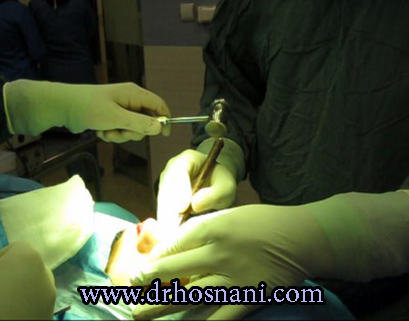
قطع العظم الجانبي مرحلة تستخدم لتعديل عرض الأنف وتحريك العظام الجانبية بصورة محكومة لتحسين الشكل والتناسق.
Essential Considerations in Dorsal Refinement
Maintaining Harmony with the Nasal Tip
During rhinoplasty, correction of the dorsum must always be coordinated with the other parts of the nose. If a hump is removed but the nasal tip is left untreated, the nose may appear droopy or disproportionate. A harmonious result requires careful balance between the bridge, the tip, and the surrounding facial structures.Avoiding Excessive Tissue Removal
Over-resection of bone or cartilage can produce an unnatural appearance and may even compromise structural integrity. For this reason, conservative judgment and precise planning are essential in dorsal surgery.The Importance of Overall Facial Balance
Experienced surgeons such as Dr. Hosnani approach dorsal refinement as part of a complete facial analysis rather than an isolated technical maneuver. The bridge of the nose must be evaluated in relation to the forehead, lips, chin, and nasal tip in order to achieve a result that looks both elegant and believable.Dr. Hosnani maintains that the finest rhinoplasty results are those in which the nasal dorsum appears naturally suited to the face, not surgically imposed upon it.
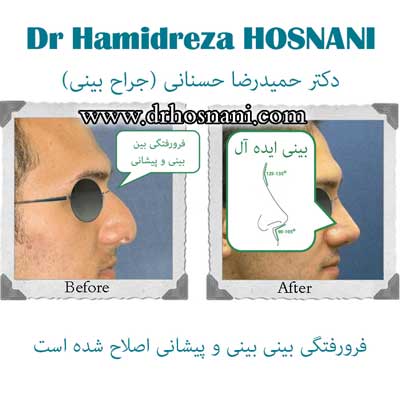
تم تصحيح الانخفاض بين الأنف والجبهة وأصبح الشكل أقرب إلى الأنف المثالي.