




مقدمة عن التخدير العام وأدويته
الدكتور حميد رضا حسناني
أخصائي أنف وأذن وحنجرة | جراح تجميل الأنف في طهران | أخصائي جراحة الأنف
كثير من الناس يخافون من التخدير وبالتالي يتجنبون عملية تجميل الأنف. يعود جذر هذا القلق على الأرجح إلى الماضي، عندما كانت تُستخدم أدوية تخدير ذات مستويات خطر أعلى ويمكن أن تسبب مضاعفات.
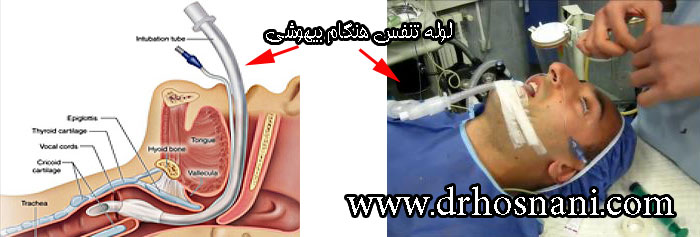
أنبوب التنفس أثناء التخدير.
Why Anesthesia Causes Anxiety
Anesthesia is one of the major concerns for many people who request a consultation from Dr. Hosnani before rhinoplasty. This fear is usually not based on the actual procedure itself, but rather on common assumptions and widespread beliefs about anesthesia. A number of patients express worries in very different ways. Some are concerned about its effect on memory. Others, having previously undergone surgery under anesthesia, recall feeling weak for days afterward. Some postpone surgery for years because of the fear of anesthesia, while a few even say they are afraid of not waking up from the operation.
قبل العملية، يتحدث معك طبيب التخدير ويطرح عليك بعض الأسئلة.
In Dr. Hosnani’s view, most anxiety about anesthesia comes from outdated impressions rather than from current medical reality.
Where Do These Concerns Come From?
Historical Roots of Fear
The origin of these concerns likely goes back to the past. In not-so-distant years, anesthetic agents with a higher risk profile were used, and they could cause complications. However, with the progress of medical science and the remarkable advances achieved in anesthesiology, those older medications have now been phased out.Modern Anesthetic Safety
Today, a new generation of anesthetic drugs is available, and these medications have an excellent safety profile.
أدوية التخدير.
According to Dr. Hosnani, modern anesthesia is far safer than the outdated public perception suggests.
Safe and Reliable Anesthesia
Continuous Monitoring
In addition to low-complication, advanced medications, modern operating rooms are equipped with multiple monitoring devices that display the patient’s vital signs moment by moment during surgery. Experienced medical staff also remain in continuous attendance throughout the anesthetic process.What Patients Should Remember
Anesthesia is now considered a highly controlled and safe medical process. If you follow a few key instructions, which are taught briefly in the video below and explained in detail on Dr. Hosnani’s website, you can expect not only safe anesthesia but also a smoother recovery with fewer minor side effects such as nausea.
Based on Dr. Hosnani’s clinical experience, careful preparation before surgery plays a major role in reducing even mild post-anesthesia discomfort.
Instructions to Follow Before Anesthesia
Fasting Before Surgery
Do not eat anything for 8 hours before surgery so that your stomach is completely empty. During anesthesia, if there is food in the stomach, stomach contents may return and enter the airway. Although a plastic tube in the trachea during surgery reduces this risk, the danger still remains if the stomach is not empty.Do Not Overeat Right Before Surgery
You should also know that you are not supposed to eat and drink as much as possible 7 hours and 59 minutes before surgery in order to “make up for” fasting. That would defeat the purpose of being fasting, which is to keep the stomach empty. The best approach is to eat a normal dinner the night before surgery and arrive fasting on the morning of the operation.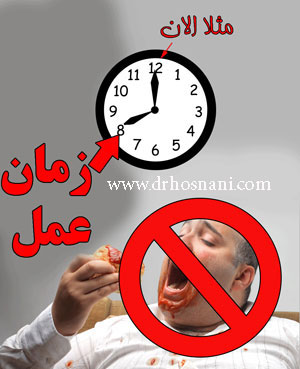
لا تتناول عشاءً كبيرًا في الليلة السابقة للعملية حتى تكون المعدة فارغة أثناء الجراحة.
Inform the Doctor Honestly
During your preoperative visits, openly share any underlying medical conditions, the medicines you take, and habits such as smoking or alcohol consumption with your doctor. The anesthetic plan for the day of surgery is designed by the physician with all of these factors in mind.Smoking and Surgery
If you smoke, stop smoking at least 2 weeks before surgery. The longer you stop before the operation, the better. Smoking reduces blood oxygen levels and increases the risk of breathing problems during surgery. One of the parameters closely monitored during surgery is the amount of oxygen in the blood.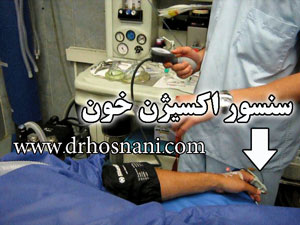
أدوات ومعدات مرتبطة بجراحة الأنف والتخدير.
Drawing on Dr. Hosnani’s extensive experience, smoking cessation before surgery is one of the simplest ways to support a safer anesthetic course.
Welcome to the Operating Room
Getting Positioned for Surgery
Before surgery begins, you will be asked to lie down on the operating table. The anesthesiologist will then come to your side and take a brief medical history. Usually, before anesthesia starts, you will also see Dr. Hosnani once more so that you can review your desired nasal shape and discuss your expectations again.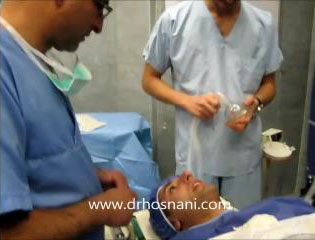
حديث المريض مع طبيب التخدير قبل العملية
Meeting the Team
At this stage, your questions can be clarified, and the surgical and anesthetic team can make sure everything is prepared properly.Injection of the Anesthetic Medication
How the IV Line Is Placed
First, a thin soft plastic catheter is inserted into your vein with the help of a metal needle. The metal needle is then removed, and the delicate plastic tube, equipped with a one-way valve, remains inside the vein. This valve prevents blood from coming out of the vein and stops the injected fluid from flowing backward.What You May Feel
The insertion of the needle into the skin of the hand or forearm may be slightly painful. However, after the metal needle is removed, the plastic tube left inside the vein should not cause pain.Reducing the Discomfort
To reduce the mild pain caused by the needle insertion, you may apply Emla numbing cream, which contains lidocaine, to the back of your left hand one or two hours before surgery.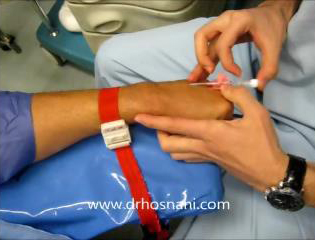
تدخل أدوية التخدير إلى جسمك باستخدام إبرة تسمى القنية الوريدية.
It is Dr. Hosnani’s professional opinion that proper IV access is not only practical but also helpful in maintaining continuity of care throughout the procedure.
Why the IV Line Matters
This way, before, during, or even after surgery, any serum or other fluid you may need can be administered without another venous puncture. Anesthetic drugs, painkillers, muscle relaxants, sedatives, antibiotics, IV fluids, and even blood if needed, though rarely, may all be given through this narrow route depending on your vital signs. The plastic catheter is firmly secured to the skin with adhesive tape so that it does not come out of the vein.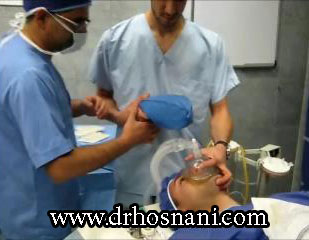
خطوات الاستعداد للتخدير قبل بدء الجراحة وفق المصدر.
Oxygen Before the Anesthetic
Before the anesthetic medication is injected, an oxygen mask is placed over your nose and mouth so that you can breathe for a few seconds and your blood oxygen level can rise somewhat.Falling into Deep Sleep
A few minutes after the anesthetic drug enters your body, you gradually fall into a deep sleep that is very different from ordinary sleep. Normal sleep can be interrupted by a loud sound, a blow, or any other stimulus, but when you are under anesthesia you feel no pain, hear no sound, and nothing wakes you up. This state of anesthesia and pain relief continues as long as the anesthetic drugs are being administered.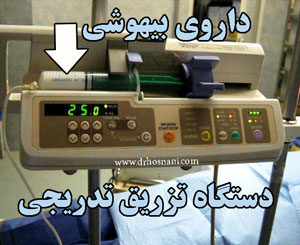
تستخدم مضخات التسريب لإعطاء أدوية التخدير والتهدئة بمعدل مضبوط والحفاظ على مستوى التخدير بصورة منتظمة.
Breathing During Anesthesia
Why a Breathing Tube Is Needed
During anesthesia, your muscles cannot keep the airway open, and you are not in control of your own breathing. For this reason, before surgery begins, a soft plastic tube is gently inserted into the trachea and connected to a ventilator so that the body’s oxygen requirements can be provided in a controlled manner.
أنبوب التنفس أثناء التخدير.
Controlled Ventilation
This helps the anesthetic team manage breathing safely and maintain the right level of oxygen throughout the operation.Monitoring the Patient’s Vital Signs During Anesthesia
Continuous Observation
When you are asleep, a metal clip is attached to one of your fingers or toes to measure blood oxygen levels. A blood pressure cuff is placed on your arm and your blood pressure is measured every few minutes during surgery. Special adhesive leads are placed on your chest and connected to an ECG monitor, which displays your heart tracing for the surgeon during the procedure.Additional Parameters
In addition to these, body temperature, heart rate, respiratory rate, the amount of carbon dioxide in exhaled air, and brain activity are carefully monitored by the anesthetic and surgical teams using advanced operating room equipment. These values are displayed on screens in real time and recorded continuously.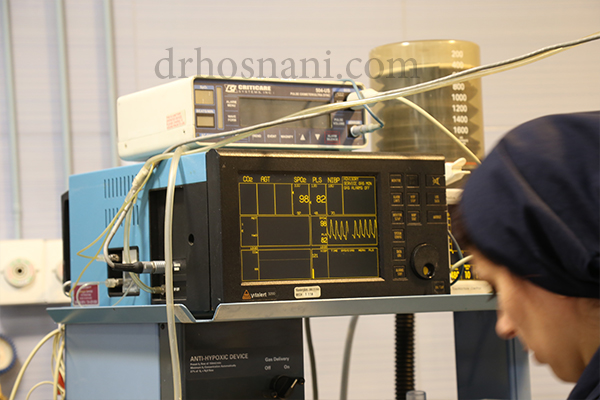
تتم مراقبة العلامات الحيوية للمريض بواسطة جهاز المراقبة.
From Dr. Hosnani’s perspective, modern monitoring has transformed anesthesia into a highly controlled and responsive medical process.
Recovery: Waking Up
The Recovery Room
When you wake up, you are in the recovery room. An IV line is still attached, and a plastic nasal splint and sterile gauze are placed under your nose. You are monitored there for several minutes until you regain full consciousness.What You May Feel After Waking
Usually, you may feel a mild sore throat similar to what you might experience during a common cold. This happens because of the plastic tube that was in your throat during surgery. This mild discomfort usually resolves within a few hours, or at most within one or two days.
غرفة الإفاقة هي المكان الذي يُراقب فيه المريض بعد التخدير حتى يستعيد وعيه وتستقر علاماته الحيوية.
Discharge from the Clinic
After Recovery
After your time in the recovery room is complete, you are transferred to the ward and remain there for a few hours until discharge.Tampon Removal
Usually, the nasal packing is removed at the time of discharge. However, if the doctor considers it appropriate, removal may be postponed until the next day.Final Steps Before Leaving
Finally, the IV line is disconnected and the plastic needle is removed from the vein. You will be given a bowl of soup to eat. If everything is fine, you will be discharged from the clinic. Be sure to have at least one companion with you at discharge, because driving after surgery is absolutely prohibited.Experienced surgeons such as Dr. Hosnani emphasize that safe discharge depends not only on the operation itself, but also on proper recovery and responsible aftercare.
Introducing Anesthetic Medications
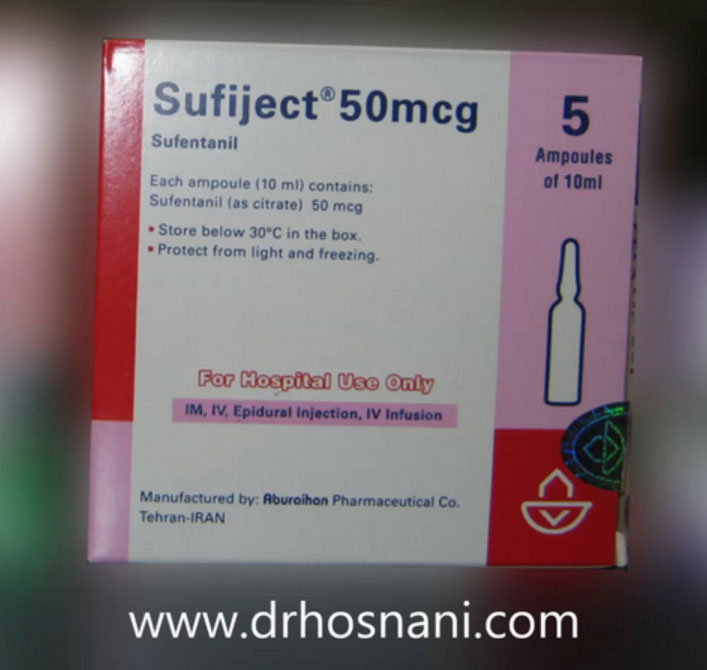
سوفنتانيل أفيوني قوي يستخدم في التخدير العام والسيطرة على الألم ويتطلب ضبط الجرعة ومراقبة التنفس.
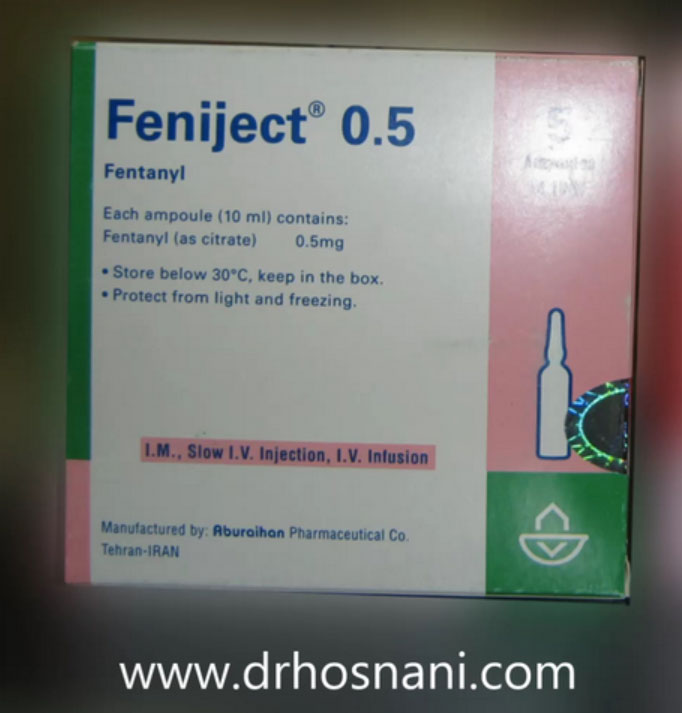
فنتانيل مسكن أفيوني قوي يستخدم في التخدير العام لتقليل الألم ودعم استقرار عمق التخدير ويتطلب مراقبة دقيقة.

يستخدم الأكسجين كجزء من رعاية المريض أثناء التخدير.
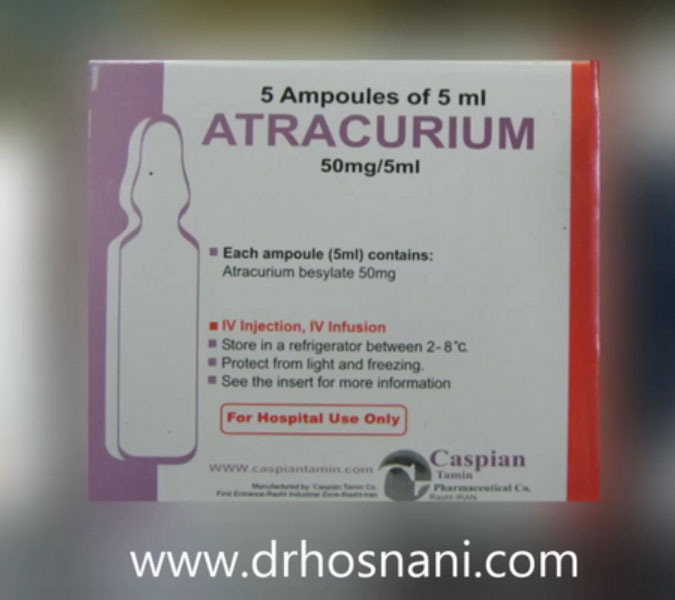
يصف المصدر استخدام التخدير العام ومراقبة المريض خلال الجراحة.
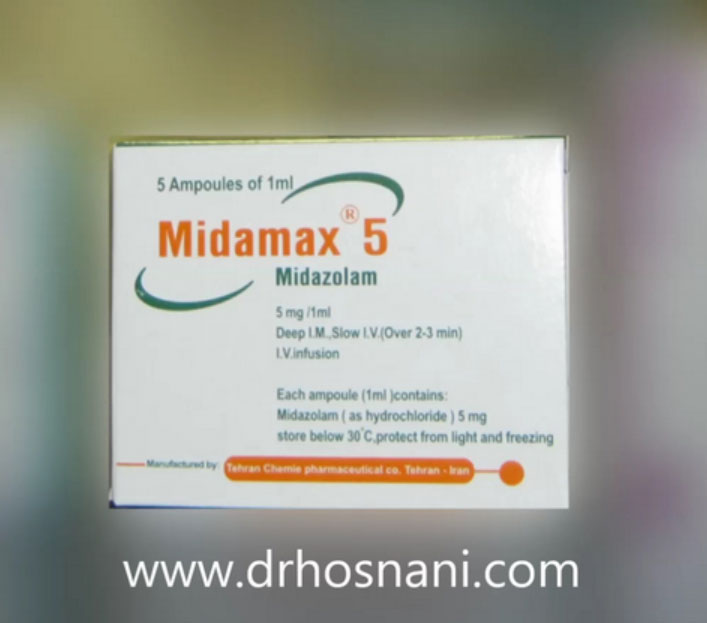
ميدازولام من البنزوديازيبينات ويستخدم للتهدئة وتقليل القلق وإحداث النعاس وفقدان ذاكرة مؤقت تحت إشراف التخدير.
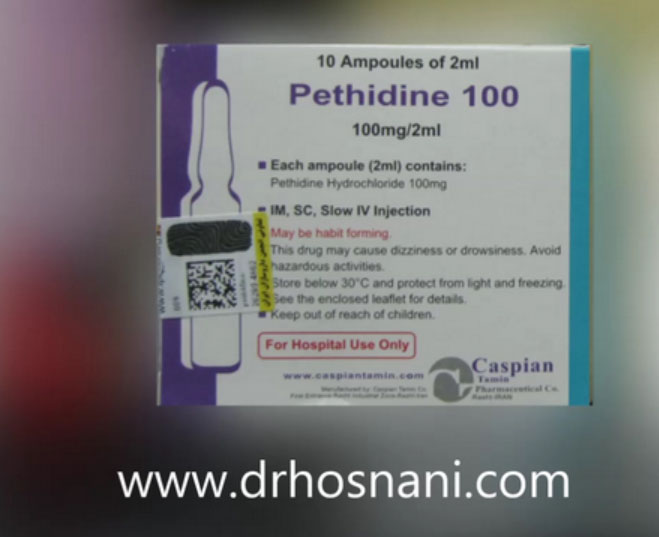
البيثيدين أو الميبيريدين دواء أفيوني يستخدم لتسكين الألم وفي سياق التخدير، ويؤثر في مستقبلات الأفيون في الدماغ والحبل الشوكي.
According to findings from Dr. Hosnani’s research, patient education before anesthesia can significantly reduce fear and improve cooperation.