




Что такое назальный тампон?
Доктор Хамидреза Хоснани
Врач-оториноларинголог | Хирург по ринопластике в Тегеране | Специалист по операции на носе
Доктор Хоснани не использует назальные тампоны. В прошлом для ремонта внутренних носовых разрезов использовались объёмные повязки, называемые назальными тампонами. Они были неудобны для пациентов, и их удаление было болезненным. К счастью, благодаря современным хирургическим техникам назальные тампоны больше не нужны. В более новых техниках доктора Хоснани вместо них используются моющиеся пластиковые трубки, называемые ретрайнерами для ноздрей.
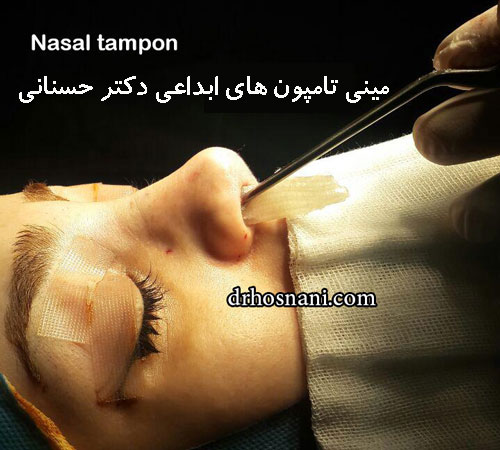
Instead of tampons, Dr. Hosnani uses washable plastic tubes called nostril retainers.
Тампоны по сути представляли собой медицинские марлевые турунды, пропитанные мазью, которые устанавливались с обеих сторон перегородки носа, внутрь каждой ноздри.
Эти тампоны оказывали мягкое давление на перегородку, помогая удерживать её прямой, а также контролируя кровотечение. Однако с развитием современных хирургических техник использование носовых тампонов обычно больше не требуется. Сегодня перегородку можно выпрямить и стабилизировать таким образом, который не требует внутренней тампонады.
Кроме того, повышенная точность сшивания слизистых слоёв перегородки значительно снизила вероятность послеоперационного кровотечения. По этой причине носовые тампоны сейчас используются редко и, как правило, не рекомендуются. В своей практике я также не использую тампоны.
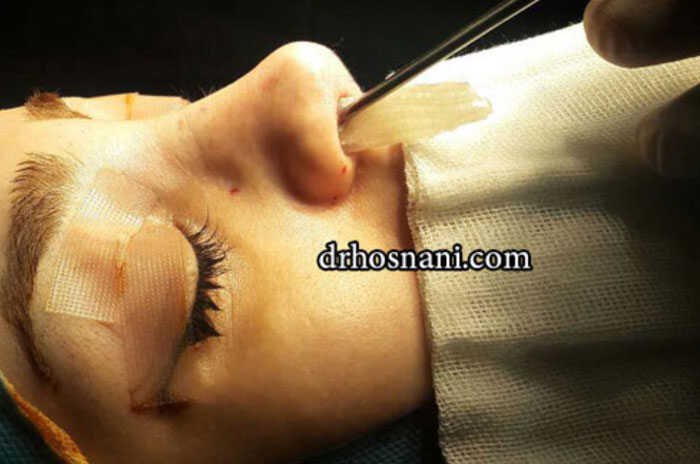
Альтернативы носовым тампонам
В настоящее время вместо носовых тампонов часто используется устройство, называемое ноздревым ретейнером.Оно состоит из двух небольших трубочек, соединённых между собой.
Эти трубочки помещаются внутрь ноздрей.
Они моющиеся, поэтому пациент может регулярно извлекать их, очищать и снова помещать в нос.
Благодаря трубчатой структуре они позволяют пациенту дышать через нос.
После операции ретейнер обычно оставляют в носу примерно на одну неделю.
При желании его иногда можно использовать более двух недель.
Видео: Почему доктор Хоснани больше не использует традиционные носовые тампоны

Описание видео
В этом видео доктор Хоснани объясняет, почему традиционные носовые тампоны больше не нужны при современной ринопластике. В прошлом длинные марлевые тампоны помещались внутрь носа для поддержания формы после операции. Однако с помощью новых методик кости и хрящи носа можно стабилизировать с гораздо большей точностью. В результате пациентам больше не нужно беспокоиться о дискомфорте от носовых тампонов старого образца.