




Небольшая коррекция носа
Доктор Хамидреза Хоснани
Врач-оториноларинголог | Хирург по ринопластике в Тегеране | Специалист по операции на носе
Ринопластика, как и любая другая косметическая процедура, — это точный и художественный процесс, окончательный результат которого обычно полностью проявляется примерно через один год. В течение этого времени отёк постепенно спадает, ткань носа формируется, и вырисовывается окончательная форма носа. Однако иногда после этого периода остаются небольшие дефекты или лёгкие изменения формы носа, которые может заметить пациент или даже хирург. В таких обстоятельствах обычно не требуется полная повторная операция; скорее, эти дефекты можно исправить наиболее простым и безопасным способом с помощью небольшой коррекции носа.
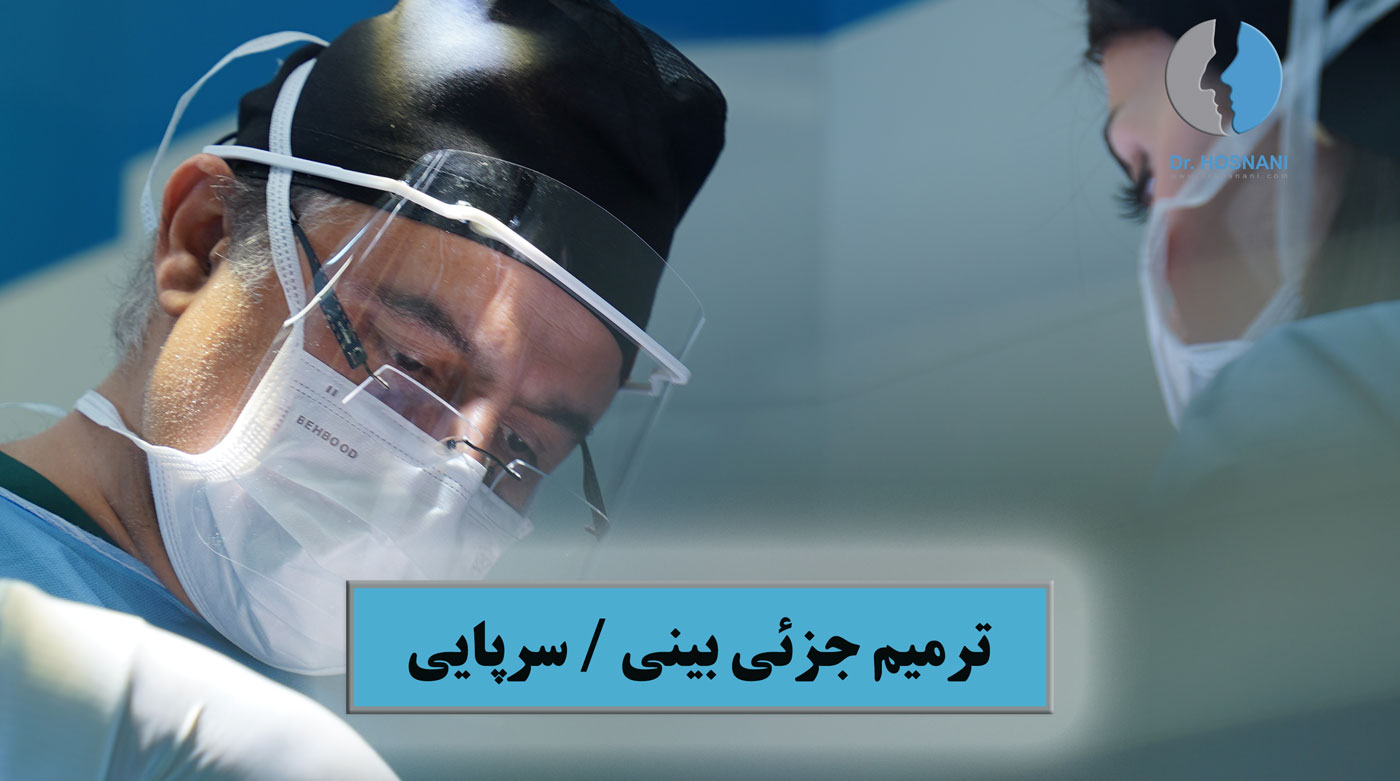
Minor outpatient nasal revision is usually performed to correct small irregularities, mild bumps, superficial depressions, or limited nasal tip problems. Because extensive structural changes are not required, it can often be performed without full general anesthesia and instead under local anesthesia in a clinic setting. This type of revision has a shorter recovery period and the results become visible more quickly. According to Dr. Hamidreza Hosnani’s video explanations, this procedure is only suitable for patients whose original surgery was performed by him and at least one year has passed since that operation.
Когда нужна малая коррекция носа?
Малая коррекция обычно выполняется для исправления небольших и малозаметных проблем, включая:□ Неровности поверхности носа
□ Небольшие бугорки, оставшиеся после операции
□ Легкую асимметрию ноздрей
□ Небольшие изменения, необходимые в области кончика носа
□ Коррекцию небольшого западения или выступа вдоль спинки носа
Эти проблемы обычно существенно отличаются от исходной операции и не требуют полной реконструкции структуры носа. Вместо этого ограниченная коррекция может улучшить результат операции и приблизить его к идеальному результату.
Лучшее время для малой коррекции носа
Одним из наиболее важных моментов при малой коррекции носа является время.Обычно рекомендуется подождать не менее одного года после первичной ринопластики, прежде чем рассматривать коррекцию. Причина в том, что пока отек полностью не прошел и внутренние ткани полностью не зажили, трудно точно оценить окончательный результат.
Если коррекция выполнена раньше, ткани могут быть еще мягкими, отечными или нестабильными, что может привести к менее предсказуемым результатам.
Как выполняется малая коррекция носа
Малые коррекции обычно легче и менее инвазивны по сравнению с исходной операцией. Во многих случаях эти коррекции:◆ Выполняются в операционной под местной анестезией или легкой общей анестезией
◆ Занимают более короткое время (обычно от 30 до 60 минут)
◆ Имеют гораздо более короткий период восстановления
◆ Не требуют ночной госпитализации
Однако все равно важно, чтобы процедура выполнялась в стерильных условиях операционной, чтобы минимизировать риск инфекции или других осложнений.
Кто должен выполнять коррекцию?
Лучший человек для выполнения малой коррекции носа — это обычно ваш исходный хирург.Это связано с тем, что исходный хирург уже знаком со структурой носа, использованной хирургической техникой и точными изменениями, внесенными во время первой операции. В результате он может выполнить необходимые коррекции с большей точностью и минимальной дополнительной травматизацией.
Если коррекция выполняется другим хирургом, она, как правило, больше не считается малой коррекцией. Вместо этого она становится формой повторной ринопластики.
Этот тип операции обычно более сложен и может потребовать реконструкции структур носа с использованием хряща из уха или реберного хряща.
Послеоперационный уход после малой коррекции носа
Хотя этот тип операции легче, чем первичная ринопластика, правильный послеоперационный уход все равно очень важен. Он включает:◆ Избегание давления на нос в течение нескольких недель
◆ Регулярное использование тейпирования носа согласно указаниям хирурга
◆ Отказ от тяжелых физических нагрузок в течение первого месяца
◆ Терпение в ожидании окончательного результата, который обычно становится ясен через несколько месяцев

Minor revision rhinoplasty is a type of secondary surgery performed to correct small imperfections that remain after the initial operation. Unlike full revision rhinoplasty, this method does not involve extensive changes to the nasal structure and usually aims to correct issues such as slight nostril asymmetry, a small bump or depression on the nasal bridge, or subtle changes in the nasal tip. This surgery is lighter and has a shorter recovery period, and in many cases it can even be performed as an outpatient procedure or under local anesthesia. Minor revision rhinoplasty helps the patient achieve a more natural and harmonious result with minimal surgical intervention.