




التمخط بعد تجميل الأنف
الدكتور حميد رضا حسناني
أخصائي أنف وأذن وحنجرة | جراح تجميل الأنف في طهران | أخصائي جراحة الأنف
بعد عملية تجميل الأنف، لا يجب أن تنفخ أنفك لمدة ثلاثة أسابيع أو حتى شهر. نفخ الأنف يضع ضغطًا كبيرًا على أنسجة الأنف وقد يتسبب في تمزق الغرز. خلال الأسابيع الثلاثة الأولى، تكون الأغشية المخاطية للأنف متماسكة بشكل أساسي بواسطة الغرز، لذا قد يؤدي نفخ الأنف إلى انفصالها. بعد ثلاثة أسابيع — ويفضل بعد شهر — يكون نفخ الأنف آمنًا عادةً، لكن من الأفضل مع ذلك القيام به بلطف.

يمنع النص التمخط لنحو ثلاثة أسابيع بعد العملية لتجنب الضغط والنزيف أو أذية الأنسجة الداخلية.
Why Is Nose Blowing Dangerous After Rhinoplasty?
1. Increased Pressure Inside the NoseBlowing the nose creates significant pressure inside the nasal passages. During the first days after surgery, the nose contains:
◆ Internal sutures
◆ Swollen tissues
◆ Repositioned cartilage
◆ Healing tissues
This pressure can potentially damage these delicate structures.
2. Risk of Bleeding
Blowing the nose may lead to:
⚠ Reopening of healing blood vessels
⚠ Increased swelling
⚠ Sudden nosebleeds
Postoperative bleeding may disrupt the healing process.
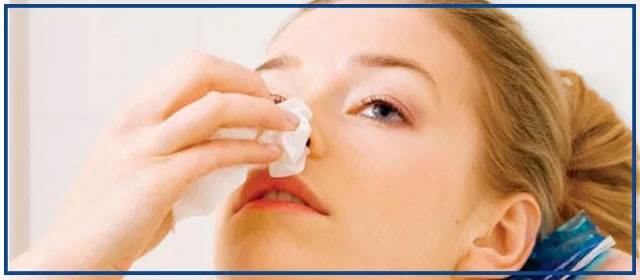
نتيجة طبيعية لجراحة الأنف وفق المصدر.
In many rhinoplasty procedures, cartilage or structural grafts are placed in the nasal tip or bridge. Forceful nose blowing may potentially displace these grafts.
4. Increased Swelling and Longer Recovery
The pressure caused by nose blowing can worsen internal swelling and prolong the recovery period.
How Long Should You Avoid Blowing Your Nose After Rhinoplasty?
The exact timing may vary depending on the type of surgery and the surgeon’s recommendations, but general guidelines are as follows:First Week to Day 10:
❌ Nose blowing is completely prohibited.
During this period, the splint and internal sutures are still present, and blowing the nose can be risky.
Week 2 to Week 4:
⚠️ It is still better to avoid blowing your nose.
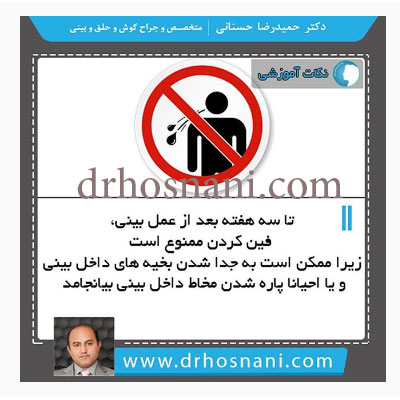
يُمنع التمخط ثلاثة أسابيع بعد العملية لأنه قد يفصل الغرز الداخلية أو يمزق الغشاء المخاطي.
1 to 2 Months After Surgery:
✔️ Gentle nose blowing is usually allowed.
However, forceful blowing should still be avoided.
2 to 3 Months After Surgery:
✔️ Most patients can usually blow their nose normally again.
The only rule: avoid excessive pressure.
How to Clean the Nose Without Blowing It
1. Saline Nasal IrrigationThis is the safest and most recommended method.
Saline rinsing:
Softens crusts
Helps remove secretions
Prevents unpleasant odor and congestion
It is usually started on the second or third day after surgery according to the surgeon’s instructions.
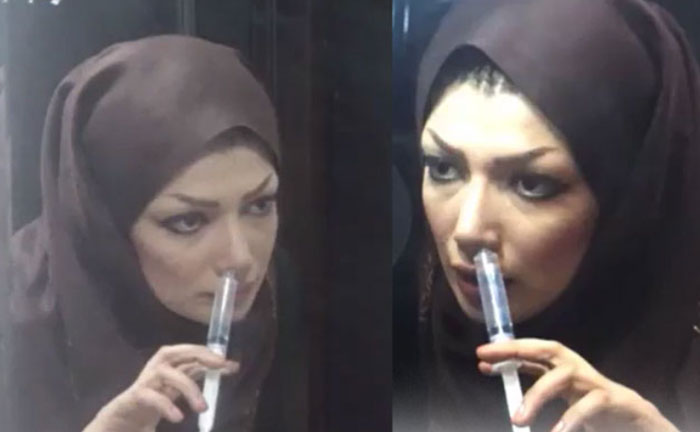
مثال على جراحة الأنف لدى الدكتور حسناني.
If discharge comes out of the nose:
Simply wipe it gently with a tissue
Without blowing or applying pressure
3. Warm Steam
Steam can help thin nasal secretions and make breathing easier.
4. Avoid Dry or Polluted Environments
Dry air increases crust formation and nasal congestion, which may increase the urge to blow the nose.
When Is Nose Blowing Especially Dangerous?
You should absolutely avoid nose blowing in the following situations:⛔ Active bleeding or blood clots inside the nose
⛔ Feeling strong pressure inside the nose
⛔ Presence of multiple structural grafts
⛔ Revision rhinoplasty or complex surgeries
⛔ History of repeated postoperative bleeding
In these cases, nose blowing may negatively affect the final surgical result.
Possible Complications of Forceful Nose Blowing
❌ Nosebleeds❌ Opening of internal sutures
❌ Displacement of cartilage or grafts
❌ Increased swelling
❌ Nasal asymmetry
❌ Negative changes in the nasal tip or bridge
❌ Possible need for revision surgery
Although these complications are uncommon, forceful nose blowing during the early weeks after surgery can increase the risk.