



العناية بعد جراحة تجميل الأنف
الدكتور حميد رضا حسناني
أخصائي أنف وأذن وحنجرة | جراح تجميل الأنف في طهران | أخصائي جراحة الأنف
الرعاية بعد العملية بعد جراحة الأنف التجميلية أو البلاستيكية. يرجى قراءة التوصيات التالية بعناية واتباعها بعد عملية تجميل الأنف لتحقيق أفضل النتائج الممكنة.
إرشادات العناية بعد عملية الأنف - اقرأها بعناية.
Symptoms That Require Immediate Contact With Your Doctor
If you notice any of the following symptoms, contact your doctor through the clinic as soon as possible:◆ Bleeding from the nose (other than mild blood‑tinged discharge)
◆ Fever higher than 38.5°C
◆ Repeated nausea or vomiting
◆ Severe diarrhea
◆ Feeling unusually dizzy or weak
◆ Severe pain in the nasal area
◆ Shortness of breath
◆ Rapid heartbeat or fast breathing
◆ Appearance of widespread small skin rashes on the body
Resting and Sleeping Position
During the first week after surgery:
When resting or sleeping, keep your head higher than your body.Use two or more pillows to support your head.
This position helps reduce swelling and prevents bleeding.

محتوى مرتبط بجراحة الأنف وفق المصدر.
Using Cold Compress
To reduce swelling and bruising:Use cold compresses for up to 72 hours after surgery.
Place the compress on the cheeks, around the eyes, and over the nasal splint.
Avoid applying pressure directly on the nose.
Swelling and bruising usually reach their peak on the second or third day, which is completely normal.

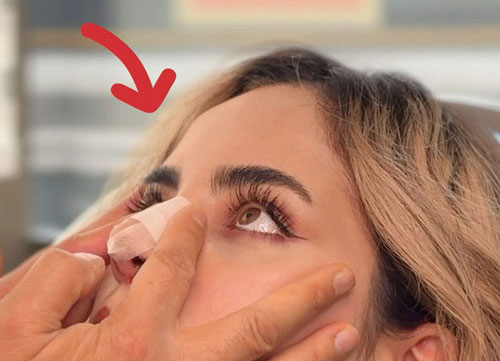
الكمادات الباردة مفيدة لتسريع تحسن الكدمات حول العينين.
Medications
Pain Reliever
If you feel pain:Take Acetaminophen 500 mg every 4 to 6 hours.
Avoid taking acetaminophen together with alcohol.
Anti‑Anxiety Medication
If you feel anxious:Take Xanax 0.5 mg every 8 hours for 24 to 48 hours.
Do not use other sleeping medications at the same time.
Nutrition After Surgery
About 4 hours after surgery, you can start drinking liquids and eating soft foods.From the next day, soft regular foods are usually allowed.
For two weeks, avoid hard foods that require strong biting or chewing, such as:
◆ Apples
◆ Carrots
◆ Corn
محتوى متعلق بالدكتور حسناني وجراحة الأنف وفق المصدر.
Nasal Discharge After Surgery
For 3 to 4 days after surgery, you may have light bloody discharge, which is normal.Change the gauze placed under the nose with sterile gauze.
If you notice bright red bleeding, inform your doctor.
Avoid touching the stitches with tissues or non‑sterile tools.
Once the discharge stops, the gauze under the nose can be removed.

الإفرازات الدموية لعدة أيام طبيعية ويستخدم الشاش لامتصاصها حتى تتوقف.
Sneezing and Blowing the Nose
To prevent bleeding:Do not blow your nose for 3 weeks after surgery.
If you need to sneeze, do so with your mouth open.
بعد جراحة الأنف، اعطس أو اسعل وفمك مفتوح لمدة شهرين
Hair Washing and Showering
During the first week:
You can wash your hair in the same way it is done in hair salons.This means your head should be tilted backward while someone else washes your hair.
The nasal splint must not get wet.
Washing other parts of your body is allowed.
Stitch Care
To keep the stitches clean:Clean them with a cotton swab dipped in saline solution or hydrogen peroxide.
Then apply mupirocin or gentamicin ointment on the stitches.
A small amount of the ointment can also be gently applied inside the nose with a cotton swab.

قد يوصي الجرّاح في الأسبوع الأول بمرهم مضاد حيوي داخل الأنف أو على الغرز حسب تعليماته.
Protecting Your Nose
Avoid any trauma to the nose for at least 4 weeks.The nasal splint usually remains on the nose for at least one week.
Do not move or manipulate it.
The splint must remain completely dry.
Daily Activities and Exercise
Avoid heavy physical activities for one month.Exercise can usually be resumed gradually starting from the third week.
Avoid sexual activity for about 10 days.
Avoid activities that significantly increase heart rate for two weeks.
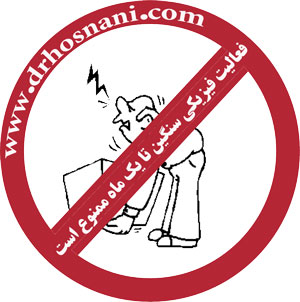
يذكر النص أن النشاط الشديد ورفع الأوزان قد يزيدان الضغط والنبض والتورم والنزيف خلال فترة التعافي.
Wearing Glasses and Contact Lenses
Do not wear glasses for 4 weeks.Using contact lenses is allowed.

خلال الشهر الأول بعد عملية الأنف قد يؤدي وزن النظارات إلى تغيير شكل عظام الأنف.
Sun Exposure
Avoid direct exposure to strong sunlight for 6 weeks.Heat may increase nasal swelling.
Swimming and Water Activities
Avoid swimming for one month.Oral and Dental Care
Brush your teeth gently using a soft toothbrush.Avoid excessive movement of the upper lip.
You may experience numbness in the nasal tip and upper lip for a few days, which is normal.
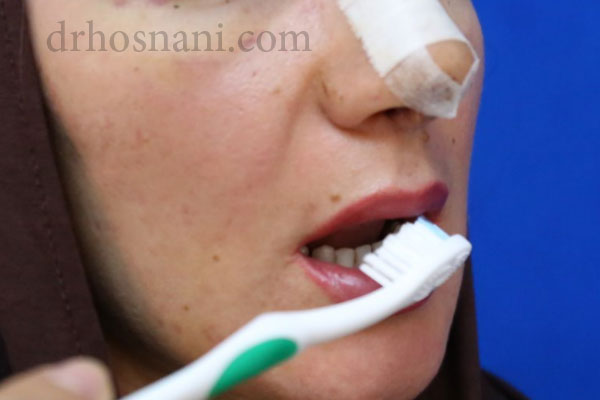
بعد جراحة الأنف، نظف أسنانك بفرشاة أسنان ناعمة.
Medication Restrictions
Avoid the following medications from two weeks before surgery until two weeks after surgery:🚫 Ibuprofen
🚫 Aspirin
🚫 Other blood‑thinning medications
Social Activities and Facial Movements
⛔ Avoid long conversations and excessive social activities for 10 to 14 days.⛔ Avoid intense laughing and excessive facial movements for one week.
Choosing Appropriate Clothing
During the first week:Wear clothes that open from the front or back.
Avoid clothes that must be pulled over the head, such as sweaters, T‑shirts, or turtlenecks.
Swelling and Bruising After Surgery
After the bandages are removed, you may notice:Nasal swelling
Bruising around the eyes
Discoloration of the upper lip
These changes usually improve gradually within 2 to 3 weeks.
Do not worry about swelling or color changes in the nose, eyes, or upper lip after the bandages are removed. These changes usually disappear within about 2–3 weeks after rhinoplasty.
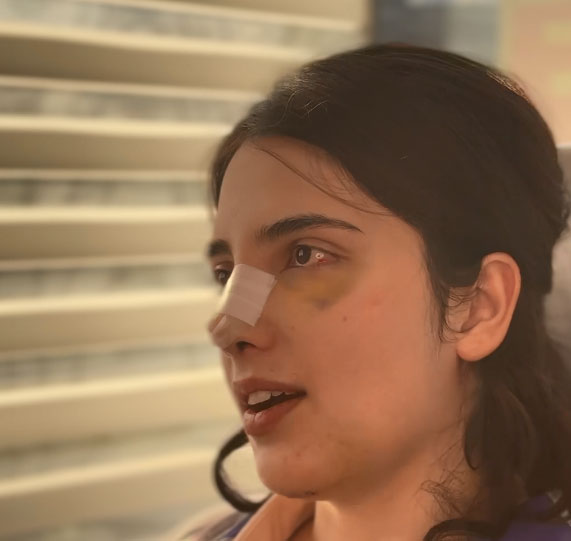
قد تحدث كدمات واحمرار بعد العملية وتزول غالبًا خلال نحو أسبوع، وقد يستغرق الأمر أيامًا إضافية لدى بعض الأشخاص.
Psychological Considerations After Surgery
After rhinoplasty, it may take about two months for the nose to begin showing its new shape and for its beauty to become more apparent. During this time, patience is important and you should avoid unnecessary worry about swelling or the apparent size of the nose.During the first six months after surgery, many people around you may comment on your nose. Sometimes these comments may unintentionally make you feel uncomfortable.
You should be mentally prepared for this situation. Even when the surgery has improved the appearance of your nose and face, very small imperfections may still exist and attract attention. Remember that such minor imperfections are usually unavoidable and generally insignificant overall. Maintain your confidence, enjoy your improved appearance, and try not to focus on minor details.