




Thinning the Skin of Fleshy Noses
Dr. Hamidreza Hosnani
ENT Specialist | Rhinoplasty Surgeon in Tehran | Nose Surgery Specialist
Removing the fat layer from the patient’s skin must be done with great caution because if it is overdone, the blood supply to the nasal skin may be disrupted, and the pressure caused by taping and splinting at the end of surgery can lead to necrosis and blackening of the skin, which would be a disastrous event for both the patient and the surgeon.
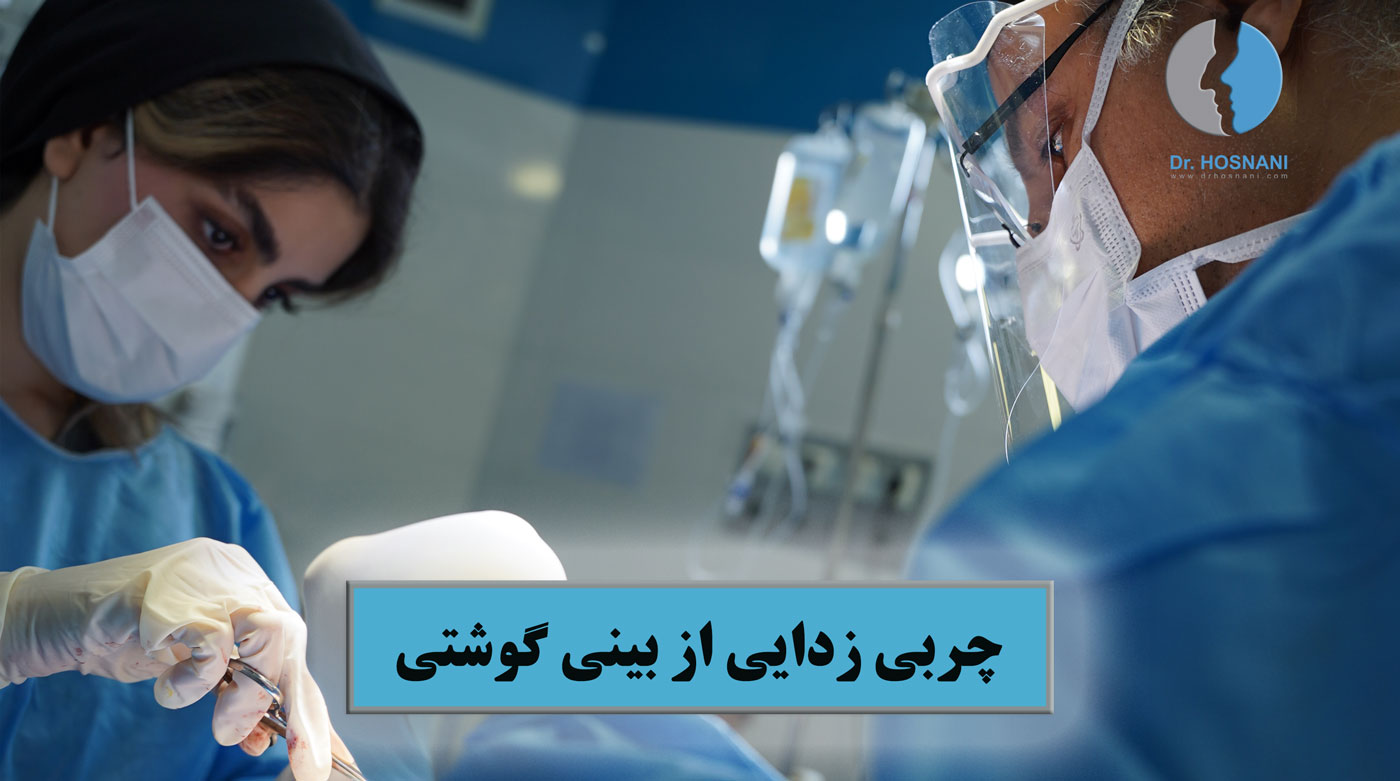
Fat removal from a fleshy nose means limited removal of excess fatty tissue and thickness beneath the nasal skin so that the cartilage shape becomes more visible. However, Dr. Hosnani recommends that this be done with great caution, because if the tissue is thinned excessively, the skin may be damaged or the result may look unnatural. Dr. Hosnani’s view is that in fleshy noses, surgical success depends more on strengthening the cartilage structure and shaping the nose properly than on aggressive fat removal.
Making the Nose Appear Smaller by Removing Subcutaneous Fat
One of the important differences between fleshy noses and bony noses is the thickness of the skin and the presence of fatty tissue beneath the nasal skin. Fleshy noses usually have thicker skin, with a layer of fatty tissue underneath. This can make the refined changes made to the nasal framework less visible.For this reason, the question sometimes arises as to whether removing the fat beneath the nasal skin can make the nose appear smaller or improve the outcome of surgery.
Dr. Hosnani’s view is that in fleshy noses, surgical success depends more on strengthening the cartilage structure and shaping the nose properly than on aggressive fat removal.
What Role Does the Fat Beneath the Nasal Skin Play?
In fleshy noses, the presence of fatty tissue and thick skin can cause the following:❌ The refined changes made to the cartilage to be less visible
❌ The nasal tip to appear rounder and wider
❌ The final shape of the nose to become apparent more slowly
For this reason, in some cases, the surgeon removes a limited amount of fatty tissue beneath the skin of the nasal tip during surgery so that the skin can better conform to the new nasal framework.
Limitations of Fat Removal
Nevertheless, removing fat from beneath the nasal skin has important limitations:🚫 The amount of fat that can be removed is very limited, because excessive removal can damage the nasal skin.
🚫 This method alone does not actually make the nose smaller; it can only help the surgical result appear more refined.
🚫 The thickness of the nasal skin remains, and this is one of the main factors distinguishing fleshy noses from bony noses.