




Rhinoplasty Recovery Period
Dr. Hamidreza Hosnani
The recovery period after rhinoplasty usually lasts about seven days. Some patients go through recovery easily, while others may experience issues such as headaches, nasal congestion, and bruising around the eyes. Rest for one week during the recovery period is recommended.
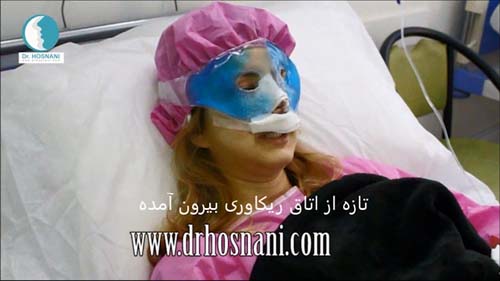
Many patients go through the rhinoplasty recovery period quite comfortably. Mild issues such as headache or nasal congestion are common after any type of nose surgery. The nose will be swollen, and bruising may appear around the eyes. This bruising may even increase slightly during the first 2 to 3 days. However, after about one week, the bruising and swelling usually decrease significantly.
Rest After Rhinoplasty
• Patients should take about one full week off from work or school to rest and recover properly.
Returning to Social Activities
• Starting the day after surgery, you can begin light daily activities at home. If visible bruising does not concern you, you may even go out briefly to meet friends or take a short walk outside.
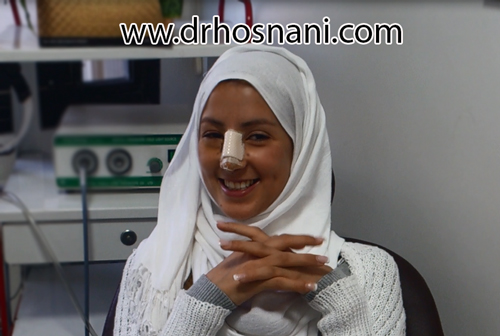
• One week after surgery, once the nasal splint is removed and the sutures are taken out, most patients feel comfortable returning to social activities such as going to restaurants or meeting friends.
In most cases, bruising disappears or becomes very mild after one week. Any remaining discoloration can usually be covered easily with light makeup.
• Some people prefer not to appear in public while wearing nose tape. In that case, it is better to wait about one additional week before returning to social activities.
Final Results of Rhinoplasty
One week after rhinoplasty, when the nasal splint is removed, you will be given a mirror so that you can see your new nose. Although the nose is still swollen, many patients—especially those with a bony (cartilaginous) nose—are already pleased with the early appearance of their nose at this stage.
Patients with thicker skin or “fleshy” noses may feel that the nose has not yet become smaller, which can cause some concern.
However, it is important to remember that the nose is still swollen and will continue to improve over time.
The nostrils may appear slightly asymmetrical in the early weeks, which is usually due to swelling. Significant swelling gradually decreases during the first three months.
The final results of rhinoplasty usually become visible after about six months. The thicker the nasal skin, the longer it may take for swelling to resolve and for the final result to appear. Patients with thicker skin should typically expect to wait up to one year to see the final outcome.