




Nasal Taping After Surgery
Dr. Hamidreza Hosnani
ENT Specialist | Rhinoplasty Surgeon in Tehran | Nose Surgery Specialist
Applying nasal tape after surgery has two important benefits: reducing swelling and helping the nose maintain its proper shape. In this section, an instructional video and step‑by‑step guidance on how to tape the nose after surgery are provided. After rhinoplasty, it is recommended to keep nasal tape on the nose for about two weeks to two months. The correct method is to first clean the nose and cheeks thoroughly and then apply the paper tape...
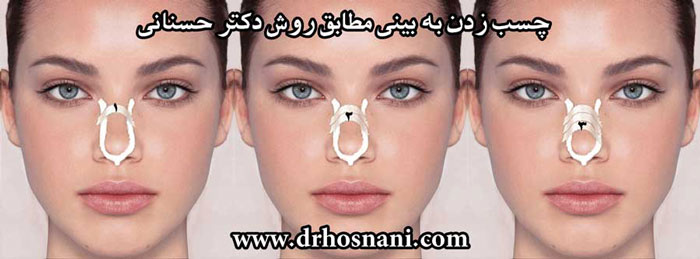
Why Is Nose Taping Used After Rhinoplasty?
After rhinoplasty, patients are usually advised to tape their nose for about weeks to months. Taping the nose helps reduce nasal swelling more quickly, speeds up the healing process, and helps achieve better final results.Nose taping has important benefits:
- Reducing nasal swelling
- Helping the nose maintain a better shape
- Helping the nose maintain a better shape

Taping the Nose for up to Three Months Can Help Reduce Swelling, but It Only Affects the Shape of the Nose for the First Two Weeks
Nose taping also serves as a kind of warning sign for people around you. When you have tape on your nose, it signals that your nose has recently been operated on and needs to be treated carefully. People around you will realize they should avoid touching your nose or engaging in playful behavior that might accidentally injure it.
Usually, about two months after surgery, nose taping is no longer necessary. However, if swelling has not fully resolved or if swelling returns, taping can be continued again.
Proper Method of Applying Nose Tape
- Wash your nose and cheeks thoroughly with mild soap and water, or clean them with cotton soaked in alcohol. Then gently pat the skin dry with a soft towel. Wait about 5 to 10 minutes until the skin is completely dry. 
Before Applying Nose Tape, Clean the Nasal Skin with Soap and Water or Cotton Soaked in Alcohol
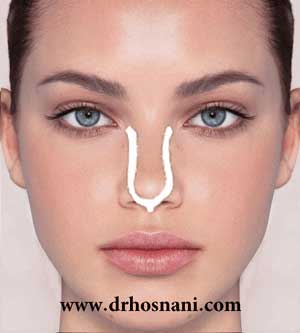
Nose Tape from Below
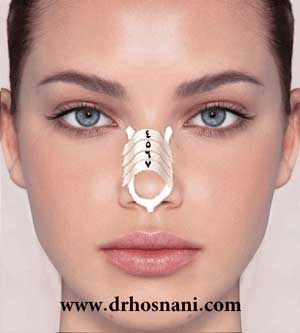
Nose Taping from Step 4 to Step 7

Steps Eight and Nine: Removing Excess Nose Tape