



Closed Rhinoplasty and Its Difference from Open Rhinoplasty
Dr. Hamidreza Hosnani
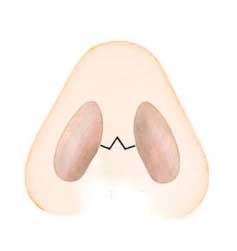
Closed rhinoplasty is a surgical method where all incisions are made inside the nose, and there are no external incisions on the skin. This method is less invasive, takes less time (usually 1 to 2 hours), leaves no suture marks, and involves a faster recovery (about 1 to 2 weeks). It is suitable for small and moderate changes in the nasal structure, such as correcting a hump or the nasal tip, but the surgeon's access to the inside of the nose is more limited and may not be suitable for complex cases.
What is Closed Rhinoplasty?
Closed rhinoplasty is a surgical technique where all incisions are made inside the nostrils. Unlike the open approach, the skin of the nose is not lifted by making an external incision. In this technique, the surgeon gains access to the nasal bone and cartilage through these internal incisions to perform the necessary modifications. Because there is no incision on the columella (the tissue between the nostrils), no visible scar remains on the nose.
Who is a Good Candidate for Closed Rhinoplasty?
Closed rhinoplasty is primarily suitable for individuals who require moderate or limited structural changes to their nose.
Typically, this method is ideal for:- Removing a nasal hump
- Correcting mild nasal deviation
- Narrowing the nasal bones
- Minor refinement of the nasal tip
- Improving nasal symmetry
- Adjusting nasal shape without extensive structural reconstruction
Conversely, for noses requiring extensive reconstruction or revision surgery, the open approach is often preferred.
Procedure Steps for Closed Rhinoplasty
Closed nose surgery is usually performed under general anesthesia and typically takes about 1 to 2 hours.
Key Stages of the Surgery:
1. Creating Internal Incisions
The surgeon makes incisions inside the nostrils to access the bone and cartilage structure.
2. Modifying the Nasal Structure
Depending on the patient's needs, the following may be performed:
- Removal of nasal humps
- Correction of a deviated septum (septoplasty)
- Narrowing of the bones (osteotomy)
- Refinement or reinforcement of the nasal tip
3. Reshaping the Nose
The cartilage and bones are adjusted to achieve the desired shape.
4. Closing Incisions and Applying a Splint
After surgery, internal incisions are closed, and a nasal splint or cast is placed on the nose to protect the new structure.
Advantages of Closed Rhinoplasty
This method offers several significant benefits compared to the open technique:
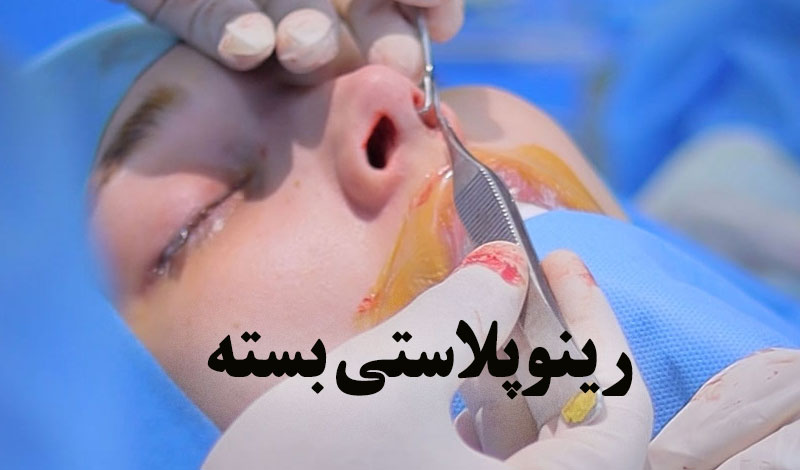
No External ScarsSince the incisions are internal, no visible scarring remains on the nasal skin.
Less SwellingIn many cases, post-operative swelling is reduced compared to the open method.
Shorter Surgical TimeDue to the limited nature of the incisions, the total surgery time is typically shorter.
Faster RecoveryPatients generally return to their daily activities more quickly.

Limitations of Closed Rhinoplasty
Despite these advantages, this method is not suitable for everyone. Its limitations include:
- The surgeon’s visibility of the nasal structure is more limited.
- Complex nasal tip corrections are more difficult to execute.
- It is generally not suitable for revision surgeries.
- It may not be sufficient for very fleshy noses or cases requiring significant structural changes.
For these reasons, the choice between an open and closed approach should be made by an experienced surgeon.
Difference Between Closed and Open Rhinoplasty
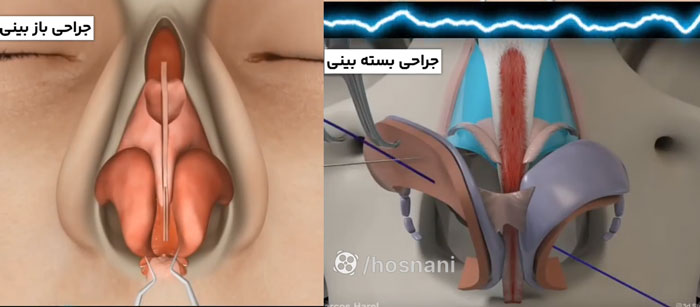
In open rhinoplasty, a small incision is made on the columella, allowing the nasal skin to be lifted. This provides the surgeon with a clearer view of the internal structures.
In contrast, in closed rhinoplasty:
- There is no external incision.
- The nasal skin is not completely lifted.
- The surgeon's access is more limited.
Recovery Period After Closed Rhinoplasty
The healing process for this method is generally similar to other types of nose surgery.
General stages of recovery:- First week: Splint on the nose.
- Second week: Reduction in bruising and swelling around the eyes.
- First month: Significant reduction in swelling.
- 6 to 12 months: Full observation of the final result.
Following the surgeon's post-operative instructions carefully plays a crucial role in achieving the desired outcome.
Is the result of closed rhinoplasty permanent?
Yes. Rhinoplasty results are generally permanent. Once the bone and cartilage have fully healed, the new shape of the nose will be stable. However, factors such as skin thickness, cartilage quality, surgical technique, and post-operative care influence the quality of the final result.
Video: Closed Rhinoplasty: Nose surgery without external incisions; see how it's done!
In this procedure, closed rhinoplasty was performed on a female patient—a technique involving no external incisions or visible stitches, which promotes faster healing without leaving surgical scars. The video demonstrates the patient's nose from various angles (side, front, top, and bottom views) both before and after surgery inside the operating room. This allows for a clear view of the changes made. A few seconds of the surgical process are included to provide insight into the delicate and specialized technique required. These images effectively showcase structural and aesthetic improvements from all angles, demonstrating how the closed technique achieves a balanced and natural nose shape without external cutting.