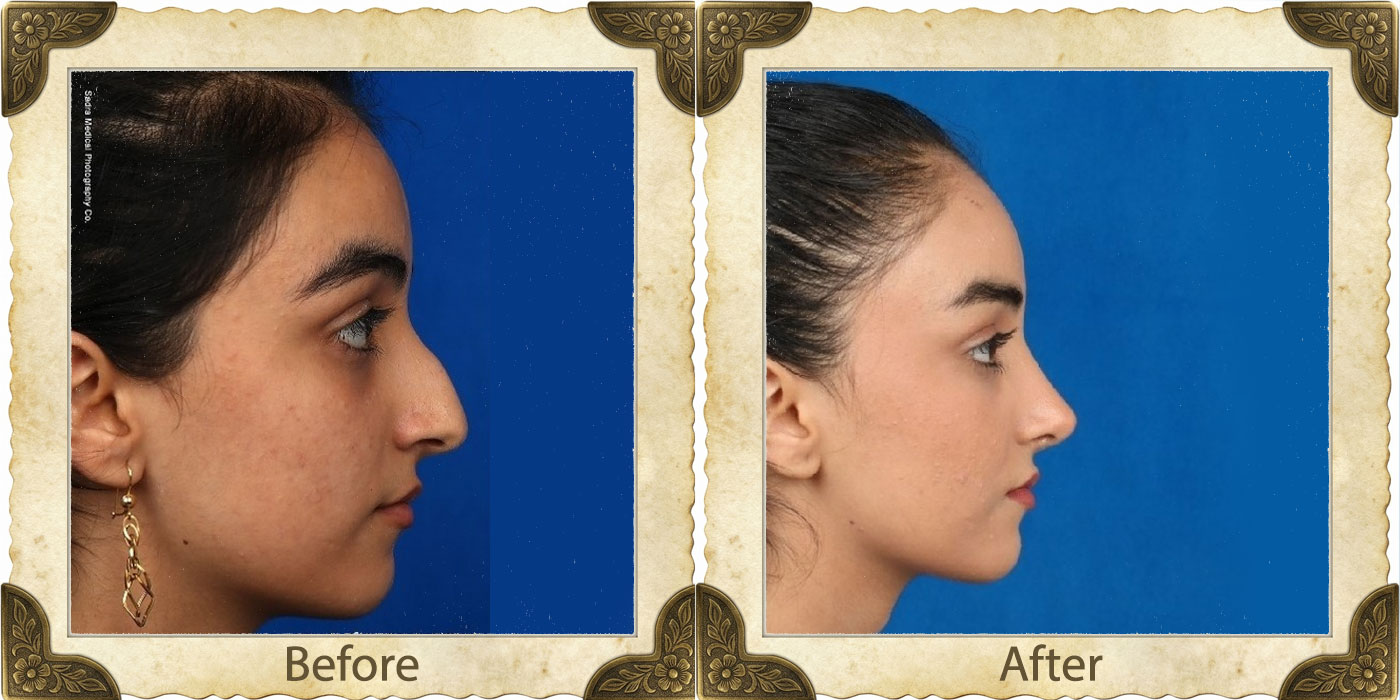




Revision or Secondary Rhinoplasty
Dr. Hamidreza Hosnani
If you have already had one nose surgery and are dissatisfied with the result, you should wait at least one year before considering revision (secondary) rhinoplasty. If you plan to undergo a second surgery, it is important to carefully follow the recommendations provided in this section.
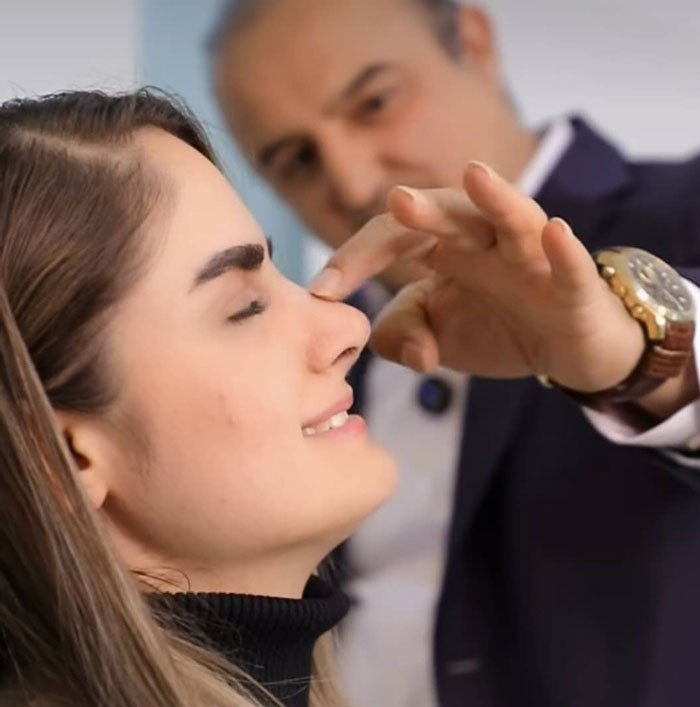
Are You Dissatisfied with Your Nose Surgery?
If you are considering secondary nose surgery (Revision Rhinoplasty), pay close attention to the following points:• Be aware that the complexity of rhinoplasty increases with each additional surgery.
• Your nasal framework may not be strong enough to tolerate another surgery. In that case, you may need to wait longer or even avoid further surgery.
• There should be little to no scar tissue inside the nose.
• You should not have had any nasal surgery within the past year. In other words, at least one year should have passed since your previous rhinoplasty.
• If for any reason you are dissatisfied with your previous surgery, never demand immediate corrective surgery from your surgeon.
Video Rebuilding a Severely Damaged Nose: Complex Revision Rhinoplasty by Dr. Hosnani
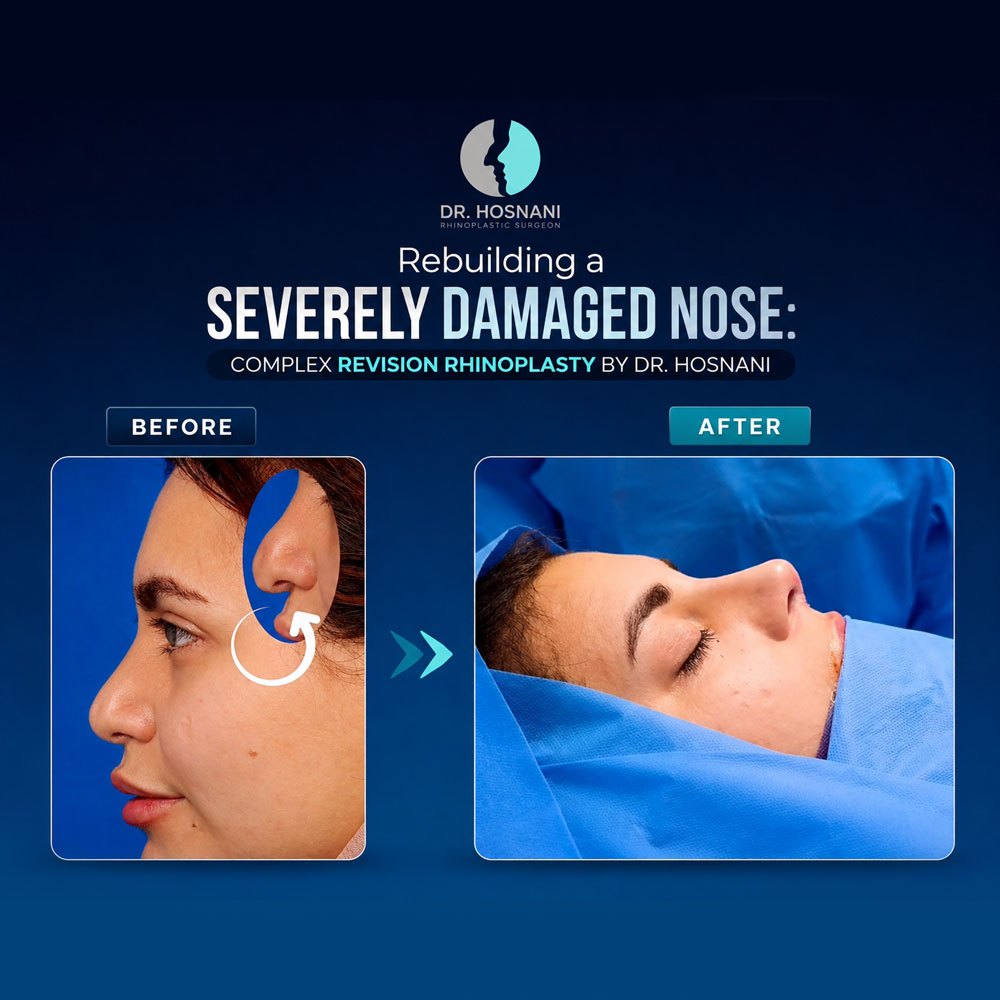
Video Description
How Is Secondary Rhinoplasty Performed?
Revision rhinoplasty can be performed using either the closed or open technique. The procedure usually takes between 1.5 to 2 hours, and patients can usually return home on the same day of surgery. 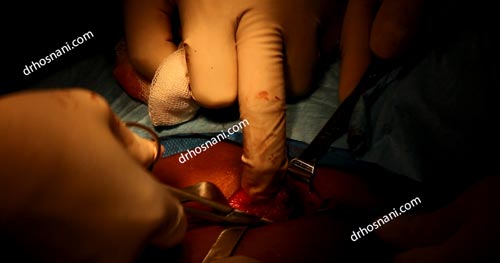
Advantages of Revision Rhinoplasty
The aesthetic defects that were not corrected in previous surgery or surgeries can be fixed.Functional nasal problems that developed after previous surgery can also be corrected.

Nasal Problems That Can Be Corrected with Revision Surgery
Residual nasal hump that was not fully removed.Drooping nasal tip caused by inadequate surgical techniques.
Excessive projection of the nasal tip.
Overly shortened nasal tip.
Over‑rotated or “pig‑like” nasal tip.
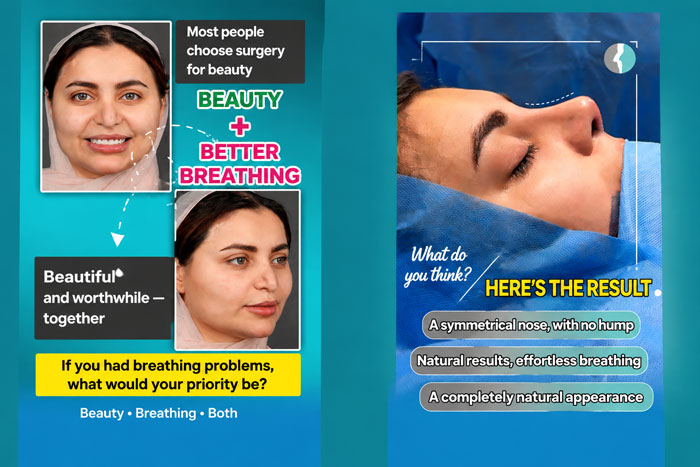
Video: Behind the Scenes of Correcting an Over‑Rotated Nose
Dr. Hosnani explains that raising the nasal tip can be aesthetically pleasing up to a certain degree. However, when the angle becomes excessive, the nose may appear unnatural. In the example shown, the patient previously underwent surgery that resulted in an extremely short nose with an approximate angle of 130 degrees. To restore a natural appearance, Dr. Hosnani reconstructed the nasal tip using rib cartilage and adjusted the angle to approximately 100–110 degrees, creating a more balanced and harmonious facial appearance.
Why Should You Wait One Year Before Revision Rhinoplasty?
Rhinoplasty is a cosmetic procedure in which the surgeon modifies the nasal framework to improve appearance and achieve better harmony with the other facial features. To do this, the surgeon must separate the nasal skin from the underlying bone and cartilage framework in order to reshape the structure. After rhinoplasty, it takes about one year for the skin to fully reattach to the underlying framework and for the healing process to complete. During this time, the nose remains swollen and the final appearance is not yet clear. The shape that develops after one year is usually very close to the final result.Do Not Pressure Your Surgeon for Immediate Revision
Many plastic surgeons encounter patients who become dissatisfied immediately after surgery and request immediate revision. This often results from insufficient understanding of the healing process. During the first two months, the nose still has significant swelling and may appear larger than its true size, making it too early to judge the final result. Even after two months, if the patient remains dissatisfied, revision surgery is still not recommended before one year. If the nasal skin is lifted again too early, it may be damaged, and damage to the nasal skin can lead to serious and sometimes irreversible complications. Even in emotionally sensitive patients who perceive minor imperfections as very serious, surgeons usually recommend waiting at least six months before considering any intervention. Any corrective procedure performed before one year must be limited and done with extreme caution to avoid damage to the skin. Minor revision procedures are usually intended to correct small imperfections that may bother the patient. However, if the defects are minor and do not significantly affect facial beauty, surgeons often recommend avoiding revision surgery because each additional surgery carries its own risks and complications.Video: Result of Revision Rhinoplasty One Week After Surgery
An Iraqi patient who previously had rhinoplasty performed by another surgeon visited Dr. Hosnani for revision surgery. Before surgery, a clear irregularity in the nasal bridge and an excessively elevated nasal tip were visible. Only one week after revision surgery, even with normal postoperative swelling, the nose appeared significantly more balanced and aesthetically pleasing.
Avoid Perfectionism
Patients considering revision surgery should avoid perfectionism and unrealistic expectations. The history of plastic surgery shows that many patients who experienced severe complications were those who repeatedly pushed surgeons for multiple corrective procedures. Sometimes you may admire someone’s nose in public or in media and wish to have the same nose. However, many factors contribute to that impression. The person may simply have an overall beautiful face, and the nose alone may not look the same on another face. Therefore, asking a surgeon to replicate someone else’s nose exactly is unrealistic.A Real Case of Revision Rhinoplasty in an Arabic‑Speaking Patient
This Arabic‑speaking woman had undergone two unsuccessful nose surgeries in Syria. Over time she developed several complications including drooping nasal tip, deep side indentations, a false hump on the nasal bridge, asymmetrical nostrils, and severe structural damage that interfered with breathing. 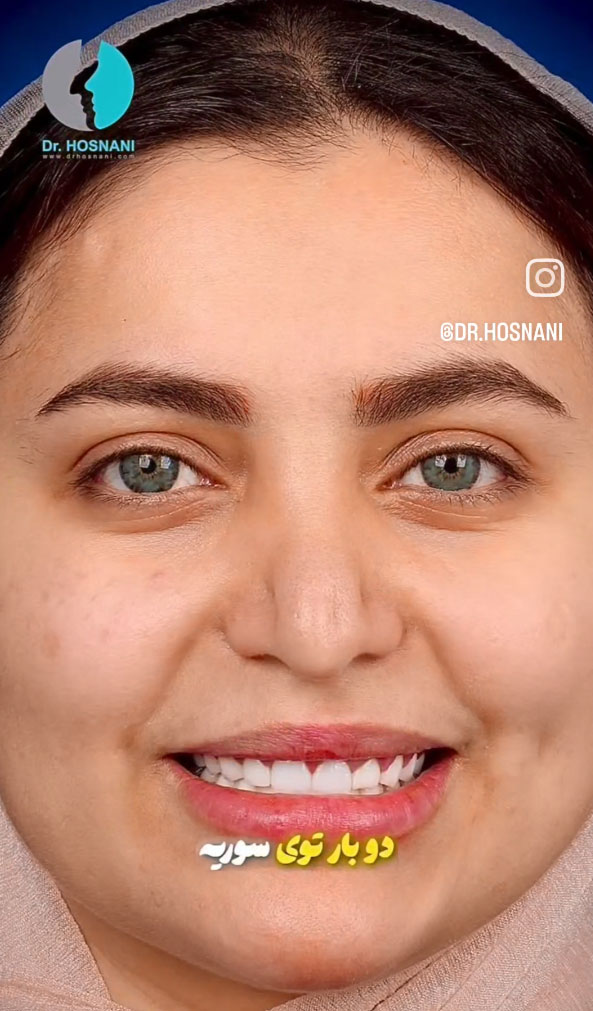
Dr. Hosnani reconstructed the nasal framework using the patient’s own rib cartilage. The nasal tip was lifted, a gentle dorsal curve was created, the nostrils were made symmetrical, and the indentations were corrected.
A Natural and Remarkable Result:
The final outcome was natural, balanced, and aesthetically pleasing. Despite being a highly complex reconstruction case, the patient achieved a satisfying result and regained confidence in her appearance.
Video Correcting a Failed Rhinoplasty: A Successful Revision Journey with Dr. Hosnani
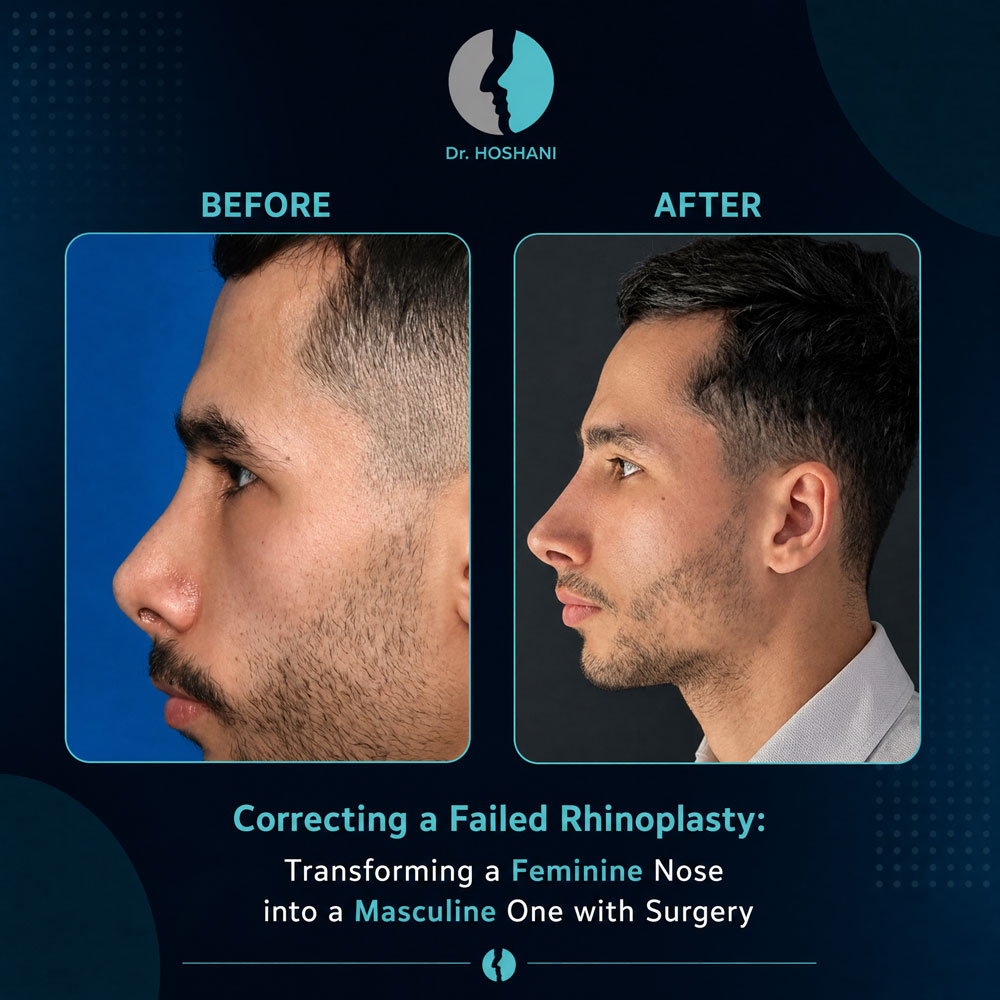
Video Description
Final Advice
Finally, patients are advised that if the first surgery has already corrected most aesthetic issues and no breathing problem exists, it may be wiser to avoid revision surgery rather than pursue unrealistic expectations and risk further complications.Video: Revision Rhinoplasty – Correcting Aesthetic Problems After Two Failed Surgeries
This revision surgery focuses on correcting aesthetic problems such as nasal length, tip drooping, deviation, and the dorsal aesthetic line to create a more balanced and natural appearance.
From Isfahan to Tehran: A Patient's Revision Rhinoplasty Journey with Dr. Hosnani
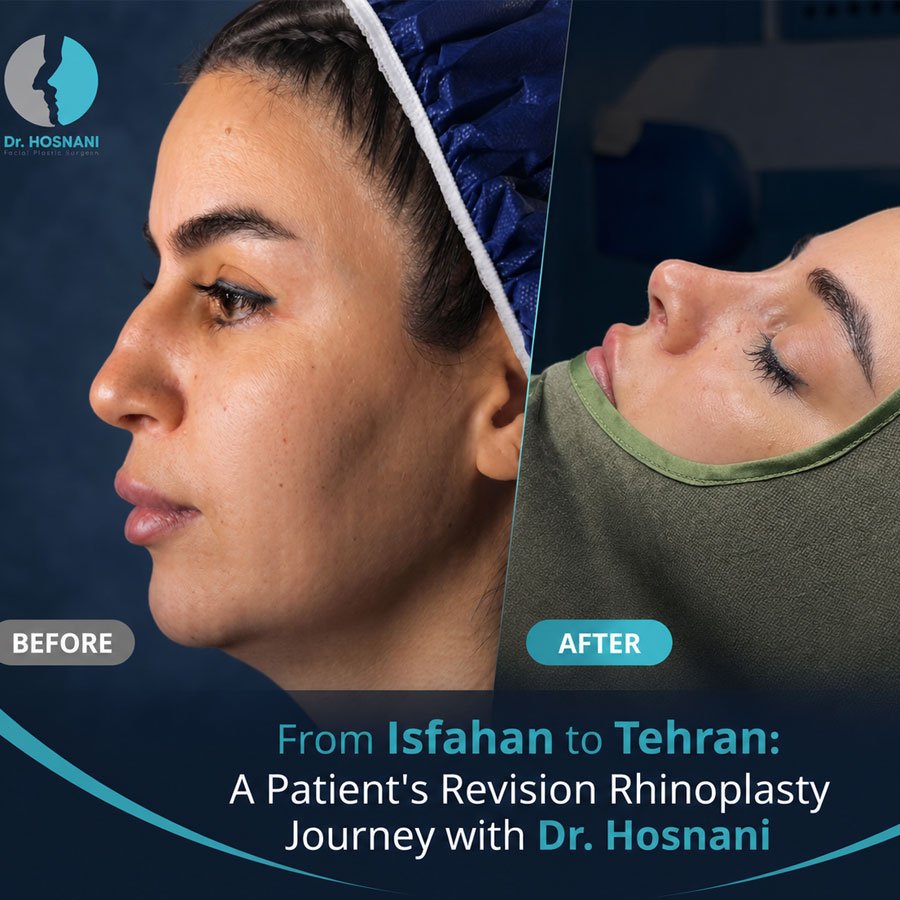
Video Description
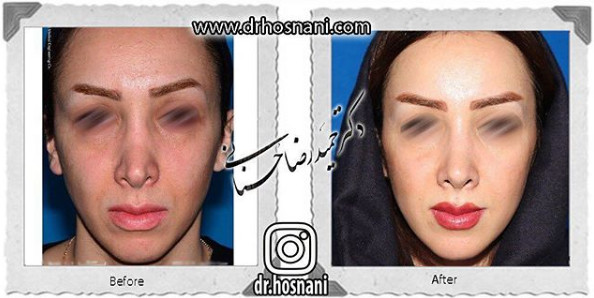
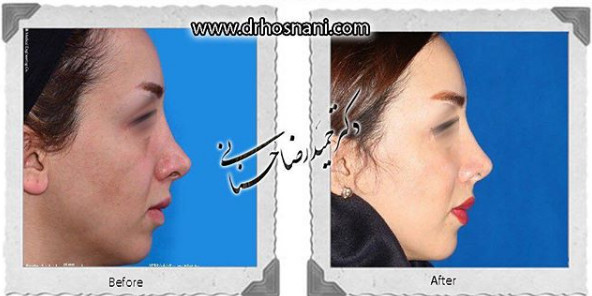
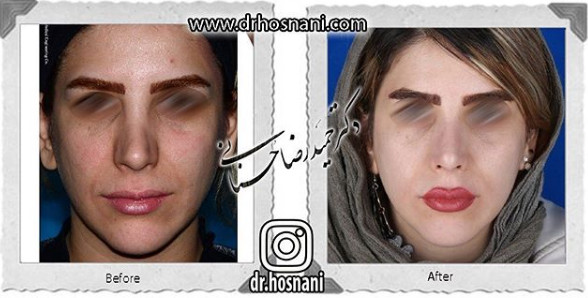
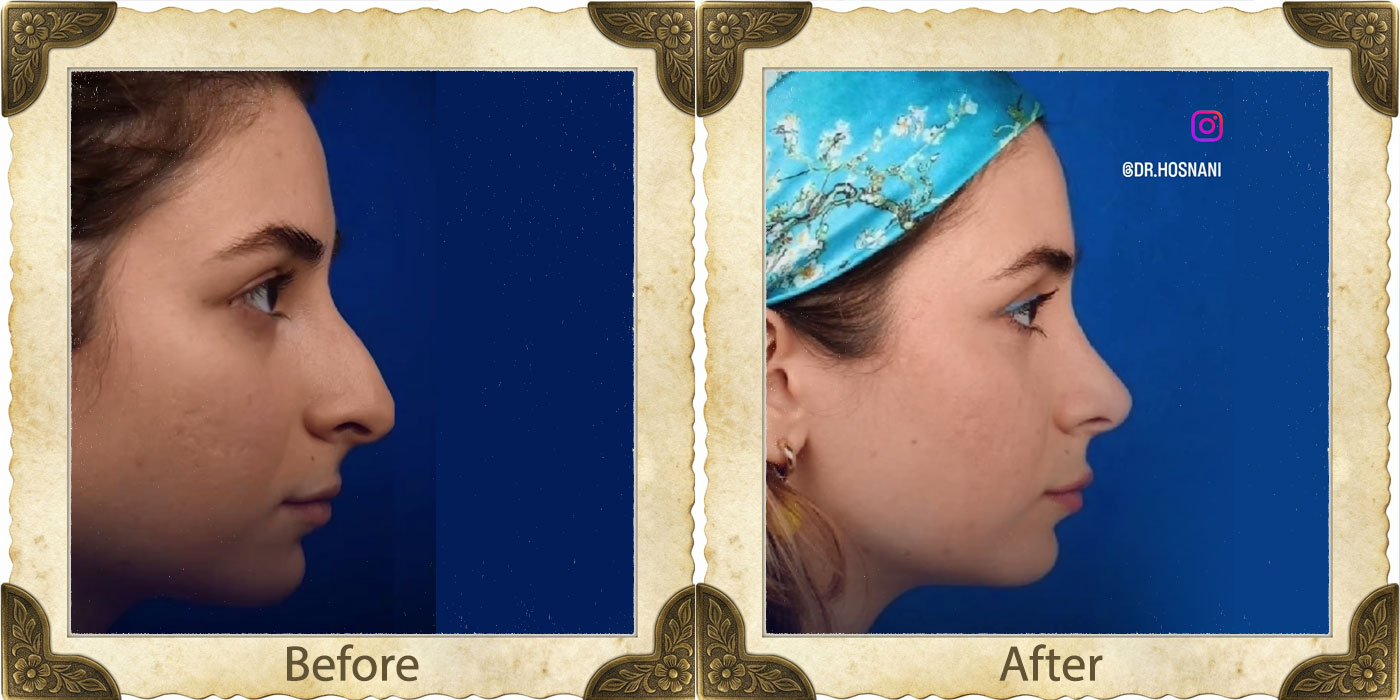
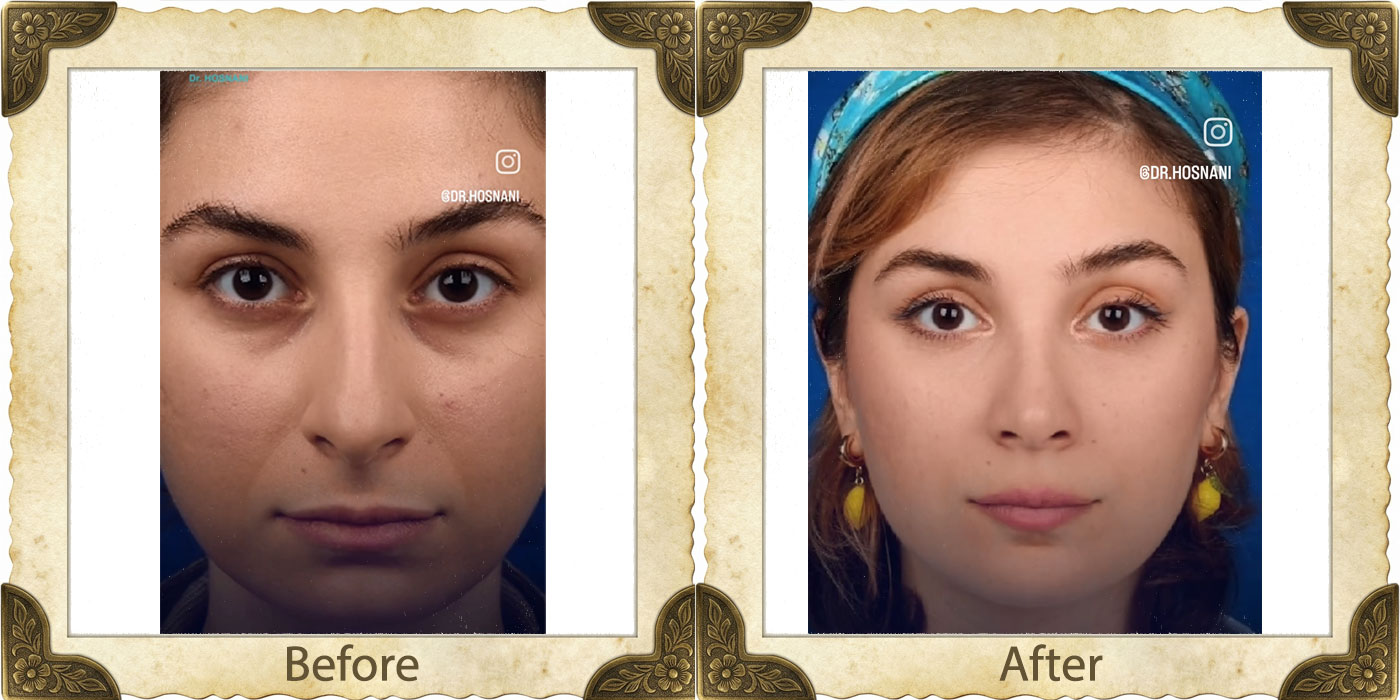
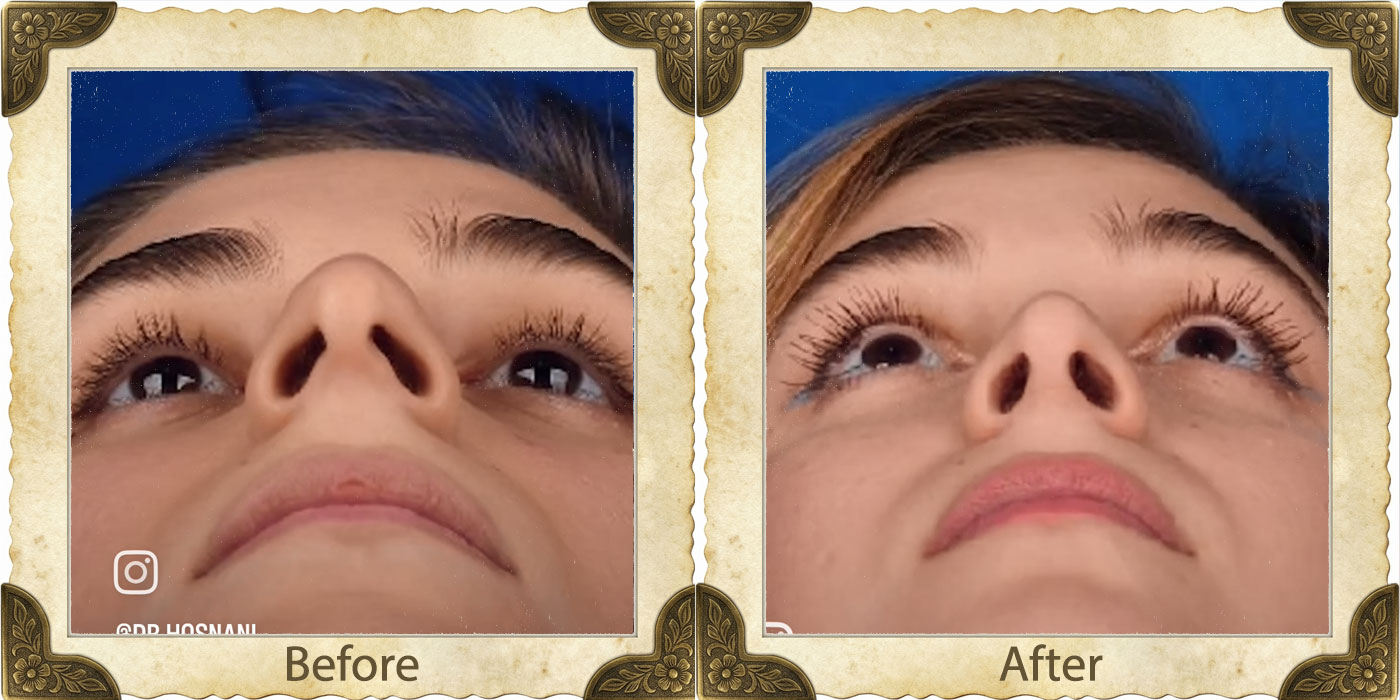
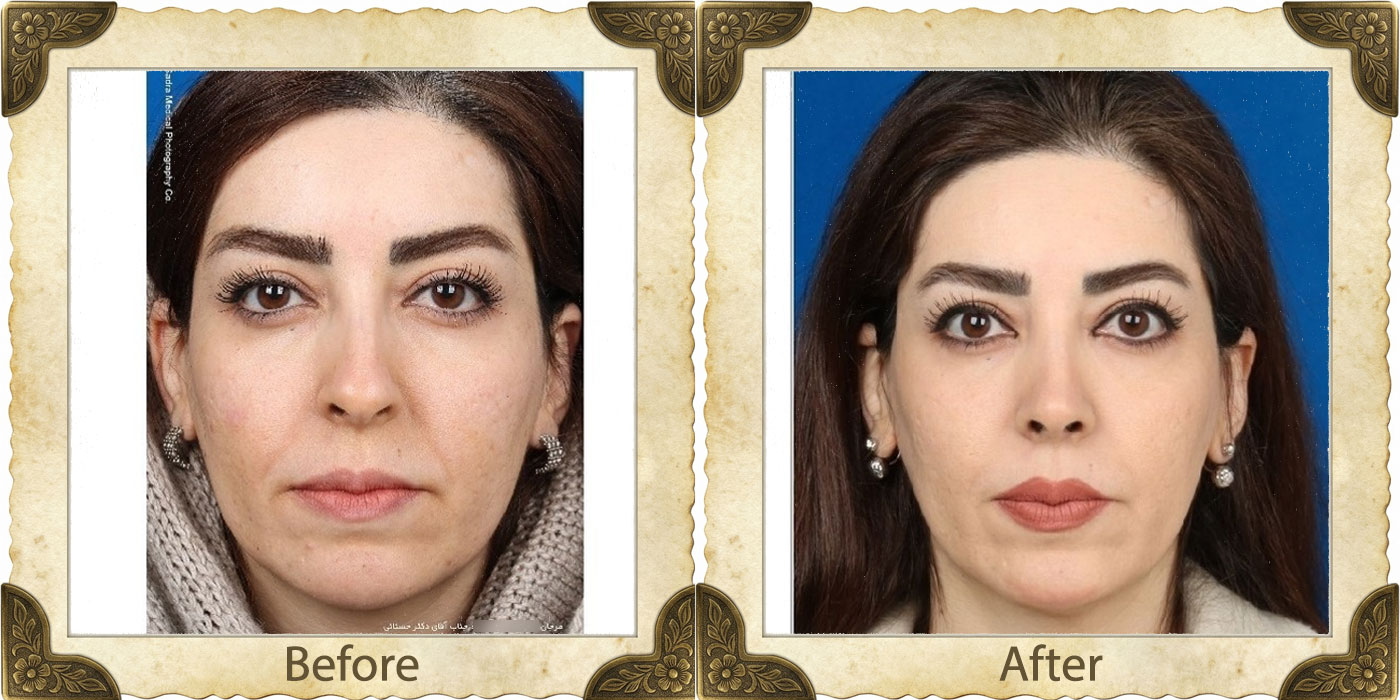
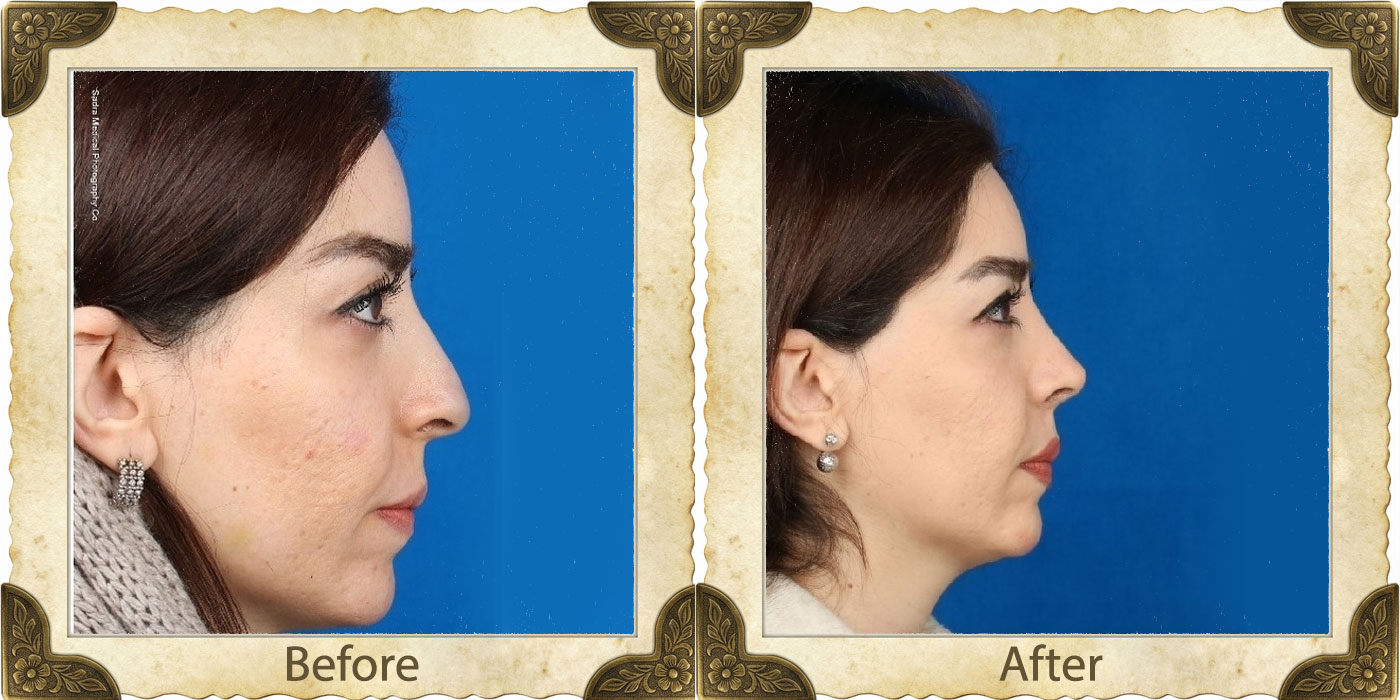
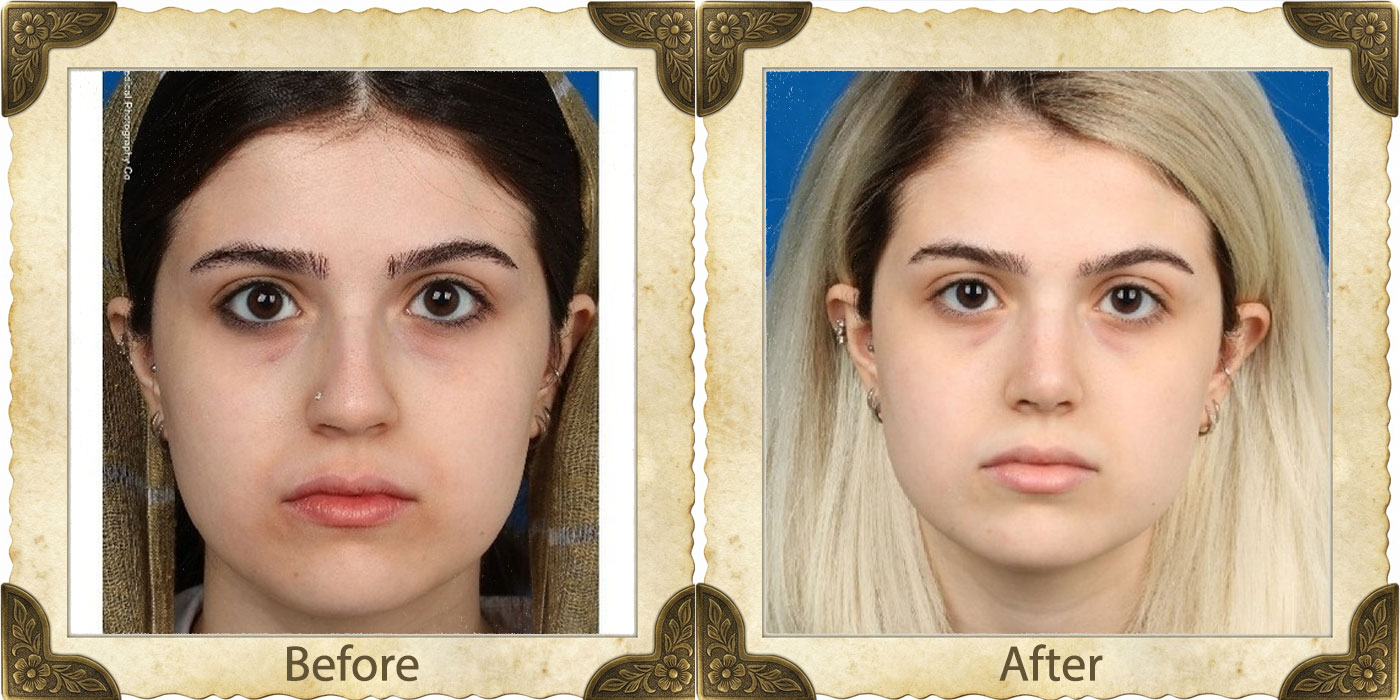
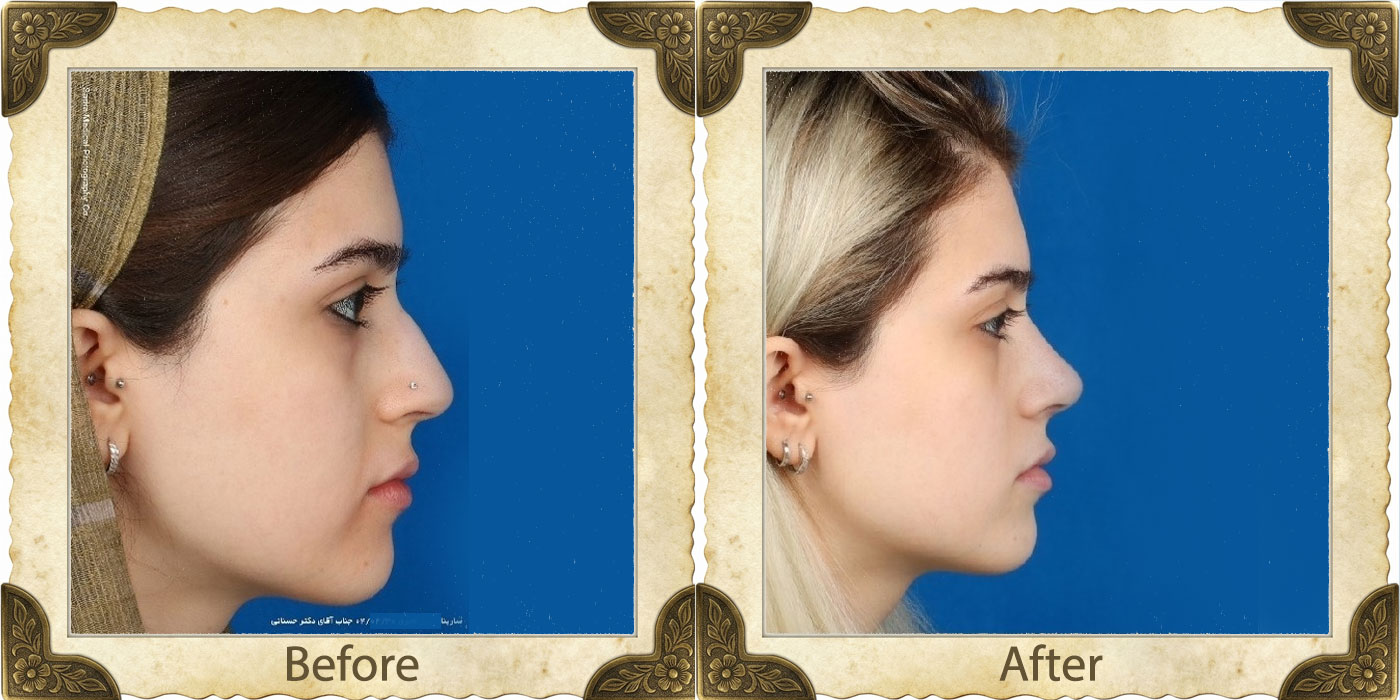
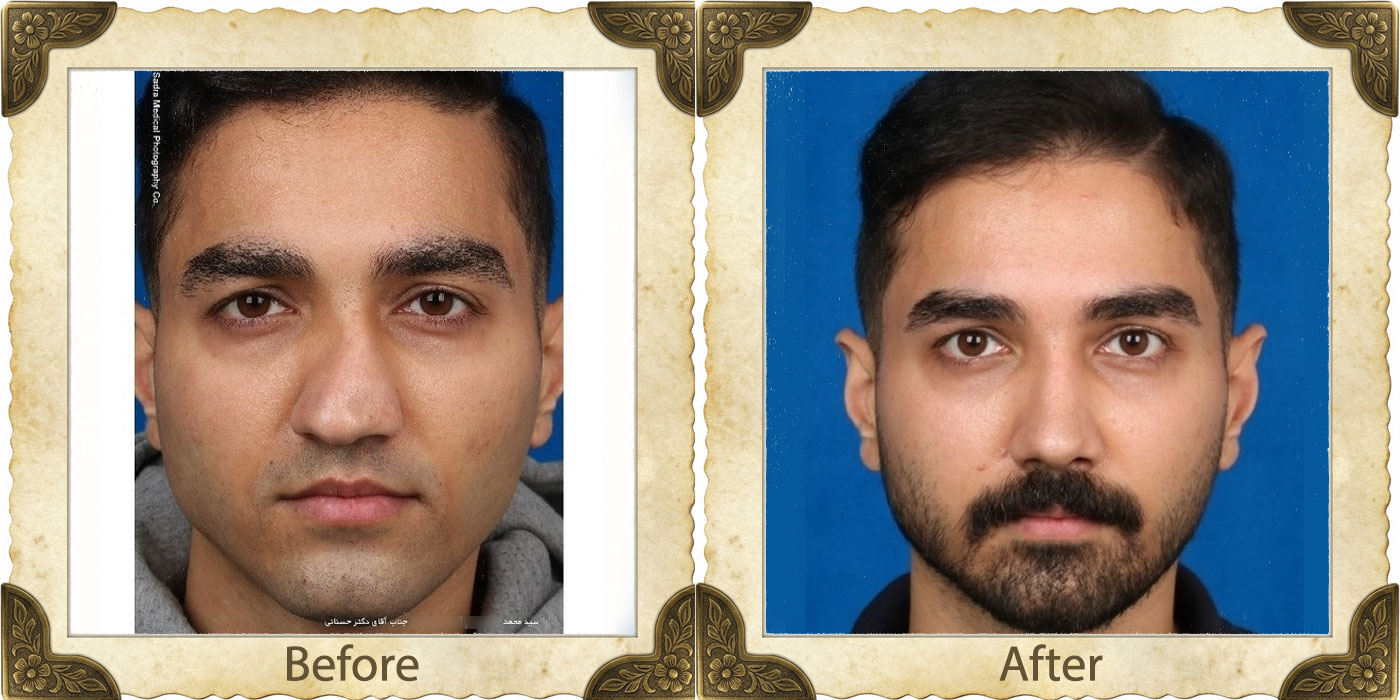
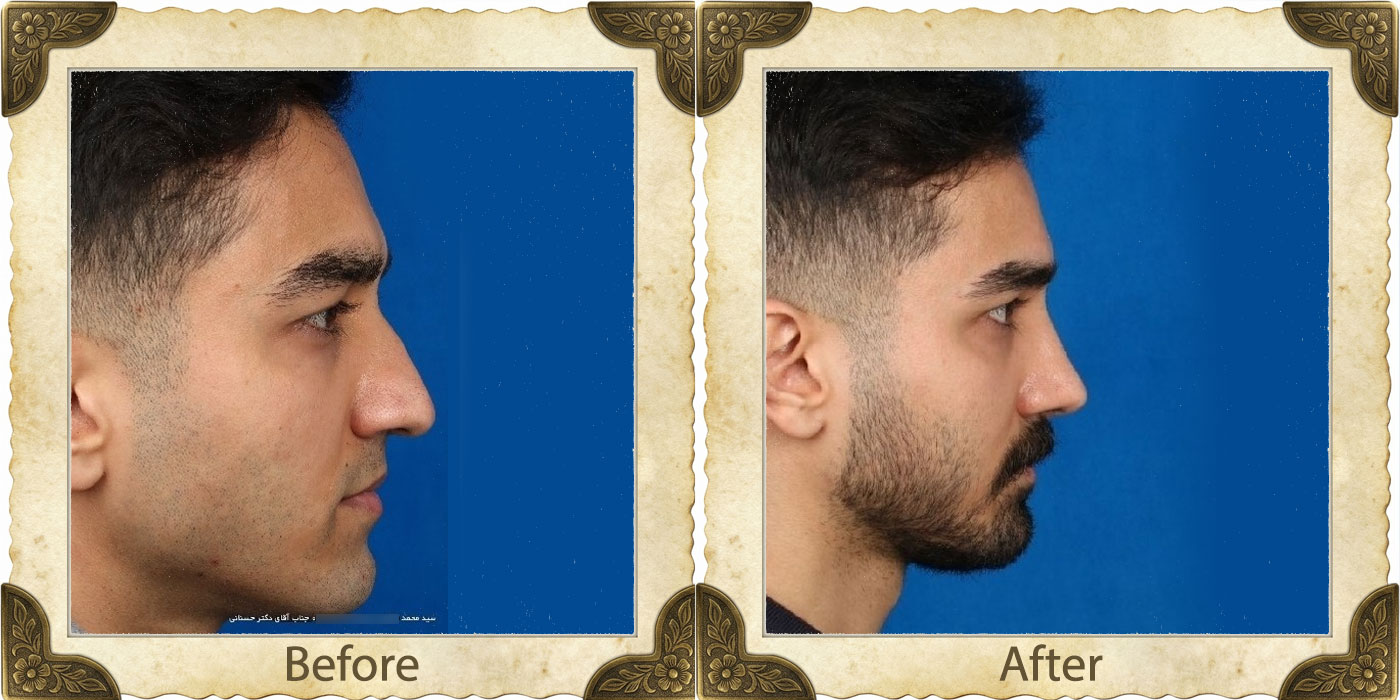
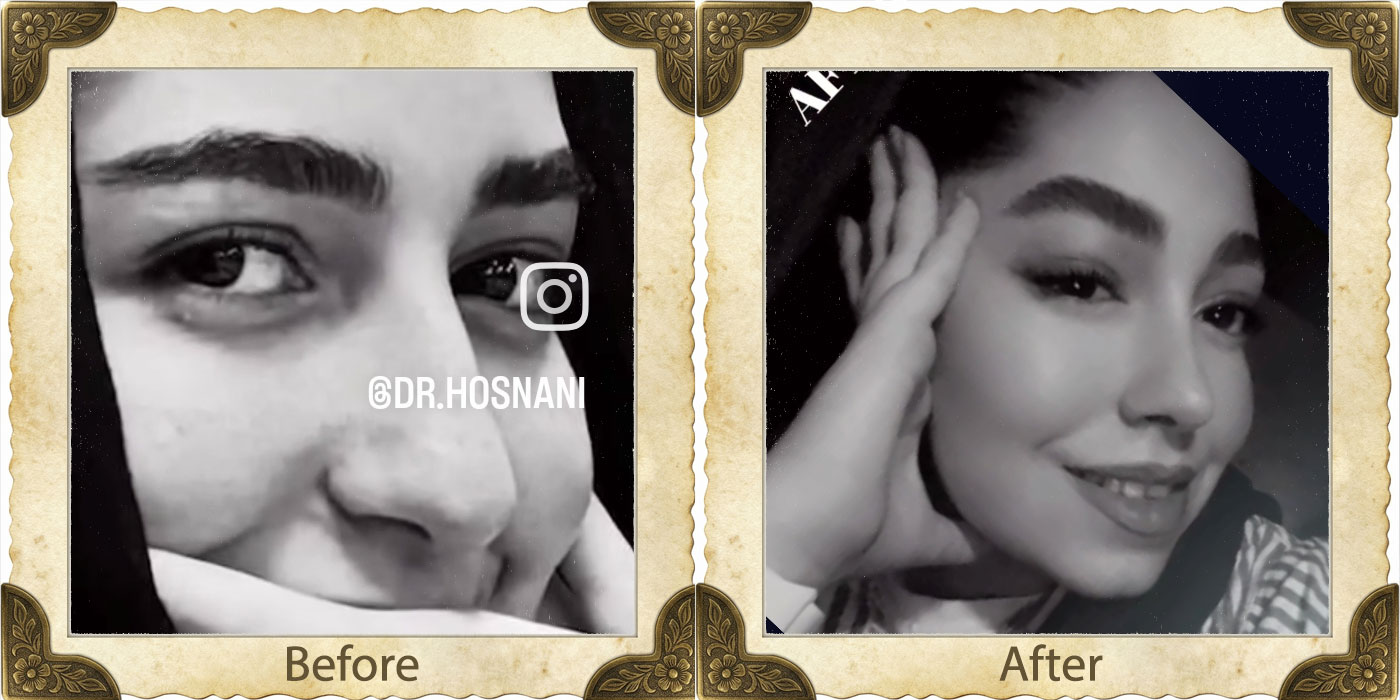
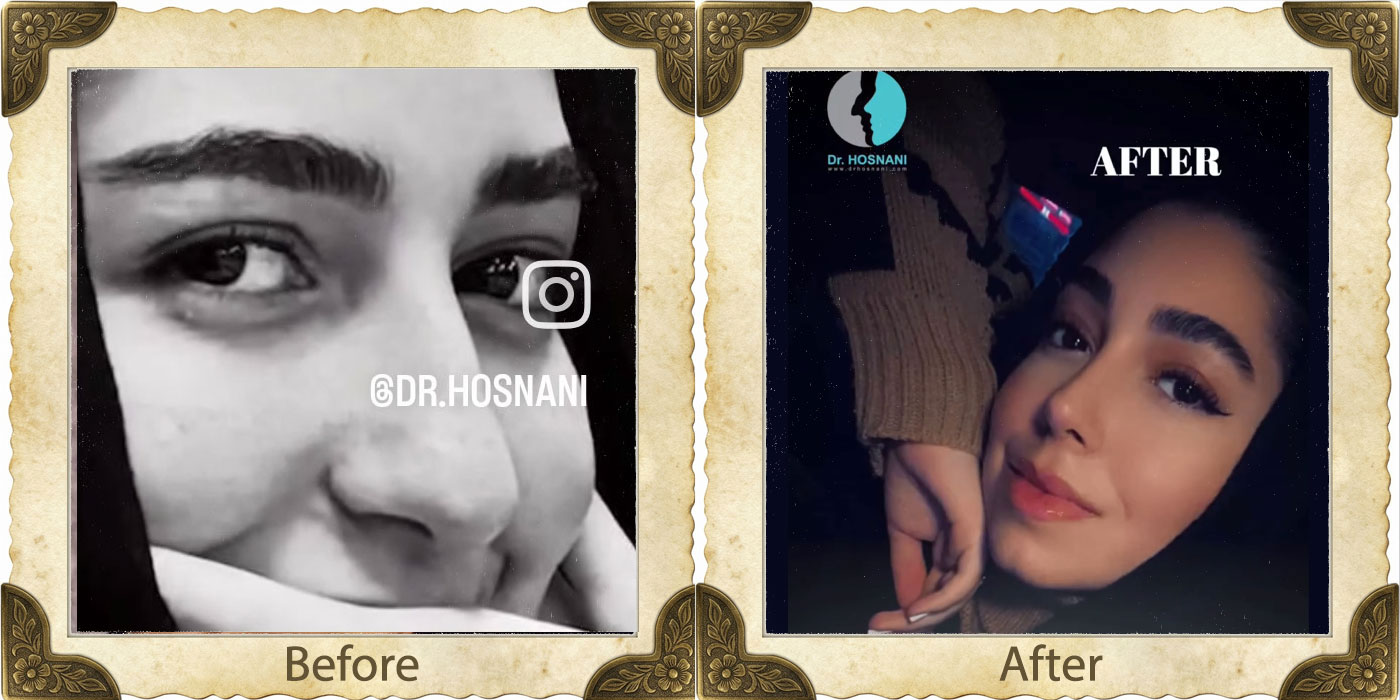
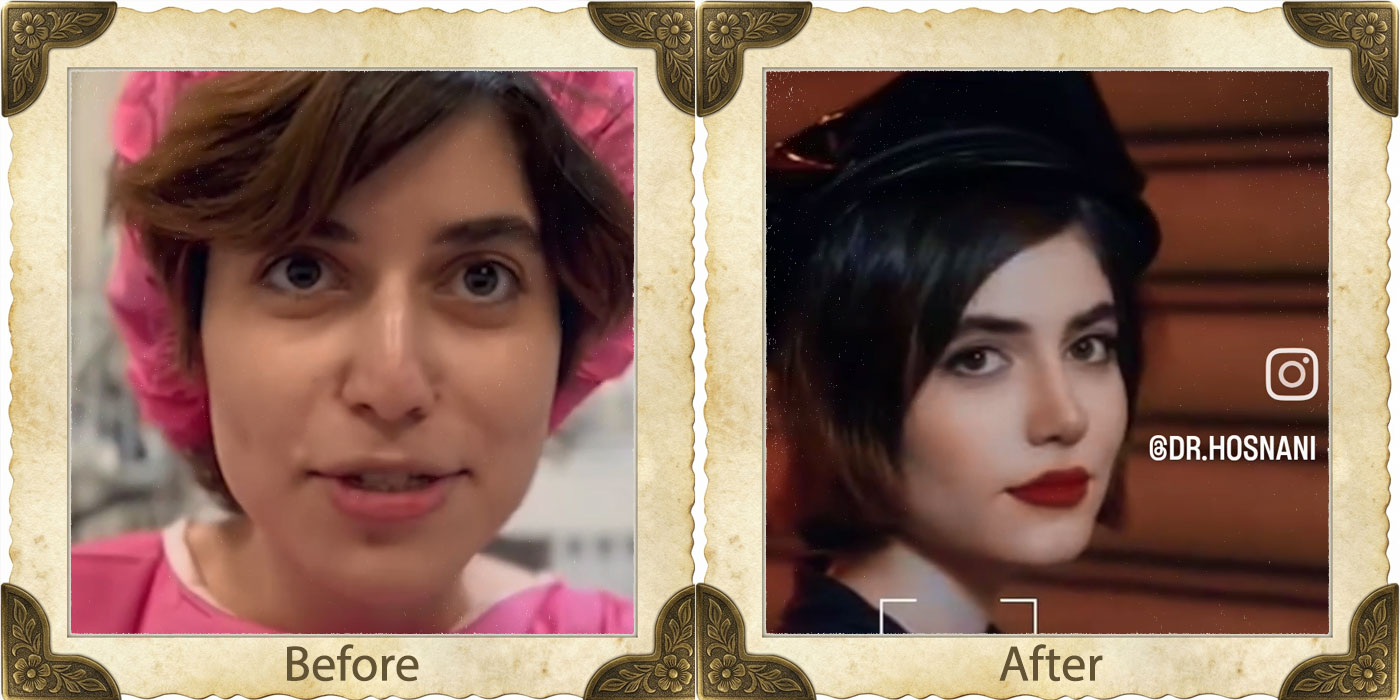
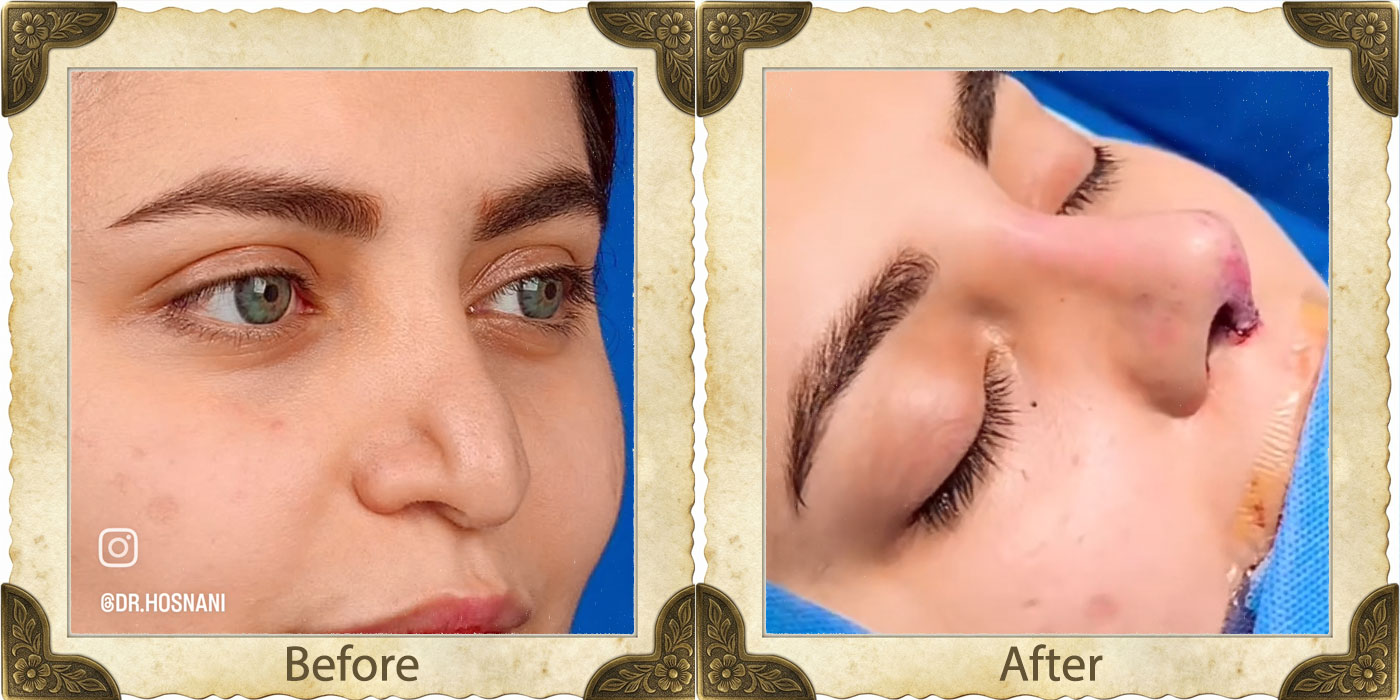
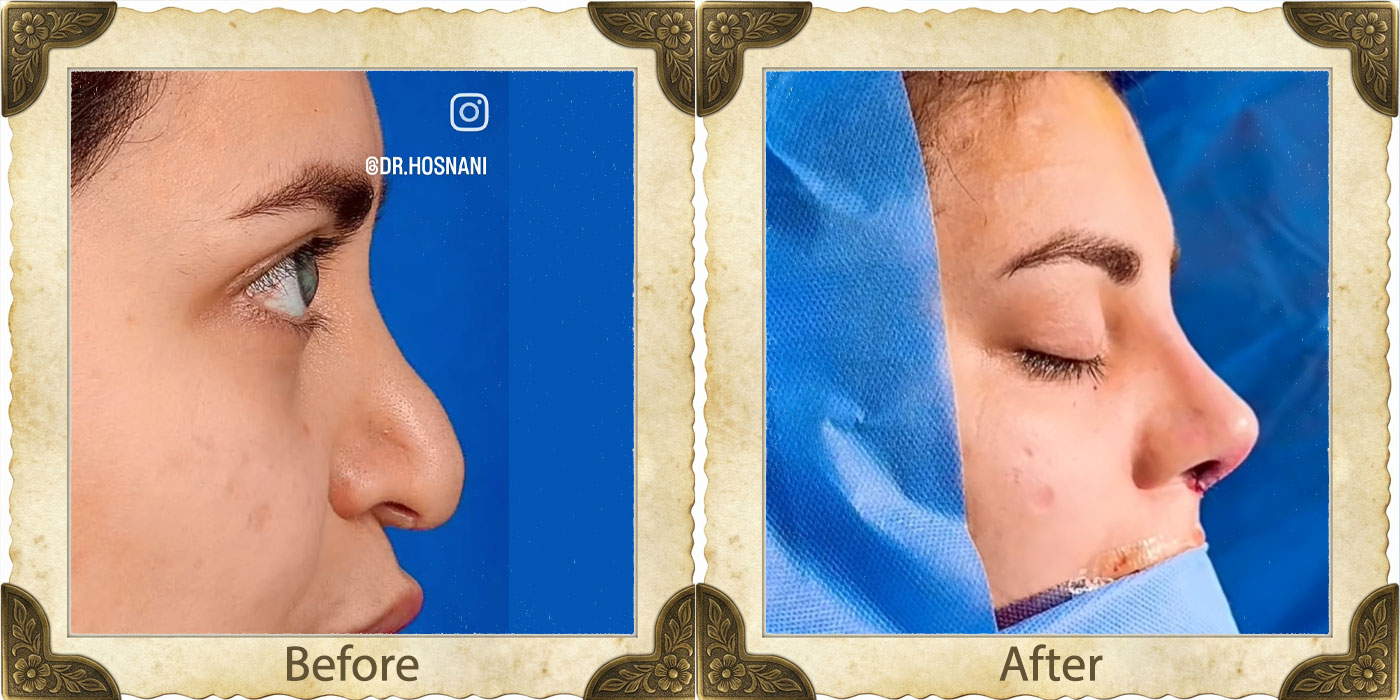
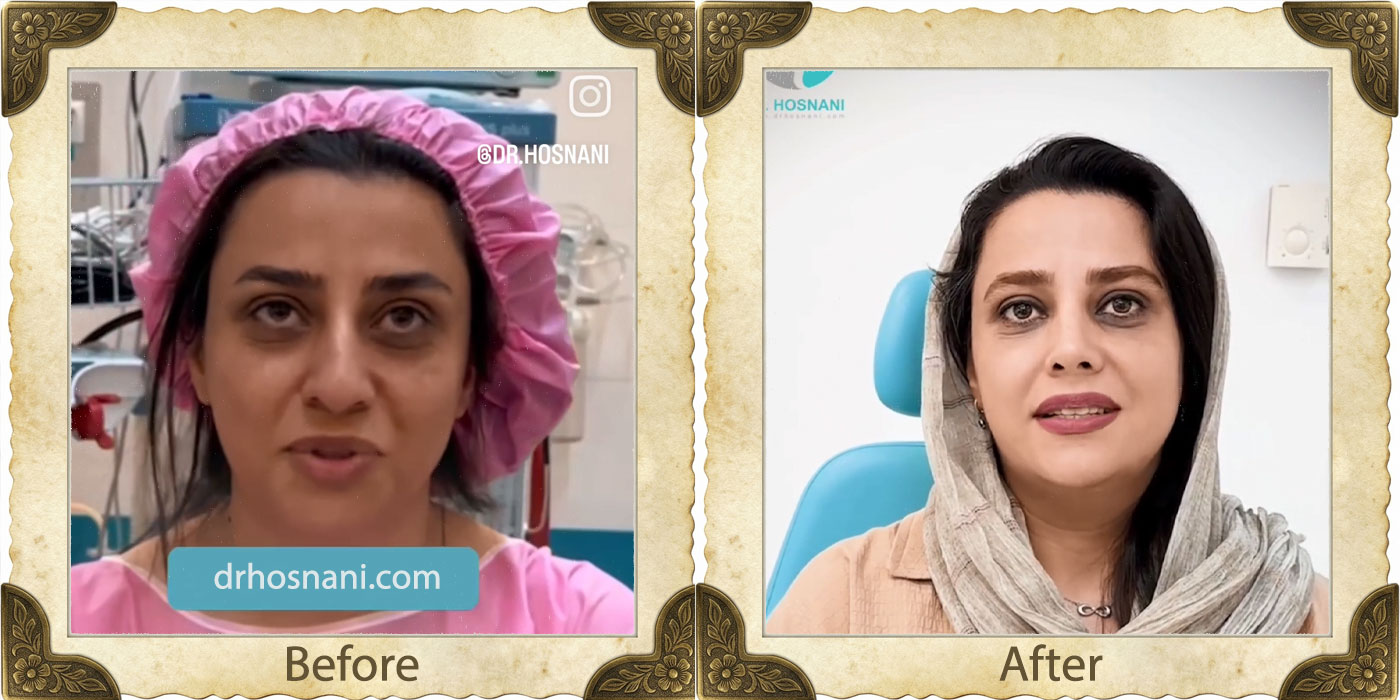
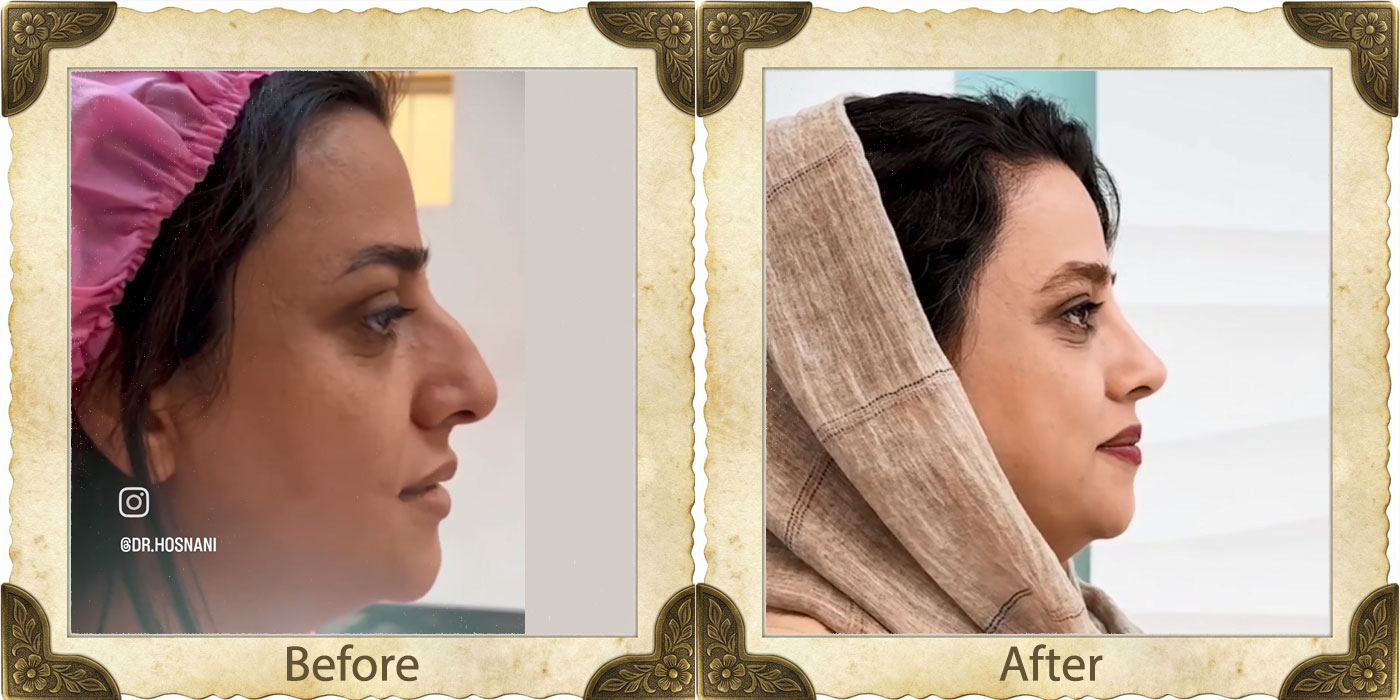
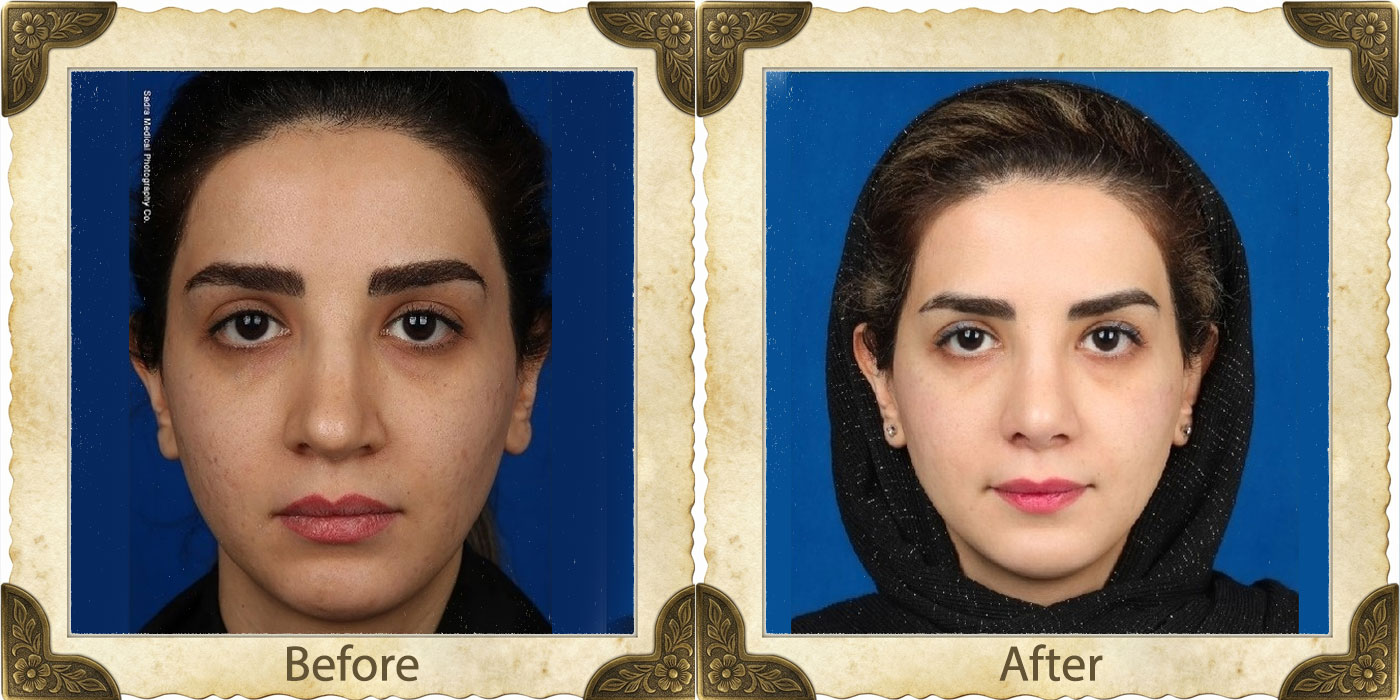
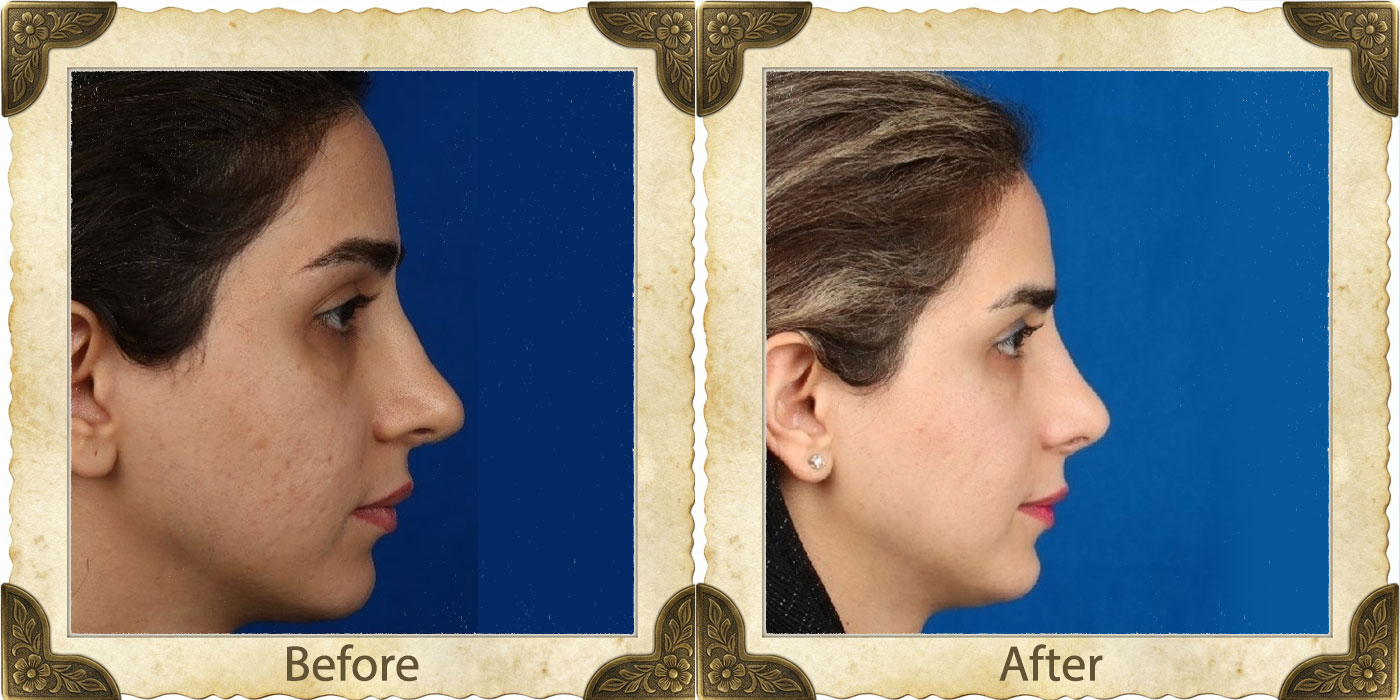
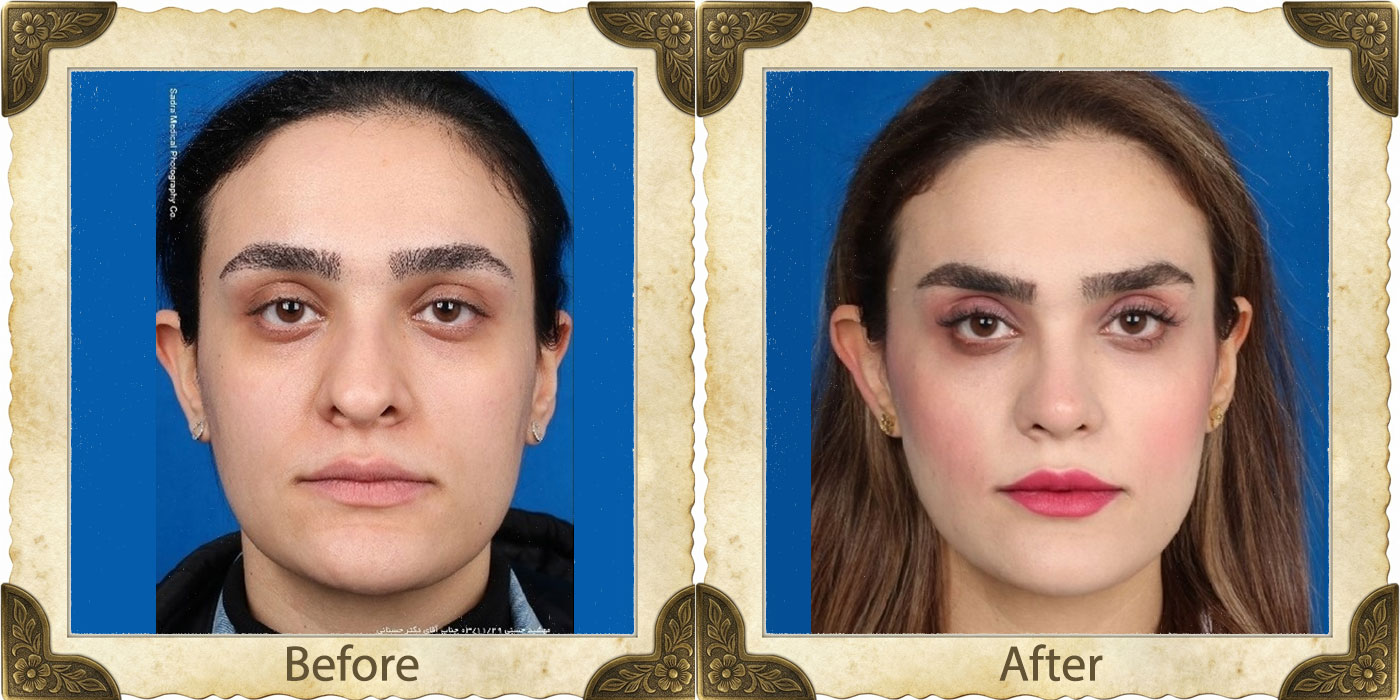
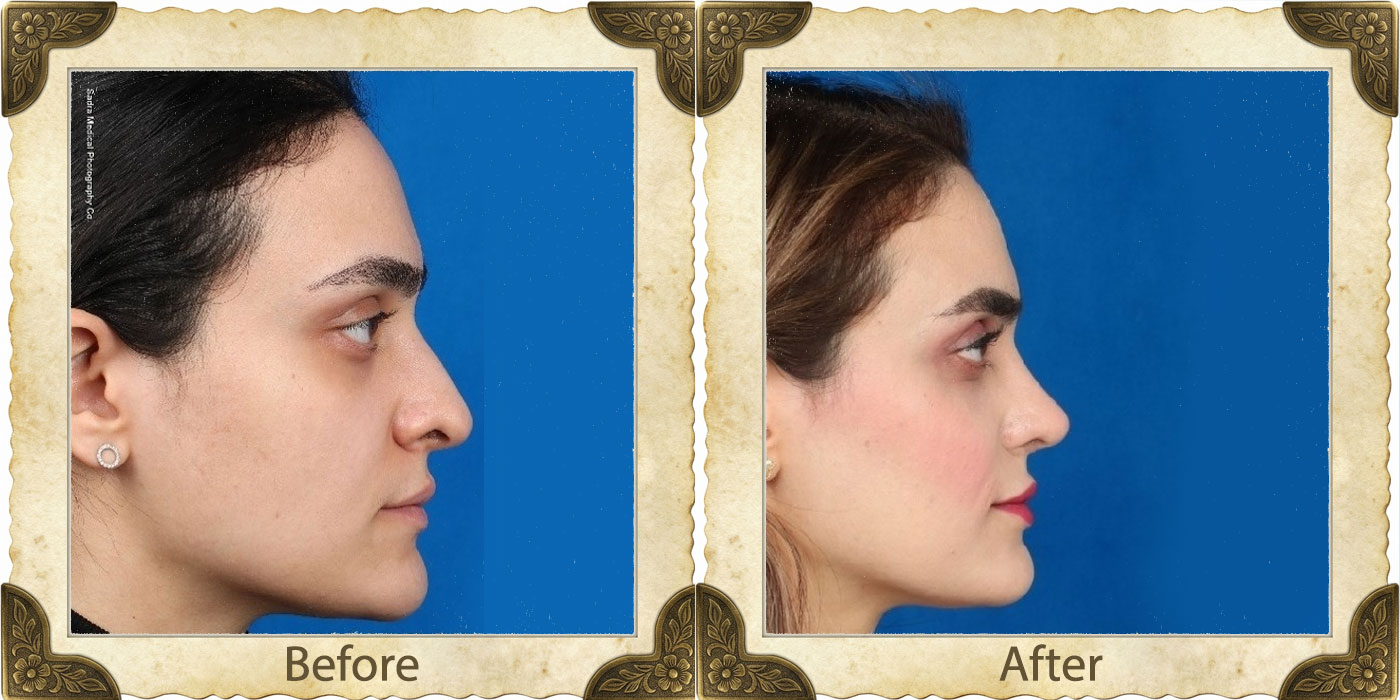
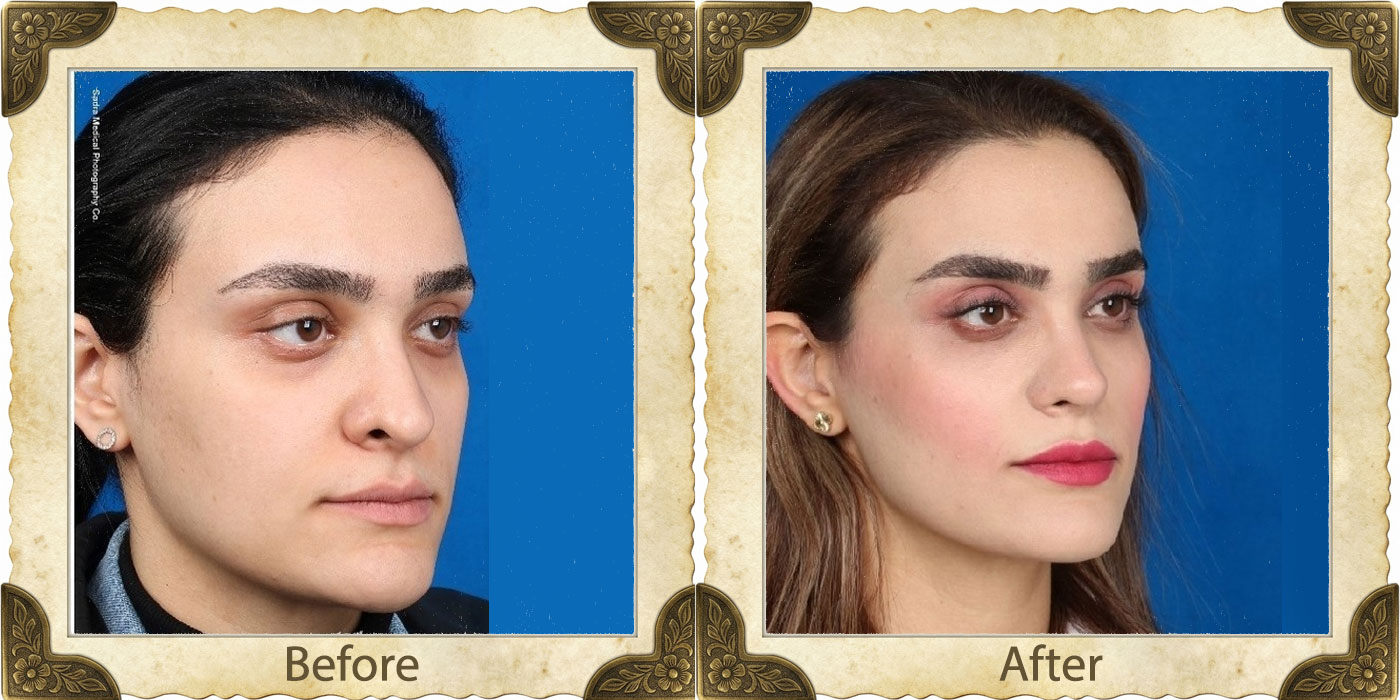
Before and After Photo Gallery: Revision Rhinoplasty