




Site Map
Dr. Hamidreza Hosnani
ENT Specialist | Rhinoplasty Surgeon in Tehran | Nose Surgery Specialist
Nasal beauty standards, rhinoplasty complications, the difference between open and closed techniques, laser in rhinoplasty, facts about nose-shrinking devices, critical reviews of this surgery, the history of rhinoplasty, pre- and post-operative rhinoplasty tips, and the success rate of rhinoplasty are among the topics written and published by Dr. Hosnani on his website.
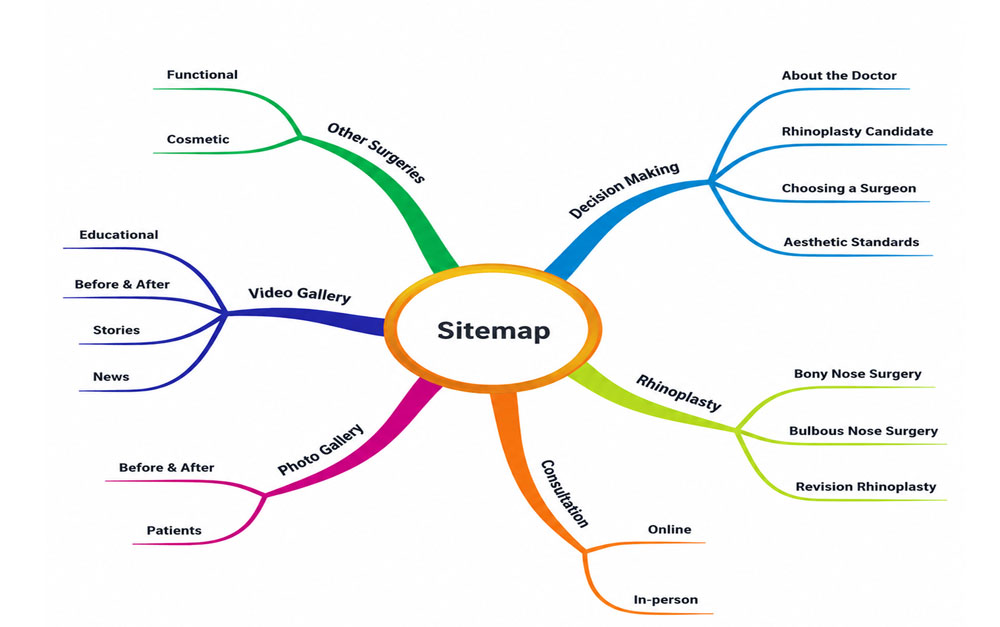
Article categories on Dr. Hosnani’s website
🩺
Rhinoplasty at a Glance
A quick overview of nose surgery types, techniques, benefits, and key points before surgery.
View Page →👨⚕️
About the Surgeon
Learn about the surgeon’s academic background, professional experience, and medical approach.
View Page →📝
Consultation Form
Send your information and photos through the form to receive a consultation.
Open the Form →❓
Ask a Question
Ask your questions about rhinoplasty, recovery period, and surgical results.
Submit Question →🖼️
Before & After Photos
See real examples of rhinoplasty results in different nose shapes and styles.
View Photos →📷
Instagram Page
Follow the latest cases, videos, announcements, and visual content.
View Instagram →📞
Contact Information
Find phone numbers, clinic address, visiting hours, and contact methods.
View Contact Details →Key Content
♦ Rhinoplasty (Nose surgery) in Iran
Dr. Hamidreza Hosnani is an Ear, Nose, and Throat (ENT) specialist and Head and Neck surgeon practicing in Tehran. His professional activities are mainly focused on cosmetic nose surgery, also known as rhinoplasty. According to Dr. Hosnani, rhinoplasty is a combination of science and art. Before surgery, he consults with patients in two stages and carefully evaluates the desired changes. Every year he attends several international rhinoplasty congresses, where he not only learns about the latest techniques but also shares his experience and expertise with other physicians.
♦ About Dr. Hosnani - Rhinoplasty Surgeon
Dr. Hamidreza Hosnani, an ENT specialist and facial surgeon with a board certification in Otolaryngology, has focused his work on rhinoplasty since 2007. So far, he has performed more than 12,000 successful nose surgeries. He is considered one of the pioneers of culturally‑adapted rhinoplasty and believes that when a rhinoplasty specialist has sufficient expertise, the complications of nose surgery are minimal.
♦ Everything About Rhinoplasty; From Decision Making to Years After Surgery
What Is Rhinoplasty? An introduction to the stages of nose surgery, the best age for surgery, breathing problems, and important care tips before and after rhinoplasty.
♦ Dr. Hosnani's Office Address
Contact information and office address of Dr. Hamidreza Hosnani, rhinoplasty surgeon and ENT specialist with board certification.
♦ Site Map
Nasal beauty standards, rhinoplasty complications, the difference between open and closed techniques, laser in rhinoplasty, facts about nose-shrinking devices, critical reviews of this surgery, the history of rhinoplasty, pre- and post-operative rhinoplasty tips, and the success rate of rhinoplasty are among the topics written and published by Dr. Hosnani on his website.
Dr. Hamidreza Hosnani is an Ear, Nose, and Throat (ENT) specialist and Head and Neck surgeon practicing in Tehran. His professional activities are mainly focused on cosmetic nose surgery, also known as rhinoplasty. According to Dr. Hosnani, rhinoplasty is a combination of science and art. Before surgery, he consults with patients in two stages and carefully evaluates the desired changes. Every year he attends several international rhinoplasty congresses, where he not only learns about the latest techniques but also shares his experience and expertise with other physicians.
♦ About Dr. Hosnani - Rhinoplasty Surgeon
Dr. Hamidreza Hosnani, an ENT specialist and facial surgeon with a board certification in Otolaryngology, has focused his work on rhinoplasty since 2007. So far, he has performed more than 12,000 successful nose surgeries. He is considered one of the pioneers of culturally‑adapted rhinoplasty and believes that when a rhinoplasty specialist has sufficient expertise, the complications of nose surgery are minimal.
♦ Everything About Rhinoplasty; From Decision Making to Years After Surgery
What Is Rhinoplasty? An introduction to the stages of nose surgery, the best age for surgery, breathing problems, and important care tips before and after rhinoplasty.
♦ Dr. Hosnani's Office Address
Contact information and office address of Dr. Hamidreza Hosnani, rhinoplasty surgeon and ENT specialist with board certification.
♦ Site Map
Nasal beauty standards, rhinoplasty complications, the difference between open and closed techniques, laser in rhinoplasty, facts about nose-shrinking devices, critical reviews of this surgery, the history of rhinoplasty, pre- and post-operative rhinoplasty tips, and the success rate of rhinoplasty are among the topics written and published by Dr. Hosnani on his website.
Consultation
♦ Online Rhinoplasty Consultation
The best way to receive a rhinoplasty consultation from Dr. Hosnani is to complete the form below, as you will receive a response as quickly as possible. If you prefer, you can also receive consultation via WhatsApp. The WhatsApp number for consultation is listed at the bottom of the page.
♦ In-Person Consultation at the Office
Before nose surgery, be sure to schedule an in-person session and meet with your doctor. In this session, show him photos of the nose you desire and talk about your expectations regarding the surgery. Mention any illnesses or concerns you have about taking medications...
♦ FAQs and Common Questions About Rhinoplasty
Some questions are common, meaning they are frequently asked by website visitors and rhinoplasty applicants. Questions such as the age for rhinoplasty, the best season for nose surgery, the difference between the open and closed methods, etc., have been answered in this section. It is recommended to read these Q&As before asking your own question.
♦ Computerized Nasal Imaging / Nasal Design
The use of computer software like Photoshop can be used as a tool for interaction between the doctor and the patient. However, the result of a computer design cannot be guaranteed. In general, it is better to rely on... rather than requesting a computer design.
♦ Ask Dr. Hosnani | Find Your Answers Here
If you have previously asked a question via the new question registration form, you can view the answer to your question in this section as well as your user profile on the site after one to three weeks. You can also use the online consultation form to receive rhinoplasty advice. You can use this same page to register general questions.
♦ Selected Questions from Dr. Hosnani’s Archive
Many applicants have asked good questions in the consultation section, which have been collected here. By clicking on each question, you will see Dr. Hosnani’s response. Perhaps these questions will arise for you as well.
The best way to receive a rhinoplasty consultation from Dr. Hosnani is to complete the form below, as you will receive a response as quickly as possible. If you prefer, you can also receive consultation via WhatsApp. The WhatsApp number for consultation is listed at the bottom of the page.
♦ In-Person Consultation at the Office
Before nose surgery, be sure to schedule an in-person session and meet with your doctor. In this session, show him photos of the nose you desire and talk about your expectations regarding the surgery. Mention any illnesses or concerns you have about taking medications...
♦ FAQs and Common Questions About Rhinoplasty
Some questions are common, meaning they are frequently asked by website visitors and rhinoplasty applicants. Questions such as the age for rhinoplasty, the best season for nose surgery, the difference between the open and closed methods, etc., have been answered in this section. It is recommended to read these Q&As before asking your own question.
♦ Computerized Nasal Imaging / Nasal Design
The use of computer software like Photoshop can be used as a tool for interaction between the doctor and the patient. However, the result of a computer design cannot be guaranteed. In general, it is better to rely on... rather than requesting a computer design.
♦ Ask Dr. Hosnani | Find Your Answers Here
If you have previously asked a question via the new question registration form, you can view the answer to your question in this section as well as your user profile on the site after one to three weeks. You can also use the online consultation form to receive rhinoplasty advice. You can use this same page to register general questions.
♦ Selected Questions from Dr. Hosnani’s Archive
Many applicants have asked good questions in the consultation section, which have been collected here. By clicking on each question, you will see Dr. Hosnani’s response. Perhaps these questions will arise for you as well.
Decision Making
♦ Am I a Good Candidate?
Anyone who has a significant cosmetic concern or a functional problem with their nose can consider rhinoplasty. A large nose, crooked nose, or nasal hump can sometimes attract so much attention that individuals may even become the subject of teasing by others.
♦ Why Choosing a Good Rhinoplasty Surgeon Is the Most Important Step?
Choosing a good rhinoplasty surgeon is one of the most important decisions in life. If a nose surgery is unsuccessful, you cannot take corrective action for at least one year. If you undergo surgery twice and still are not satisfied, it becomes very unlikely that a third or fourth surgery will produce a satisfactory result.
♦ Standards of Nasal Beauty
Can a standard be defined for a beautiful nose? You have certainly heard that beauty is a relative concept. However, balance and symmetry are always cherished and considered beautiful. An operated nose should be both beautiful and natural...
♦ Factors Affecting Surgical Outcome: Age, Skin Thickness, Surgeon's Skill
The most important factor in achieving the best result is the thickness of the nasal skin. The patient's age should not be under 18 or over 60. The season of the year has no effect on the outcome of the surgery. The success rate of the surgery can be expressed in percentage terms.
♦ Rhinoplasty Price and Cost
Surgery cost, price inquiry, consultation request, Social Security insurance.
♦ Rhinoplasty Differences Between Men and Women
The anatomy of men's noses differs from women's, which is why rhinoplasty for men differs from that for women. These differences can be found both in nasal anatomy and in aesthetic trends between men and women.
♦ Closed Rhinoplasty and Its Difference from Open Rhinoplasty
Closed rhinoplasty is a surgical method where all incisions are made inside the nose, and there are no external incisions on the skin. This method is less invasive, takes less time (usually 1 to 2 hours), leaves no suture marks, and involves a faster recovery (about 1 to 2 weeks). It is suitable for small and moderate changes in the nasal structure, such as correcting a hump or the nasal tip, but the surgeon's access to the inside of the nose is more limited and may not be suitable for complex cases.
♦ Rhinoplasty for Variety!
Woman, man, why do you want to have your nose operated on? I want to create a change and variety in my face! I want to change my mood! I have had an unsuccessful marriage, I want to forget my previous life!...
♦ How Long Does Rhinoplasty Take?
The duration of a rhinoplasty depends on the type of nose, the type of surgery, and the skill of the surgeon. A surgery usually takes an average of two hours, but it varies from one and a half to three hours.
Anyone who has a significant cosmetic concern or a functional problem with their nose can consider rhinoplasty. A large nose, crooked nose, or nasal hump can sometimes attract so much attention that individuals may even become the subject of teasing by others.
♦ Why Choosing a Good Rhinoplasty Surgeon Is the Most Important Step?
Choosing a good rhinoplasty surgeon is one of the most important decisions in life. If a nose surgery is unsuccessful, you cannot take corrective action for at least one year. If you undergo surgery twice and still are not satisfied, it becomes very unlikely that a third or fourth surgery will produce a satisfactory result.
♦ Standards of Nasal Beauty
Can a standard be defined for a beautiful nose? You have certainly heard that beauty is a relative concept. However, balance and symmetry are always cherished and considered beautiful. An operated nose should be both beautiful and natural...
♦ Factors Affecting Surgical Outcome: Age, Skin Thickness, Surgeon's Skill
The most important factor in achieving the best result is the thickness of the nasal skin. The patient's age should not be under 18 or over 60. The season of the year has no effect on the outcome of the surgery. The success rate of the surgery can be expressed in percentage terms.
♦ Rhinoplasty Price and Cost
Surgery cost, price inquiry, consultation request, Social Security insurance.
♦ Rhinoplasty Differences Between Men and Women
The anatomy of men's noses differs from women's, which is why rhinoplasty for men differs from that for women. These differences can be found both in nasal anatomy and in aesthetic trends between men and women.
♦ Closed Rhinoplasty and Its Difference from Open Rhinoplasty
Closed rhinoplasty is a surgical method where all incisions are made inside the nose, and there are no external incisions on the skin. This method is less invasive, takes less time (usually 1 to 2 hours), leaves no suture marks, and involves a faster recovery (about 1 to 2 weeks). It is suitable for small and moderate changes in the nasal structure, such as correcting a hump or the nasal tip, but the surgeon's access to the inside of the nose is more limited and may not be suitable for complex cases.
♦ Rhinoplasty for Variety!
Woman, man, why do you want to have your nose operated on? I want to create a change and variety in my face! I want to change my mood! I have had an unsuccessful marriage, I want to forget my previous life!...
♦ How Long Does Rhinoplasty Take?
The duration of a rhinoplasty depends on the type of nose, the type of surgery, and the skill of the surgeon. A surgery usually takes an average of two hours, but it varies from one and a half to three hours.
Photo Gallery
♦ Dr. Hosnani's Before & After Rhinoplasty Photo Gallery
Before‑and‑after photo gallery of rhinoplasty surgeries performed by Dr. Hamidreza Hosnani.
♦ Beauty Gallery - Selected Photos of Dr. Hosnani’s Patients
Before‑and‑after photos of cosmetic nose surgery, gallery of rhinoplasty photos and images, Dr. Hosnani’s rhinoplasty portfolio and case examples including doll nose, fleshy nose, male nose, female nose, revision rhinoplasty, semi‑fantasy, and natural results.
♦ Fleshy Nose Rhinoplasty with Strong Cartilage
These types of noses have thick skin; therefore they are called fleshy noses. However, they have strong and sufficiently large cartilages. Unlike true fleshy noses, the skeletal framework of this type of nose is not weak. They are more responsive to shaping compared to true fleshy noses, and the surgical results are usually better. They are typically operated on using the structural technique. The nose shape becomes natural and stable. However, expecting a very fantasy‑style or doll‑like nose in such individuals is not very realistic. The nasal tip can be reinforced, and excessive reduction is avoided.
♦ Cartilaginous Nose with Thick Skin
Some noses are cartilaginous but have thick skin.
♦ Wide Range of Nose Types
People who visit Dr. Hosnani for rhinoplasty present with a wide range of nasal types: fleshy noses with thick skin, fleshy noses with strong cartilages, and cartilaginous noses.
Before‑and‑after photo gallery of rhinoplasty surgeries performed by Dr. Hamidreza Hosnani.
♦ Beauty Gallery - Selected Photos of Dr. Hosnani’s Patients
Before‑and‑after photos of cosmetic nose surgery, gallery of rhinoplasty photos and images, Dr. Hosnani’s rhinoplasty portfolio and case examples including doll nose, fleshy nose, male nose, female nose, revision rhinoplasty, semi‑fantasy, and natural results.
♦ Fleshy Nose Rhinoplasty with Strong Cartilage
These types of noses have thick skin; therefore they are called fleshy noses. However, they have strong and sufficiently large cartilages. Unlike true fleshy noses, the skeletal framework of this type of nose is not weak. They are more responsive to shaping compared to true fleshy noses, and the surgical results are usually better. They are typically operated on using the structural technique. The nose shape becomes natural and stable. However, expecting a very fantasy‑style or doll‑like nose in such individuals is not very realistic. The nasal tip can be reinforced, and excessive reduction is avoided.
♦ Cartilaginous Nose with Thick Skin
Some noses are cartilaginous but have thick skin.
♦ Wide Range of Nose Types
People who visit Dr. Hosnani for rhinoplasty present with a wide range of nasal types: fleshy noses with thick skin, fleshy noses with strong cartilages, and cartilaginous noses.
Video Gallery
♦ Videos: Educational, Before & After, Teasers, Entertainment
The website also includes many educational videos such as the story of Esmeralda’s rhinoplasty, Amal’s story, real rhinoplasty surgery footage, animated rhinoplasty videos, Dr. Hosnani’s television programs, instructional videos on how to apply nasal tape, and how to rinse the nose after surgery.
♦ Real Surgical Videos and Animations
In this section you can watch real surgical videos of Dr. Hosnani filmed in the operating room during surgery. If you are sensitive and watching surgical scenes may disturb you, it is better to watch the animated rhinoplasty video instead. These videos are available in Persian, English, and Arabic.
♦ Traveling to Iran for Rhinoplasty - Esmeralda's Story
Many people living outside Iran choose the country as a specialized and well‑considered destination for rhinoplasty. The reason for this popularity is the combination of the high knowledge and experience of Iranian surgeons, the wide variety of surgical cases, and more affordable costs compared with many other countries. In 2015, a girl named Esmeralda from Spain who lived in Dubai decided—like her friend Amal—to undergo rhinoplasty in Iran with Dr. Hosnani. In this article we review Esmeralda’s travel experience.
♦ Traveling to Iran for Rhinoplasty - Amal's Story
Traveling to Iran for rhinoplasty is a serious and carefully planned choice for many international patients. Due to the high experience of surgeons, the diversity of surgical cases, and more affordable costs compared with many countries, rhinoplasty in Iran has attracted international attention. In 2014, a girl named Amal from Morocco who lived in Dubai decided to undergo rhinoplasty in Iran. After searching online and consulting with different doctors, she finally chose Dr. Hamidreza Hosnani for her surgery. In this article we review her travel experience.
♦ Cyra's Rhinoplasty Story
Kyra is a girl who travels from Australia to Iran to undergo rhinoplasty with Dr. Hamidreza Hosnani. She has a nasal hump and wants to correct her nasal deviation and slightly lift the nasal tip.
♦ Najim's Rhinoplasty Story
Najim is a girl who travels from Australia to Iran to undergo cosmetic surgery with Dr. Hamidreza Hosnani. Here you can see the illustrated story of Najim’s rhinoplasty along with a narrative video.
♦ How Did Dr. Hosnani Become an International Rhinoplasty Brand?
Dr. Hamidreza Hosnani, relying on more than two decades of distinguished and specialized experience in rhinoplasty, is recognized as one of the pioneers and prominent figures of cosmetic nose surgery internationally. By performing more than 15,000 successful rhinoplasty procedures, he has presented a unique combination of aesthetic artistry and precise medical knowledge, resulting in high patient satisfaction and stable, complication‑free outcomes.
♦ Dr. Hosnani’s TV Appearances
Educational points from Dr. Hosnani’s television programs that have been broadcast on various networks over the past several years have been collected and presented in this section as short, informative clips.
♦ BBC Report on Why Westerners Travel to Iran for Rhinoplasty
Travel to Iran from European and American countries for cosmetic nose surgery has increased significantly over the past 10 years, and many people travel to Iran and Tehran for rhinoplasty. This phenomenon has recently attracted the attention of foreign media, many of which have produced reports on the subject.
♦ France 24 TV Report on Rhinoplasty in Iran
Travel to Iran from European and American countries for cosmetic nose surgery has increased significantly over the past 10 years, and many people travel to Iran and Tehran for rhinoplasty. This phenomenon has recently attracted the attention of foreign media, many of which have produced reports on the subject.
♦ ITV Report on the Trend of Rhinoplasty Among Iranian Youth
The trend of rhinoplasty in Iran is not new. A reporter from the ITV network traveled to Iran to speak with Iranian youth as well as one of the country’s most well‑known rhinoplasty surgeons and prepared a report on the subject.
♦ Videos dubbed in English
The website also includes many educational videos such as the story of Esmeralda’s rhinoplasty, Amal’s story, real rhinoplasty surgery footage, animated rhinoplasty videos, Dr. Hosnani’s television programs, instructional videos on how to apply nasal tape, and how to rinse the nose after surgery.
♦ Real Surgical Videos and Animations
In this section you can watch real surgical videos of Dr. Hosnani filmed in the operating room during surgery. If you are sensitive and watching surgical scenes may disturb you, it is better to watch the animated rhinoplasty video instead. These videos are available in Persian, English, and Arabic.
♦ Traveling to Iran for Rhinoplasty - Esmeralda's Story
Many people living outside Iran choose the country as a specialized and well‑considered destination for rhinoplasty. The reason for this popularity is the combination of the high knowledge and experience of Iranian surgeons, the wide variety of surgical cases, and more affordable costs compared with many other countries. In 2015, a girl named Esmeralda from Spain who lived in Dubai decided—like her friend Amal—to undergo rhinoplasty in Iran with Dr. Hosnani. In this article we review Esmeralda’s travel experience.
♦ Traveling to Iran for Rhinoplasty - Amal's Story
Traveling to Iran for rhinoplasty is a serious and carefully planned choice for many international patients. Due to the high experience of surgeons, the diversity of surgical cases, and more affordable costs compared with many countries, rhinoplasty in Iran has attracted international attention. In 2014, a girl named Amal from Morocco who lived in Dubai decided to undergo rhinoplasty in Iran. After searching online and consulting with different doctors, she finally chose Dr. Hamidreza Hosnani for her surgery. In this article we review her travel experience.
♦ Cyra's Rhinoplasty Story
Kyra is a girl who travels from Australia to Iran to undergo rhinoplasty with Dr. Hamidreza Hosnani. She has a nasal hump and wants to correct her nasal deviation and slightly lift the nasal tip.
♦ Najim's Rhinoplasty Story
Najim is a girl who travels from Australia to Iran to undergo cosmetic surgery with Dr. Hamidreza Hosnani. Here you can see the illustrated story of Najim’s rhinoplasty along with a narrative video.
♦ How Did Dr. Hosnani Become an International Rhinoplasty Brand?
Dr. Hamidreza Hosnani, relying on more than two decades of distinguished and specialized experience in rhinoplasty, is recognized as one of the pioneers and prominent figures of cosmetic nose surgery internationally. By performing more than 15,000 successful rhinoplasty procedures, he has presented a unique combination of aesthetic artistry and precise medical knowledge, resulting in high patient satisfaction and stable, complication‑free outcomes.
♦ Dr. Hosnani’s TV Appearances
Educational points from Dr. Hosnani’s television programs that have been broadcast on various networks over the past several years have been collected and presented in this section as short, informative clips.
♦ BBC Report on Why Westerners Travel to Iran for Rhinoplasty
Travel to Iran from European and American countries for cosmetic nose surgery has increased significantly over the past 10 years, and many people travel to Iran and Tehran for rhinoplasty. This phenomenon has recently attracted the attention of foreign media, many of which have produced reports on the subject.
♦ France 24 TV Report on Rhinoplasty in Iran
Travel to Iran from European and American countries for cosmetic nose surgery has increased significantly over the past 10 years, and many people travel to Iran and Tehran for rhinoplasty. This phenomenon has recently attracted the attention of foreign media, many of which have produced reports on the subject.
♦ ITV Report on the Trend of Rhinoplasty Among Iranian Youth
The trend of rhinoplasty in Iran is not new. A reporter from the ITV network traveled to Iran to speak with Iranian youth as well as one of the country’s most well‑known rhinoplasty surgeons and prepared a report on the subject.
♦ Videos dubbed in English
Surgical Procedure
♦ Step-by-Step Rhinoplasty
On the night before surgery, eat a normal dinner. After midnight, do not eat or drink anything. On the day of surgery, arrive at the clinic exactly at the scheduled time. Feeling stress before surgery is completely normal.
♦ Pre-operative Tips for Rhinoplasty
Before rhinoplasty, facial surgery, or eyelid surgery, you must fast. Do not smoke or take aspirin for two weeks before and two weeks after surgery. Certain medical tests must also be performed, and you should have studio photographs of your face taken from different angles.
♦ Blood Tests Before Rhinoplasty and Facial Plastic Surgery
Before rhinoplasty and cosmetic facial surgery, several blood tests are performed to ensure your physical health, confirm the absence of coagulation disorders or certain diseases, and ensure that female patients are not pregnant. Blood tests before rhinoplasty usually include fasting blood sugar, anemia evaluation, coagulation tests, as well as HIV and hepatitis screening. Any blood disorder should be reported to the doctor so that postoperative bleeding can be prevented.
♦ What Is a Nasal CT Scan?
A CT scan image of the internal structure of the nose is usually taken by the patient before rhinoplasty and presented to the surgeon. During surgery, these images are placed on an illuminated viewing panel mounted on the wall in the operating room so the doctor can consider the internal nasal anatomy while performing the procedure.
On the night before surgery, eat a normal dinner. After midnight, do not eat or drink anything. On the day of surgery, arrive at the clinic exactly at the scheduled time. Feeling stress before surgery is completely normal.
♦ Pre-operative Tips for Rhinoplasty
Before rhinoplasty, facial surgery, or eyelid surgery, you must fast. Do not smoke or take aspirin for two weeks before and two weeks after surgery. Certain medical tests must also be performed, and you should have studio photographs of your face taken from different angles.
♦ Blood Tests Before Rhinoplasty and Facial Plastic Surgery
Before rhinoplasty and cosmetic facial surgery, several blood tests are performed to ensure your physical health, confirm the absence of coagulation disorders or certain diseases, and ensure that female patients are not pregnant. Blood tests before rhinoplasty usually include fasting blood sugar, anemia evaluation, coagulation tests, as well as HIV and hepatitis screening. Any blood disorder should be reported to the doctor so that postoperative bleeding can be prevented.
♦ What Is a Nasal CT Scan?
A CT scan image of the internal structure of the nose is usually taken by the patient before rhinoplasty and presented to the surgeon. During surgery, these images are placed on an illuminated viewing panel mounted on the wall in the operating room so the doctor can consider the internal nasal anatomy while performing the procedure.
First Week After Surgery
♦ Rhinoplasty Recovery Period
The recovery period after rhinoplasty usually lasts about seven days. Some patients go through recovery easily, while others may experience issues such as headaches, nasal congestion, and bruising around the eyes. Rest for one week during the recovery period is recommended.
♦ What Is a Nasal Splint?
After rhinoplasty, a plastic splint is placed on your nose for one week to support the nasal cartilage and bones and to protect the new nasal structure. This plastic support is also called a nasal cast or nasal splint.
♦ What Should You Eat After Rhinoplasty?
Avoid eating unusual foods that you have never tried before. Do not drink liquids through a straw. Do not use this opportunity to try to lose weight. Avoid hard foods. Eat soft foods such as soup and boiled potatoes. Avoid foods that are difficult to digest. Do not eat spicy foods or peppers. Other than these recommendations, there are no major dietary restrictions.
♦ Post‑operative Care for Rhinoplasty
Post‑operative care after cosmetic or plastic nose surgery. Please read the following recommendations carefully and follow them after rhinoplasty to achieve the best possible results.
♦ What Is a Nasal Dressing?
After rhinoplasty, a splint is placed on the nose and sterile gauze is placed under the nose. The combination of the splint and the sterile gauze under the nose is called the nasal dressing. The splint or nasal cast must remain on the nose for one week, but you can change the sterile gauze under the nose yourself every six hours.
♦ Sneezing After Rhinoplasty
Sneezing after rhinoplasty is not a concern as long as it is done with the mouth open. By maintaining nasal hygiene, using a cool‑mist humidifier, and avoiding irritants, you can minimize sneezing and experience a smoother recovery period.
♦ What Is a Nasal Tampon?
Dr. Hosnani does not use nasal packing (tampons). In the past, bulky dressings called nasal tampons (commonly known as wicks, mesh, or filters) were used to repair internal nasal incisions. These were uncomfortable for patients, and their removal was painful. Fortunately, with modern surgical techniques, nasal tampons are no longer necessary. In Dr. Hosnani’s newer techniques, washable plastic tubes called nostril retainers are used instead.
♦ Blowing Your Nose After Rhinoplasty
After rhinoplasty, you should not blow your nose for three weeks or even up to one month. Blowing the nose puts significant pressure on the nasal tissues and may cause the sutures to tear. During the first three weeks, the nasal mucosa is held together mainly by sutures, so blowing the nose may cause them to separate. After three weeks—and preferably after one month—blowing the nose is usually safe, but it is still better to do so gently.
♦ Cleaning Your Nose After Rhinoplasty
After rhinoplasty, the presence of blood clots, dried secretions, and crusts inside the nose is completely normal and usually resolves within a few days to a few weeks. Cleaning these clots must be done very gently because the nose is still sensitive during this period, and excessive manipulation may cause bleeding, inflammation, or even displacement of tissues. The best method is to use saline solution (normal saline) with a needle‑free syringe or specialized nasal rinse sprays to soften and remove the clots safely. If you see stubborn crusts or hard clots, do not remove them with your fingers or cotton swabs because this may damage the newly healed mucosa.
♦ How to Sleep After Rhinoplasty
During the first two or three days after surgery, it is better to keep your head elevated above your body so that interstitial fluids can drain from the nose, head, and face.
♦ Rhinoplasty Sutures
Two types of sutures are used in rhinoplasty. External incisions are closed with removable sutures, while absorbable sutures are used inside the nose. External stitches are usually removed seven days after surgery.
♦ Bathing After Rhinoplasty
After surgery, you will have a plastic splint on your nose for about one week, and it must not get wet. Therefore, you cannot shower in your usual way. Do not shower alone during this period.
♦ Nasal Taping After Surgery
Applying nasal tape after surgery has two important benefits: reducing swelling and helping the nose maintain its proper shape. In this section, an instructional video and step‑by‑step guidance on how to tape the nose after surgery are provided. After rhinoplasty, it is recommended to keep nasal tape on the nose for about two weeks to two months. The correct method is to first clean the nose and cheeks thoroughly and then apply the paper tape...
♦ Medications After Rhinoplasty
Nasal drops, nasal ointment, antibiotics, pain relievers, and antihistamines are among the medications used after rhinoplasty. These medications are prescribed at the time of discharge. For one month, four drops should be used every six hours...
♦ Three Methods for Nasal Irrigation After Rhinoplasty
Three weeks after rhinoplasty, you can wash your nose using a syringe according to the method taught by Dr. Hosnani in this section. During the first three weeks, using nasal drops is sufficient. Various methods exist for nasal irrigation, but according to Dr. Hosnani, the best method for a surgically operated nose is rinsing with a syringe.
♦ Cortisone Injection into the Nose After Surgery
Sometimes after rhinoplasty, certain areas of the nose develop swelling or fibrosis beyond the normal range. Injecting corticosteroids into those areas helps the swelling disappear quickly and prevents the progression of fibrosis. To reduce swelling, a corticosteroid injection may be given about one week after surgery to ensure that the gentle curvature that should appear on the nasal bridge—especially in female noses—is preserved if swelling occurs in that area.
♦ Nasal Massage After Rhinoplasty
Nasal massage is performed by the surgeon when he believes that certain areas of the nose require controlled pressure to improve the final shape. Patients should not massage their noses themselves.
♦ Laughing and Crying After Rhinoplasty
It is recommended that after cosmetic rhinoplasty, patients avoid intense laughing or heavy crying for about one month because these actions can move the upper jaw.
♦ Wearing Glasses After Rhinoplasty
For one month after rhinoplasty, you should not wear glasses. If wearing glasses is absolutely necessary, they should be taped to the forehead for short periods so that the weight of the glasses does not rest on the nose.
♦ Yawning After Rhinoplasty
In general, yawning does not affect the results of rhinoplasty. However, after surgery it is better not to open your mouth too widely when yawning. Sudden facial muscle movements and excessive mouth opening can place pressure on the sutures, splint, and healing nasal tissues, especially in the early days after surgery. This pressure may cause discomfort, tension, or increased swelling. Therefore, patients are advised to control yawning during the early weeks after surgery.
♦ Flying and Traveling After Rhinoplasty
For patients traveling from distant cities or from abroad, air travel is generally not recommended for at least one week after rhinoplasty. If no problems such as nasal bleeding occur, domestic air travel may be possible after 48 hours. For those traveling long distances or internationally, flying after one week is usually acceptable.
The recovery period after rhinoplasty usually lasts about seven days. Some patients go through recovery easily, while others may experience issues such as headaches, nasal congestion, and bruising around the eyes. Rest for one week during the recovery period is recommended.
♦ What Is a Nasal Splint?
After rhinoplasty, a plastic splint is placed on your nose for one week to support the nasal cartilage and bones and to protect the new nasal structure. This plastic support is also called a nasal cast or nasal splint.
♦ What Should You Eat After Rhinoplasty?
Avoid eating unusual foods that you have never tried before. Do not drink liquids through a straw. Do not use this opportunity to try to lose weight. Avoid hard foods. Eat soft foods such as soup and boiled potatoes. Avoid foods that are difficult to digest. Do not eat spicy foods or peppers. Other than these recommendations, there are no major dietary restrictions.
♦ Post‑operative Care for Rhinoplasty
Post‑operative care after cosmetic or plastic nose surgery. Please read the following recommendations carefully and follow them after rhinoplasty to achieve the best possible results.
♦ What Is a Nasal Dressing?
After rhinoplasty, a splint is placed on the nose and sterile gauze is placed under the nose. The combination of the splint and the sterile gauze under the nose is called the nasal dressing. The splint or nasal cast must remain on the nose for one week, but you can change the sterile gauze under the nose yourself every six hours.
♦ Sneezing After Rhinoplasty
Sneezing after rhinoplasty is not a concern as long as it is done with the mouth open. By maintaining nasal hygiene, using a cool‑mist humidifier, and avoiding irritants, you can minimize sneezing and experience a smoother recovery period.
♦ What Is a Nasal Tampon?
Dr. Hosnani does not use nasal packing (tampons). In the past, bulky dressings called nasal tampons (commonly known as wicks, mesh, or filters) were used to repair internal nasal incisions. These were uncomfortable for patients, and their removal was painful. Fortunately, with modern surgical techniques, nasal tampons are no longer necessary. In Dr. Hosnani’s newer techniques, washable plastic tubes called nostril retainers are used instead.
♦ Blowing Your Nose After Rhinoplasty
After rhinoplasty, you should not blow your nose for three weeks or even up to one month. Blowing the nose puts significant pressure on the nasal tissues and may cause the sutures to tear. During the first three weeks, the nasal mucosa is held together mainly by sutures, so blowing the nose may cause them to separate. After three weeks—and preferably after one month—blowing the nose is usually safe, but it is still better to do so gently.
♦ Cleaning Your Nose After Rhinoplasty
After rhinoplasty, the presence of blood clots, dried secretions, and crusts inside the nose is completely normal and usually resolves within a few days to a few weeks. Cleaning these clots must be done very gently because the nose is still sensitive during this period, and excessive manipulation may cause bleeding, inflammation, or even displacement of tissues. The best method is to use saline solution (normal saline) with a needle‑free syringe or specialized nasal rinse sprays to soften and remove the clots safely. If you see stubborn crusts or hard clots, do not remove them with your fingers or cotton swabs because this may damage the newly healed mucosa.
♦ How to Sleep After Rhinoplasty
During the first two or three days after surgery, it is better to keep your head elevated above your body so that interstitial fluids can drain from the nose, head, and face.
♦ Rhinoplasty Sutures
Two types of sutures are used in rhinoplasty. External incisions are closed with removable sutures, while absorbable sutures are used inside the nose. External stitches are usually removed seven days after surgery.
♦ Bathing After Rhinoplasty
After surgery, you will have a plastic splint on your nose for about one week, and it must not get wet. Therefore, you cannot shower in your usual way. Do not shower alone during this period.
♦ Nasal Taping After Surgery
Applying nasal tape after surgery has two important benefits: reducing swelling and helping the nose maintain its proper shape. In this section, an instructional video and step‑by‑step guidance on how to tape the nose after surgery are provided. After rhinoplasty, it is recommended to keep nasal tape on the nose for about two weeks to two months. The correct method is to first clean the nose and cheeks thoroughly and then apply the paper tape...
♦ Medications After Rhinoplasty
Nasal drops, nasal ointment, antibiotics, pain relievers, and antihistamines are among the medications used after rhinoplasty. These medications are prescribed at the time of discharge. For one month, four drops should be used every six hours...
♦ Three Methods for Nasal Irrigation After Rhinoplasty
Three weeks after rhinoplasty, you can wash your nose using a syringe according to the method taught by Dr. Hosnani in this section. During the first three weeks, using nasal drops is sufficient. Various methods exist for nasal irrigation, but according to Dr. Hosnani, the best method for a surgically operated nose is rinsing with a syringe.
♦ Cortisone Injection into the Nose After Surgery
Sometimes after rhinoplasty, certain areas of the nose develop swelling or fibrosis beyond the normal range. Injecting corticosteroids into those areas helps the swelling disappear quickly and prevents the progression of fibrosis. To reduce swelling, a corticosteroid injection may be given about one week after surgery to ensure that the gentle curvature that should appear on the nasal bridge—especially in female noses—is preserved if swelling occurs in that area.
♦ Nasal Massage After Rhinoplasty
Nasal massage is performed by the surgeon when he believes that certain areas of the nose require controlled pressure to improve the final shape. Patients should not massage their noses themselves.
♦ Laughing and Crying After Rhinoplasty
It is recommended that after cosmetic rhinoplasty, patients avoid intense laughing or heavy crying for about one month because these actions can move the upper jaw.
♦ Wearing Glasses After Rhinoplasty
For one month after rhinoplasty, you should not wear glasses. If wearing glasses is absolutely necessary, they should be taped to the forehead for short periods so that the weight of the glasses does not rest on the nose.
♦ Yawning After Rhinoplasty
In general, yawning does not affect the results of rhinoplasty. However, after surgery it is better not to open your mouth too widely when yawning. Sudden facial muscle movements and excessive mouth opening can place pressure on the sutures, splint, and healing nasal tissues, especially in the early days after surgery. This pressure may cause discomfort, tension, or increased swelling. Therefore, patients are advised to control yawning during the early weeks after surgery.
♦ Flying and Traveling After Rhinoplasty
For patients traveling from distant cities or from abroad, air travel is generally not recommended for at least one week after rhinoplasty. If no problems such as nasal bleeding occur, domestic air travel may be possible after 48 hours. For those traveling long distances or internationally, flying after one week is usually acceptable.
Surgeries
♦ List of Surgeries Performed by Dr. Hamidreza Hosnani
At the same time as rhinoplasty, two categories of procedures can also be performed on other parts of the face. The first category includes cosmetic facial procedures such as chin implants, fat injections (lipofilling), and eyelid surgery. The second category includes functional nasal surgeries such as septoplasty to correct internal nasal deviation, nasal fracture repair, nasal polyp surgery, turbinate reduction (turbinoplasty), and endoscopic sinus surgery.
♦ Deviated and Crooked Nose
A deviated septum is different from a crooked nose. The deviation of the internal nasal septum is sometimes mistaken for the external crooked appearance of the nose. Inside the nose there is a thin vertical plate called the septum that acts like the central pole of a tent and helps support the structure of the nose.
♦ Simultaneous Cosmetic Rhinoplasty and Nasal Fracture Repair
Some people experience nasal fractures due to trauma. In such cases, the individual’s previously hidden dissatisfaction with their nose may surface, and they may decide to undergo rhinoplasty.
♦ Rhinoplasty Differences Across Ethnicities
In general, four main ethnic groups visit Dr. Hosnani for rhinoplasty: people from the Middle East, East Asian and Afghan ethnic groups, Europeans, and Africans. Dr. Hosnani adapts and personalizes rhinoplasty techniques according to the characteristics of each ethnic group.
♦ Rhinoplasty for Asian and Afghan Ethnicities
A special feature of Asian noses, such as those of Afghans, Chinese, and Koreans, is that in profile view, the nose has not developed sufficiently relative to the face. This insufficient growth causes the nose to appear wide and featureless in the frontal view as well. Rhinoplasty for Asian (East Asian) and Afghan regional ethnicities requires different approaches due to the specific anatomical characteristics of these groups. In modern cosmetic nose surgery, the goal is no longer to create a Western nose on Eastern faces, but rather to preserve ethnic authenticity while enhancing beauty and proportion.
♦ Nose Reduction Surgery
In the Iranian ethnicity, the size of the nose is large compared to other facial features. Since facial beauty depends on the proportionality of different facial components, Iranians have wisely realized that to have a more attractive face, they should have a smaller nose. This is different for other ethnicities. Reducing the size of the nose is possible through surgery, provided it does not disrupt the proportion between the nose and the face and does not cause respiratory dysfunction.
♦ Is Your Nose Too Small After Surgery? How to Enlarge It?
Augmentation (increasing the size) of the nose can be performed for individuals whose noses have become excessively small following previous surgeries. Some individuals have had their noses reduced so much after previous surgeries that they suffer from respiratory problems.
♦ Bony Nose Rhinoplasty
If the nasal skin is thin and the nasal bones and cartilage are strong, it is called a bony (cartilaginous) nose. Surgery for bony noses is generally easier than for fleshy noses, and the results are usually better.
♦ Fleshy Nose Rhinoplasty
When the skin of the nose is thick and the nasal cartilages are weak, it is called a fleshy nose. With older surgical techniques, little could be done for fleshy noses because those methods were mainly reductive. However, with modern techniques, achieving aesthetic improvements in fleshy noses has become possible.
♦ Revision or Secondary Rhinoplasty
If you have already had one nose surgery and are dissatisfied with the result, you should wait at least one year before considering revision (secondary) rhinoplasty. If you plan to undergo a second surgery, it is important to carefully follow the recommendations provided in this section.
♦ Preservation Rhinoplasty
Preservation rhinoplasty is a modern surgical technique that emphasizes preserving as much of the natural nasal anatomy as possible rather than aggressively removing tissue. Unlike traditional rhinoplasty, which was often reductive and involved extensive cutting of cartilage and bone, this technique focuses on minimizing incisions and preserving soft tissue structures. The goal is to achieve natural results with less swelling, faster recovery, and fewer complications such as breathing problems. The method often includes specialized osteotomies around the Webster triangle and the tripod structure of the nasal pyramid.
♦ Minor Nasal Revision
Rhinoplasty, like any other cosmetic procedure, is a precise and artistic process whose final result usually becomes fully apparent after about one year. During this time, swelling gradually subsides, the nasal tissue takes shape, and the final form of the nose emerges. However, sometimes after this period has passed, there are minor flaws or slight changes in the shape of the nose that the patient or even the surgeon may notice. In such circumstances, a complete re-operation is usually not necessary; rather, these flaws can be corrected in the simplest and safest way possible through minor nasal revision.
♦ Open Rhinoplasty Technique
In open rhinoplasty, a small incision is made on the columella (the thin skin between the two nostrils), and the skin of the nose is completely lifted so that the surgeon has a direct and extensive view of the cartilaginous and bony skeleton. According to Dr. Hosnani, this method is more suitable for complex cases such as fleshy noses, cases requiring cartilage reinforcement, severe nasal tip correction, or revision surgeries, because it provides greater precision and control in shaping the tip and creating symmetry, and the incision mark usually becomes very faint and almost invisible after a few months.
♦ Structural Rhinoplasty
Structural rhinoplasty relies on preserving and strengthening the main framework of the nose; its goal is not just to reduce the size of the nose, but to create a strong and stable structure to maintain beauty and respiratory function in the long term. Dr. Hosnani explains that in this method, by using precise sutures and sometimes cartilage grafting, the nasal skeleton is reconstructed and reinforced to prevent drooping of the tip, regression of form, or subsequent respiratory problems.
♦ Endoscopic Sinus Surgery
It is possible to perform sinus endoscopy and cosmetic rhinoplasty at the same time.
♦ Nasal Polyp Surgery
The nasal mucosa may grow excessively due to various factors. In such cases, extra tissue forms inside the nose called a nasal polyp. Polyps occupy space inside the nasal cavity and make breathing difficult.
♦ Treatment of Nasal Fractures
Resetting the nasal bones is only possible up to about one month after a nasal fracture. After one month, the bones usually heal together, and correction of the nasal shape becomes possible only through cosmetic rhinoplasty. The sooner the nasal bones are repositioned after a fracture, the better the result.
♦ Nasal Filler Injection - Rhinoplasty with Fillers
In some cases where there are depressions on the nose that create a false hump, injectable fillers or fat injections may be used. The so‑called “five‑minute nose job” usually refers to procedures in which fillers are injected to temporarily correct certain nasal imperfections. These methods cannot be considered surgery. Their effects are temporary and sometimes may even lead to nasal deformities. For example, a woman who had fillers injected five years ago due to disproportion between her nose and face later developed irregular depressions in some areas of her nose. In the past, surgeons corrected drooping nasal tips by shortening the nasal cartilages. The drawback of that method was that, due to gravity and healing processes inside the nose, the tip sometimes dropped again over time. For this reason, surgeons used to elevate the nasal tip excessively so that it would eventually settle into the desired position.
♦ Simultaneous Eyelid Surgery (Blepharoplasty) and Rhinoplasty
With aging, changes occur around the eyes including skin sagging and displacement of fat within the eyelids. These changes make the face appear older. If you would like to look several years younger with a relatively simple procedure and small changes to the eyelids, eyelid surgery (blepharoplasty) may be a suitable option. In eyelid surgery, excess skin and fat around the eyes are removed. As a result, puffiness of the upper eyelids, bag‑like swelling under the eyes, drooping of the upper eyelid, and sagging of the lower eyelid can be corrected. Eyelid surgery is generally recommended for women and men over the age of 35.
♦ Simultaneous Facial Fat Grafting and Rhinoplasty
Fat injection, or lipofilling, is a procedure in which facial volume is restored using fat from your own body. By enhancing the cheeks and lips, reducing hollowness around the eyes, and improving the appearance of scars, a more natural facial beauty can be achieved. Dr. Hosnani usually performs lipofilling under local anesthesia or mild sedation. The required fat can be taken from different areas of the body, usually the abdomen or upper thigh, and then injected into the desired area.
♦ Botox Injection
Botox is an injectable substance used to temporarily paralyze muscles. It is actually a type of toxin that is injected locally into specific muscles responsible for wrinkles, such as those on the forehead or around the eyes. This injection reduces wrinkles and its effect usually lasts about six months. Temporary muscle relaxation prevents the formation of wrinkles, especially during facial expressions such as smiling or frowning.
♦ Chin Implant Surgery (Genioplasty)
Chin implants (mentoplasty) are among the common procedures in facial cosmetic surgery. They are performed to increase chin projection, correct a receding chin, and create better harmony among facial features. The chin plays an important role in shaping the facial profile and balancing facial lines. A small or receding chin can make the nose appear larger, reduce the definition of the neck angle, and decrease overall facial attractiveness. Chin implants are a safe and minimally invasive method with long‑lasting results that help restore facial balance.
At the same time as rhinoplasty, two categories of procedures can also be performed on other parts of the face. The first category includes cosmetic facial procedures such as chin implants, fat injections (lipofilling), and eyelid surgery. The second category includes functional nasal surgeries such as septoplasty to correct internal nasal deviation, nasal fracture repair, nasal polyp surgery, turbinate reduction (turbinoplasty), and endoscopic sinus surgery.
♦ Deviated and Crooked Nose
A deviated septum is different from a crooked nose. The deviation of the internal nasal septum is sometimes mistaken for the external crooked appearance of the nose. Inside the nose there is a thin vertical plate called the septum that acts like the central pole of a tent and helps support the structure of the nose.
♦ Simultaneous Cosmetic Rhinoplasty and Nasal Fracture Repair
Some people experience nasal fractures due to trauma. In such cases, the individual’s previously hidden dissatisfaction with their nose may surface, and they may decide to undergo rhinoplasty.
♦ Rhinoplasty Differences Across Ethnicities
In general, four main ethnic groups visit Dr. Hosnani for rhinoplasty: people from the Middle East, East Asian and Afghan ethnic groups, Europeans, and Africans. Dr. Hosnani adapts and personalizes rhinoplasty techniques according to the characteristics of each ethnic group.
♦ Rhinoplasty for Asian and Afghan Ethnicities
A special feature of Asian noses, such as those of Afghans, Chinese, and Koreans, is that in profile view, the nose has not developed sufficiently relative to the face. This insufficient growth causes the nose to appear wide and featureless in the frontal view as well. Rhinoplasty for Asian (East Asian) and Afghan regional ethnicities requires different approaches due to the specific anatomical characteristics of these groups. In modern cosmetic nose surgery, the goal is no longer to create a Western nose on Eastern faces, but rather to preserve ethnic authenticity while enhancing beauty and proportion.
♦ Nose Reduction Surgery
In the Iranian ethnicity, the size of the nose is large compared to other facial features. Since facial beauty depends on the proportionality of different facial components, Iranians have wisely realized that to have a more attractive face, they should have a smaller nose. This is different for other ethnicities. Reducing the size of the nose is possible through surgery, provided it does not disrupt the proportion between the nose and the face and does not cause respiratory dysfunction.
♦ Is Your Nose Too Small After Surgery? How to Enlarge It?
Augmentation (increasing the size) of the nose can be performed for individuals whose noses have become excessively small following previous surgeries. Some individuals have had their noses reduced so much after previous surgeries that they suffer from respiratory problems.
♦ Bony Nose Rhinoplasty
If the nasal skin is thin and the nasal bones and cartilage are strong, it is called a bony (cartilaginous) nose. Surgery for bony noses is generally easier than for fleshy noses, and the results are usually better.
♦ Fleshy Nose Rhinoplasty
When the skin of the nose is thick and the nasal cartilages are weak, it is called a fleshy nose. With older surgical techniques, little could be done for fleshy noses because those methods were mainly reductive. However, with modern techniques, achieving aesthetic improvements in fleshy noses has become possible.
♦ Revision or Secondary Rhinoplasty
If you have already had one nose surgery and are dissatisfied with the result, you should wait at least one year before considering revision (secondary) rhinoplasty. If you plan to undergo a second surgery, it is important to carefully follow the recommendations provided in this section.
♦ Preservation Rhinoplasty
Preservation rhinoplasty is a modern surgical technique that emphasizes preserving as much of the natural nasal anatomy as possible rather than aggressively removing tissue. Unlike traditional rhinoplasty, which was often reductive and involved extensive cutting of cartilage and bone, this technique focuses on minimizing incisions and preserving soft tissue structures. The goal is to achieve natural results with less swelling, faster recovery, and fewer complications such as breathing problems. The method often includes specialized osteotomies around the Webster triangle and the tripod structure of the nasal pyramid.
♦ Minor Nasal Revision
Rhinoplasty, like any other cosmetic procedure, is a precise and artistic process whose final result usually becomes fully apparent after about one year. During this time, swelling gradually subsides, the nasal tissue takes shape, and the final form of the nose emerges. However, sometimes after this period has passed, there are minor flaws or slight changes in the shape of the nose that the patient or even the surgeon may notice. In such circumstances, a complete re-operation is usually not necessary; rather, these flaws can be corrected in the simplest and safest way possible through minor nasal revision.
♦ Open Rhinoplasty Technique
In open rhinoplasty, a small incision is made on the columella (the thin skin between the two nostrils), and the skin of the nose is completely lifted so that the surgeon has a direct and extensive view of the cartilaginous and bony skeleton. According to Dr. Hosnani, this method is more suitable for complex cases such as fleshy noses, cases requiring cartilage reinforcement, severe nasal tip correction, or revision surgeries, because it provides greater precision and control in shaping the tip and creating symmetry, and the incision mark usually becomes very faint and almost invisible after a few months.
♦ Structural Rhinoplasty
Structural rhinoplasty relies on preserving and strengthening the main framework of the nose; its goal is not just to reduce the size of the nose, but to create a strong and stable structure to maintain beauty and respiratory function in the long term. Dr. Hosnani explains that in this method, by using precise sutures and sometimes cartilage grafting, the nasal skeleton is reconstructed and reinforced to prevent drooping of the tip, regression of form, or subsequent respiratory problems.
♦ Endoscopic Sinus Surgery
It is possible to perform sinus endoscopy and cosmetic rhinoplasty at the same time.
♦ Nasal Polyp Surgery
The nasal mucosa may grow excessively due to various factors. In such cases, extra tissue forms inside the nose called a nasal polyp. Polyps occupy space inside the nasal cavity and make breathing difficult.
♦ Treatment of Nasal Fractures
Resetting the nasal bones is only possible up to about one month after a nasal fracture. After one month, the bones usually heal together, and correction of the nasal shape becomes possible only through cosmetic rhinoplasty. The sooner the nasal bones are repositioned after a fracture, the better the result.
♦ Nasal Filler Injection - Rhinoplasty with Fillers
In some cases where there are depressions on the nose that create a false hump, injectable fillers or fat injections may be used. The so‑called “five‑minute nose job” usually refers to procedures in which fillers are injected to temporarily correct certain nasal imperfections. These methods cannot be considered surgery. Their effects are temporary and sometimes may even lead to nasal deformities. For example, a woman who had fillers injected five years ago due to disproportion between her nose and face later developed irregular depressions in some areas of her nose. In the past, surgeons corrected drooping nasal tips by shortening the nasal cartilages. The drawback of that method was that, due to gravity and healing processes inside the nose, the tip sometimes dropped again over time. For this reason, surgeons used to elevate the nasal tip excessively so that it would eventually settle into the desired position.
♦ Simultaneous Eyelid Surgery (Blepharoplasty) and Rhinoplasty
With aging, changes occur around the eyes including skin sagging and displacement of fat within the eyelids. These changes make the face appear older. If you would like to look several years younger with a relatively simple procedure and small changes to the eyelids, eyelid surgery (blepharoplasty) may be a suitable option. In eyelid surgery, excess skin and fat around the eyes are removed. As a result, puffiness of the upper eyelids, bag‑like swelling under the eyes, drooping of the upper eyelid, and sagging of the lower eyelid can be corrected. Eyelid surgery is generally recommended for women and men over the age of 35.
♦ Simultaneous Facial Fat Grafting and Rhinoplasty
Fat injection, or lipofilling, is a procedure in which facial volume is restored using fat from your own body. By enhancing the cheeks and lips, reducing hollowness around the eyes, and improving the appearance of scars, a more natural facial beauty can be achieved. Dr. Hosnani usually performs lipofilling under local anesthesia or mild sedation. The required fat can be taken from different areas of the body, usually the abdomen or upper thigh, and then injected into the desired area.
♦ Botox Injection
Botox is an injectable substance used to temporarily paralyze muscles. It is actually a type of toxin that is injected locally into specific muscles responsible for wrinkles, such as those on the forehead or around the eyes. This injection reduces wrinkles and its effect usually lasts about six months. Temporary muscle relaxation prevents the formation of wrinkles, especially during facial expressions such as smiling or frowning.
♦ Chin Implant Surgery (Genioplasty)
Chin implants (mentoplasty) are among the common procedures in facial cosmetic surgery. They are performed to increase chin projection, correct a receding chin, and create better harmony among facial features. The chin plays an important role in shaping the facial profile and balancing facial lines. A small or receding chin can make the nose appear larger, reduce the definition of the neck angle, and decrease overall facial attractiveness. Chin implants are a safe and minimally invasive method with long‑lasting results that help restore facial balance.
Pre-operative Tips
♦ Pre-operative Rhinoplasty Stress
Stress before rhinoplasty is normal to some extent. Some people become anxious because they receive incorrect information from others about nose surgery. Some are also afraid of anesthesia. Many of these worries and stresses are unnecessary.
♦ Fear of Rhinoplasty
Since rhinoplasty is performed under general anesthesia, fear of the surgery is unnecessary.
♦ Orthodontics and Rhinoplasty: Which Should Come First?
In general, any changes to the shape of the jaws are better performed before rhinoplasty. Orthodontics at the age when rhinoplasty is performed has no effect on the outcome of nose surgery; therefore, there is no required priority between them, and either one can be done first depending on the patient’s preference. Rhinoplasty can even be performed during the orthodontic treatment process, and the two procedures do not interfere with each other.
♦ Four Common Mistakes Regarding Rhinoplasty
Some people mistakenly believe that rhinoplasty can be done partially. For example, they ask the surgeon to “just remove the hump” and think it is a very simple task. Another misconception is that rhinoplasty can be covered by insurance. Another incorrect belief is that the results of surgery are inevitably obvious. Some think that a surgically operated nose will always be noticeable. The idea of copying the nose of Hollywood actors onto someone’s face is also a common misconception.
♦ The Effect of Alcohol on Rhinoplasty
Alcohol can cause dilation of nasal blood vessels and increase the risk of bleeding after surgery (facial surgery, rhinoplasty, and eyelid surgery). Through the same mechanism, alcohol can also increase nasal swelling after surgery.
♦ Rhinoplasty for Patients with Herpes/Cold Sores
If you have a history of herpes (especially cold sores on the lips or nose), be sure to inform your surgeon before surgery. In some cases, the surgeon may prescribe antiviral medication such as acyclovir or valacyclovir before surgery to prevent an outbreak. If you have an active cold sore close to the surgery date, the operation may be postponed until the infection has completely healed.
♦ Rhinoplasty or Jaw Surgery First?
One month after surgery you can perform dental procedures. Jaw surgery takes priority over rhinoplasty. If someone plans to undergo jaw surgery, it should be performed first, followed by rhinoplasty. Any surgery on the upper jaw should ideally be performed before rhinoplasty. If jaw surgery will change the position and shape of the jaw, it must definitely be done before nose surgery. Orthodontics, however, has only a minor effect on the jaw shape and mainly affects the teeth, so it is not like jaw surgery. Although it is better to perform orthodontics first and then rhinoplasty, because its effect is limited, rhinoplasty can also be performed while someone is undergoing orthodontic treatment. Dental procedures before rhinoplasty are not a problem, but after rhinoplasty it is better to avoid dental treatments for about one month.
♦ Rhinoplasty for Patients with a Cold
If a cold is in its active stage, it is better to postpone rhinoplasty for at least one week because the risk of anesthesia complications and lung infection increases, and the recovery period may become more difficult and prolonged. What role does the cold virus play? What are the symptoms of a cold? What risks does a cold create for rhinoplasty? Treatment of a cold after rhinoplasty, runny nose after rhinoplasty, cold weather effects on an operated nose, nasal massage after surgery, the best season for rhinoplasty, treatment of nasal discharge after surgery, and colds before nose surgery.
♦ Smoking and Limitations for Rhinoplasty
Smoking and tobacco use can affect the results of surgery and slow the healing process. Avoid smoking cigarettes or hookah for two weeks before and two weeks after surgery. Tobacco use after rhinoplasty is not recommended for at least two weeks.
Stress before rhinoplasty is normal to some extent. Some people become anxious because they receive incorrect information from others about nose surgery. Some are also afraid of anesthesia. Many of these worries and stresses are unnecessary.
♦ Fear of Rhinoplasty
Since rhinoplasty is performed under general anesthesia, fear of the surgery is unnecessary.
♦ Orthodontics and Rhinoplasty: Which Should Come First?
In general, any changes to the shape of the jaws are better performed before rhinoplasty. Orthodontics at the age when rhinoplasty is performed has no effect on the outcome of nose surgery; therefore, there is no required priority between them, and either one can be done first depending on the patient’s preference. Rhinoplasty can even be performed during the orthodontic treatment process, and the two procedures do not interfere with each other.
♦ Four Common Mistakes Regarding Rhinoplasty
Some people mistakenly believe that rhinoplasty can be done partially. For example, they ask the surgeon to “just remove the hump” and think it is a very simple task. Another misconception is that rhinoplasty can be covered by insurance. Another incorrect belief is that the results of surgery are inevitably obvious. Some think that a surgically operated nose will always be noticeable. The idea of copying the nose of Hollywood actors onto someone’s face is also a common misconception.
♦ The Effect of Alcohol on Rhinoplasty
Alcohol can cause dilation of nasal blood vessels and increase the risk of bleeding after surgery (facial surgery, rhinoplasty, and eyelid surgery). Through the same mechanism, alcohol can also increase nasal swelling after surgery.
♦ Rhinoplasty for Patients with Herpes/Cold Sores
If you have a history of herpes (especially cold sores on the lips or nose), be sure to inform your surgeon before surgery. In some cases, the surgeon may prescribe antiviral medication such as acyclovir or valacyclovir before surgery to prevent an outbreak. If you have an active cold sore close to the surgery date, the operation may be postponed until the infection has completely healed.
♦ Rhinoplasty or Jaw Surgery First?
One month after surgery you can perform dental procedures. Jaw surgery takes priority over rhinoplasty. If someone plans to undergo jaw surgery, it should be performed first, followed by rhinoplasty. Any surgery on the upper jaw should ideally be performed before rhinoplasty. If jaw surgery will change the position and shape of the jaw, it must definitely be done before nose surgery. Orthodontics, however, has only a minor effect on the jaw shape and mainly affects the teeth, so it is not like jaw surgery. Although it is better to perform orthodontics first and then rhinoplasty, because its effect is limited, rhinoplasty can also be performed while someone is undergoing orthodontic treatment. Dental procedures before rhinoplasty are not a problem, but after rhinoplasty it is better to avoid dental treatments for about one month.
♦ Rhinoplasty for Patients with a Cold
If a cold is in its active stage, it is better to postpone rhinoplasty for at least one week because the risk of anesthesia complications and lung infection increases, and the recovery period may become more difficult and prolonged. What role does the cold virus play? What are the symptoms of a cold? What risks does a cold create for rhinoplasty? Treatment of a cold after rhinoplasty, runny nose after rhinoplasty, cold weather effects on an operated nose, nasal massage after surgery, the best season for rhinoplasty, treatment of nasal discharge after surgery, and colds before nose surgery.
♦ Smoking and Limitations for Rhinoplasty
Smoking and tobacco use can affect the results of surgery and slow the healing process. Avoid smoking cigarettes or hookah for two weeks before and two weeks after surgery. Tobacco use after rhinoplasty is not recommended for at least two weeks.
Specialized
♦ Rhinoplasty for Patients with Sinusitis
If a patient has active infectious sinusitis at the time of surgical planning, rhinoplasty is usually postponed. In patients with chronic sinusitis, the decision depends on the severity of symptoms. In many cases, functional endoscopic sinus surgery (FESS) can be performed simultaneously with rhinoplasty to resolve the sinus problem.
♦ Nasal Anatomy - Rhinology
The nose is a part of the face and also a component of the respiratory system. The main function of the nose is to ventilate and filter the air that we breathe. The sinuses are four hollow cavities connected to the nose. They act as air chambers. The olfactory cells responsible for the sense of smell are located inside the nose, in the upper region near the nasal roof.
♦ Using Graft Cartilage in Rhinoplasty
In rhinoplasty, graft cartilages are used to reshape and repair nasal structures. These cartilages may be taken from the patient’s own body, which are called autologous grafts. Surgeons may also use artificial cartilage. The ear and the rib are among the best sources of cartilage that can be harvested from the patient.
♦ What Is the Nasal Dorsum?
The distance from the nasal root to the nasal tip in the profile view is called the nasal dorsum. In some individuals this area is prominent, while in others it may appear depressed. Some people have a hump in this region. Ideally, the dorsum should have a slight curve in women and be nearly straight in men.
♦ Using Rib Cartilage in Rhinoplasty
In cases where the nasal framework has a severe cartilage deficiency and a large amount of cartilage is required, rib cartilage is the best option. People whose noses have been damaged in accidents, as well as individuals from certain ethnic groups such as African, some Afghan, and East Asian populations who may naturally have less cartilage, may benefit from rib cartilage grafts. Rib cartilage is harvested through a small incision in the chest, shaped to resemble the nasal structure, and then fixed onto the nasal bones.
♦ Alar Base Reduction (Nostril Surgery)
Surgery of the nasal wings, medically known as alarplasty, is a delicate and popular procedure in rhinoplasty. This surgery not only affects facial beauty and proportions but in many cases also helps improve breathing function. If a patient has large nasal wings and the surgeon intends to reduce their size, incisions are made along the sides of the nose in both open and closed rhinoplasty techniques.
♦ Using Ear Cartilage in Rhinoplasty
The human ear is an important source of cartilage used in rhinoplasty for grafting purposes. Among the available cartilage sources in the body, ear cartilage and rib cartilage are considered the best options. Removing cartilage from the ear does not affect the appearance or function of the ear.
♦ What Is the Nasal Bridge?
The nasal bridge refers to the bony upper part of the human nose. In some individuals the nasal bridge is wide and short, while in others it is long and prominent. A short nasal bridge may be genetic and congenital or may develop due to certain medical conditions. East Asian populations often have shorter nasal bridges.
♦ Using Synthetic Cartilage/Implants in Rhinoplasty
Using natural cartilage is always preferred over artificial cartilage, and artificial materials are generally considered secondary options because they carry a higher risk of infection and extrusion. It should also be noted that nasal bone cannot be replaced with artificial cartilage.
♦ Reducing Nostril Size Through Surgery
Large nostrils are a common concern in facial aesthetics. In some individuals, even if the overall nasal shape is acceptable, wide nasal wings or large nostrils may cause the nose to appear larger in the frontal view. Fortunately, this issue can be corrected through alarplasty, also known as nostril reduction surgery.
♦ Nasal Septum
The septum is a wall located in the middle of the nose that divides the nasal cavity into two parts. It is an important source of cartilage and is commonly used in rhinoplasty for grafting to other areas of the nose. The septum is the most important cartilage source for reconstructing different nasal structures. It is a cartilage‑bone wall that separates the left and right nasal passages and acts as a structural pillar for the nose. During rhinoplasty, cartilage is often taken from the septum to strengthen the nasal tip.
♦ Nasal Sinuses and Sinus Diseases
The sinuses are a group of hollow chambers connected to the nose through a system of small channels. Four major categories of diseases can affect the nose and sinuses. Air circulating through the nose enters the sinuses, where it is ventilated, warmed, humidified, and contributes to improving voice resonance.
♦ What Is a Nasal Turbinate?
The nasal turbinates are bony structures covered with soft tissue (mucosa) located along the inner walls of the nose. There are three pairs: inferior, middle, and superior. Their main function is to humidify, warm, and filter the air we breathe. If these turbinates enlarge due to allergies or inflammation, they can cause nasal obstruction and breathing difficulty. In such cases, turbinate reduction surgery (turbinoplasty) may be performed.
♦ What Is the Nasal Mucosa?
The nasal mucosa is the lining tissue inside the nose and is divided into two types: respiratory mucosa and olfactory mucosa. The respiratory mucosa covers most of the nasal cavity, while the olfactory mucosa covers a small area near the roof of the nose and is responsible for the sense of smell.
♦ Introduction to General Anesthesia and Its Medications
Many people are afraid of anesthesia and therefore avoid rhinoplasty. The root of this concern likely goes back to the past, when anesthetic drugs with higher risk levels were used and could cause complications.
♦ Which Is Better? General Anesthesia or Local Anesthesia | Is Rhinoplasty Without Anesthesia Possible?
In the past, local anesthesia was commonly used because people were afraid of general anesthesia. However, this method had a major drawback: it could leave an unpleasant memory for the patient. An ordinary person who is frightened even by the sight of blood...
♦ What Is Diabetes? Is Rhinoplasty Allowed for Patients with Diabetes?
Diabetes is a condition in which the body has difficulty controlling blood sugar levels, causing them to rise above normal. Rhinoplasty is not prohibited for people with diabetes, but it may involve certain risks or complications. For example, wounds may heal more slowly, swelling may last longer, and there may be an increased risk of infection or bleeding. Despite these concerns, rhinoplasty is still possible if the patient’s blood sugar has been well controlled for a sufficient period before surgery.
♦ Sinusitis: Symptoms and Treatment
Sinusitis refers to inflammation or infection of the mucosal lining of the sinus cavities around the nose and forehead. It usually occurs after a cold, allergies, or blockage of the sinus drainage pathways and is associated with symptoms such as nasal congestion, thick discharge, facial pain or pressure, and sometimes headaches. Acute cases often improve with medications such as antibiotics, steroid sprays, and nasal irrigation. However, chronic sinusitis lasting more than 12 weeks may require more specialized evaluation, including nasal endoscopy or sinus imaging, and in resistant cases may require surgical intervention such as endoscopic sinus surgery to open the sinus drainage pathways and improve ventilation.
♦ Nasal Rasping (Bone Filing)
Minor removal of a nasal bony hump can be performed using a surgical rasp or file. The rasp is a stainless steel instrument with fine teeth similar to a nail file. Sometimes rasps are made from tungsten, which is stronger than steel.
♦ History of Rhinoplasty
Rhinoplasty performed in the past was very different from modern techniques. By learning about the evolution of rhinoplasty, you can understand the differences between older methods and modern surgical techniques.
♦ Reducing Nasal Height Through Surgery
The distance between the nasal tip and the face in the profile view is called nasal projection or nasal height. Ideally, nasal height should be approximately 67% of the nasal length. Reducing nasal projection is sometimes part of cosmetic rhinoplasty. Nasal height refers to how far the nose protrudes from the face.
♦ Reducing Nasal Length Through Surgery
The distance from the starting point of the nose between the eyebrows to the nasal tip in the profile view is called nasal length. In many of Dr. Hosnani’s surgical cases, the nasal length has been reduced. Nasal length reduction is possible through rhinoplasty. In semi‑fantasy styles, nasal length is usually reduced more than in natural styles. A long nose is often associated with a drooping nasal tip. After surgery, it usually takes about two months for the nose to achieve a more refined shape.
♦ Rhinoplasty Complications: Uneven Accumulation of Fibrous Tissue
Fibrous tissue (fibrosis) is a type of dense connective tissue rich in collagen that forms in response to injury such as a cut or surgery. It helps close and repair damaged areas by filling the wound space. However, excessive fibrosis can cause scar formation or stiffness. After rhinoplasty, balanced fibrosis helps maintain the new nasal structure, but surgeons use precise techniques to prevent excessive fibrosis so that the nose remains soft and natural.
♦ Rhinoplasty with Piezosurgery
Piezosurgery is an advanced technique used in rhinoplasty that employs a device called a Piezotome. This device works using ultrasonic waves. Piezosurgery allows very precise cutting and reshaping of nasal bones without causing significant damage to surrounding soft tissues such as the skin, cartilage, blood vessels, or nerves.
♦ Nasal Valve Narrowing and Solutions
Inside our nose, there are very precise and delicate structures, each of which plays an important role in breathing. When air enters through the nostrils, it first passes through the outer and visible part. But just a little further in, about one centimeter from the nasal entrance, we reach an area whose vital role few people are aware of: the internal nasal valves. These valves, despite their simple appearance, function like vital gates for the entry and exit of air.
If a patient has active infectious sinusitis at the time of surgical planning, rhinoplasty is usually postponed. In patients with chronic sinusitis, the decision depends on the severity of symptoms. In many cases, functional endoscopic sinus surgery (FESS) can be performed simultaneously with rhinoplasty to resolve the sinus problem.
♦ Nasal Anatomy - Rhinology
The nose is a part of the face and also a component of the respiratory system. The main function of the nose is to ventilate and filter the air that we breathe. The sinuses are four hollow cavities connected to the nose. They act as air chambers. The olfactory cells responsible for the sense of smell are located inside the nose, in the upper region near the nasal roof.
♦ Using Graft Cartilage in Rhinoplasty
In rhinoplasty, graft cartilages are used to reshape and repair nasal structures. These cartilages may be taken from the patient’s own body, which are called autologous grafts. Surgeons may also use artificial cartilage. The ear and the rib are among the best sources of cartilage that can be harvested from the patient.
♦ What Is the Nasal Dorsum?
The distance from the nasal root to the nasal tip in the profile view is called the nasal dorsum. In some individuals this area is prominent, while in others it may appear depressed. Some people have a hump in this region. Ideally, the dorsum should have a slight curve in women and be nearly straight in men.
♦ Using Rib Cartilage in Rhinoplasty
In cases where the nasal framework has a severe cartilage deficiency and a large amount of cartilage is required, rib cartilage is the best option. People whose noses have been damaged in accidents, as well as individuals from certain ethnic groups such as African, some Afghan, and East Asian populations who may naturally have less cartilage, may benefit from rib cartilage grafts. Rib cartilage is harvested through a small incision in the chest, shaped to resemble the nasal structure, and then fixed onto the nasal bones.
♦ Alar Base Reduction (Nostril Surgery)
Surgery of the nasal wings, medically known as alarplasty, is a delicate and popular procedure in rhinoplasty. This surgery not only affects facial beauty and proportions but in many cases also helps improve breathing function. If a patient has large nasal wings and the surgeon intends to reduce their size, incisions are made along the sides of the nose in both open and closed rhinoplasty techniques.
♦ Using Ear Cartilage in Rhinoplasty
The human ear is an important source of cartilage used in rhinoplasty for grafting purposes. Among the available cartilage sources in the body, ear cartilage and rib cartilage are considered the best options. Removing cartilage from the ear does not affect the appearance or function of the ear.
♦ What Is the Nasal Bridge?
The nasal bridge refers to the bony upper part of the human nose. In some individuals the nasal bridge is wide and short, while in others it is long and prominent. A short nasal bridge may be genetic and congenital or may develop due to certain medical conditions. East Asian populations often have shorter nasal bridges.
♦ Using Synthetic Cartilage/Implants in Rhinoplasty
Using natural cartilage is always preferred over artificial cartilage, and artificial materials are generally considered secondary options because they carry a higher risk of infection and extrusion. It should also be noted that nasal bone cannot be replaced with artificial cartilage.
♦ Reducing Nostril Size Through Surgery
Large nostrils are a common concern in facial aesthetics. In some individuals, even if the overall nasal shape is acceptable, wide nasal wings or large nostrils may cause the nose to appear larger in the frontal view. Fortunately, this issue can be corrected through alarplasty, also known as nostril reduction surgery.
♦ Nasal Septum
The septum is a wall located in the middle of the nose that divides the nasal cavity into two parts. It is an important source of cartilage and is commonly used in rhinoplasty for grafting to other areas of the nose. The septum is the most important cartilage source for reconstructing different nasal structures. It is a cartilage‑bone wall that separates the left and right nasal passages and acts as a structural pillar for the nose. During rhinoplasty, cartilage is often taken from the septum to strengthen the nasal tip.
♦ Nasal Sinuses and Sinus Diseases
The sinuses are a group of hollow chambers connected to the nose through a system of small channels. Four major categories of diseases can affect the nose and sinuses. Air circulating through the nose enters the sinuses, where it is ventilated, warmed, humidified, and contributes to improving voice resonance.
♦ What Is a Nasal Turbinate?
The nasal turbinates are bony structures covered with soft tissue (mucosa) located along the inner walls of the nose. There are three pairs: inferior, middle, and superior. Their main function is to humidify, warm, and filter the air we breathe. If these turbinates enlarge due to allergies or inflammation, they can cause nasal obstruction and breathing difficulty. In such cases, turbinate reduction surgery (turbinoplasty) may be performed.
♦ What Is the Nasal Mucosa?
The nasal mucosa is the lining tissue inside the nose and is divided into two types: respiratory mucosa and olfactory mucosa. The respiratory mucosa covers most of the nasal cavity, while the olfactory mucosa covers a small area near the roof of the nose and is responsible for the sense of smell.
♦ Introduction to General Anesthesia and Its Medications
Many people are afraid of anesthesia and therefore avoid rhinoplasty. The root of this concern likely goes back to the past, when anesthetic drugs with higher risk levels were used and could cause complications.
♦ Which Is Better? General Anesthesia or Local Anesthesia | Is Rhinoplasty Without Anesthesia Possible?
In the past, local anesthesia was commonly used because people were afraid of general anesthesia. However, this method had a major drawback: it could leave an unpleasant memory for the patient. An ordinary person who is frightened even by the sight of blood...
♦ What Is Diabetes? Is Rhinoplasty Allowed for Patients with Diabetes?
Diabetes is a condition in which the body has difficulty controlling blood sugar levels, causing them to rise above normal. Rhinoplasty is not prohibited for people with diabetes, but it may involve certain risks or complications. For example, wounds may heal more slowly, swelling may last longer, and there may be an increased risk of infection or bleeding. Despite these concerns, rhinoplasty is still possible if the patient’s blood sugar has been well controlled for a sufficient period before surgery.
♦ Sinusitis: Symptoms and Treatment
Sinusitis refers to inflammation or infection of the mucosal lining of the sinus cavities around the nose and forehead. It usually occurs after a cold, allergies, or blockage of the sinus drainage pathways and is associated with symptoms such as nasal congestion, thick discharge, facial pain or pressure, and sometimes headaches. Acute cases often improve with medications such as antibiotics, steroid sprays, and nasal irrigation. However, chronic sinusitis lasting more than 12 weeks may require more specialized evaluation, including nasal endoscopy or sinus imaging, and in resistant cases may require surgical intervention such as endoscopic sinus surgery to open the sinus drainage pathways and improve ventilation.
♦ Nasal Rasping (Bone Filing)
Minor removal of a nasal bony hump can be performed using a surgical rasp or file. The rasp is a stainless steel instrument with fine teeth similar to a nail file. Sometimes rasps are made from tungsten, which is stronger than steel.
♦ History of Rhinoplasty
Rhinoplasty performed in the past was very different from modern techniques. By learning about the evolution of rhinoplasty, you can understand the differences between older methods and modern surgical techniques.
♦ Reducing Nasal Height Through Surgery
The distance between the nasal tip and the face in the profile view is called nasal projection or nasal height. Ideally, nasal height should be approximately 67% of the nasal length. Reducing nasal projection is sometimes part of cosmetic rhinoplasty. Nasal height refers to how far the nose protrudes from the face.
♦ Reducing Nasal Length Through Surgery
The distance from the starting point of the nose between the eyebrows to the nasal tip in the profile view is called nasal length. In many of Dr. Hosnani’s surgical cases, the nasal length has been reduced. Nasal length reduction is possible through rhinoplasty. In semi‑fantasy styles, nasal length is usually reduced more than in natural styles. A long nose is often associated with a drooping nasal tip. After surgery, it usually takes about two months for the nose to achieve a more refined shape.
♦ Rhinoplasty Complications: Uneven Accumulation of Fibrous Tissue
Fibrous tissue (fibrosis) is a type of dense connective tissue rich in collagen that forms in response to injury such as a cut or surgery. It helps close and repair damaged areas by filling the wound space. However, excessive fibrosis can cause scar formation or stiffness. After rhinoplasty, balanced fibrosis helps maintain the new nasal structure, but surgeons use precise techniques to prevent excessive fibrosis so that the nose remains soft and natural.
♦ Rhinoplasty with Piezosurgery
Piezosurgery is an advanced technique used in rhinoplasty that employs a device called a Piezotome. This device works using ultrasonic waves. Piezosurgery allows very precise cutting and reshaping of nasal bones without causing significant damage to surrounding soft tissues such as the skin, cartilage, blood vessels, or nerves.
♦ Nasal Valve Narrowing and Solutions
Inside our nose, there are very precise and delicate structures, each of which plays an important role in breathing. When air enters through the nostrils, it first passes through the outer and visible part. But just a little further in, about one centimeter from the nasal entrance, we reach an area whose vital role few people are aware of: the internal nasal valves. These valves, despite their simple appearance, function like vital gates for the entry and exit of air.
Post-operative Tips
♦ Psychology of Rhinoplasty
Cosmetic surgery is intended to increase self‑confidence. However, if confidence can be improved through psychological techniques, that approach is preferable, and cosmetic surgery should be considered a last option.
♦ Rhinoplasty and Pregnancy
Rhinoplasty can be performed about two months after childbirth. Pregnancy may be attempted about one month after rhinoplasty. Rhinoplasty is not allowed during pregnancy because anesthesia and surgery may negatively affect the fetus.
♦ Dissatisfaction After Rhinoplasty
Dissatisfaction after rhinoplasty generally occurs in two situations. If it happens within the first two months, the patient should wait. If dissatisfaction persists after two months, the case should be evaluated. Rhinoplasty is one of the most delicate cosmetic surgeries because even small changes in nasal structure can affect the appearance of the entire face. Despite advances in surgical techniques and the experience of many surgeons, some patients are not fully satisfied in the early months after surgery. In many cases this dissatisfaction is temporary and resolves as swelling decreases over time. Understanding the common reasons for dissatisfaction and having patience to see the final result plays an important role in satisfaction with rhinoplasty.
♦ Roaccutane (Isotretinoin) Before and After Rhinoplasty
Isotretinoin (known by brand names such as Roaccutane, Accutane, or Dacutan) is a derivative of vitamin A used to treat acne. These medications should be stopped one month before surgery because they may increase the risk of skin damage during the procedure. They should also not be used for at least one month after rhinoplasty.
♦ Sex After Rhinoplasty
For at least 2 to 4 weeks after rhinoplasty, avoid strenuous physical activities and sexual intercourse. This is because the body needs time to heal, and sexual activity increases blood pressure and heart rate, which can lead to bleeding or other complications.
♦ Swimming After Rhinoplasty
Swimming is prohibited for one month after rhinoplasty. After one month, you may swim in a pool, but diving should be avoided for up to six months. Diving can be dangerous, so it is recommended to avoid it during this period.
♦ Nasal Trauma After Surgery
If the nose experiences an accidental injury after surgery, you should pay attention to your symptoms and consult your doctor as soon as possible. Generally, if the injury did not cause immediate pain, bleeding, or a visible change in the nasal shape such as sudden crookedness, there is usually no need for concern. However, if the trauma was severe and caused visible deformity or breathing difficulty, medical evaluation is necessary. If the nose appears unchanged, bleeding is not severe, and pain does not persist, a fracture is unlikely. For a definitive diagnosis, a physical examination by a doctor is required.
♦ Facial Laser Treatment After Rhinoplasty
For up to six months after rhinoplasty, the nasal skin has not fully returned to its normal condition, so laser treatments should not be performed directly on the nose. However, from about two months after surgery, laser treatments can be performed on other areas of the face as long as the nasal skin is protected.
♦ Resuming Physical Activities and Sports After Rhinoplasty
Exercise is an important part of a healthy life, but after rhinoplasty, starting physical activities too early can cause swelling, bleeding, nasal deformity, or even damage to the newly repaired structures. Therefore, it is very important that returning to exercise is done in a phased and controlled manner so that the healing process is completed and the aesthetic result is maintained.
Cosmetic surgery is intended to increase self‑confidence. However, if confidence can be improved through psychological techniques, that approach is preferable, and cosmetic surgery should be considered a last option.
♦ Rhinoplasty and Pregnancy
Rhinoplasty can be performed about two months after childbirth. Pregnancy may be attempted about one month after rhinoplasty. Rhinoplasty is not allowed during pregnancy because anesthesia and surgery may negatively affect the fetus.
♦ Dissatisfaction After Rhinoplasty
Dissatisfaction after rhinoplasty generally occurs in two situations. If it happens within the first two months, the patient should wait. If dissatisfaction persists after two months, the case should be evaluated. Rhinoplasty is one of the most delicate cosmetic surgeries because even small changes in nasal structure can affect the appearance of the entire face. Despite advances in surgical techniques and the experience of many surgeons, some patients are not fully satisfied in the early months after surgery. In many cases this dissatisfaction is temporary and resolves as swelling decreases over time. Understanding the common reasons for dissatisfaction and having patience to see the final result plays an important role in satisfaction with rhinoplasty.
♦ Roaccutane (Isotretinoin) Before and After Rhinoplasty
Isotretinoin (known by brand names such as Roaccutane, Accutane, or Dacutan) is a derivative of vitamin A used to treat acne. These medications should be stopped one month before surgery because they may increase the risk of skin damage during the procedure. They should also not be used for at least one month after rhinoplasty.
♦ Sex After Rhinoplasty
For at least 2 to 4 weeks after rhinoplasty, avoid strenuous physical activities and sexual intercourse. This is because the body needs time to heal, and sexual activity increases blood pressure and heart rate, which can lead to bleeding or other complications.
♦ Swimming After Rhinoplasty
Swimming is prohibited for one month after rhinoplasty. After one month, you may swim in a pool, but diving should be avoided for up to six months. Diving can be dangerous, so it is recommended to avoid it during this period.
♦ Nasal Trauma After Surgery
If the nose experiences an accidental injury after surgery, you should pay attention to your symptoms and consult your doctor as soon as possible. Generally, if the injury did not cause immediate pain, bleeding, or a visible change in the nasal shape such as sudden crookedness, there is usually no need for concern. However, if the trauma was severe and caused visible deformity or breathing difficulty, medical evaluation is necessary. If the nose appears unchanged, bleeding is not severe, and pain does not persist, a fracture is unlikely. For a definitive diagnosis, a physical examination by a doctor is required.
♦ Facial Laser Treatment After Rhinoplasty
For up to six months after rhinoplasty, the nasal skin has not fully returned to its normal condition, so laser treatments should not be performed directly on the nose. However, from about two months after surgery, laser treatments can be performed on other areas of the face as long as the nasal skin is protected.
♦ Resuming Physical Activities and Sports After Rhinoplasty
Exercise is an important part of a healthy life, but after rhinoplasty, starting physical activities too early can cause swelling, bleeding, nasal deformity, or even damage to the newly repaired structures. Therefore, it is very important that returning to exercise is done in a phased and controlled manner so that the healing process is completed and the aesthetic result is maintained.
Complication Management
♦ Complications of Rhinoplasty
Any surgery, even under the best conditions, may be accompanied by complications. If the surgery candidate has no history of internal diseases and the surgeon they choose is very skilled, these complications will be very negligible. Perhaps no complications will occur at all.
♦ Runny Nose After Rhinoplasty
A runny nose is not a long-term complication of rhinoplasty and usually disappears after one month. An unconscious runny nose is just a rumor. If your runny nose continues after one month, look for the cause in allergies or sensitivities.
♦ Shiny Nasal Skin After Cosmetic Rhinoplasty
The skin of the nose after rhinoplasty may appear temporarily shiny or oily, which usually happens for the following reasons: Rhinoplasty may temporarily stimulate the skin's sebaceous glands. Some people notice their nose skin is oilier than before, which can also cause shine. This situation usually disappears when the skin returns to its normal state (3 to 6 months later).
♦ Numbness of the Nasal Tip and Lips After Surgery
The feeling of numbness in the nasal tip after surgery is temporary and usually resolves completely in less than a month. It is rarely possible for slight numbness of the nasal tip to remain for a few months, but in any case, this is not permanent and usually resolves quickly. After types of rhinoplasty that involve correcting a deviated septum, because of the manipulation done on the nasal septum bone, the nerves in the nose and lip area become temporarily inflamed, and the sensation in the upper lip and nose area changes for a period of a few weeks to a few months. Fortunately, this condition is temporary, and over time, the nerves return to their normal state, and the sensation in the lip and nose completely returns to normal.
♦ Nasal Discharge After Rhinoplasty
After rhinoplasty, various discharges may come out of the nose, each with a specific cause and meaning. Here are the types of nasal discharge after surgery and explanations for each: Bloody or serosanguinous discharge is a mixture of blood and clear fluid (in the first days after surgery). Yellow or green (purulent) discharge: The cause of purulent discharge must be investigated and must be treated; purulent discharge should not be left alone because it usually progresses. Thick, white, milky mucous discharge.
♦ Post‑Nasal Drip
Cells present in body cavities such as the nasal and sinus mucosa are constantly secreting various fluids. Sometimes, these secretions increase due to irritation by a foreign body or due to allergies. Post-nasal drip is excess mucus that flows down from the back of the throat. Dust particles and air pollution can increase post-nasal drip. Allergies or sensitivities can manifest with symptoms such as sneezing, runny nose, itching, nasal congestion, and post-nasal drip.
♦ Changes in Taste After Rhinoplasty
The sense of taste may be temporarily disturbed after rhinoplasty. After surgery, a temporary disturbance in taste is common, which is mainly due to swelling of the olfactory pathways (which make up 80% of taste perception), dry mouth caused by mouth breathing, inflammation of the olfactory nerve, or the effect of medications. This condition usually resolves within 2 to 6 weeks as the swelling decreases and airflow in the nose improves. To accelerate recovery, nasal irrigation with saline solution, keeping the mouth moist, and eating mild foods are recommended. If the problem continues after 3 months, you should consult your surgeon.
♦ Allergies and Complications That Can Affect Rhinoplasty
Respiratory allergies and seasonal sensitivities after rhinoplasty can cause problems such as increased mucosal swelling, nasal congestion and obstruction, frequent sneezing, and increased discharge, which slows down the healing process and even increases the risk of bleeding or stitches opening. On the other hand, the constant inflammation caused by allergies may prevent the results of rhinoplasty from being fully visible or make the patient reach the final form later. For this reason, controlling allergies with medication and avoiding triggers before and after surgery is very important.
♦ The Relationship Between Nighttime Snoring and Rhinoplasty
The cause of nighttime snoring is usually due to problems at the level of the throat. Nasal obstruction and congestion are usually not the main cause of snoring. Therefore, a deviated septum or the presence of polyps in the nose or allergies cannot be the main cause of snoring. However, nasal congestion lowers sleep quality and creates mouth breathing during sleep, which can exacerbate snoring.
♦ Bleeding After Rhinoplasty
Bleeding after surgery is very rare. But if it happens, it can have various causes. If the bleeding happens within less than 12 hours after surgery, it is usually due to high blood pressure, which is caused by either pain or nausea and vomiting caused by anesthesia drugs. To prevent bleeding associated with pain, painkillers should be used. Also, anti-nausea drugs should be used to control nausea and vomiting.
♦ Headache After Rhinoplasty
A mild headache after rhinoplasty is a common but usually temporary complication caused by tissue swelling, pressure from nasal tampons, or a reaction to anesthesia. This headache often improves within the first 24 to 48 hours and can be managed with rest, a cold compress on the forehead, and simple painkillers such as acetaminophen (with the surgeon's approval). If the headache is severe, persistent, or accompanied by symptoms such as nausea and blurred vision, you should notify your doctor immediately. Many patients do not experience headaches at all, but this condition is different for every individual.
♦ Bruising Around the Eyes After Rhinoplasty
Bruising around the eyes appears in various forms, from slight yellow discoloration to severe purple bruising. These bruises are not a cause for concern because they almost fade away after one week. A cold compress can greatly help reduce bruising.
♦ Nasal Obstruction and Congestion After Rhinoplasty
Nasal congestion is sometimes caused by allergies, the solution to which is anti-allergy sprays. Using phenylephrine drops to relieve nasal congestion is dangerous and addictive. Nasal congestion can also be caused by incorrect execution of rhinoplasty surgical techniques or because of a remaining deviated septum.
♦ Sore Throat After Rhinoplasty
If the cause of the sore throat is a new acute infection, for example, if it is a purulent sore throat that has recently developed, or if it is caused by a cold or an upper respiratory tract infection that has recently developed, we must give it time for the illness to resolve.
♦ Smell Disorders After Rhinoplasty
Decreased sense of smell is not a long-term complication of rhinoplasty. Sometimes, due to excessive discharge or swelling and inflammation of the tissues inside the nose, the sense of smell may decrease after surgery. In these cases, there is no need to worry because these issues are temporary and usually return to normal after one or two months.
♦ Nasal Swelling After Rhinoplasty
Every surgery, no matter how minor, is accompanied by swelling in the operated area. The amount of swelling varies from person to person. People with fleshy noses experience more swelling. Severe swelling disappears after 2 months.
Any surgery, even under the best conditions, may be accompanied by complications. If the surgery candidate has no history of internal diseases and the surgeon they choose is very skilled, these complications will be very negligible. Perhaps no complications will occur at all.
♦ Runny Nose After Rhinoplasty
A runny nose is not a long-term complication of rhinoplasty and usually disappears after one month. An unconscious runny nose is just a rumor. If your runny nose continues after one month, look for the cause in allergies or sensitivities.
♦ Shiny Nasal Skin After Cosmetic Rhinoplasty
The skin of the nose after rhinoplasty may appear temporarily shiny or oily, which usually happens for the following reasons: Rhinoplasty may temporarily stimulate the skin's sebaceous glands. Some people notice their nose skin is oilier than before, which can also cause shine. This situation usually disappears when the skin returns to its normal state (3 to 6 months later).
♦ Numbness of the Nasal Tip and Lips After Surgery
The feeling of numbness in the nasal tip after surgery is temporary and usually resolves completely in less than a month. It is rarely possible for slight numbness of the nasal tip to remain for a few months, but in any case, this is not permanent and usually resolves quickly. After types of rhinoplasty that involve correcting a deviated septum, because of the manipulation done on the nasal septum bone, the nerves in the nose and lip area become temporarily inflamed, and the sensation in the upper lip and nose area changes for a period of a few weeks to a few months. Fortunately, this condition is temporary, and over time, the nerves return to their normal state, and the sensation in the lip and nose completely returns to normal.
♦ Nasal Discharge After Rhinoplasty
After rhinoplasty, various discharges may come out of the nose, each with a specific cause and meaning. Here are the types of nasal discharge after surgery and explanations for each: Bloody or serosanguinous discharge is a mixture of blood and clear fluid (in the first days after surgery). Yellow or green (purulent) discharge: The cause of purulent discharge must be investigated and must be treated; purulent discharge should not be left alone because it usually progresses. Thick, white, milky mucous discharge.
♦ Post‑Nasal Drip
Cells present in body cavities such as the nasal and sinus mucosa are constantly secreting various fluids. Sometimes, these secretions increase due to irritation by a foreign body or due to allergies. Post-nasal drip is excess mucus that flows down from the back of the throat. Dust particles and air pollution can increase post-nasal drip. Allergies or sensitivities can manifest with symptoms such as sneezing, runny nose, itching, nasal congestion, and post-nasal drip.
♦ Changes in Taste After Rhinoplasty
The sense of taste may be temporarily disturbed after rhinoplasty. After surgery, a temporary disturbance in taste is common, which is mainly due to swelling of the olfactory pathways (which make up 80% of taste perception), dry mouth caused by mouth breathing, inflammation of the olfactory nerve, or the effect of medications. This condition usually resolves within 2 to 6 weeks as the swelling decreases and airflow in the nose improves. To accelerate recovery, nasal irrigation with saline solution, keeping the mouth moist, and eating mild foods are recommended. If the problem continues after 3 months, you should consult your surgeon.
♦ Allergies and Complications That Can Affect Rhinoplasty
Respiratory allergies and seasonal sensitivities after rhinoplasty can cause problems such as increased mucosal swelling, nasal congestion and obstruction, frequent sneezing, and increased discharge, which slows down the healing process and even increases the risk of bleeding or stitches opening. On the other hand, the constant inflammation caused by allergies may prevent the results of rhinoplasty from being fully visible or make the patient reach the final form later. For this reason, controlling allergies with medication and avoiding triggers before and after surgery is very important.
♦ The Relationship Between Nighttime Snoring and Rhinoplasty
The cause of nighttime snoring is usually due to problems at the level of the throat. Nasal obstruction and congestion are usually not the main cause of snoring. Therefore, a deviated septum or the presence of polyps in the nose or allergies cannot be the main cause of snoring. However, nasal congestion lowers sleep quality and creates mouth breathing during sleep, which can exacerbate snoring.
♦ Bleeding After Rhinoplasty
Bleeding after surgery is very rare. But if it happens, it can have various causes. If the bleeding happens within less than 12 hours after surgery, it is usually due to high blood pressure, which is caused by either pain or nausea and vomiting caused by anesthesia drugs. To prevent bleeding associated with pain, painkillers should be used. Also, anti-nausea drugs should be used to control nausea and vomiting.
♦ Headache After Rhinoplasty
A mild headache after rhinoplasty is a common but usually temporary complication caused by tissue swelling, pressure from nasal tampons, or a reaction to anesthesia. This headache often improves within the first 24 to 48 hours and can be managed with rest, a cold compress on the forehead, and simple painkillers such as acetaminophen (with the surgeon's approval). If the headache is severe, persistent, or accompanied by symptoms such as nausea and blurred vision, you should notify your doctor immediately. Many patients do not experience headaches at all, but this condition is different for every individual.
♦ Bruising Around the Eyes After Rhinoplasty
Bruising around the eyes appears in various forms, from slight yellow discoloration to severe purple bruising. These bruises are not a cause for concern because they almost fade away after one week. A cold compress can greatly help reduce bruising.
♦ Nasal Obstruction and Congestion After Rhinoplasty
Nasal congestion is sometimes caused by allergies, the solution to which is anti-allergy sprays. Using phenylephrine drops to relieve nasal congestion is dangerous and addictive. Nasal congestion can also be caused by incorrect execution of rhinoplasty surgical techniques or because of a remaining deviated septum.
♦ Sore Throat After Rhinoplasty
If the cause of the sore throat is a new acute infection, for example, if it is a purulent sore throat that has recently developed, or if it is caused by a cold or an upper respiratory tract infection that has recently developed, we must give it time for the illness to resolve.
♦ Smell Disorders After Rhinoplasty
Decreased sense of smell is not a long-term complication of rhinoplasty. Sometimes, due to excessive discharge or swelling and inflammation of the tissues inside the nose, the sense of smell may decrease after surgery. In these cases, there is no need to worry because these issues are temporary and usually return to normal after one or two months.
♦ Nasal Swelling After Rhinoplasty
Every surgery, no matter how minor, is accompanied by swelling in the operated area. The amount of swelling varies from person to person. People with fleshy noses experience more swelling. Severe swelling disappears after 2 months.
Rare Complications
♦ Rare Complications of Rhinoplasty
Rhinoplasty, although usually safe and successful, can be accompanied by rare but serious complications that require careful post-operative care; for example, nasal tissue fibrosis as an excessive inflammatory reaction can lead to stiffness and loss of flexibility in nasal tissues and create an unnatural appearance, while the feeling of internal nasal adhesions (synechiae) caused by the mucosa sticking together can make breathing difficult. Nasal infection, although rare, in case of poor hygiene or a weak immune system, can lead to severe sinusitis or even spread to surrounding tissues. Voice changes due to changes in the internal structure of the nose or nerve damage may occur and affect voice quality. Chronic or persistent pain after surgery can result from damaged nerves and require additional treatments. Finally, death after rhinoplasty, which is very rare, often occurs due to anesthesia complications, allergic reactions, or cardiovascular problems. These complications, with an incidence rate of less than 1 percent, emphasize the importance of choosing an experienced surgeon and careful medical follow-up to minimize risks.
♦ Scars or Scarring After Rhinoplasty
The scar from rhinoplasty incisions resolves within two months. Redness of the stitches after rhinoplasty.
♦ Feeling of Adhesions Inside the Nose
Internal nasal adhesions are one of the functional complications of rhinoplasty and are caused by the failure of surgical incisions and wounds to heal properly and the sticking of internal nasal tissues. To diagnose the cause of nasal adhesions, sometimes a CT scan is required. The presence of internal nasal adhesions and internal nasal deviation can cause congestion and breathing problems. Rarely, the sense of smell may be disturbed due to internal nasal adhesions, which of course is temporary.
♦ Rhinoplasty Complications: Nasal Infection
The use of any foreign body in the nose, such as artificial cartilage, increases the risk of infection. Infection can also cause damage to the nasal cartilage. Infection of the tonsils and sinuses is one of the causes of bad breath.
♦ Is It Possible for Voice Changes to Occur After Rhinoplasty?
In modern rhinoplasty, the possibility of voice quality changes or developing a nasal voice is very low. If rhinoplasty is performed using modern techniques with priority given to preserving the health of the nasal structure, not only is the risk of voice change minimized, but a beautiful and natural result can also be achieved with confidence, even if the person earns a living from their voice.
♦ Vomiting After Rhinoplasty
With modern anesthetic medications, nausea and vomiting after surgery are not common. However, strong antiemetic medications are available. There is still a possibility of nausea and vomiting after rhinoplasty, but it does not affect the surgical result. This complication usually improves within the first 24 hours, but if it persists or is accompanied by warning signs such as bloody vomiting or a severe headache, you should inform your doctor immediately.
♦ Recurrence in Fleshy Noses
Can the result of rhinoplasty in fleshy noses return? Fleshy noses tend to droop downward due to weak cartilages, skin-related interactions, and gravity. Drooping or recurrence in fleshy noses happens for the same reason. Today, cartilage reinforcement, reshaping, and rearrangement are used to prevent the return of fleshy noses. For this reason, recurrence in fleshy noses has become much less common and may not occur at all.
♦ Pain After Rhinoplasty
Rhinoplasty is performed under general anesthesia, and the patient feels no pain during surgery. After the surgery is completed, the effects of the narcotic medications injected during the operation remain in the body for several hours, preventing the patient from experiencing significant pain during this period.
♦ Probability of Death from Rhinoplasty
Can rhinoplasty be fatal? Read the statistical facts and the experience of professional surgeons so you can make your decision with peace of mind. The possibility of death in rhinoplasty is extremely low. It is like asking whether there is a possibility of an airplane crashing if we board a plane. I have operated on more than 12,000 people so far, and thankfully none of them have died; they are all alive.
♦ Breathing Problems After Rhinoplasty
If, during surgery, issues such as correction of the deviated nasal septum, reconstruction of the external and internal nasal valves, removal of polyps and extra lesions, and proper correction of the turbinates are correctly addressed, breathing problems should not occur even if the nose has been reduced in size.
♦ Nasal Skin Necrosis or Blackening of Nasal Skin
Necrosis means the death of living nasal tissue. The extent of necrosis damage depends on the size and amount of necrotic tissue. Small pinpoint areas of necrosis usually do not cause harm, but if a large amount of tissue becomes necrotic and the nasal framework is significantly damaged, it can affect the external appearance of the nose.
Rhinoplasty, although usually safe and successful, can be accompanied by rare but serious complications that require careful post-operative care; for example, nasal tissue fibrosis as an excessive inflammatory reaction can lead to stiffness and loss of flexibility in nasal tissues and create an unnatural appearance, while the feeling of internal nasal adhesions (synechiae) caused by the mucosa sticking together can make breathing difficult. Nasal infection, although rare, in case of poor hygiene or a weak immune system, can lead to severe sinusitis or even spread to surrounding tissues. Voice changes due to changes in the internal structure of the nose or nerve damage may occur and affect voice quality. Chronic or persistent pain after surgery can result from damaged nerves and require additional treatments. Finally, death after rhinoplasty, which is very rare, often occurs due to anesthesia complications, allergic reactions, or cardiovascular problems. These complications, with an incidence rate of less than 1 percent, emphasize the importance of choosing an experienced surgeon and careful medical follow-up to minimize risks.
♦ Scars or Scarring After Rhinoplasty
The scar from rhinoplasty incisions resolves within two months. Redness of the stitches after rhinoplasty.
♦ Feeling of Adhesions Inside the Nose
Internal nasal adhesions are one of the functional complications of rhinoplasty and are caused by the failure of surgical incisions and wounds to heal properly and the sticking of internal nasal tissues. To diagnose the cause of nasal adhesions, sometimes a CT scan is required. The presence of internal nasal adhesions and internal nasal deviation can cause congestion and breathing problems. Rarely, the sense of smell may be disturbed due to internal nasal adhesions, which of course is temporary.
♦ Rhinoplasty Complications: Nasal Infection
The use of any foreign body in the nose, such as artificial cartilage, increases the risk of infection. Infection can also cause damage to the nasal cartilage. Infection of the tonsils and sinuses is one of the causes of bad breath.
♦ Is It Possible for Voice Changes to Occur After Rhinoplasty?
In modern rhinoplasty, the possibility of voice quality changes or developing a nasal voice is very low. If rhinoplasty is performed using modern techniques with priority given to preserving the health of the nasal structure, not only is the risk of voice change minimized, but a beautiful and natural result can also be achieved with confidence, even if the person earns a living from their voice.
♦ Vomiting After Rhinoplasty
With modern anesthetic medications, nausea and vomiting after surgery are not common. However, strong antiemetic medications are available. There is still a possibility of nausea and vomiting after rhinoplasty, but it does not affect the surgical result. This complication usually improves within the first 24 hours, but if it persists or is accompanied by warning signs such as bloody vomiting or a severe headache, you should inform your doctor immediately.
♦ Recurrence in Fleshy Noses
Can the result of rhinoplasty in fleshy noses return? Fleshy noses tend to droop downward due to weak cartilages, skin-related interactions, and gravity. Drooping or recurrence in fleshy noses happens for the same reason. Today, cartilage reinforcement, reshaping, and rearrangement are used to prevent the return of fleshy noses. For this reason, recurrence in fleshy noses has become much less common and may not occur at all.
♦ Pain After Rhinoplasty
Rhinoplasty is performed under general anesthesia, and the patient feels no pain during surgery. After the surgery is completed, the effects of the narcotic medications injected during the operation remain in the body for several hours, preventing the patient from experiencing significant pain during this period.
♦ Probability of Death from Rhinoplasty
Can rhinoplasty be fatal? Read the statistical facts and the experience of professional surgeons so you can make your decision with peace of mind. The possibility of death in rhinoplasty is extremely low. It is like asking whether there is a possibility of an airplane crashing if we board a plane. I have operated on more than 12,000 people so far, and thankfully none of them have died; they are all alive.
♦ Breathing Problems After Rhinoplasty
If, during surgery, issues such as correction of the deviated nasal septum, reconstruction of the external and internal nasal valves, removal of polyps and extra lesions, and proper correction of the turbinates are correctly addressed, breathing problems should not occur even if the nose has been reduced in size.
♦ Nasal Skin Necrosis or Blackening of Nasal Skin
Necrosis means the death of living nasal tissue. The extent of necrosis damage depends on the size and amount of necrotic tissue. Small pinpoint areas of necrosis usually do not cause harm, but if a large amount of tissue becomes necrotic and the nasal framework is significantly damaged, it can affect the external appearance of the nose.
Nasal Deformities
♦ Nasal Defects and Deformities
The nose, as one of the prominent components of the face, can be affected by various defects and deformities that not only affect appearance but may sometimes also cause breathing or functional problems. For example, nasal tip drooping makes the nose look bent and tired and can make the face appear older, while a pinched nose, with excessive narrowing in the middle section, gives the nose an unbalanced and unnatural appearance. Narrowing of the nasal valves can restrict airflow and lead to breathing problems. A crooked nose or deviation of the middle septum often occurs due to trauma or genetic factors and disrupts facial balance. Nostril asymmetry is one of the most common deformities and may result from uneven growth of the bones. Depression between the nose and forehead, known as a radix depression, creates an unpleasant depth in the eyebrow area, and a nasal hump, with excessive prominence of the nasal bridge, casts an undesirable shadow on the facial profile. These defects, which are often correctable through rhinoplasty, affect people’s self-confidence and highlight the importance of consulting cosmetic surgery specialists.
♦ Drooping Nasal Tip: Causes and Solutions
Nasal drooping occurs when the nasal tip falls lower than the nasal dorsum and moves closer to the lip. Preventing nasal tip drooping, especially in fleshy noses, is possible with modern rhinoplasty techniques.
♦ Saddle Nose and Its Correction with Rhinoplasty
Saddle nose deformity occurs due to excessive removal of nasal cartilage and bone and is one of the aesthetic complications of rhinoplasty. Saddle nose usually results from the patient’s excessive insistence on creating a curved nasal dorsum as well as the surgeon’s lack of precision. Repairing saddle nose deformity is usually performed using ear cartilage. The use of ear cartilage in repairing saddle nose deformity is usually successful in a high percentage of cases.
♦ Pinched Nose Surgery
If the cartilage is shaved more than the standard amount, it will not have enough strength to keep the internal nasal space open and will collapse inward. In this condition, it looks as if the person’s nose has been clipped or pinched, and it is commonly called a pinched nose.
♦ Crooked and Asymmetric Noses
It has become common to say that one surgery is not enough to correct visible nasal crookedness. It is also said that if a crooked nose is operated on, it will become crooked again and require another operation. Facial asymmetry caused by trauma or accidents...
♦ Asymmetry of Nostrils After Surgery
One of the very common concerns of patients after rhinoplasty is the appearance of the nostrils. Many people notice differences in the size, shape, or height of the nostrils after surgery when looking from the base view of the nose or in the mirror, and this may worry them. Nostril asymmetry after surgery is usually caused by swelling and usually resolves on its own.
♦ Correcting Nasal and Forehead Depressions with Surgery
A depression between the forehead and the nose in the area between the eyebrows gives the face a harsh appearance. The problem of depression between the nose and forehead can be corrected with surgery. In many cases, correcting the depression between the nose and forehead makes the person’s face appear softer and kinder. Depressions on both sides of the nose can also be corrected with graft cartilages. Alar depressions can also be corrected through rhinoplasty.
♦ Correcting and Removing Nasal Humps with Rhinoplasty
A nasal hump is one of the most common reasons people seek rhinoplasty. A nasal hump refers to a bump on the nasal bridge, which may be a combination of bone and cartilage. Although many people seek its removal for aesthetic reasons, properly understanding the structure of the nasal hump is very important for achieving the best surgical result.
The nose, as one of the prominent components of the face, can be affected by various defects and deformities that not only affect appearance but may sometimes also cause breathing or functional problems. For example, nasal tip drooping makes the nose look bent and tired and can make the face appear older, while a pinched nose, with excessive narrowing in the middle section, gives the nose an unbalanced and unnatural appearance. Narrowing of the nasal valves can restrict airflow and lead to breathing problems. A crooked nose or deviation of the middle septum often occurs due to trauma or genetic factors and disrupts facial balance. Nostril asymmetry is one of the most common deformities and may result from uneven growth of the bones. Depression between the nose and forehead, known as a radix depression, creates an unpleasant depth in the eyebrow area, and a nasal hump, with excessive prominence of the nasal bridge, casts an undesirable shadow on the facial profile. These defects, which are often correctable through rhinoplasty, affect people’s self-confidence and highlight the importance of consulting cosmetic surgery specialists.
♦ Drooping Nasal Tip: Causes and Solutions
Nasal drooping occurs when the nasal tip falls lower than the nasal dorsum and moves closer to the lip. Preventing nasal tip drooping, especially in fleshy noses, is possible with modern rhinoplasty techniques.
♦ Saddle Nose and Its Correction with Rhinoplasty
Saddle nose deformity occurs due to excessive removal of nasal cartilage and bone and is one of the aesthetic complications of rhinoplasty. Saddle nose usually results from the patient’s excessive insistence on creating a curved nasal dorsum as well as the surgeon’s lack of precision. Repairing saddle nose deformity is usually performed using ear cartilage. The use of ear cartilage in repairing saddle nose deformity is usually successful in a high percentage of cases.
♦ Pinched Nose Surgery
If the cartilage is shaved more than the standard amount, it will not have enough strength to keep the internal nasal space open and will collapse inward. In this condition, it looks as if the person’s nose has been clipped or pinched, and it is commonly called a pinched nose.
♦ Crooked and Asymmetric Noses
It has become common to say that one surgery is not enough to correct visible nasal crookedness. It is also said that if a crooked nose is operated on, it will become crooked again and require another operation. Facial asymmetry caused by trauma or accidents...
♦ Asymmetry of Nostrils After Surgery
One of the very common concerns of patients after rhinoplasty is the appearance of the nostrils. Many people notice differences in the size, shape, or height of the nostrils after surgery when looking from the base view of the nose or in the mirror, and this may worry them. Nostril asymmetry after surgery is usually caused by swelling and usually resolves on its own.
♦ Correcting Nasal and Forehead Depressions with Surgery
A depression between the forehead and the nose in the area between the eyebrows gives the face a harsh appearance. The problem of depression between the nose and forehead can be corrected with surgery. In many cases, correcting the depression between the nose and forehead makes the person’s face appear softer and kinder. Depressions on both sides of the nose can also be corrected with graft cartilages. Alar depressions can also be corrected through rhinoplasty.
♦ Correcting and Removing Nasal Humps with Rhinoplasty
A nasal hump is one of the most common reasons people seek rhinoplasty. A nasal hump refers to a bump on the nasal bridge, which may be a combination of bone and cartilage. Although many people seek its removal for aesthetic reasons, properly understanding the structure of the nasal hump is very important for achieving the best surgical result.
Advertising Claims
♦ Advertising Deceptions Regarding Rhinoplasty
Claims such as rhinoplasty without a splint, rhinoplasty without pain and bleeding, and similar statements are sometimes heard here and there. I have not heard of a colleague who would make such promises to a patient in exchange for more money.
♦ Application of Laser in Rhinoplasty
In recent years, the term “laser rhinoplasty” has been widely used in advertisements by some medical centers, and it is sometimes implied that laser can replace conventional rhinoplasty methods. However, the scientific reality is that laser still has no clear or effective role as the main surgical tool in cosmetic rhinoplasty.
♦ Thinning the Skin of Fleshy Noses
Removing the fat layer from the patient’s skin must be done with great caution because if it is overdone, the blood supply to the nasal skin may be disrupted, and the pressure caused by taping and splinting at the end of surgery can lead to necrosis and blackening of the skin, which would be a disastrous event for both the patient and the surgeon.
Claims such as rhinoplasty without a splint, rhinoplasty without pain and bleeding, and similar statements are sometimes heard here and there. I have not heard of a colleague who would make such promises to a patient in exchange for more money.
♦ Application of Laser in Rhinoplasty
In recent years, the term “laser rhinoplasty” has been widely used in advertisements by some medical centers, and it is sometimes implied that laser can replace conventional rhinoplasty methods. However, the scientific reality is that laser still has no clear or effective role as the main surgical tool in cosmetic rhinoplasty.
♦ Thinning the Skin of Fleshy Noses
Removing the fat layer from the patient’s skin must be done with great caution because if it is overdone, the blood supply to the nasal skin may be disrupted, and the pressure caused by taping and splinting at the end of surgery can lead to necrosis and blackening of the skin, which would be a disastrous event for both the patient and the surgeon.