




What Is the Nasal Mucosa?
Dr. Hamidreza Hosnani
ENT Specialist | Rhinoplasty Surgeon in Tehran | Nose Surgery Specialist
The nasal mucosa is the lining tissue inside the nose and is divided into two types: respiratory mucosa and olfactory mucosa. The respiratory mucosa covers most of the nasal cavity, while the olfactory mucosa covers a small area near the roof of the nose and is responsible for the sense of smell.
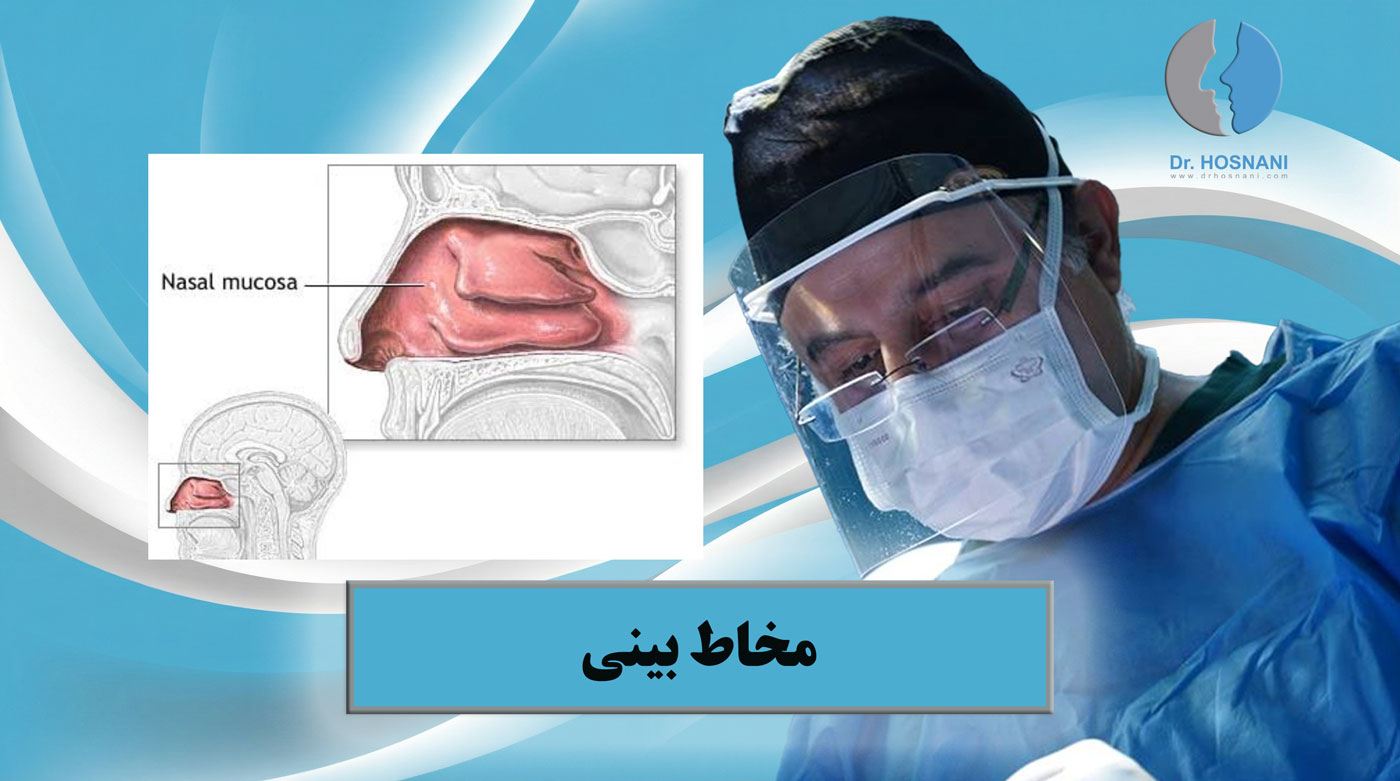
The nasal mucosa is a moist and living layer that covers the inner surface of the nose and sinuses. By producing secretions, humidifying inhaled air, trapping harmful particles, and activating immune cells, it protects the respiratory pathway. This sensitive tissue is vulnerable to dryness, allergies, infections, and surgical procedures, and maintaining its health is essential for normal breathing function. According to Dr. Hosnani’s evaluations, any factor that disrupts moisture, normal secretion flow, or the integrity of this lining can lead to congestion, bleeding, crusting, or sinusitis.
The nasal mucosa is one of the most important internal components of the nose, playing a vital role in respiratory health, mucosal defense, and the preservation of normal olfactory function. This thin yet highly specialized lining covers the inner surface of the nasal cavity and serves as a protective barrier against foreign particles, microorganisms, and airborne dust before they can enter the deeper respiratory tract.
In addition to its protective role, the nasal mucosa helps maintain adequate moisture within the nasal passages, supports the normal activity of epithelial cells, and contributes to the physiological balance required for comfortable breathing. Although it is delicate in appearance, it is fundamental to the daily performance of the nose and to the long-term success of many functional and aesthetic nasal procedures.
In Dr. Hosnani’s view, the nasal mucosa should never be regarded as a simple surface lining, because it is an active and essential tissue that directly influences breathing quality, tissue healing, and the sense of smell.
Types of Nasal Mucosa
Respiratory Mucosa
The majority of the nasal cavity is lined by respiratory mucosa. Its principal role is to warm, humidify, and cleanse incoming air before it reaches the lungs. This lining contains specialized cells with microscopic cilia that help move mucus and trapped particles toward the back of the nose, thereby preserving cleanliness and functional efficiency within the nasal passages.
Olfactory Mucosa
A smaller and more specialized portion of the mucosa, known as the olfactory mucosa, is located in the upper region of the nasal cavity near the olfactory apparatus. The cells in this area are responsible for detecting odors and transmitting olfactory signals to the brain. Any inflammation, trauma, or structural damage in this region may lead to partial or permanent impairment of smell.
Functional Differences Between the Two Types
While respiratory mucosa is primarily concerned with airflow conditioning and protection, olfactory mucosa is dedicated to sensory perception. Together, these two forms of mucosal tissue allow the nose to function not merely as an airway, but also as a sophisticated organ of filtration, humidification, and smell.
According to Dr. Hosnani, preserving both the respiratory and sensory roles of the nasal lining is essential, especially when evaluating patients with chronic congestion, impaired smell, or prior nasal surgery.

Using an instrument called a speculum, the physician gently opens the nostril to examine the nasal septum, turbinates, mucosa, airway, and possible problems such as septal deviation, polyps, inflammation, bleeding, or abnormal discharge. This examination is usually quick, painless, and performed in the office, and it plays an important role in evaluating breathing function and planning rhinoplasty or treatment of internal nasal conditions.
The Relationship Between Nasal Mucosa and Disease
Chronic Inflammation and Structural Change
In cases of long-standing inflammation or persistent allergy, the nasal mucosa and the sinuses may undergo progressive structural alteration. Over time, chronic irritation can lead to mucosal thickening, swelling, and disruption of normal drainage pathways, all of which may adversely affect nasal airflow and sinus ventilation.
Formation of Nasal Polyps
One important consequence of chronic mucosal inflammation is the development of nasal polyps. These soft, benign growths arise from swollen mucosal tissue and may partially or completely obstruct the nasal airway, leading to persistent blockage, mouth breathing, and diminished olfactory ability.
Dryness and Mucosal Dysfunction
Other factors, such as excessively dry air, improper use of decongestant medications, and exposure to chemical irritants, may result in mucosal dryness. When the nasal lining becomes excessively dry, patients may experience burning, crusting, bleeding, and impaired natural defense mechanisms. For this reason, supportive care aimed at maintaining mucosal hydration is often recommended.
Preventive Care and Supportive Measures
To help preserve mucosal health, it may be beneficial to use moisturizing treatments such as ointments or drops containing vitamin A, provided they are recommended appropriately. These measures can help keep the lining moist, reduce irritation, and support restoration of normal mucosal function.
Based on Dr. Hosnani’s clinical experience, many chronic nasal complaints are not caused solely by structural narrowing, but by persistent inflammation and poor mucosal condition that must be identified and treated with equal care.
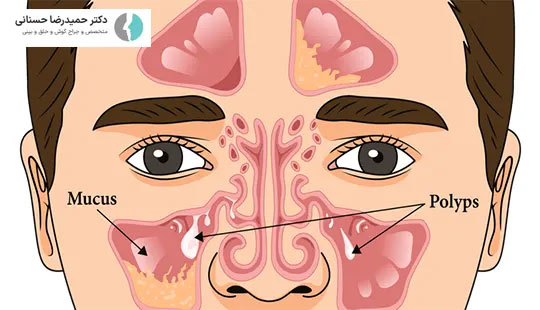
Nasal polyps are soft, noncancerous growths that usually develop due to chronic inflammation of the nasal and sinus mucosa. They can cause nasal blockage, reduced sense of smell, persistent discharge, and a feeling of pressure in the face.
The Role of Nasal Mucosa in Rhinoplasty
Why Mucosal Preservation Matters During Surgery
In rhinoplasty, the principal surgical focus is often placed on bone and cartilage; however, the condition of the nasal mucosa remains critically important. Preserving its health and continuity during surgery is necessary to reduce the risk of long-term complications and to maintain proper physiological performance after the procedure.
Consequences of Excessive Mucosal Trauma
When the internal lining is over-manipulated, removed, or injured unnecessarily, patients may develop problems such as chronic dryness, breathing difficulty, crusting, or even diminished smell. For this reason, careful surgical handling of the mucosa is a hallmark of refined and responsible nasal surgery.
Special Importance in Revision Cases
The status of the mucosa is particularly significant in revision rhinoplasty and in patients with a previous history of sinus disease. In such cases, the lining may already be vulnerable because of prior surgery, inflammation, or scarring, making meticulous preoperative evaluation even more important.
Mucosa and Postoperative Recovery
A healthy mucosal lining supports faster wound healing, reduces postoperative swelling, and encourages the more complete return of normal nasal function. In contrast, compromised mucosa may delay recovery and limit the quality of both functional and aesthetic outcomes.
Drawing on Dr. Hosnani’s extensive experience, successful nasal surgery depends not only on reshaping the framework of the nose, but also on protecting the internal lining that sustains natural breathing and mucosal recovery.
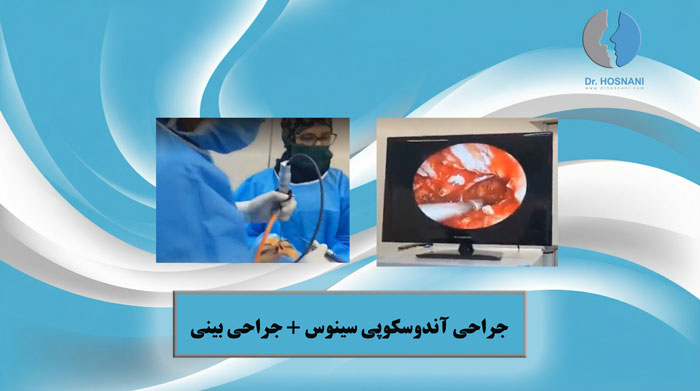
Nasal and sinus endoscopy is a diagnostic and sometimes therapeutic method in which a thin tube equipped with a camera is used to examine the inside of the nose and the sinus pathways in detail. This allows the physician to diagnose problems such as nasal septum deviation, polyps, chronic inflammation, or sinus obstruction. According to Dr. Hosnani’s professional evaluations, this method provides a very clear view of the internal nasal structures and plays an important role in planning appropriate treatments, especially before nasal and sinus surgeries.
Conclusion
A Delicate but Essential Tissue
The nasal mucosa is a delicate yet indispensable part of nasal anatomy. It contributes not only to everyday respiratory comfort, but also to the preservation of smell, resistance to irritation, and the overall functional integrity of the nose.
Its Importance in Medical and Surgical Outcomes
Whether in routine nasal health or in aesthetic nasal surgery, attention to mucosal integrity can significantly influence the final outcome. Proper humidification, control of inflammation, and adherence to the surgeon’s recommendations all play a meaningful role in maintaining a healthy internal nasal environment.
Long-Term Functional Value
Ultimately, protecting a healthy nasal lining improves more than appearance alone. It supports better breathing efficiency, preserves olfactory performance, and helps ensure that the nose remains both structurally attractive and physiologically competent over time.
It is Dr. Hosnani’s professional opinion that the finest nasal results are achieved when beauty, airflow, healing, and mucosal preservation are considered together rather than treated as separate goals.