




Rhinoplasty for Patients with Sinusitis
Dr. Hamidreza Hosnani
ENT Specialist | Rhinoplasty Surgeon in Tehran | Nose Surgery Specialist
If a patient has active infectious sinusitis at the time of surgical planning, rhinoplasty is usually postponed. In patients with chronic sinusitis, the decision depends on the severity of symptoms. In many cases, functional endoscopic sinus surgery (FESS) can be performed simultaneously with rhinoplasty to resolve the sinus problem.

The sinuses are four pairs of hollow cavities located within the facial skeleton around the nose, and their secretions drain into the nasal cavity. Allergies, inflammation, infections, immune disorders, tumors, and cancers are among the conditions that may affect the nose and sinuses.
Sinusitis and Rhinoplasty: Clinical Considerations
Defining Sinusitis in the Surgical Context
Sinusitis is a common respiratory condition characterized by the inflammation and infection of the sinus cavities. These cavities, located within the facial bones, communicate with the nasal passage through narrow channels. When these pathways become obstructed or inflamed, mucous accumulation leads to infection.Clinically, sinusitis is classified into two primary categories:
Acute Sinusitis: Often a sequela of the common cold, this condition is typically short-lived and transient.
Chronic Sinusitis: Defined by symptoms persisting beyond 12 weeks, often characterized by recurrent inflammation requiring specialized medical or surgical intervention.
It is Dr. Hosnani’s professional opinion that chronic sinus issues do not compromise the aesthetic outcome of a rhinoplasty, provided that the underlying infection is appropriately managed prior to surgery.
Assessment and Feasibility
Individuals suffering from sinusitis often inquire about the safety of undergoing aesthetic rhinoplasty. While active infection can be an impediment, it is not an absolute contraindication. The decision to proceed depends heavily on the nature of the sinusitis.If a patient presents with acute, active infection, the procedure is typically postponed. Operating during an active inflammatory phase may heighten the risk of post-operative complications, including infection, impaired healing, and excessive edema.
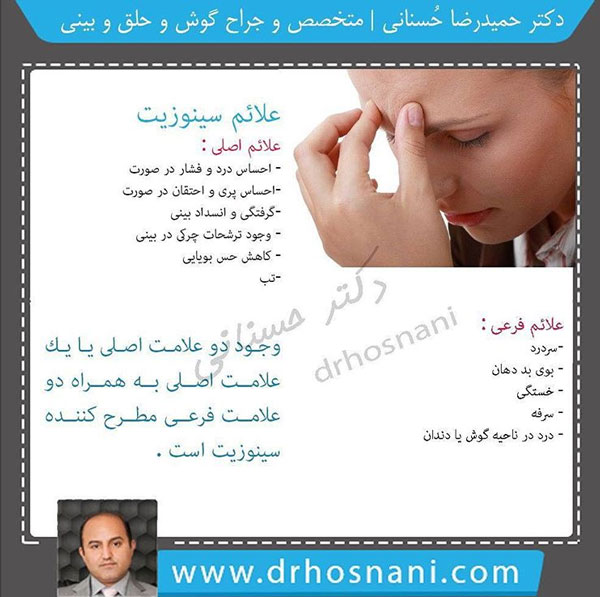
Main and Secondary Symptoms of Sinusitis
The Surgical Approach for Sinusitis Patients
Managing Chronic Sinus Conditions
For patients with chronic sinusitis, the surgical strategy is highly individualized. In many instances, Functional Endoscopic Sinus Surgery (FESS) can be performed concurrently with cosmetic rhinoplasty.This combined approach allows for the restoration of sinus drainage pathways while simultaneously refining the nasal structure, thereby addressing both functional and aesthetic concerns in a single operative session.
Rhinoplasty as a Therapeutic Intervention
SeptoplastyDeviation of the nasal septum is a frequent culprit in obstructing sinus drainage. By correcting this deviation, the surgeon restores proper airflow and facilitates natural sinus drainage, which can alleviate chronic congestion.
Turbinate Reduction
Hypertrophic nasal turbinates often contribute to airway obstruction. Their surgical reduction improves ventilation and may mitigate the recurrent symptoms associated with sinus pressure.

Diagnosis of nasal polyps and deviation can only be performed by nasal examination with the help of an endoscope.
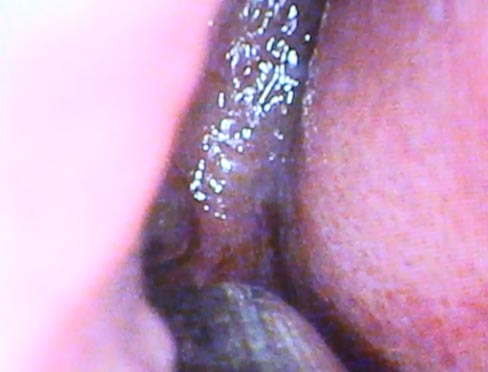
Enlarged Nasal Turbinates May Remain as a Complication When Surgery Is Performed by Inexperienced Surgeons
Drawing on Dr. Hosnani’s extensive experience, structural corrections such as septoplasty can inadvertently alleviate long-standing sinus congestion, effectively bridging the gap between cosmetic enhancement and functional recovery.
Addressing Safety and Patient Outcomes
The Impact of Rhinoplasty on Sinus Health
There is a common misconception that rhinoplasty exacerbates sinus conditions. When performed according to rigorous medical standards, rhinoplasty does not cause sinusitis.However, patients may experience temporary sensations of pressure or congestion in the weeks following surgery. This is generally attributable to internal swelling, the presence of sutures, and natural post-operative secretions, rather than a resurgence of sinus infection.
Pre-operative Protocols
To ensure safety, prospective patients undergo a thorough evaluation by Dr. Hosnani, a specialist in Otolaryngology.Key preparatory steps include:
- A detailed assessment of sinus health, potentially involving a CT scan.
- Eradication of active infection prior to surgery.
- Comprehensive reporting of the patient's sinusitis history.
- Optimization of underlying allergies to minimize post-operative inflammation.

After the blood test, the patient must go to medical imaging centers to obtain CT scans. CT scan images are necessary to be displayed in the operating room and increase the surgeon's accuracy during surgery.
Post-operative Management and Allergy Considerations
Maintenance and Recovery
To prevent the recurrence of symptoms, adherence to a structured post-operative regimen is essential. This includes:- Regular saline irrigation of the nasal passages to maintain cleanliness.
- Strict compliance with prescribed pharmacological regimens.
- Avoidance of forceful nose-blowing.
- Vigilant management of environmental triggers to control allergies.
Allergy vs. Surgical Outcomes
From Dr. Hosnani’s perspective, it is important to distinguish between allergic rhinitis and the effects of surgery. Allergies stem from hypersensitivity of the internal nasal receptors, whereas rhinoplasty focuses on modifying the skeletal structure of the nose.These are distinct conditions; rhinoplasty does not intensify allergic responses, nor does it typically improve them. They are not mutually exclusive, and with careful management, patients can undergo successful surgery while maintaining control over their allergic symptoms.
Reflecting Dr. Hosnani’s clinical expertise, the coexistence of allergies or sinusitis is not a barrier to surgery, provided the patient follows a customized care plan tailored to their specific physiological needs.