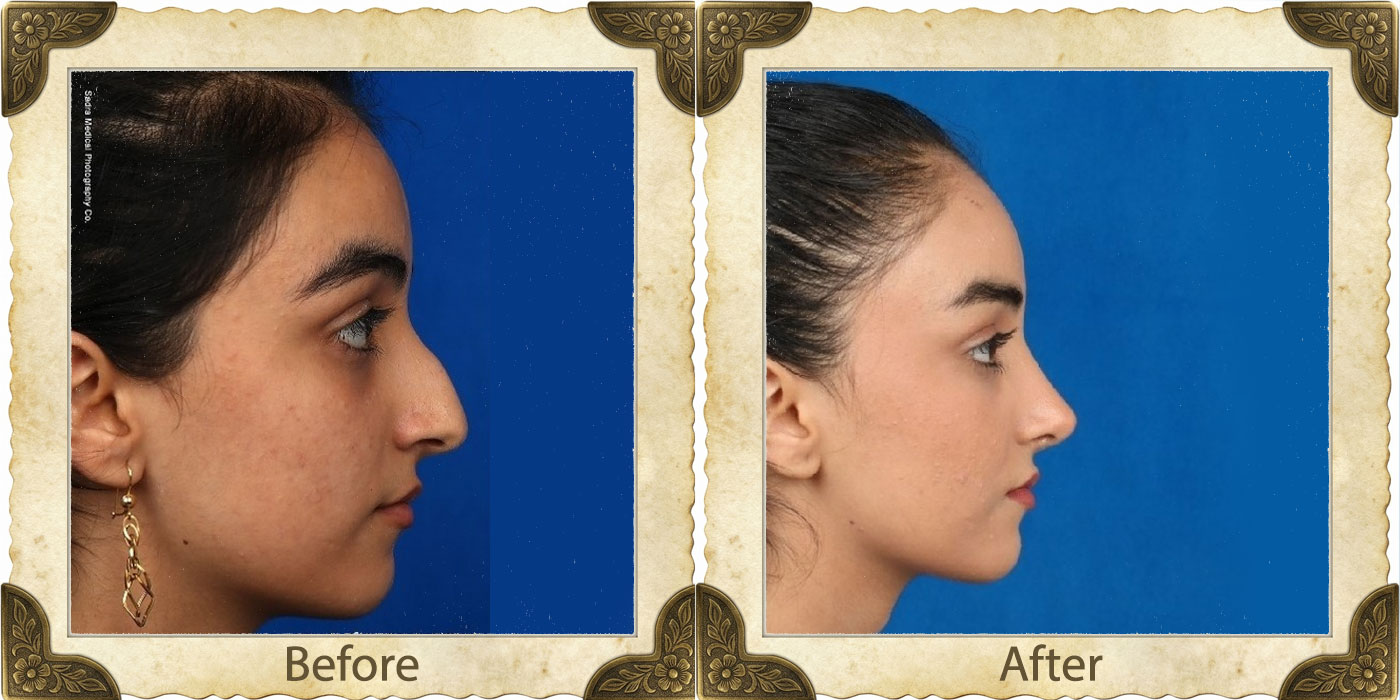




Reducing Nostril Size Through Surgery
Dr. Hamidreza Hosnani
ENT Specialist | Rhinoplasty Surgeon in Tehran | Nose Surgery Specialist
Large nostrils are a common concern in facial aesthetics. In some individuals, even if the overall nasal shape is acceptable, wide nasal wings or large nostrils may cause the nose to appear larger in the frontal view. Fortunately, this issue can be corrected through alarplasty, also known as nostril reduction surgery.

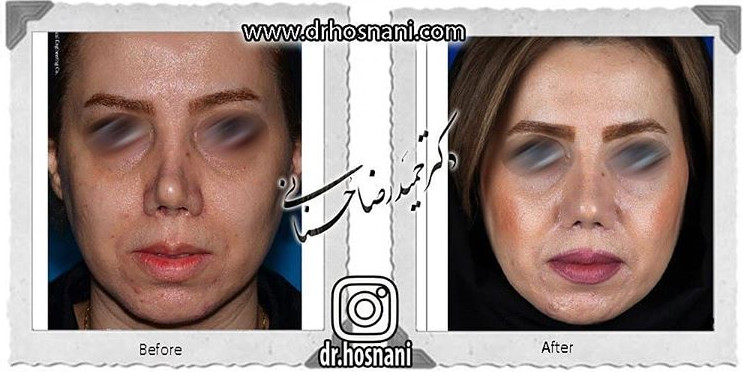
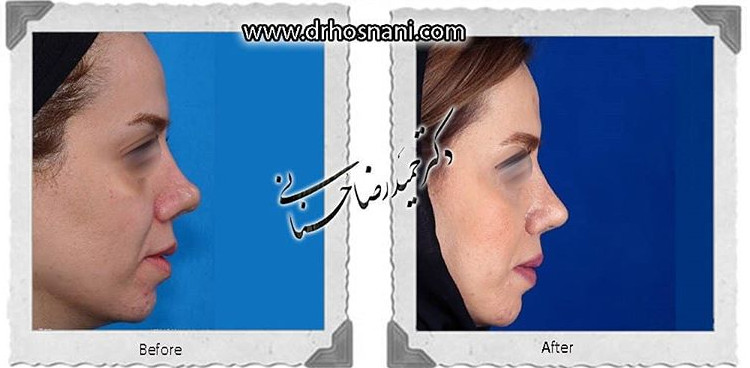
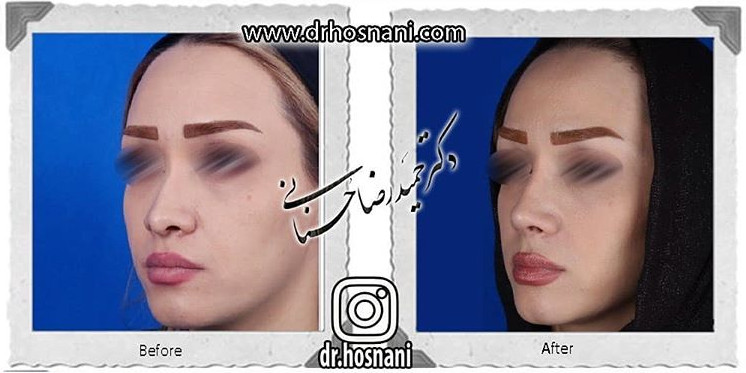
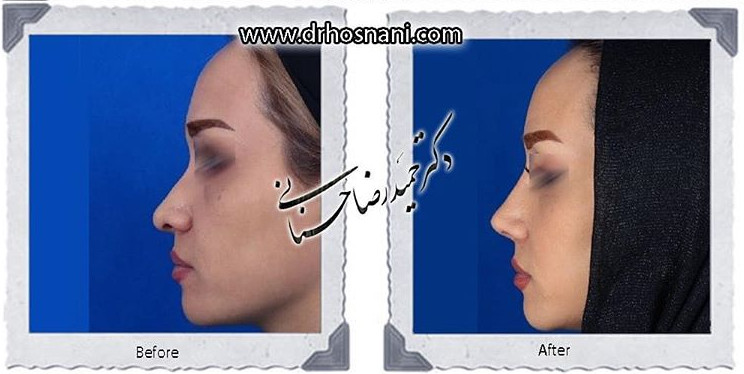
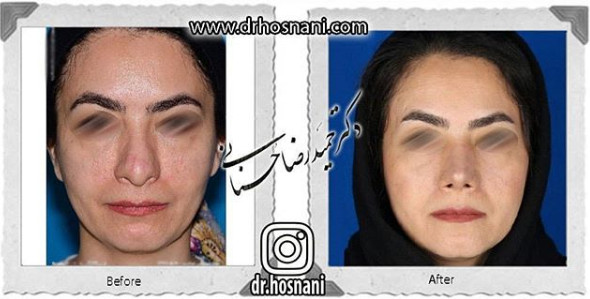
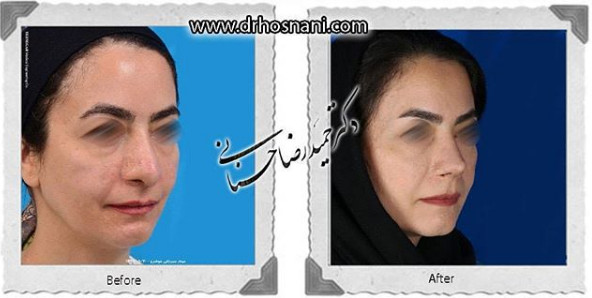
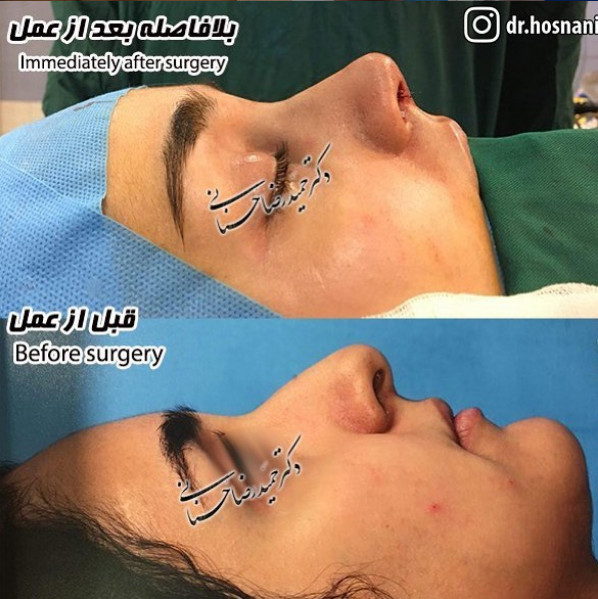
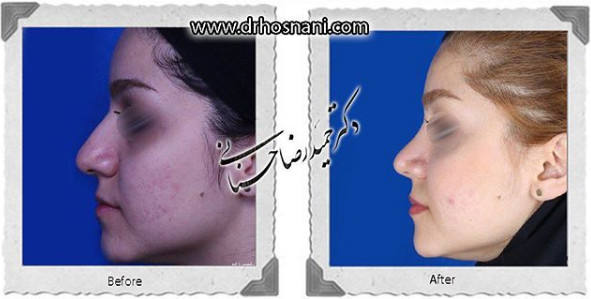
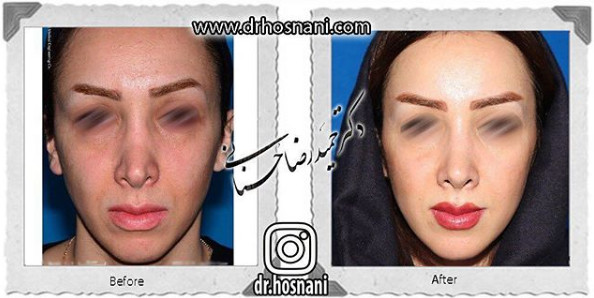
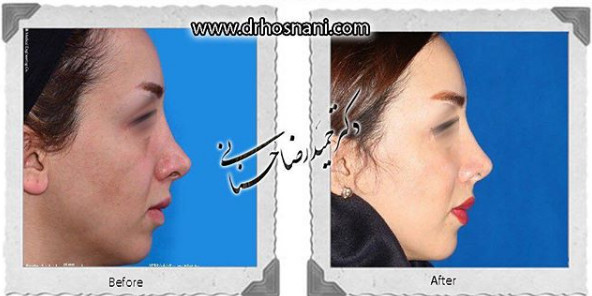
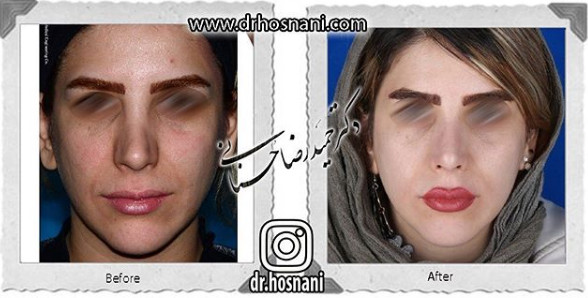
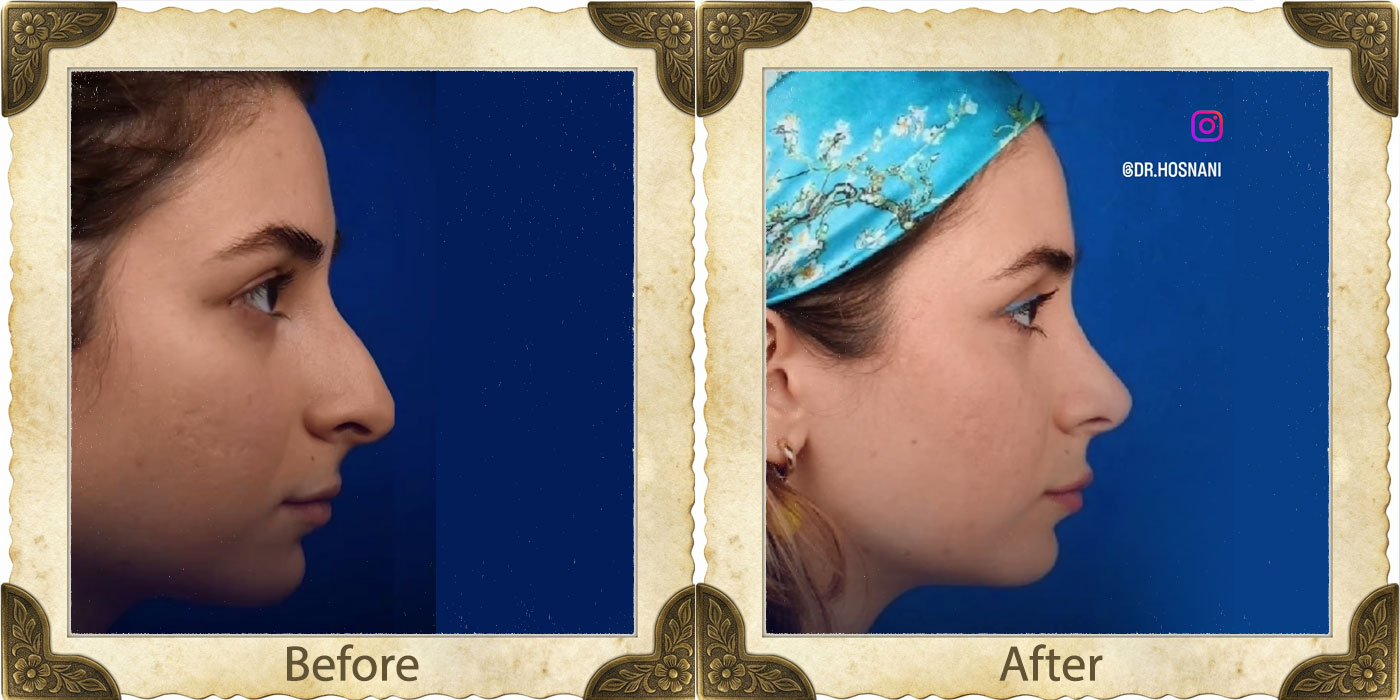
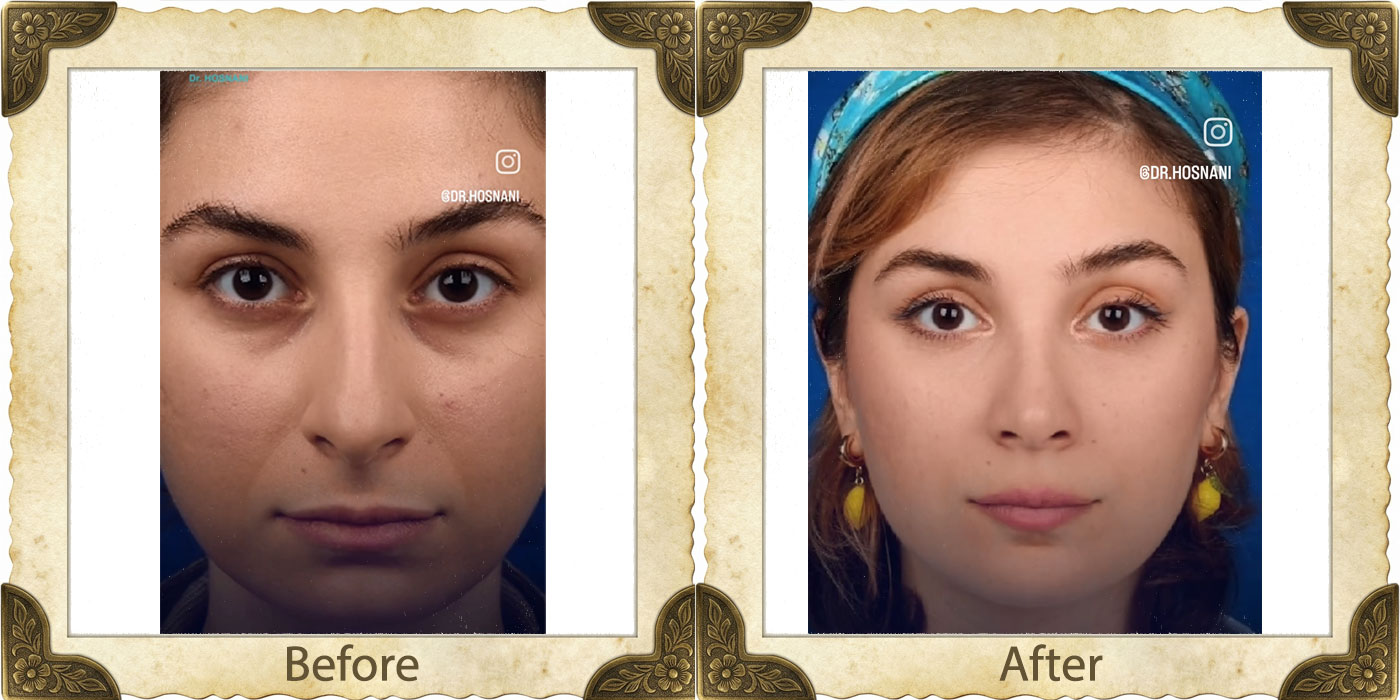
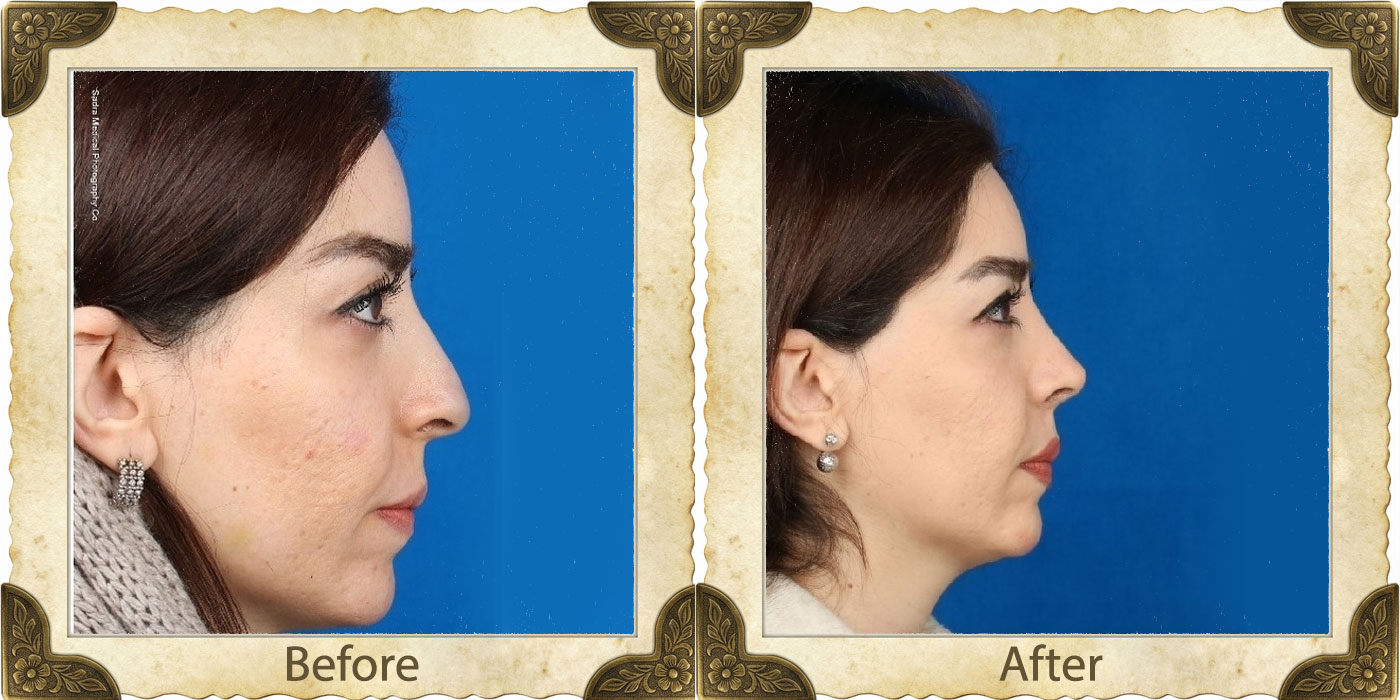
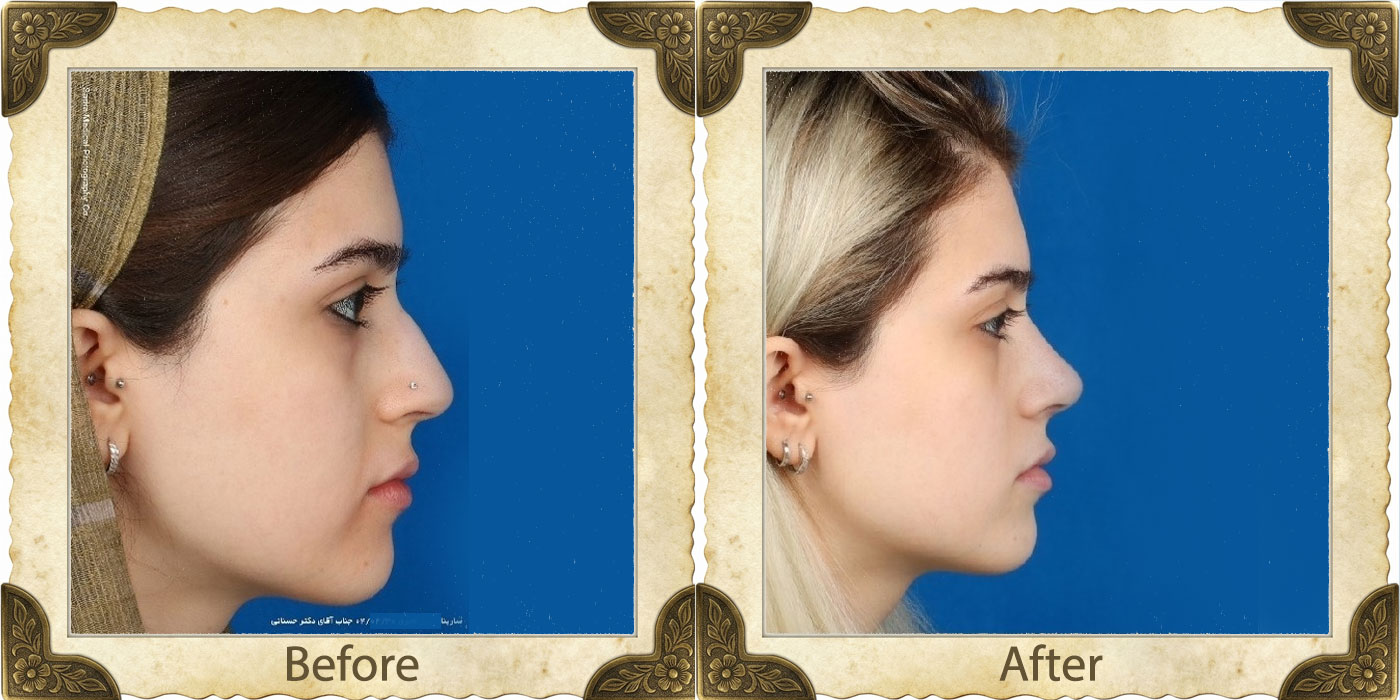
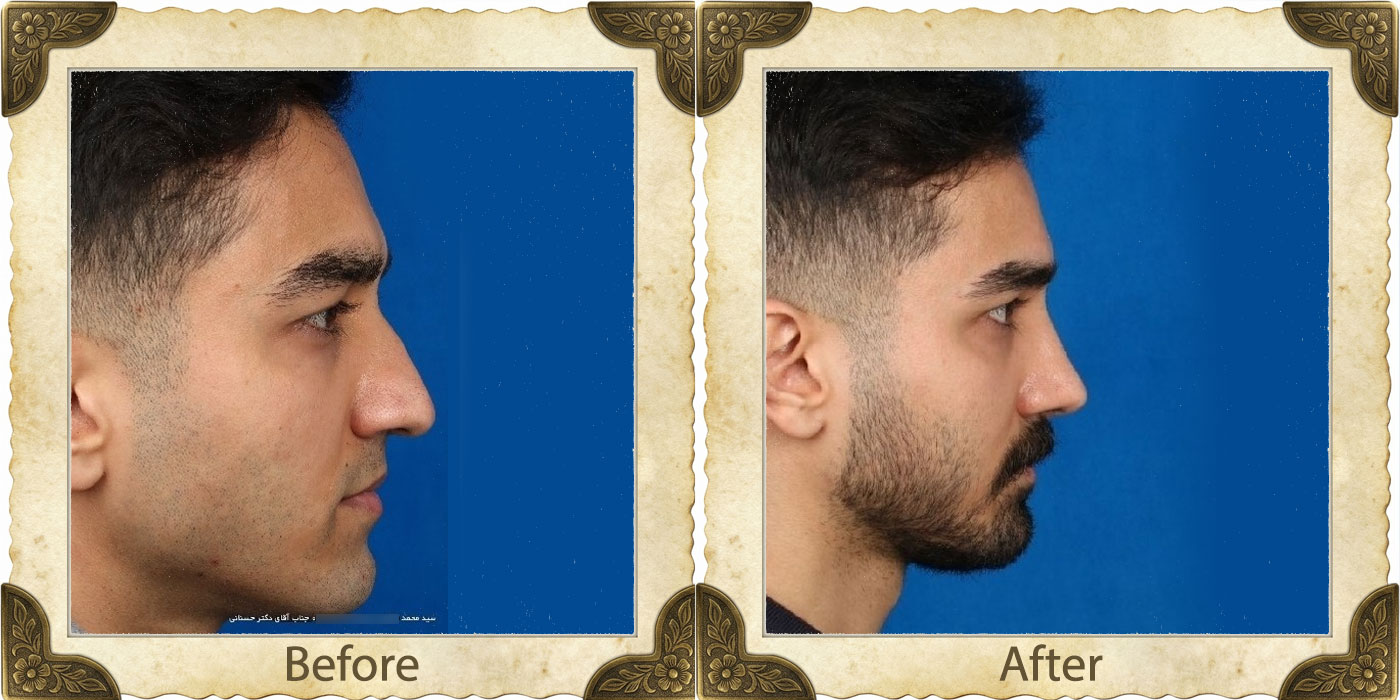
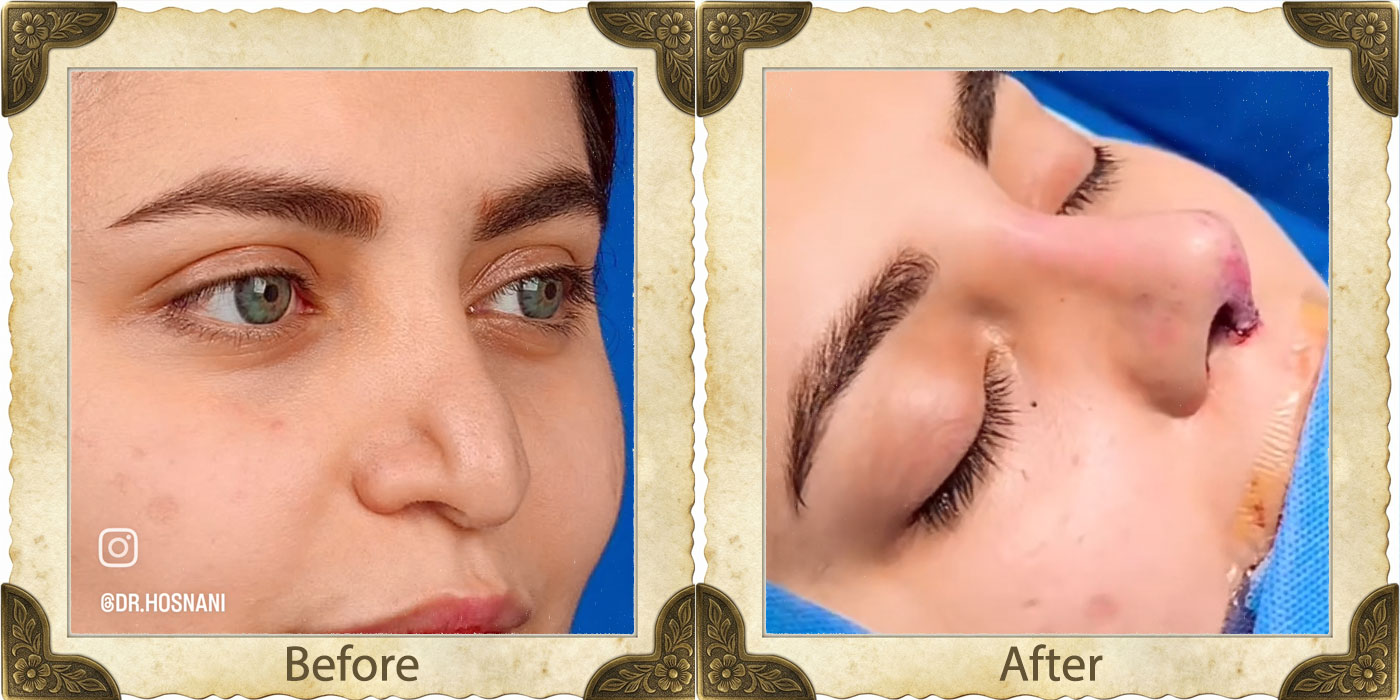
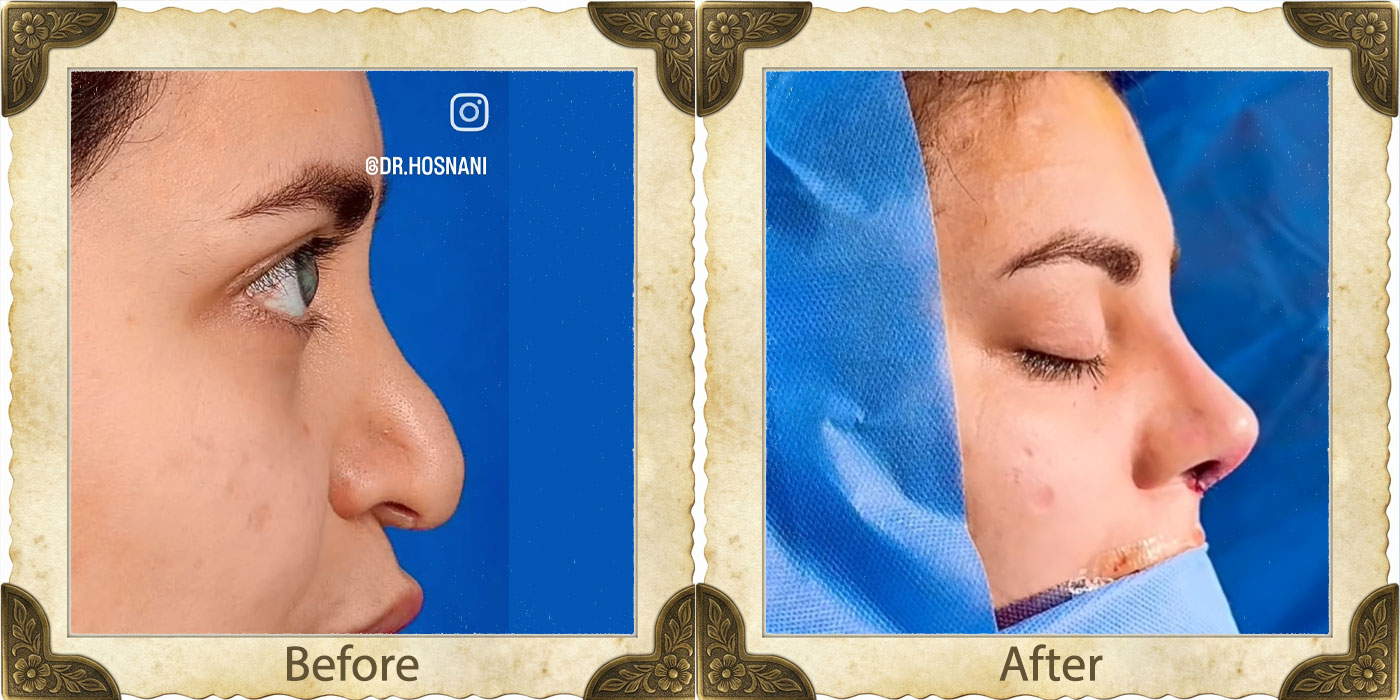
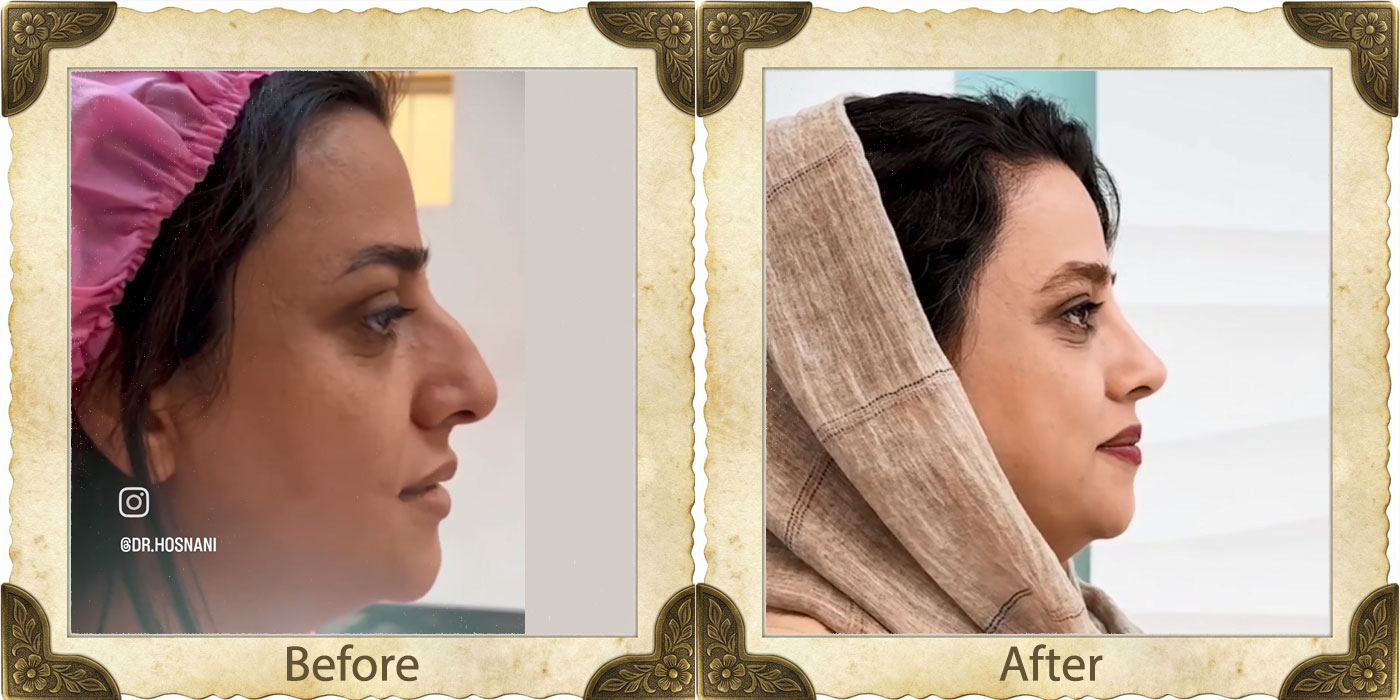
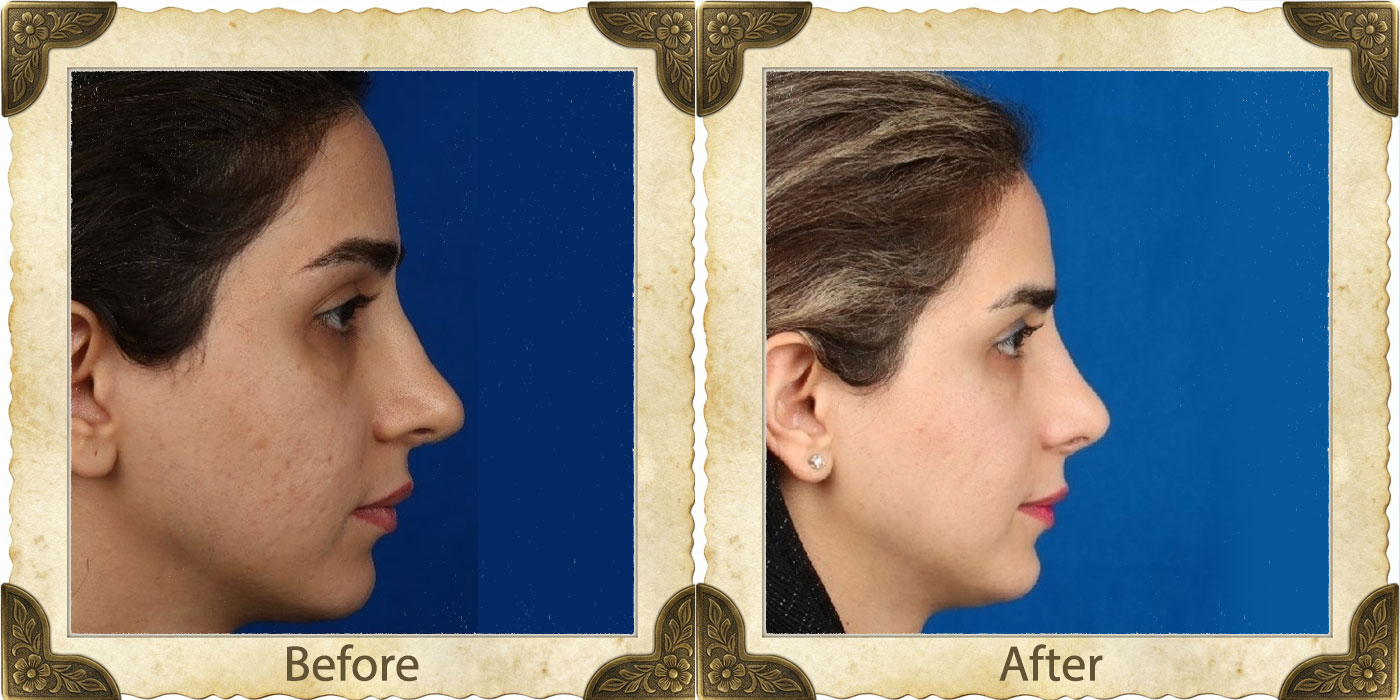
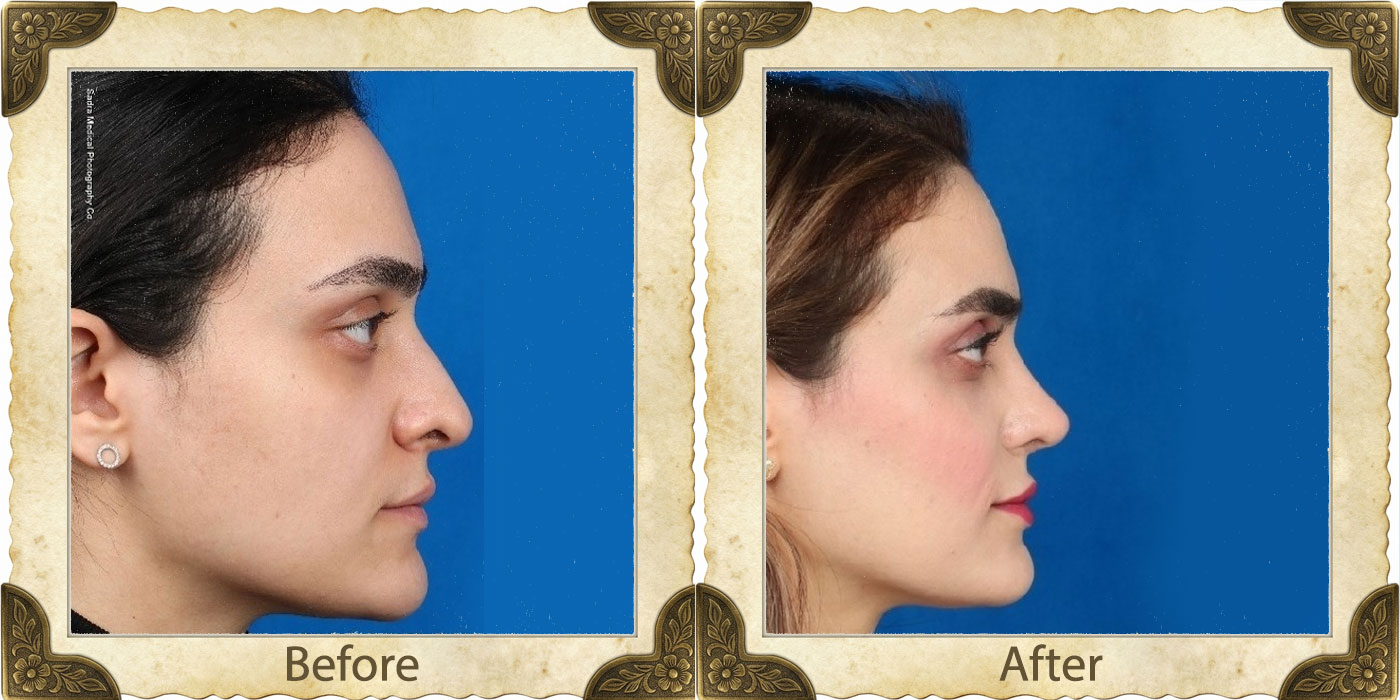
The nasal tip was originally large and has been reduced in size. Drooping and the hump were corrected, the tip was reshaped, the overall nasal size was reduced, the nostrils became smaller and better shaped, the roundness of the tip was corrected, and the result is a natural‑looking nose.
Why Do Some Nostrils Appear Large?
Common Anatomical Reasons
The appearance of large nostrils is usually related to one or more of the following anatomical patterns:- Broad alar wings
- Excessive widening of the nostrils while smiling
- Increased distance between the two alar bases
- Overly round or oval nostril shape
- A wide nasal base in frontal view
Genetic and Ethnic Factors
In many individuals, this feature has a hereditary basis and may be more common in certain ethnic groups. The size and shape of the nostrils should therefore be evaluated not in isolation, but in relation to the entire nose and the overall proportions of the face.According to Dr. Hosnani, the beauty of the nostrils lies not in making them as small as possible, but in creating a balanced nasal base that appears natural, elegant, and proportionate to the face.
Who Is a Good Candidate for Nostril Reduction?
Patients with Wide Alar Base
Suitable candidates often include individuals whose nostrils or alar base appear excessively broad in frontal view, even when the rest of the nose is reasonably well proportioned.- Those with wide nasal wings
- Individuals whose nostrils are overly visible from the front
- Patients whose alar rims flare excessively while smiling
Patients Seeking Refinement After Rhinoplasty
This procedure may also benefit patients who have already undergone rhinoplasty but still feel that the nostrils remain disproportionately large. In such cases, careful refinement of the nasal base can complete the overall result without the need for major structural revision.From Dr. Hosnani’s perspective, nostril reduction is most successful when it is performed for the right patient, with realistic expectations and a clear understanding of facial harmony.
Methods of Nostril Reduction
Alar Base Reduction
This is the most common technique. In this method, a small segment of tissue is removed from the side of the nostril, after which the area is meticulously sutured. The procedure can:- Reduce the width of the nose
- Make the nostrils appear smaller
- Create a more compact and refined alar contour
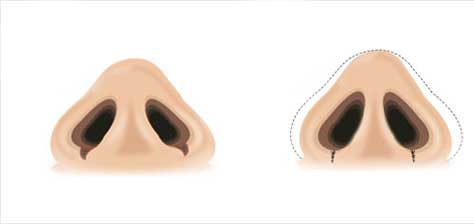
If the nose is wide, two incisions can be made in the nasal alae to reduce the width of the nose and the size of the nostrils.
Wedge Excision
In this method, a wedge-shaped portion of tissue is removed from the alar region in order to decrease alar flare. This technique is particularly useful for individuals whose nostrils widen too much during smiling or facial expression, and for those with prominent alar wings.Internal Nostril Reduction
In selected cases, the incision is placed inside the nostril so that the external scar becomes less visible. This approach is generally more appropriate for mild corrections rather than major reduction.Dr. Hosnani maintains that each nostril reduction technique must be tailored to the patient’s anatomy; a method that works beautifully for one nose may be inappropriate for another.
Video Example of Nostril Refinement
Clinical Outcome in a Real Patient
The following video demonstrates how nostril shape can be refined in a natural and attractive manner. In this case, the patient chose a natural-looking result, and both nasal deviation and nostril form were improved with careful surgical planning.Natural Results Over Excessive Change
A well-executed nostril reduction should not draw attention to itself. Instead, it should quietly improve symmetry, reduce unnecessary width, and blend smoothly with the rest of the nose.
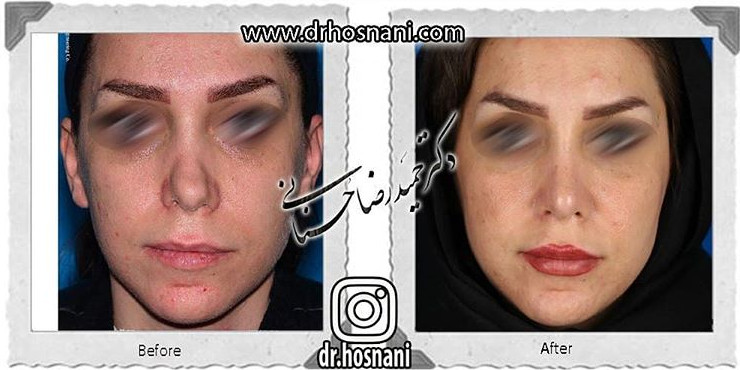
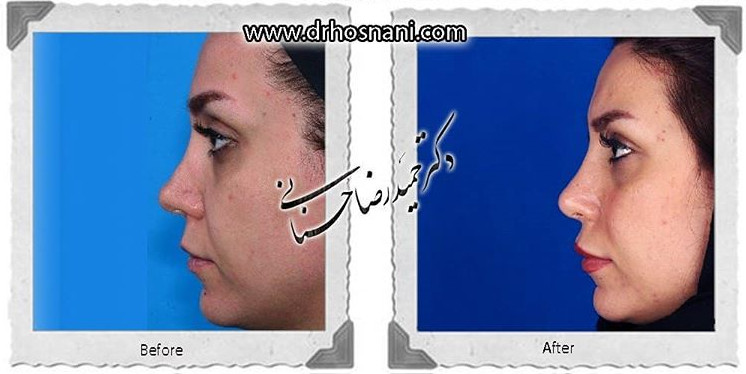
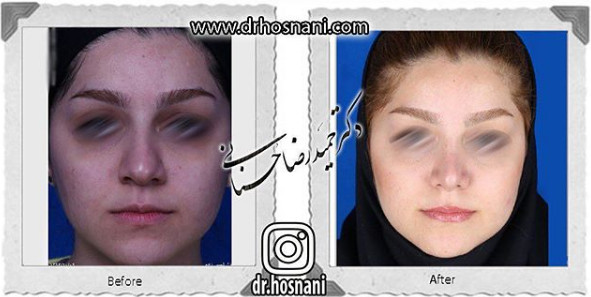
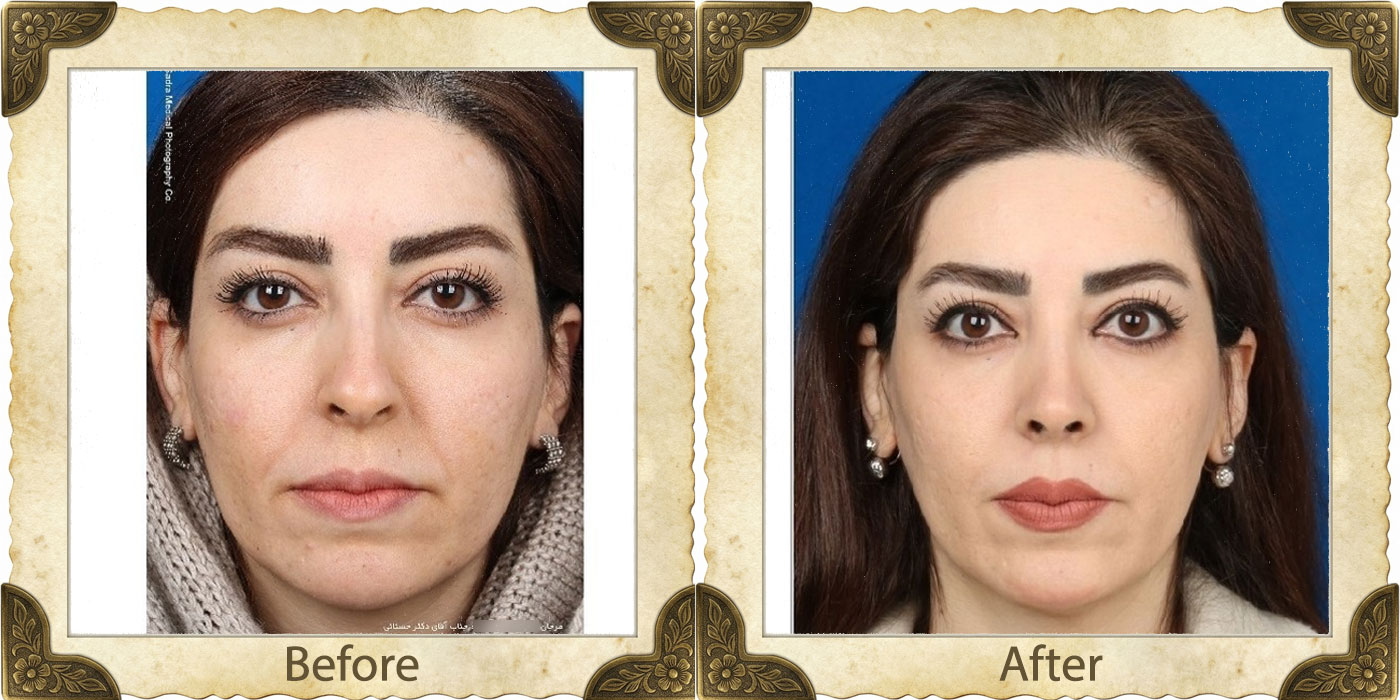
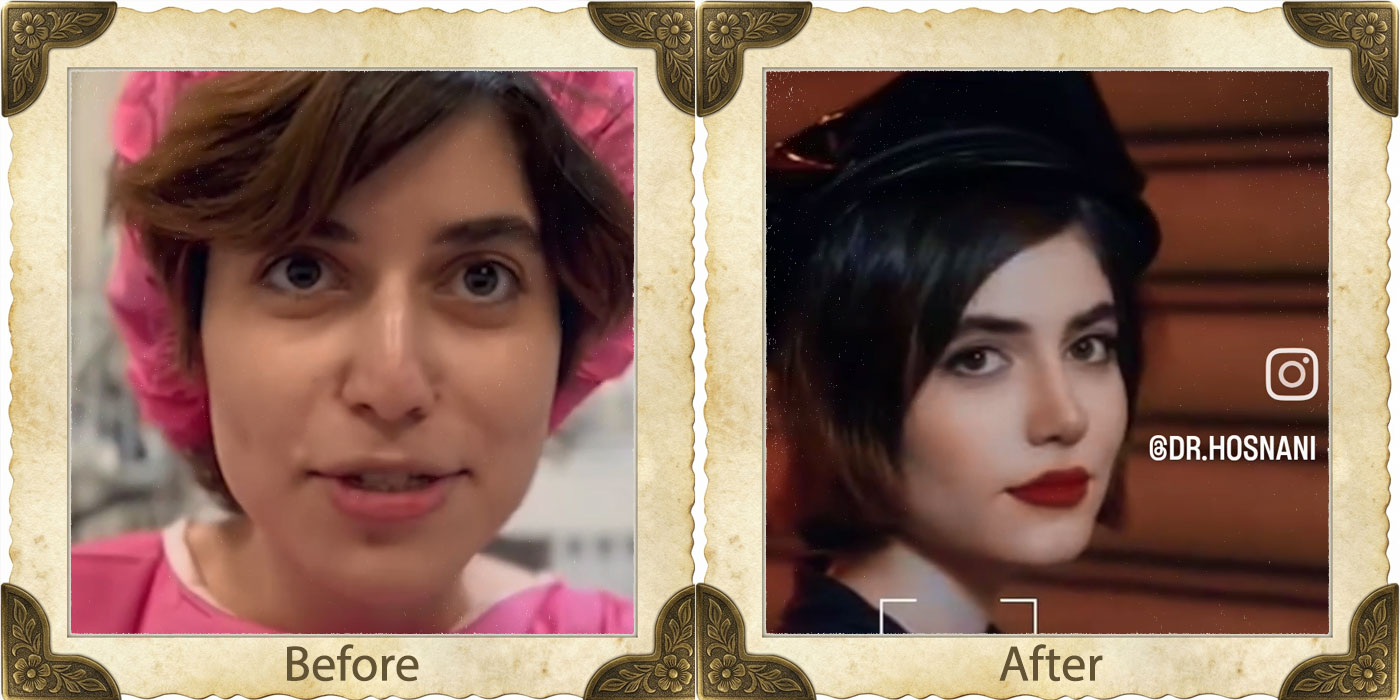
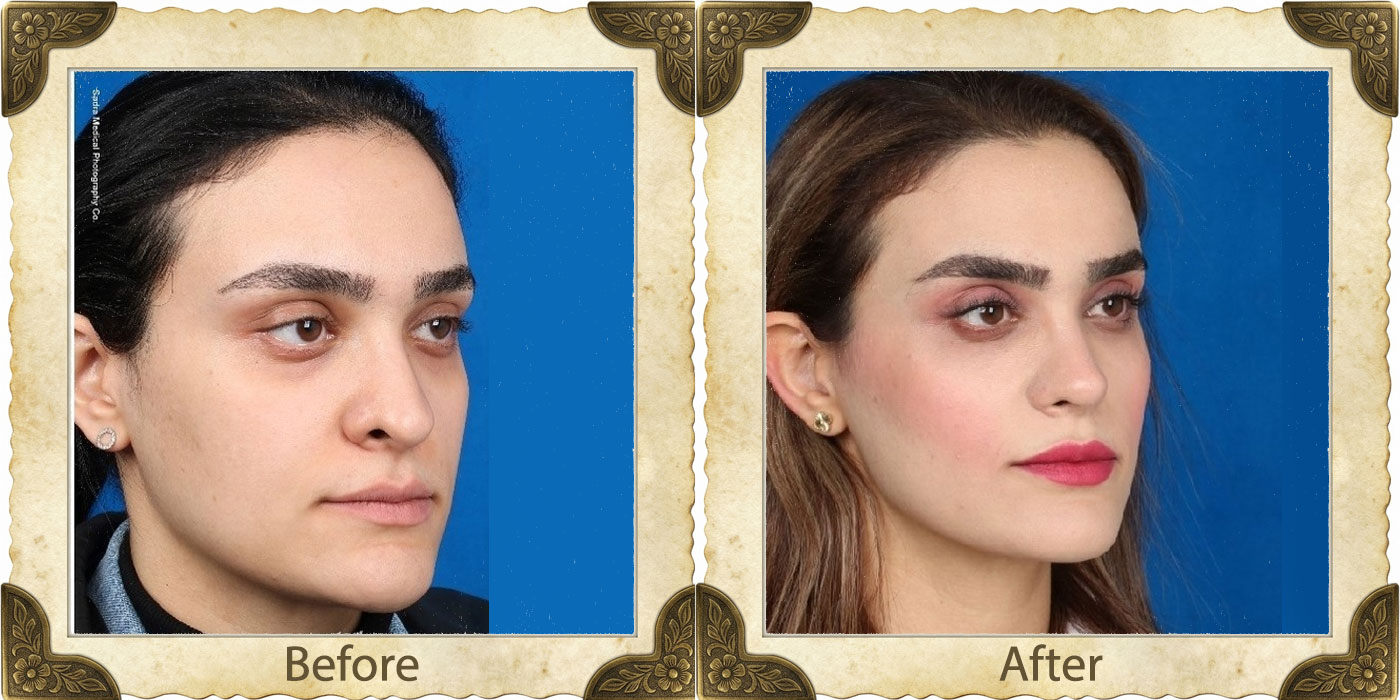
A female pharmacist from the Sadaf Medical Building also chose Dr. Hosnani for rhinoplasty. Her preference was a natural nose. The nasal deviation was corrected, and the nostrils were artistically reshaped to create a more harmonious result.
Will the Sutures Leave a Scar?
Why Scars Are Usually Minimal
Surgical incisions are typically placed within the natural crease beside the alar base. For this reason, in most patients the resulting scar becomes very faint after healing and is often difficult to notice in ordinary social interactions.Factors That Influence Scar Visibility
The degree to which a scar remains visible depends on several factors:- The surgeon’s technical skill
- The patient’s skin type
- Post-operative care
- The body’s individual healing response
Based on Dr. Hosnani’s clinical experience, meticulous incision placement and proper aftercare are the two most important factors in keeping alar scars discreet.
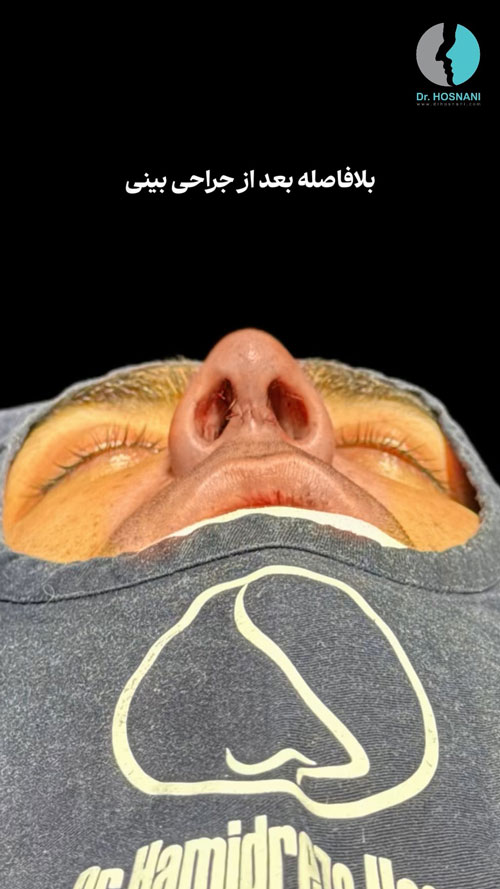
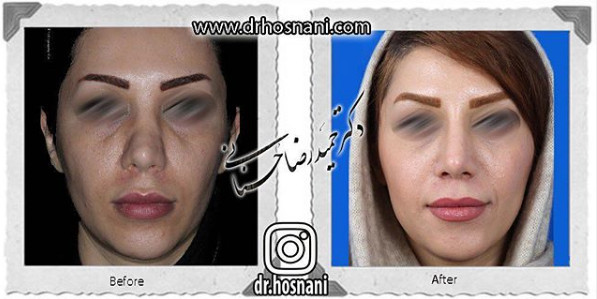
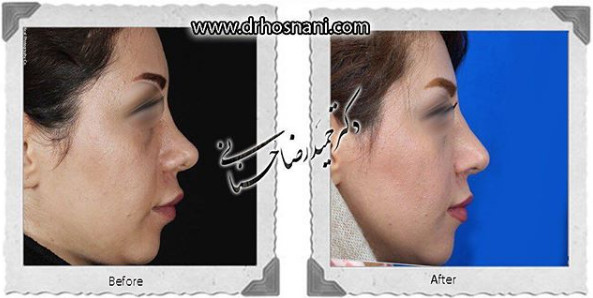
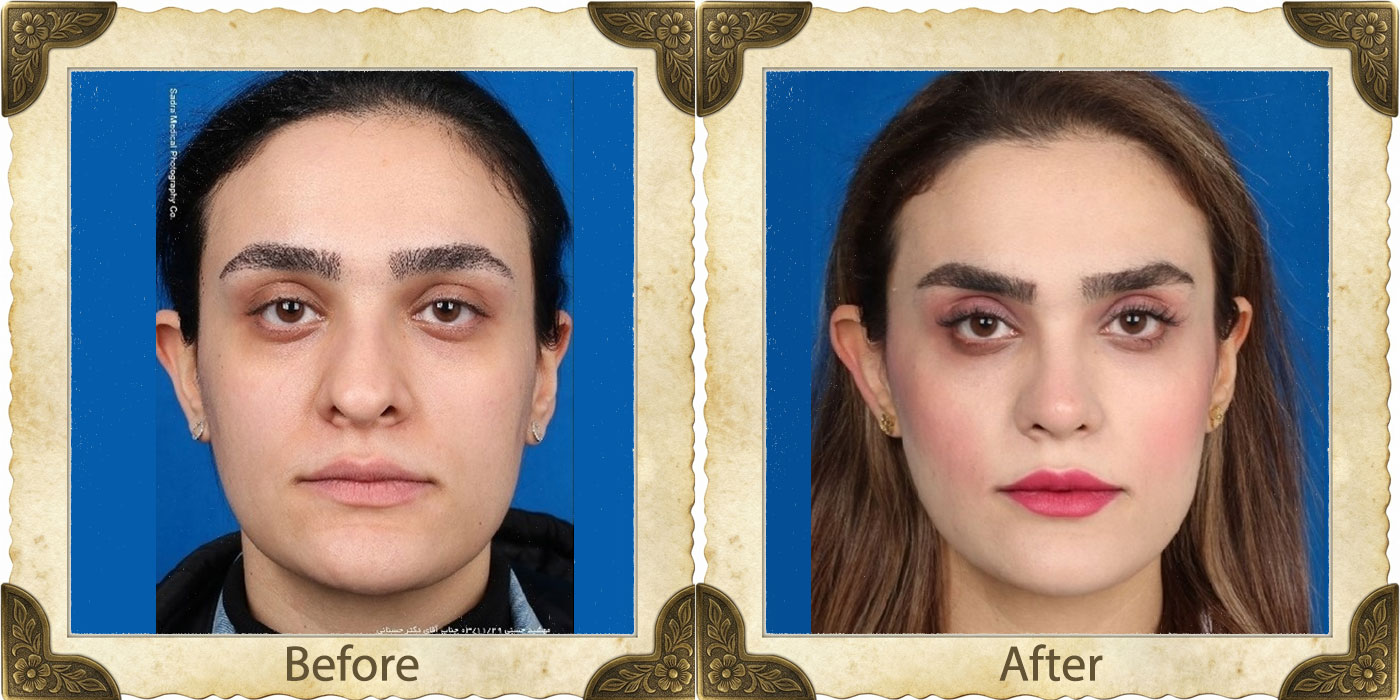
The diameter of the nostrils has been adjusted so that it is twice the distance from the upper point of the nostril to the nasal tip.
Can Over-Reduction of the Nostrils Be Dangerous?
The Functional Risk of Excessive Reduction
Yes. One of the most important principles of this operation is preserving normal breathing function. If the nostrils are reduced too aggressively, several problems may occur:- Narrowing of the airway
- An unnatural appearance
- An overly operated or artificial look
- Loss of harmony with the rest of the face
The Importance of Surgical Restraint
For this reason, experienced surgeons avoid excessive narrowing of the nostrils. The objective is refinement, not distortion. A beautiful result is one that improves proportion without compromising comfort or authenticity.It is Dr. Hosnani’s professional opinion that any reduction of the nostrils must respect the patient’s airway, because aesthetic success is incomplete if it comes at the expense of proper breathing.
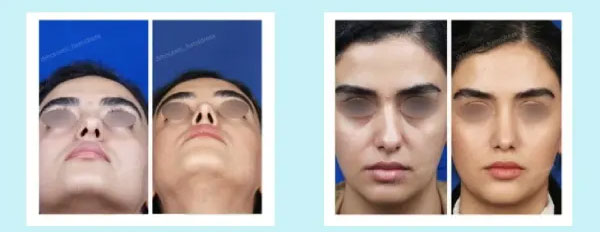
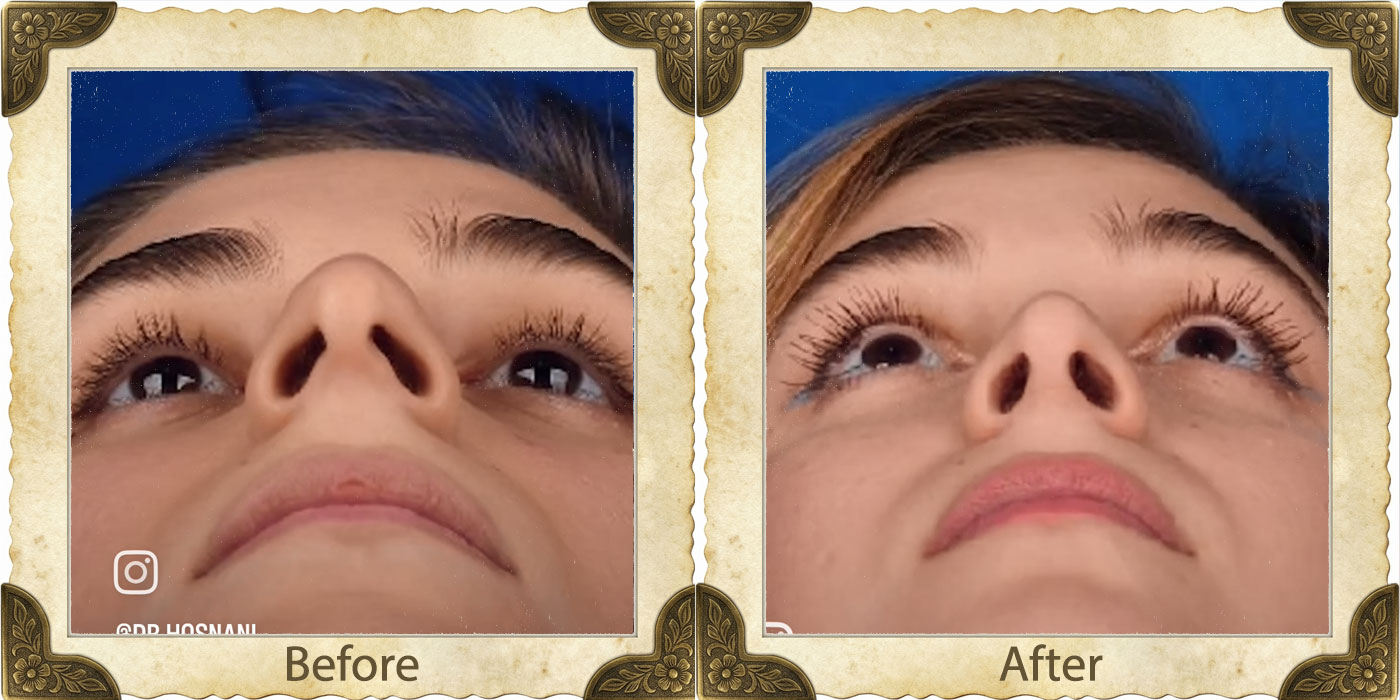
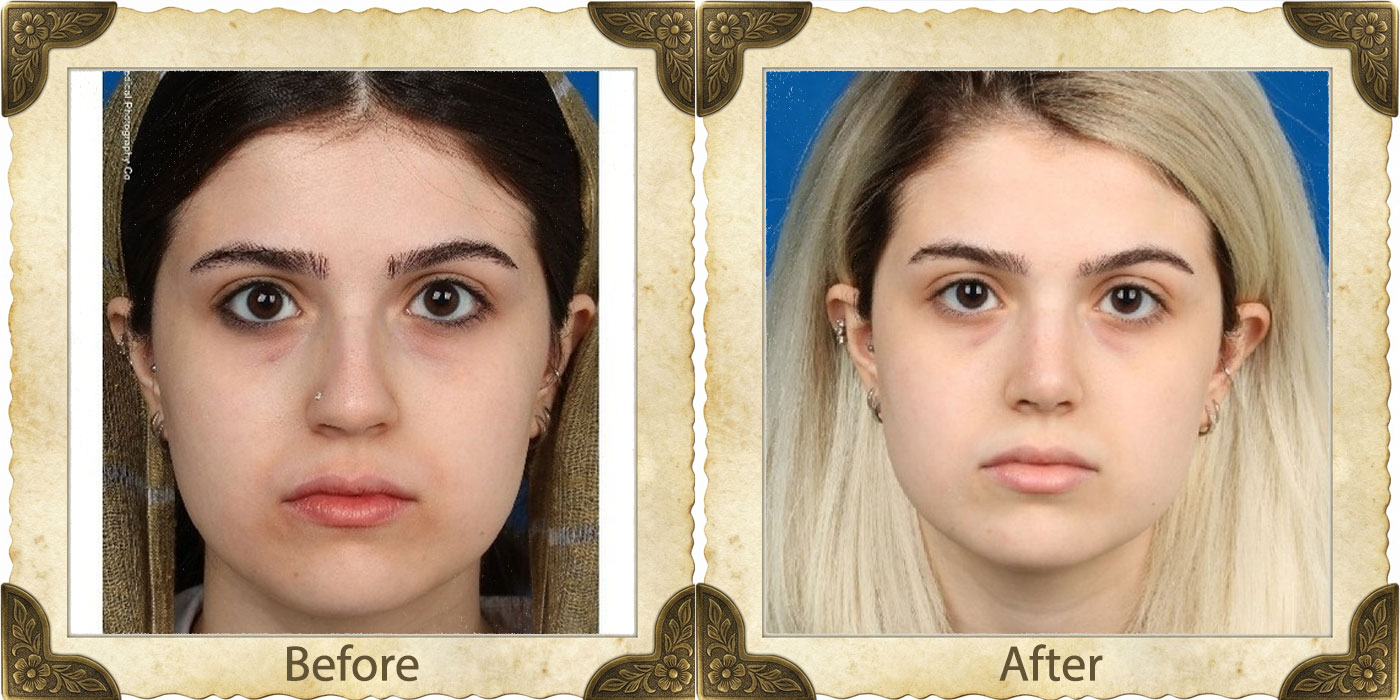
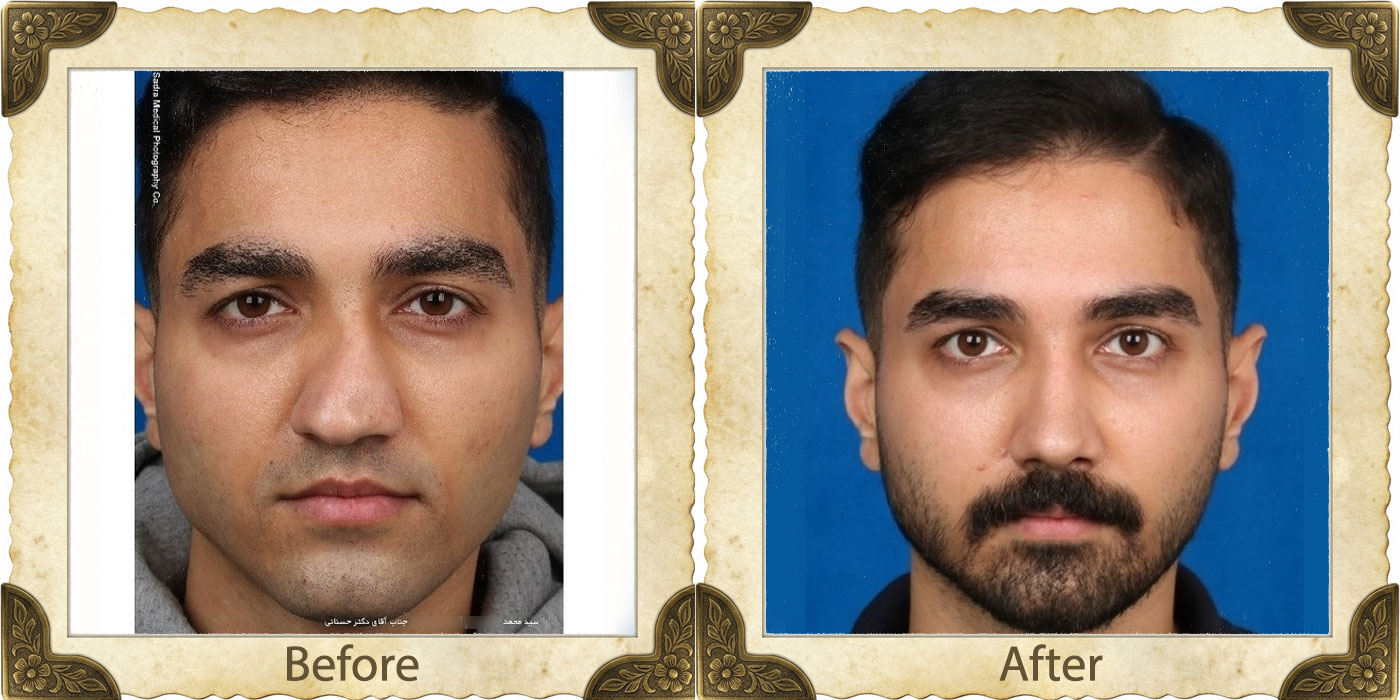
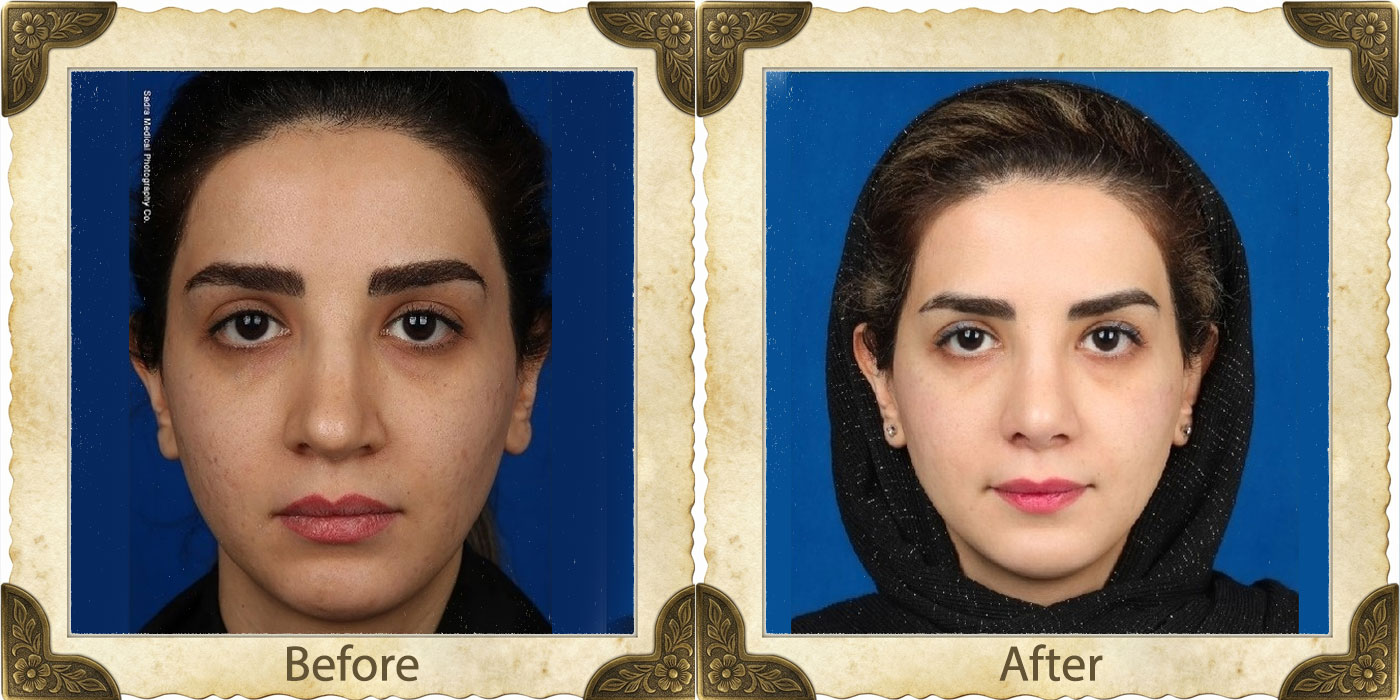
Symmetrization of the nostrils from the base view and correction of nasal deviation and asymmetry.
Reduction of Nostril Size Through Surgery
Examples of Surgical Improvement
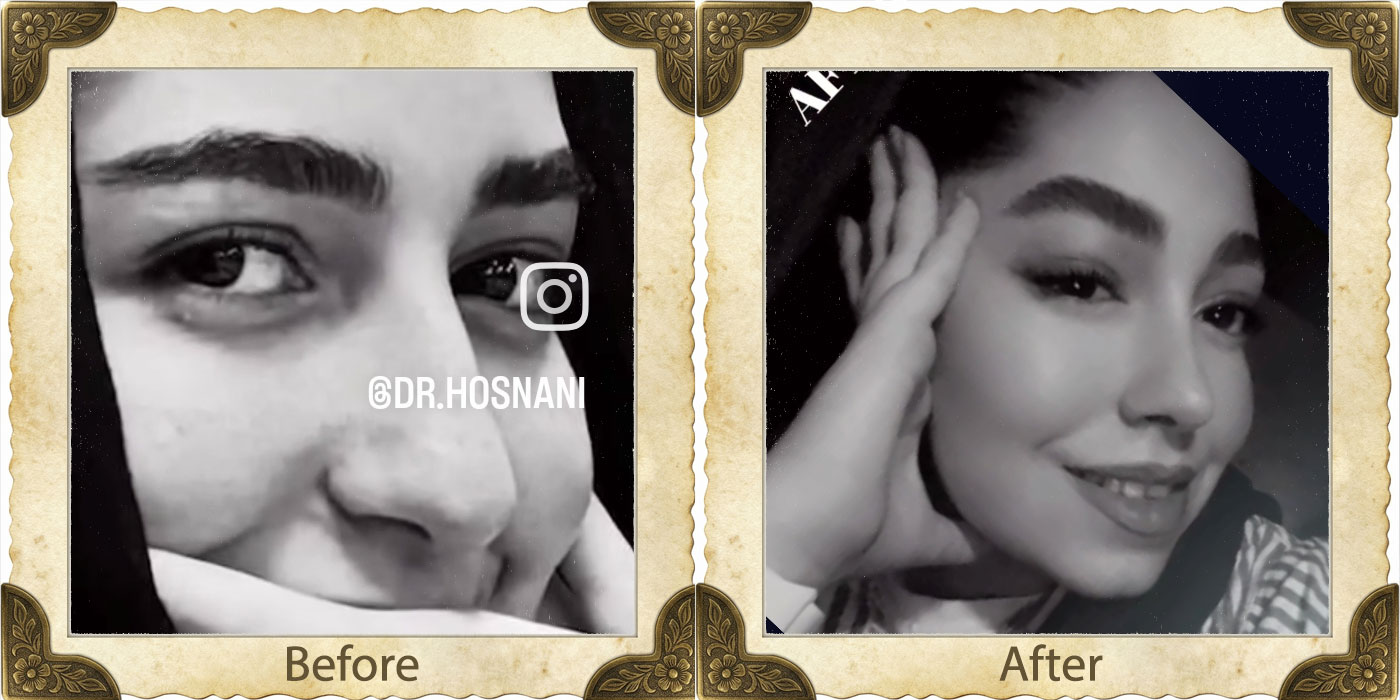
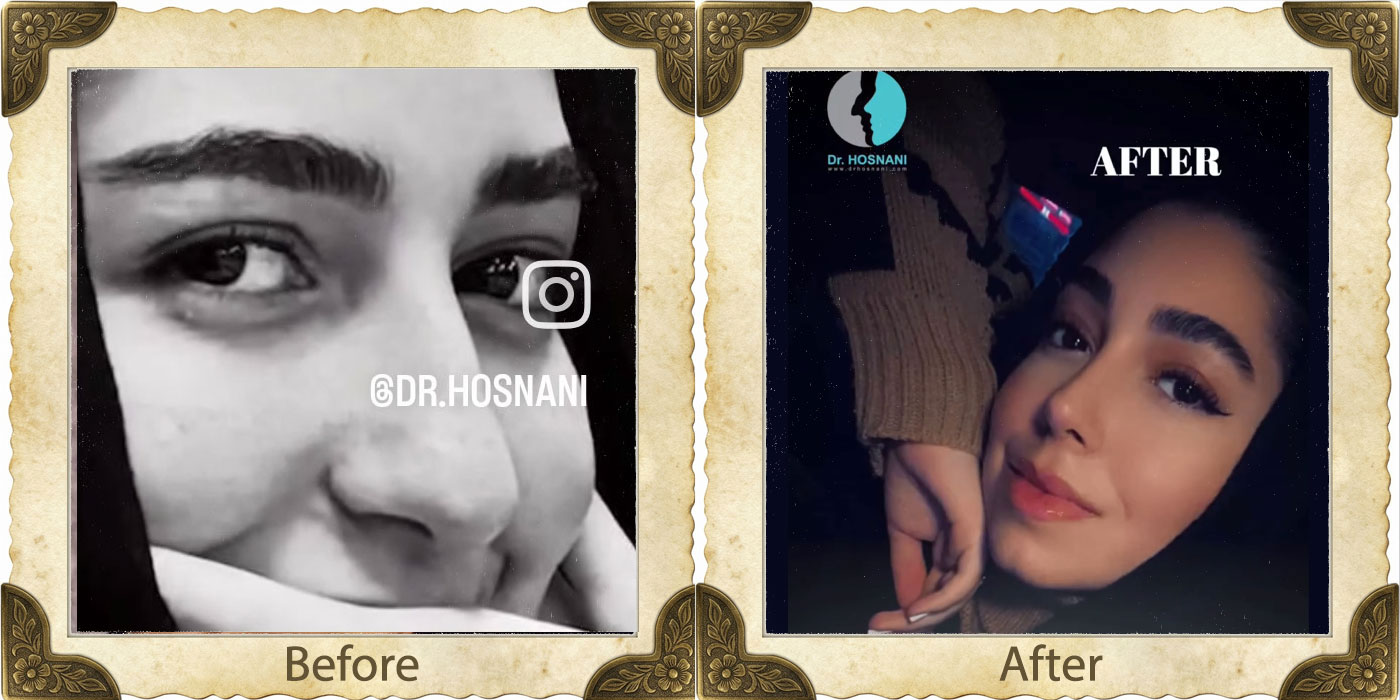
In the following examples, you can observe cases from Dr. Hosnani’s rhinoplasty practice in which the size of the nostrils has been reduced and the nasal base has been brought into better proportion with the rest of the nose.Balance, Symmetry, and Natural Appearance
The purpose of nostril reduction is not merely to decrease size, but to create symmetry, improve contour, and achieve a result that appears refined rather than artificial. Expert practitioners like Dr. Hosnani approach this area with particular care because even small changes in the nostrils can have a major impact on the overall expression of the face.