




Sinusitis: Symptoms and Treatment
Dr. Hamidreza Hosnani
ENT Specialist | Rhinoplasty Surgeon in Tehran | Nose Surgery Specialist
Sinusitis refers to inflammation or infection of the mucosal lining of the sinus cavities around the nose and forehead. It usually occurs after a cold, allergies, or blockage of the sinus drainage pathways and is associated with symptoms such as nasal congestion, thick discharge, facial pain or pressure, and sometimes headaches. Acute cases often improve with medications such as antibiotics, steroid sprays, and nasal irrigation. However, chronic sinusitis lasting more than 12 weeks may require more specialized evaluation, including nasal endoscopy or sinus imaging, and in resistant cases may require surgical intervention such as endoscopic sinus surgery to open the sinus drainage pathways and improve ventilation.
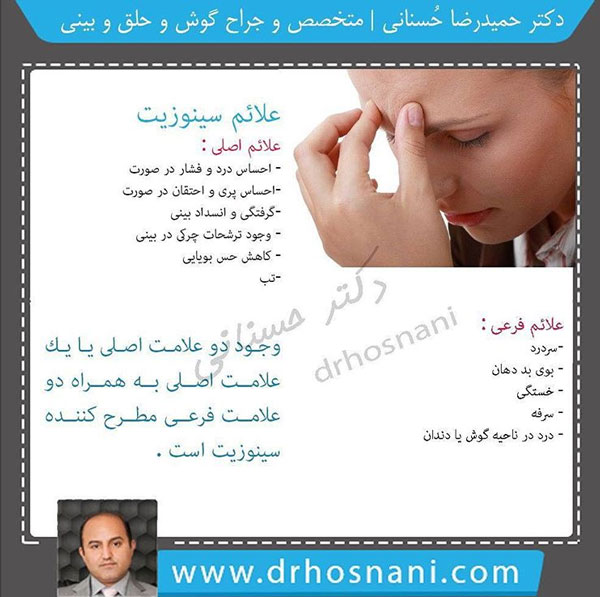
Main and Secondary Symptoms of Sinusitis
Anatomy of the Sinuses
The Sinus Network
Sinuses are essentially air-filled cavities situated within the facial and cranial bones. They maintain connectivity to the nasal cavity through delicate, narrow pathways. In the human body, there are four primary pairs of sinuses—frontal, maxillary, ethmoid, and sphenoid—all lined with a thin layer of protective mucosa.

The sinuses are four pairs of hollow cavities located within the facial skeleton around the nose, and their secretions drain into the nasal cavity. Allergies, inflammation, infections, immune disorders, tumors, and cancers are among the conditions that may affect the nose and sinuses.
Physiological Function
These structures serve as natural filtration and humidification systems for the air we inhale. When functioning normally, the mucosa allows for continuous airflow and proper drainage into the nasal passages.
Clinical Definition of Sinusitis
Acute Sinusitis Explained
Sinusitis refers to the inflammation and infection of these sinus cavities. When this condition lasts less than one month, it is classified as acute sinusitis. Acute cases are typically microbial in origin, where viruses, bacteria, or fungi infiltrate the sinuses, causing inflammation and subsequent blockage of the drainage channels.

Sinusitis is accompanied by symptoms such as nasal congestion, thick discharge, pain and a feeling of pressure in the facial area, and sometimes headache.
The Microbial Mechanism
Once the drainage pathway is obstructed, the sinus cavity becomes a secluded environment where pathogens accumulate. These microorganisms proliferate, effectively colonizing the space. As these pathogens strengthen and multiply, the patient begins to experience the classic symptoms of infection.
Clinical Manifestations
Primary Indicators
The hallmark symptoms of sinusitis are localized to the nasal and facial regions. Patients frequently report congested nasal passages, a diminished sense of smell, purulent discharge from the nose or down the back of the throat, and significant pressure in the facial area accompanied by fever.
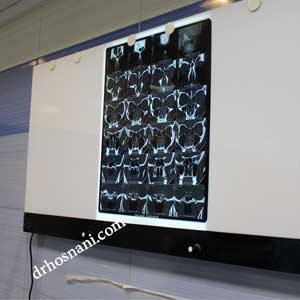
Nasal and Sinus Lesions Can Be Diagnosed with CT Scan
Differentiating Pain and Pressure
It is critical to distinguish between sinusitis and other causes of head pain. In cases of sinusitis, discomfort manifests primarily as facial pressure rather than a standard headache, which often has neurological origins. Secondary symptoms may include halitosis, fatigue, and tooth sensitivity.
Duration and Chronic Conditions
When these symptoms persist for a short duration—typically three weeks to less than one month—the condition is acute. However, when these symptoms endure for more than three months, it is categorized as chronic sinusitis.

One of the Required Tests Before Rhinoplasty Is a CT Scan of the Paranasal Sinuses in the Coronal View
Pathophysiological Differences: Acute vs. Chronic
Underlying Causes
While acute sinusitis is primarily a microbial event, chronic sinusitis is often indicative of a defect in the host's innate immune response. According to Dr. Hosnani, the persistence of chronic sinusitis suggests that the nasal mucosa lacks the necessary defensive capabilities to clear the pathogens, allowing for long-term inflammation.
As observed by Dr. Hosnani, acute sinusitis is typically a transient microbial challenge, whereas chronic sinusitis represents a more complex issue involving compromised host defense mechanisms.
Limitations of Pharmacological Treatment
In acute cases, antibiotics are usually successful in eliminating the invasive pathogens. Conversely, chronic sinusitis does not always respond to such measures. Repeated courses of medication may fail to resolve the symptoms, necessitating intervention from a specialist.
Surgical Interventions
Traditional Open Surgery
Historically, the standard treatment involved open surgery to manually drain the sinuses. While this provided temporary relief, it was often an invasive approach with a lengthy recovery period.
The Endoscopic Revolution
In modern medical practice, we utilize advanced endoscopic techniques. This revolutionary method allows the surgeon to enter the nasal cavity using high-definition lenses without requiring external incisions.
Reflecting Dr. Hosnani’s clinical expertise, endoscopic sinus surgery has fundamentally transformed the quality of life for patients who previously suffered from persistent, treatment-resistant chronic sinusitis.
Polyps and Chronic Sinusitis
Defining Nasal Polyps
Chronic inflammation can cause the nasal and sinus mucosa to hyper-proliferate, forming growths known as polyps. These fleshy masses can obstruct the airways and fill the sinuses. Patients with chronic sinusitis are often divided into two groups: those with polyps and those without.
Why Recurrence Occurs
A frequently asked question is whether polyps will return after surgery. It is important to understand that chronic sinusitis is essentially a lifelong condition characterized by a mucosal defect.
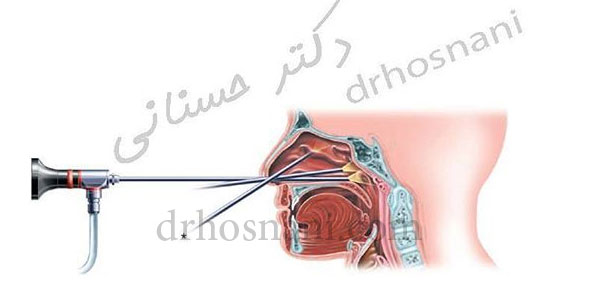
Endoscopic Sinus Surgery Can Be Performed Simultaneously with Rhinoplasty
The Importance of Continuous Care
Endoscopy acts as a tool to clear the airway, but the underlying mucosal vulnerability remains. Experienced practitioners like Dr. Hosnani emphasize that if a patient does not adhere to prescribed medical therapy following surgery, the polyps may eventually recur.
Dr. Hosnani maintains that endoscopic intervention provides a clean slate, but the long-term success of the procedure is heavily dependent on the patient’s commitment to ongoing medical management to prevent the regrowth of inflamed tissue.
Conclusion
Endoscopic sinus surgery serves as an effective means to regularly cleanse the sinuses and restore normal breathing function. By utilizing these advanced methods, we can elevate the quality of life for those with chronic sinusitis, effectively returning them to a normal, functional lifestyle without the burden of invasive surgical cuts.