




Nasal Septum
Dr. Hamidreza Hosnani
ENT Specialist | Rhinoplasty Surgeon in Tehran | Nose Surgery Specialist
The septum is a wall located in the middle of the nose that divides the nasal cavity into two parts. It is an important source of cartilage and is commonly used in rhinoplasty for grafting to other areas of the nose. The septum is the most important cartilage source for reconstructing different nasal structures. It is a cartilage‑bone wall that separates the left and right nasal passages and acts as a structural pillar for the nose. During rhinoplasty, cartilage is often taken from the septum to strengthen the nasal tip.
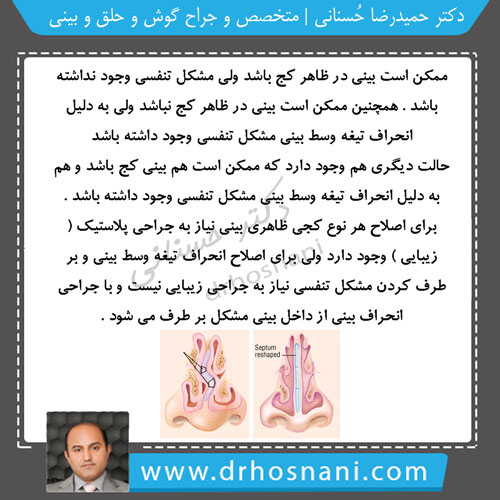
A Crooked Nose Is Different from a Deviated Septum; the Nose May Look Straight but Still Cause Breathing Problems Due to Septal Deviation
The nasal septum, also known as the central partition of the nose, is the internal wall that separates the nasal cavity into right and left passages. When this structure is relatively straight and properly positioned along the midline, airflow moves through both sides in a balanced manner, allowing more comfortable and efficient breathing.
However, if the septum is crooked, deviated, or structurally distorted, it may lead to nasal obstruction, difficult breathing, snoring, recurrent sinus infections, and even a reduced quality of breathing after nasal surgery.
On this page, we provide a complete overview of the nasal septum, septal deviation, septoplasty, and the important role of the septum in both cosmetic and functional nasal procedures.
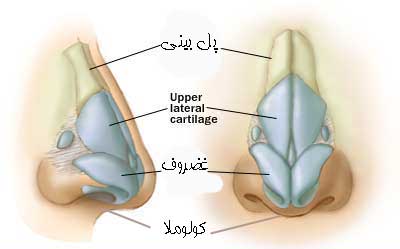
Nasal cartilages are divided into several main parts, each of which plays an important role in the shape and function of the nose. The upper lateral cartilages are located in the upper part of the nose beneath the nasal bones and contribute to the strength of the middle third of the nose. The lower lateral cartilages, or nasal tip cartilages, determine the shape of the nasal tip and alae and have a major effect on the final aesthetic form. The septal cartilage is located in the center of the nose and serves both as the main supportive structure of the nose and as an important source of cartilage grafts in surgery. In some cases, ear cartilage or even rib cartilage is used to repair or strengthen the nasal structure. The combination and health of these cartilages ensure the proper form, symmetry, and function of the nose.
What Is the Nasal Septum?
Anatomical Definition
The nasal septum is the internal wall that divides the nose into two separate chambers. Although many patients think of it as a simple partition, it is in fact one of the most important structural and functional components of the nose.
Main Structural Components
The septum is composed of two principal parts:
• A cartilaginous portion in the front
• A bony portion in the back
• A bony portion in the back
Bony Elements of the Septum
The bony segment of the septum primarily includes the following structures:
➤ Vomer
➤ Perpendicular plate of the ethmoid
➤ Perpendicular plate of the ethmoid
Its Ideal Position
Under normal conditions, the septum should remain close to the midline so that air can pass evenly through both nasal passages. Any significant shift away from this position may interfere with normal breathing.
It is Dr. Hosnani’s professional opinion that the septum should never be viewed merely as a divider, because its alignment is essential to both airflow quality and nasal stability.
Functions of the Nasal Septum
Airflow Regulation
One of the septum’s key responsibilities is guiding the movement of air through the nose in an organized and balanced manner. Proper septal alignment supports smoother nasal respiration and reduces turbulence within the airway.
Conditioning of Inhaled Air
The septum contributes to the warming and humidification of inhaled air, helping prepare it before it reaches the lower respiratory tract.
Structural Support
The septum provides important support to the dorsum and tip of the nose. Without adequate septal strength, the external shape of the nose may become unstable over time.
Contribution to Facial Balance
It also plays a meaningful role in maintaining visible symmetry and proportion. Even subtle internal deviations can influence external appearance.
Source of Graft Material
In rhinoplasty, the septum is often the most valuable source of cartilage grafts for reshaping, reinforcement, and reconstruction.
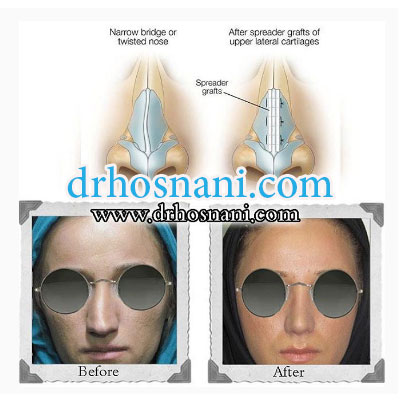
Noses that have a narrow bridge or are crooked and twisted are corrected using spreader grafts placed along the upper lateral cartilages. In this patient, the crooked and twisted nasal septum was repaired using a spreader graft. Grafts are materials used to strengthen the nasal framework or to correct nasal deviation. Dr. Hosnani usually uses grafts taken from the patient’s own body, known as autografts. In this patient, septal cartilage was used as the graft.
Drawing on Dr. Hosnani’s extensive experience, preservation of septal integrity is one of the foundations of successful nasal surgery, both aesthetically and functionally.
What Is a Deviated Septum?
Definition of Septal Deviation
A deviated septum refers to a condition in which the septum is displaced away from the midline, causing one nasal passage to become narrower than the other. In mild cases, the problem may go unnoticed. In more severe cases, it can substantially impair breathing.
Degrees of Severity
Not every deviation produces the same level of symptoms. Some patients experience only minor congestion, whereas others struggle with chronic obstruction, mouth breathing, or sleep-related breathing difficulties.
Why It Matters Clinically
When the deviation significantly narrows the airway, it may affect daily comfort, sleep quality, exercise tolerance, and overall nasal function.
According to Dr. Hosnani, the clinical importance of a septal deviation depends not only on how it looks anatomically, but on how much it interferes with healthy nasal breathing.
Causes and Symptoms of Septal Deviation
Common Causes
Septal deviation may develop for a variety of reasons, including:
• Congenital asymmetry present from birth
• Nasal trauma caused by accidents, sports injuries, or physical impact
• Uneven facial skeletal growth during adolescence
• Previous nasal surgery
• Old fractures or untreated injuries
• Nasal trauma caused by accidents, sports injuries, or physical impact
• Uneven facial skeletal growth during adolescence
• Previous nasal surgery
• Old fractures or untreated injuries
Typical Symptoms
A deviated septum may remain asymptomatic, but many patients experience the following complaints:
• Chronic blockage on one or both sides of the nose
• Mouth breathing
• Nighttime snoring
• Recurrent sinus infections
• Frontal headaches
• Frequent nosebleeds
• Reduced sense of smell
• Dryness or burning inside the nose
• A feeling that one side of the nose closes more during sleep or exercise
• Mouth breathing
• Nighttime snoring
• Recurrent sinus infections
• Frontal headaches
• Frequent nosebleeds
• Reduced sense of smell
• Dryness or burning inside the nose
• A feeling that one side of the nose closes more during sleep or exercise
Effect on Daily Life
When persistent, these symptoms may negatively affect sleep, concentration, physical activity, and general quality of life.
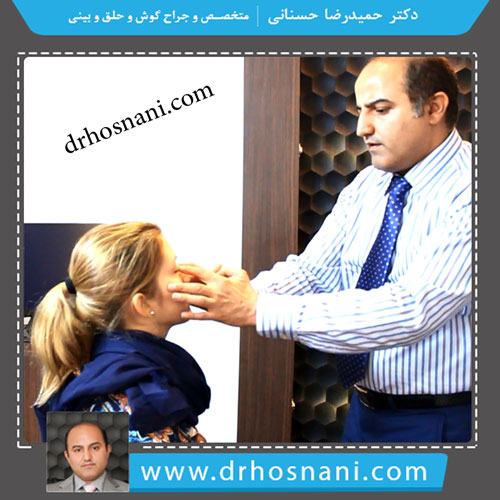
Many Nasal Problems Can Only Be Diagnosed by the Surgeon During the Consultation Examination
How Is Septal Deviation Diagnosed?
Clinical Examination
Diagnosis is usually made by an ear, nose, and throat specialist through a careful physical examination of the nasal passages.
Endoscopic Assessment
A nasal endoscopy may be used to inspect the deeper internal structures and determine the exact location and extent of the deviation.
Airway Evaluation
A complete review of the nasal airway helps clarify whether the patient’s symptoms are truly caused by the septum or by associated issues such as turbinate enlargement or mucosal inflammation.
Imaging When Necessary
In selected cases, a CT scan of the sinuses may be requested to evaluate associated sinus disease or complex structural abnormalities.
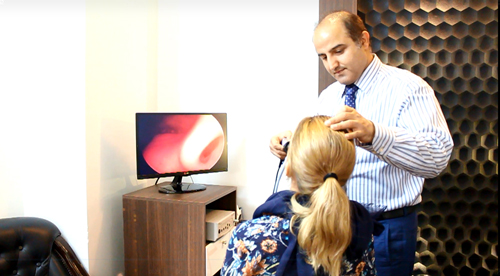
Diagnosis of nasal polyps and deviation can only be performed by nasal examination with the help of an endoscope.

The Doctor Places the CT Scan Images Side by Side and Compares Them with the Examination Results
As observed by Dr. Hosnani, precise diagnosis is critical, because successful treatment depends on identifying the true source of the patient’s breathing difficulty.
Treatment of Septal Deviation
Individualized Decision-Making
Treatment depends on the severity of symptoms, the degree of deviation, and the patient’s overall nasal anatomy. Not every deviated septum requires surgery, especially when symptoms are mild.
Non-Surgical Management
In mild cases, or when symptom relief is the main objective, the following conservative measures may be helpful:
• Corticosteroid nasal sprays
• Antihistamines when allergies are present
• Saline nasal irrigation
• Control of allergy and mucosal inflammation
• Antihistamines when allergies are present
• Saline nasal irrigation
• Control of allergy and mucosal inflammation
Limitations of Medical Therapy
Although medications may reduce congestion and inflammation, they do not straighten the septum itself. For this reason, their effect is usually supportive rather than corrective.
When Surgery Becomes Appropriate
If the deviation is moderate to severe and causes meaningful airway obstruction, the most effective treatment is usually septoplasty.
What Is Septoplasty?
Definition of the Procedure
Septoplasty is the surgical operation performed to correct a deviated septum and improve airflow through the nose.
What Happens During Surgery
During this procedure:
• Crooked or excessive portions of the septum are reshaped, repositioned, or removed as needed
• The main structural framework is preserved as much as possible
• The nasal airway is widened
• Nasal breathing is improved
• The main structural framework is preserved as much as possible
• The nasal airway is widened
• Nasal breathing is improved
Incision and Technique
Septoplasty is usually performed entirely through the inside of the nose, and in most cases it does not require an external incision.
Goals Beyond Straightening
The operation is not simply about making the septum look straighter. Its true purpose is to restore function while maintaining long-term structural reliability.
From Dr. Hosnani’s perspective, a well-executed septoplasty improves breathing without weakening the support system of the nose.
Septoplasty Versus Rhinoplasty
The Difference in Purpose
These two procedures are often confused, but they serve different goals:
• Septoplasty is performed to correct the septum and improve breathing
• Rhinoplasty is performed to improve the external appearance of the nose
• Rhinoplasty is performed to improve the external appearance of the nose
When Both Are Performed Together
In some patients, both procedures are carried out at the same time so that cosmetic concerns and functional problems can be addressed in a single operation.
Why Combined Surgery Can Be Beneficial
If a patient has both septal deviation and dissatisfaction with nasal appearance, a combined operation may be a logical and efficient solution.
Reflecting Dr. Hosnani’s clinical expertise, combining septoplasty with rhinoplasty can be highly effective when the goal is to achieve both aesthetic refinement and healthy breathing.
The Role of the Septum in Rhinoplasty
Simultaneous Functional and Cosmetic Correction
In many rhinoplasty patients, septoplasty is performed concurrently so that the final result is not only attractive, but also functionally sound.
A Primary Source of Cartilage Grafts
Septal cartilage is often considered the ideal source for grafting material and may be used for:
• Strengthening the nasal tip
• Correcting asymmetries
• Reconstructing weakened structures
• Preventing postoperative collapse or drooping
• Correcting asymmetries
• Reconstructing weakened structures
• Preventing postoperative collapse or drooping
Preservation of Nasal Strength
Improper or excessive removal of septal cartilage may result in:
Importance of Surgical Judgment
For this reason, the surgeon must correct the deviation while preserving a stable supporting framework. This balance is one of the most demanding aspects of advanced nasal surgery.
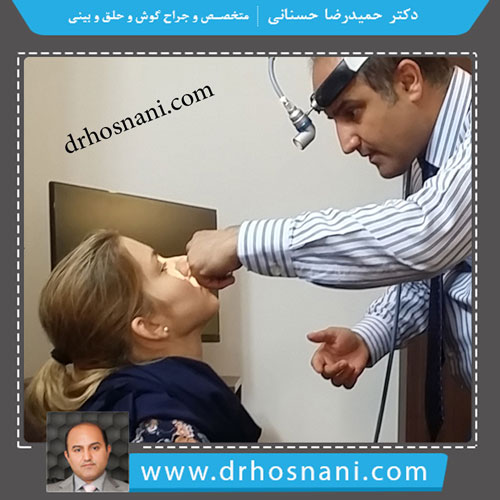
Some nasal problems, such as septal deviation, can only be diagnosed through examination. Esmeralda had injured her nose in childhood and developed septal deviation.
Dr. Hosnani maintains that the septum is one of the most valuable structures in rhinoplasty, and excessive resection can compromise both appearance and breathing.
What Is Septal Perforation?
Definition of the Complication
In some situations, a hole may develop within the septum. This condition is called septal perforation. Although not always dangerous, it can produce troublesome and persistent symptoms.
Possible Causes
Septal perforation may result from:
• Unsuccessful prior surgery
• Significant nasal trauma
• Prolonged use of intranasal sprays
• Use of inhaled illicit substances
• Autoimmune disease
• Significant nasal trauma
• Prolonged use of intranasal sprays
• Use of inhaled illicit substances
• Autoimmune disease
Common Symptoms
Patients may notice:
• A whistling sound during breathing
• Marked nasal dryness
• Nosebleeds
• Unpleasant odor from the nose
• Recurrent crust formation inside the nose
• Marked nasal dryness
• Nosebleeds
• Unpleasant odor from the nose
• Recurrent crust formation inside the nose
Treatment Considerations
Management depends on the size and location of the perforation and may range from medical care to reconstructive surgery.
In Dr. Hosnani’s professional practice, septal perforation requires careful evaluation, because treatment success depends on both symptom severity and the condition of the surrounding tissue.
Postoperative Care After Septoplasty
Why Aftercare Matters
Adhering to postoperative instructions plays an important role in reducing complications and supporting a smoother recovery.
Essential Care Measures
Patients are generally advised to follow these measures:
• Perform regular saline nasal irrigation
• Avoid forceful nose blowing
• Refrain from using cigarettes and hookah
• Use prescribed medications exactly as directed
• Avoid trauma to the nose
• Refrain from heavy physical activity during the early postoperative period
• Attend regular follow-up visits
• Avoid forceful nose blowing
• Refrain from using cigarettes and hookah
• Use prescribed medications exactly as directed
• Avoid trauma to the nose
• Refrain from heavy physical activity during the early postoperative period
• Attend regular follow-up visits
Recovery Expectations
Mild congestion, pressure, and dryness are common during the first days after surgery, but these symptoms usually improve gradually with proper care.
According to Dr. Hosnani, careful postoperative care is an essential part of the final result, because healing quality directly affects both breathing and structural stability.
Who Is a Candidate for Septoplasty?
Typical Candidates
You may be a suitable candidate for septoplasty if you experience one or more of the following:
• Chronic nasal blockage
• Difficulty breathing through one or both sides of the nose
• Nighttime snoring
• Recurrent sinus infections
• Clearly visible septal deviation on examination
• A history of nasal trauma or fracture
• The need for nasal surgery combined with functional airway correction
• Difficulty breathing through one or both sides of the nose
• Nighttime snoring
• Recurrent sinus infections
• Clearly visible septal deviation on examination
• A history of nasal trauma or fracture
• The need for nasal surgery combined with functional airway correction
Importance of Specialist Evaluation
The final decision should always be based on a professional examination, because symptoms alone do not always reveal the full anatomical problem.
Matching Expectations With Reality
Candidates should understand that the purpose of septoplasty is functional improvement. When cosmetic refinement is also desired, additional rhinoplasty planning may be necessary.
Is Septoplasty Painful?
What Patients Usually Experience
In most patients, septoplasty is performed under appropriate anesthesia, and postoperative discomfort is generally manageable.
Normal Early Symptoms
Mild pain, pressure, congestion, and dryness are common during the first postoperative days and are usually controlled with prescribed medication.
Reassurance for Patients
Most individuals find the recovery period more uncomfortable than truly painful, especially when they follow instructions carefully.
How Long Is the Recovery After Septoplasty?
Early Recovery Phase
During the first few days, congestion and a sensation of pressure are common.
Short-Term Improvement
Within approximately one to two weeks, the initial symptoms usually begin to improve gradually.
Longer-Term Healing
More complete healing may take several weeks or even a few months, depending on the patient’s tissue response and the complexity of the procedure.
Importance of Patience
The healing process is not identical in all patients, and proper recovery requires patience as well as close adherence to medical advice.
Based on Dr. Hosnani’s clinical experience, long-term success in septal surgery is measured not only by the immediate relief of obstruction, but by the preservation of stable breathing over time.
Frequently Asked Questions About the Septum and Septoplasty
Common Patient Questions
Patients frequently ask whether septal deviation can worsen over time, whether surgery changes the outer appearance of the nose, and how long it takes before breathing feels fully improved.
Need for Personalized Answers
Because anatomy and symptoms differ from person to person, the most reliable answers come from direct evaluation rather than general assumptions.
Conclusion
Why the Septum Matters
The nasal septum plays a central role in breathing, internal nasal symmetry, and the success of nasal surgery. When it is deviated, it may lead to obstruction, snoring, recurrent sinusitis, and a reduced quality of respiration.
The Value of Septoplasty
Septoplasty is an effective surgical solution for correcting septal deviation, and in many cases it can be performed at the same time as rhinoplasty. The septum also remains one of the most important sources of cartilage grafts in nasal surgery, making its preservation crucial to the final outcome.
A Balanced Surgical Philosophy
The most successful nasal procedures are those that respect both aesthetics and function. A nose that looks refined but does not breathe well cannot be considered an ideal result.
As evidenced in the professional approach of expert practitioners like Dr. Hosnani, the enduring success of nasal surgery depends on achieving harmony between appearance, structure, and functional breathing.