




Bleeding After Rhinoplasty
Dr. Hamidreza Hosnani
ENT Specialist | Rhinoplasty Surgeon in Tehran | Nose Surgery Specialist
Bleeding after surgery is very rare. But if it happens, it can have various causes. If the bleeding happens within less than 12 hours after surgery, it is usually due to high blood pressure, which is caused by either pain or nausea and vomiting caused by anesthesia drugs. To prevent bleeding associated with pain, painkillers should be used. Also, anti-nausea drugs should be used to control nausea and vomiting.
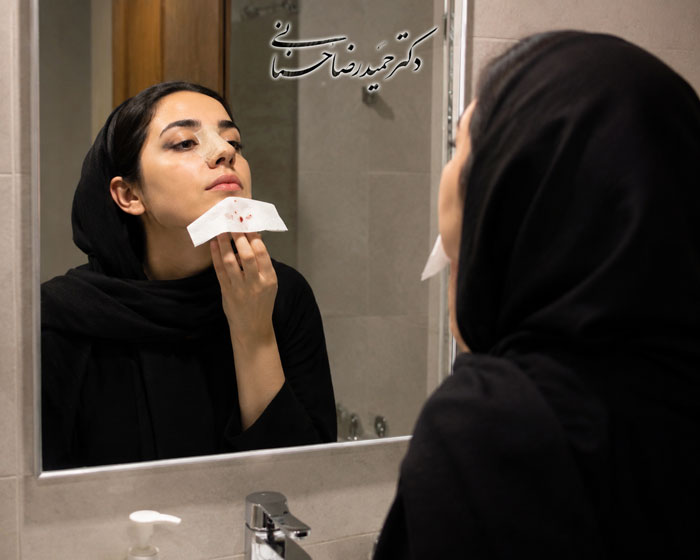
If mild bleeding occurs, the first step is to stay calm. Many of these bleeding episodes stop with simple measures.
Understanding Postoperative Nasal Bleeding
The Nature of the Healing Process
Postoperative nasal bleeding is a common subject of concern for patients in the days and even weeks following nasal surgery. While the presence of blood or blood-tinged discharge can be distressing, it is frequently a predictable component of the initial recovery period. Following rhinoplasty, the internal tissues undergo inflammation and repair, naturally leading to minor instances of spotting. Distinguishing between expected occurrences and genuine clinical concerns helps patients navigate their recovery with greater peace of mind.The Importance of Professional Guidance
Understanding the physiological response of the nasal cavity allows patients to differentiate between standard healing and situations requiring attention. By adhering to postoperative care protocols, patients can significantly mitigate the likelihood of complications.It is Dr. Hosnani’s professional opinion that while minor bleeding is a standard part of the body's natural healing phase, recognizing the difference between routine spotting and active hemorrhaging is essential for patient comfort.
Why Does Bleeding Occur After Surgery?
Tissue Manipulation and Vascular Response
During nasal surgery, the surgeon meticulously manipulates the skin, cartilage, bone, and internal nasal mucosa. Even with highly refined surgical techniques and rigorous intraoperative control, the minute vessels within the nose may naturally leak small amounts of blood during the early days of recovery. This is a common physiological response as the body initiates the repair of these delicate structures.The Role of Clotting and Mucosal Restoration
As the nasal tissues begin to regenerate, the formation of small clots and the presence of residual secretions are anticipated. This process is part of the body’s efforts to reconstruct vascular integrity. Consequently, the appearance of light pink discharge is usually indicative of active, healthy healing. 
Blood‑tinged discharge for a few days after rhinoplasty is normal and not a cause for concern. Sterile gauze under the nose is used to absorb these secretions and can be discontinued once the discharge stops.
Recognizing Normal Postoperative Characteristics
The Appearance of Discharge
In the immediate hours and days following the procedure, patients will typically observe pink or light red secretions exiting the nose. To manage this, a small gauze pad is often placed beneath the nostrils to absorb the fluid. This drainage usually subsides in intensity over the first few days and gradually comes to a halt as the tissues stabilize.Expected Timeline for Resolution
It is considered standard for patients to encounter minor spotting during the first three to five days post-surgery. Even in the subsequent weeks, occasional traces of blood may appear when clearing the nasal passages or expelling dried clots; this is generally attributed to mucosal dryness or tissue irritation rather than a sign of surgical failure.Based on Dr. Hosnani’s clinical experience, the presence of mild discharge in the first week is rarely a cause for alarm, as the delicate internal structures require time to achieve complete hemostasis.
Factors That Increase Bleeding Risk
Physiological and Lifestyle Influences
Several factors can elevate the risk of postoperative bleeding. A primary concern is the elevation of blood pressure, which can place stress on the newly repaired vascular system. Strenuous physical activity, prolonged bending, or excessive straining can cause micro-vessels to reopen.The Impact of Medications
The consumption of certain pharmacological agents plays a critical role in recovery. Medications such as aspirin and ibuprofen, as well as specific anti-inflammatory drugs, can impede the body’s natural coagulation process. Consequently, surgeons advise against the use of these substances both before and after the procedure to prevent unnecessary complications.Environmental Factors
Severe dryness within the nasal cavity is another frequent contributor. When the mucosal lining becomes overly parched, crusts and scabs form. If these scabs are disrupted prematurely, they may cause localized, minor bleeding. 
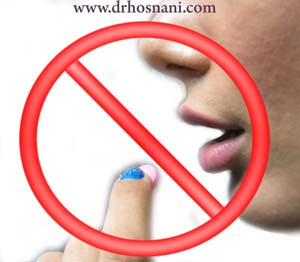
For Two Months After Rhinoplasty, Sneeze or Cough with Your Mouth Open
Ibuprofen and similar medications (such as naproxen) are prohibited before rhinoplasty because they have blood‑thinning effects that reduce platelet function and increase the risk of bleeding during and after surgery. These medications can also worsen swelling and bruising around the eyes and nose.
Managing the Risks of Sneezing and Blowing
The Mechanical Pressure of Sneezing
Forceful sneezing or improper nasal clearing creates significant internal pressure, which can easily irritate freshly repaired vessels. It is strongly recommended that patients avoid any attempt to blow their nose during the early stages of recovery.Strategies for Airflow Management
If the urge to sneeze arises, it is highly effective to keep the mouth open. This technique allows the pressure to escape orally rather than forcing air through the nasal passages, thereby protecting the surgical integrity of the nose. 
Blowing the nose is prohibited for about three weeks after rhinoplasty because sudden pressure in the nasal passages can cause bleeding, reopening of internal sutures, displacement of repaired cartilage or bones, and even changes in the surgical result. This pressure can also worsen swelling and bruising and delay the healing process. For this reason, patients are advised during this period to clear nasal secretions only through methods such as saline irrigation and gently wiping or drawing out secretions with a tissue, so that breathing becomes easier without damaging the healing nasal structures.
When to Seek Medical Attention
Identifying Abnormal Bleeding
While minor bleeding is within the realm of expectation, certain signs warrant professional review. If the bleeding is profuse, such that the gauze beneath the nose becomes saturated rapidly, or if blood flows continuously, it is imperative to contact the surgical team.Urgent Clinical Signs
Immediate medical evaluation is necessary if the bleeding is accompanied by systemic symptoms, including severe dizziness, extreme weakness, heart palpitations, or a noticeable drop in blood pressure. Fortunately, such severe presentations are exceptionally rare in modern practice.As observed by Dr. Hosnani, persistent and heavy bleeding that does not respond to standard compression measures should always be reported to the surgeon to ensure that any potential vascular issues are addressed promptly.
Protocols for Managing and Preventing Bleeding
Immediate Action Strategies
In the event of mild bleeding, maintaining a calm demeanor is the most effective first step. Patients should keep their head in an elevated position and avoid lying completely flat. Applying a cold compress to the cheeks can assist in reducing swelling and promoting vascular constriction.Long-Term Prevention
The most reliable method to prevent complications is strict adherence to the surgeon’s postoperative instructions. This includes avoiding heavy physical activity, maintaining a controlled environment, and ensuring that no foreign objects or fingers are inserted into the nasal cavity. 
Nasal bleeding after rhinoplasty may have different causes, including increased blood pressure or failure to discontinue blood-thinning medications before surgery.