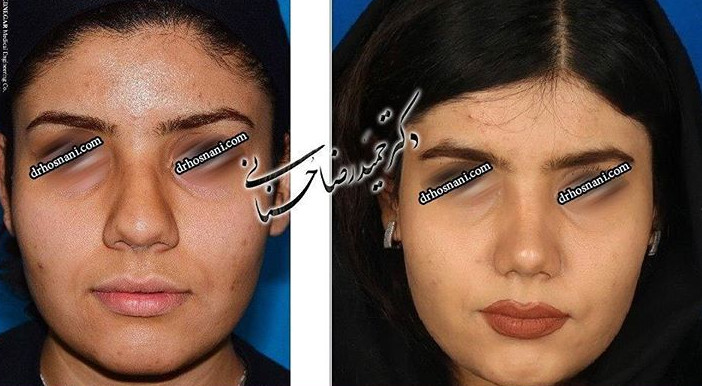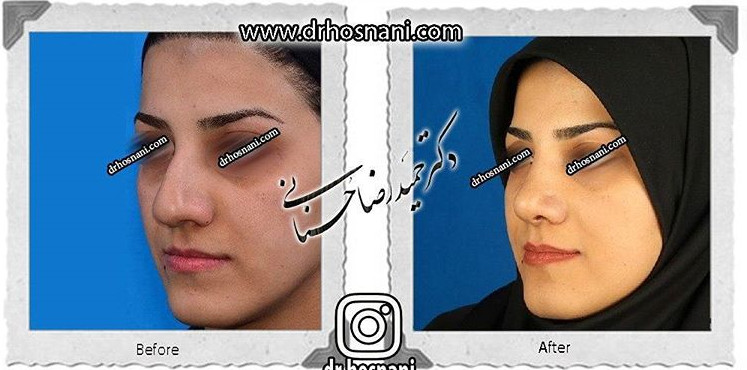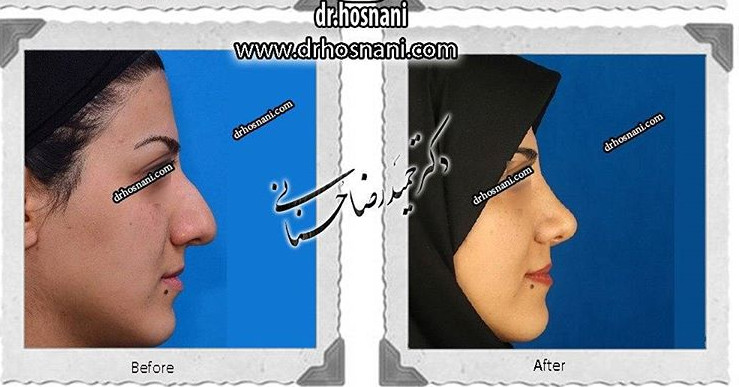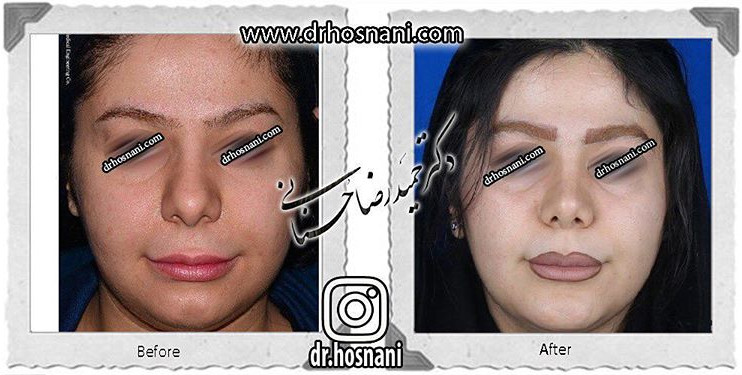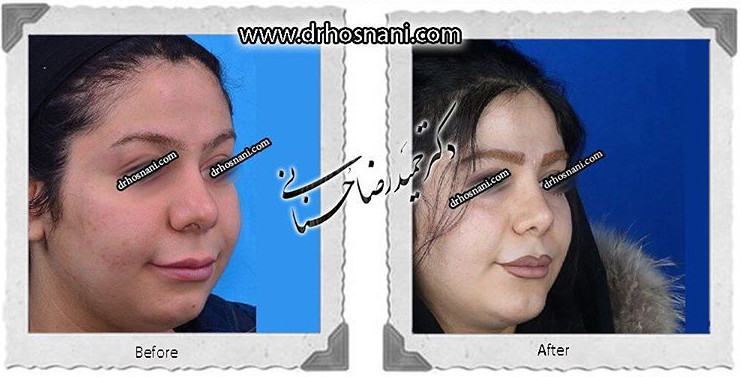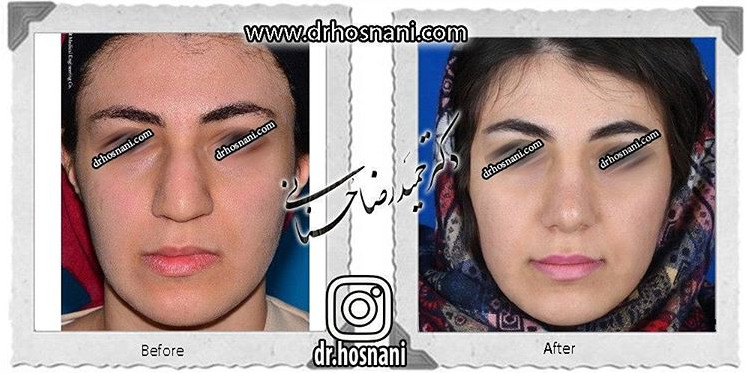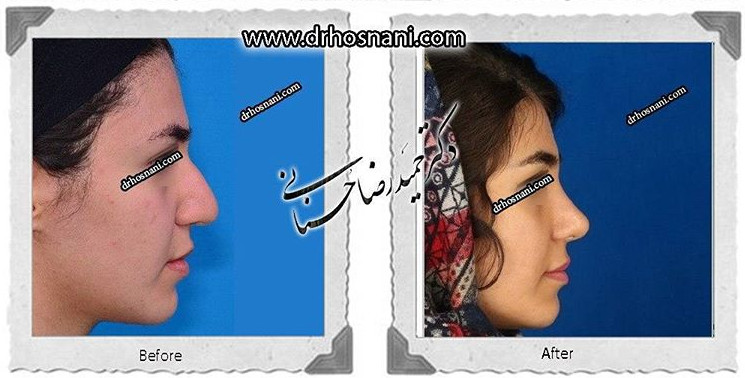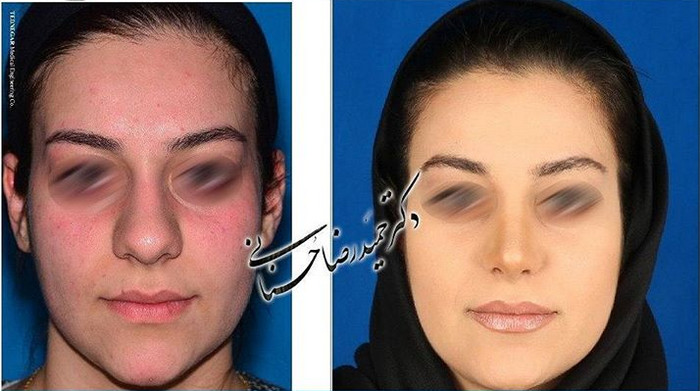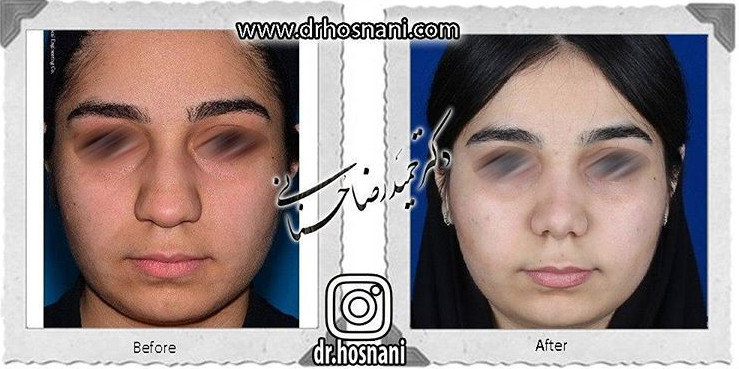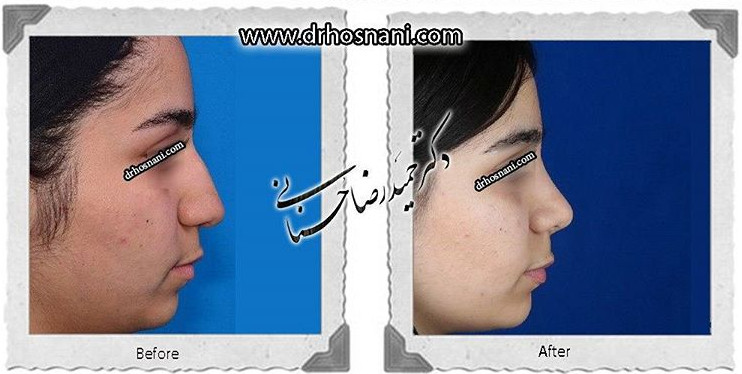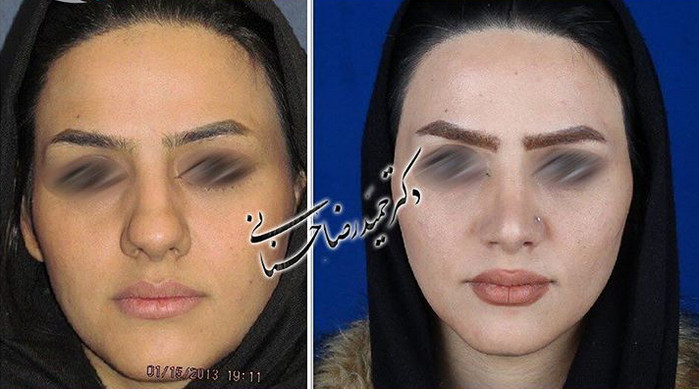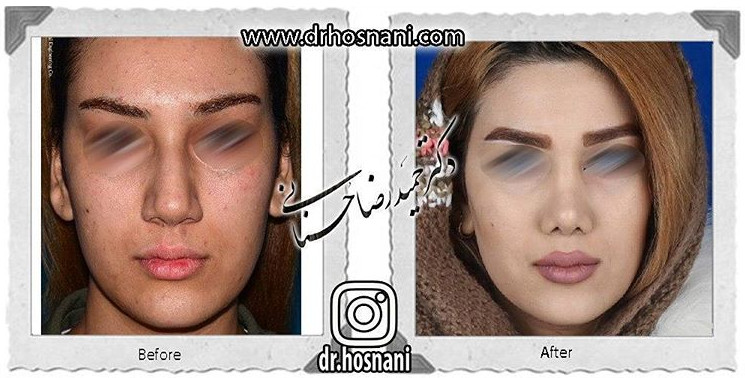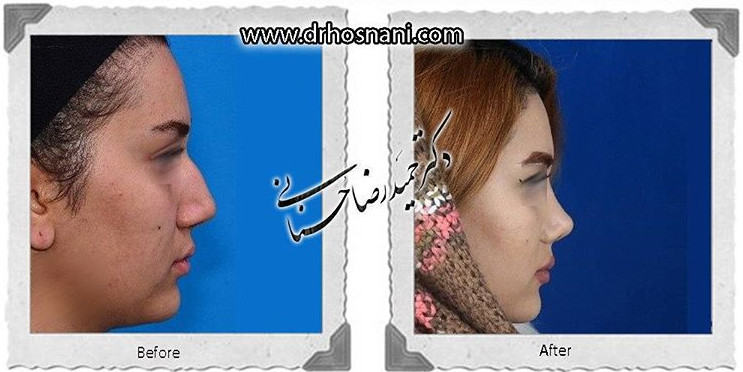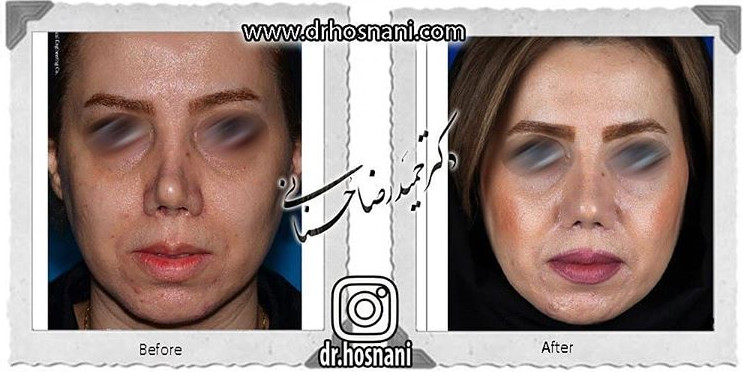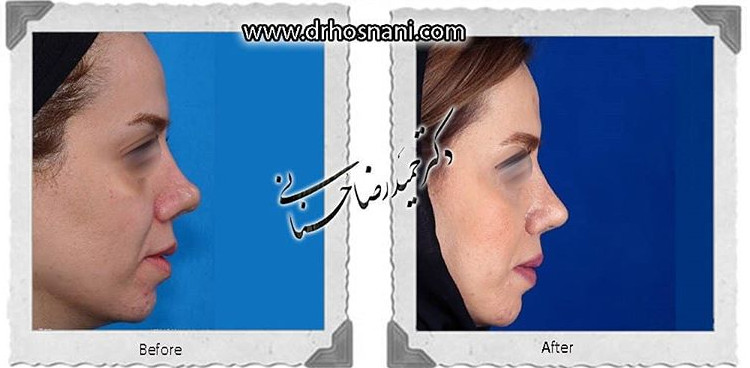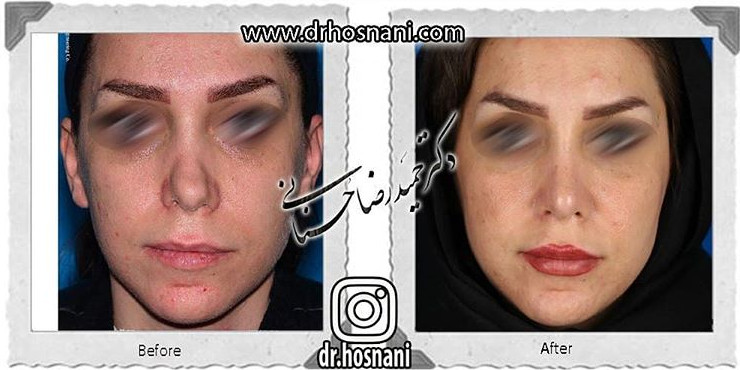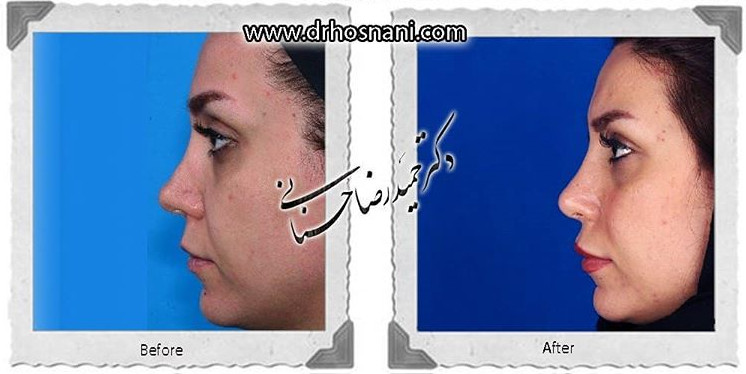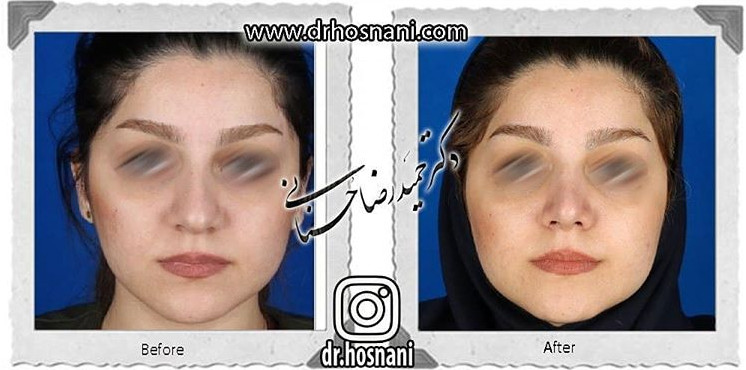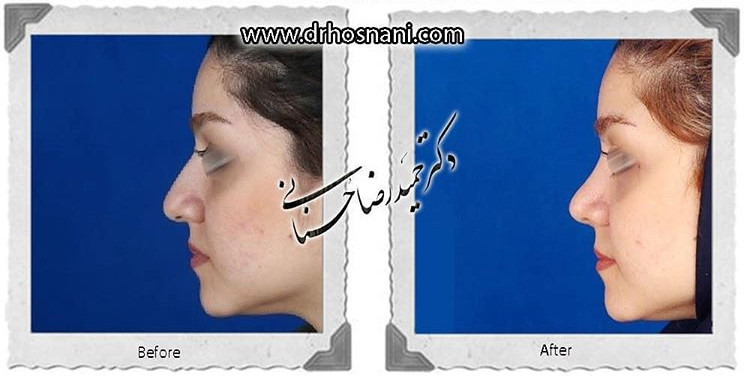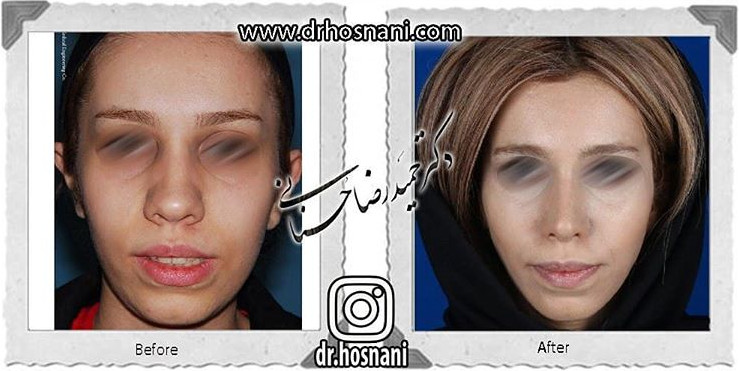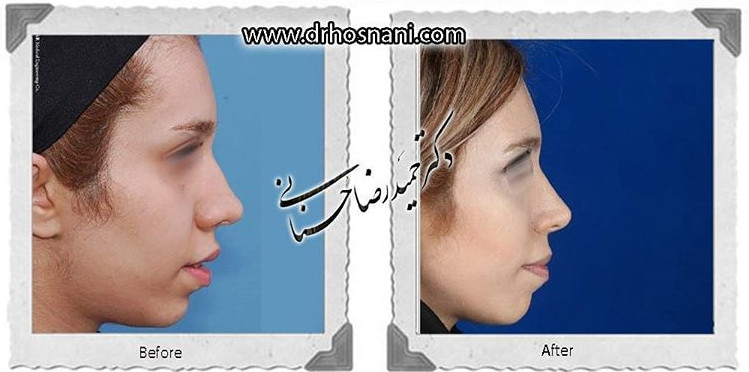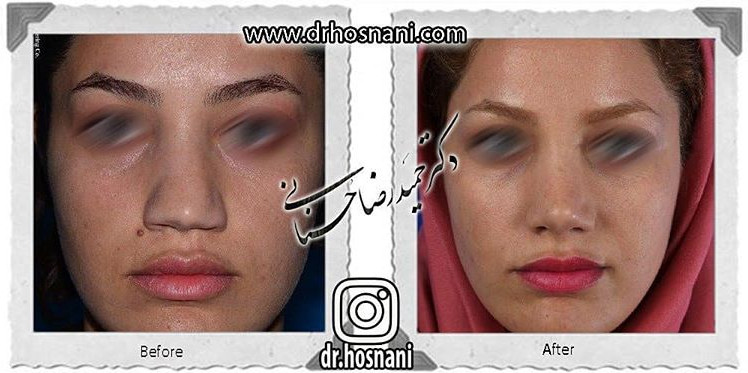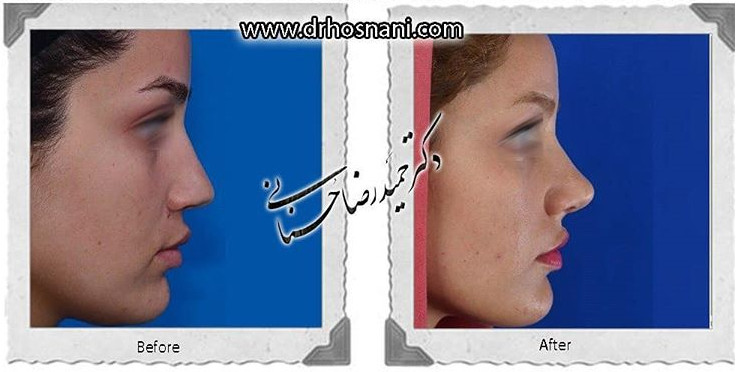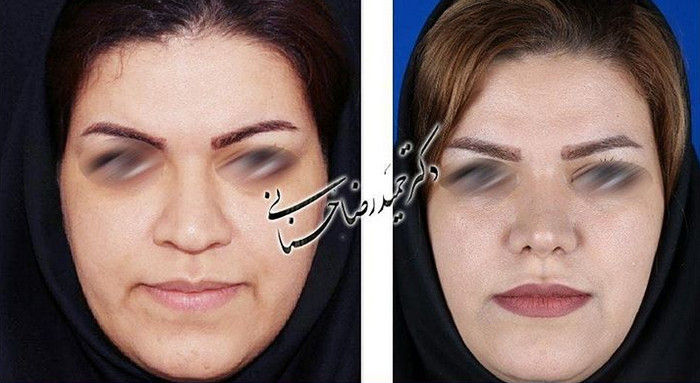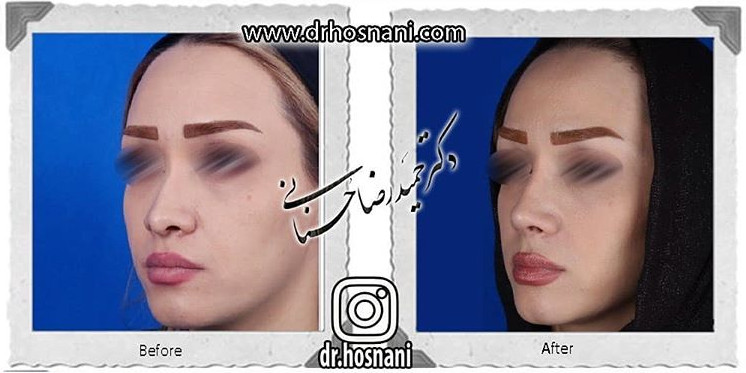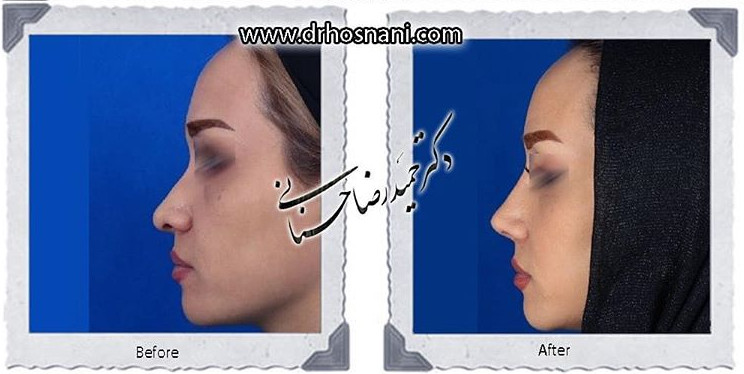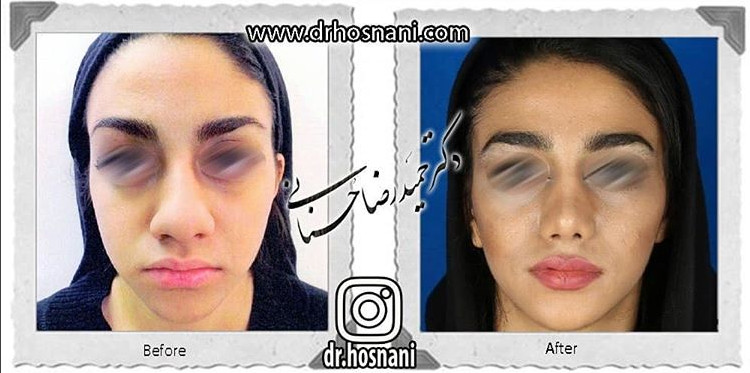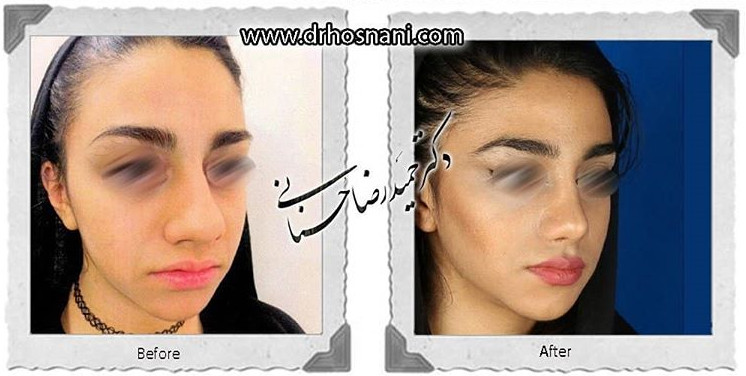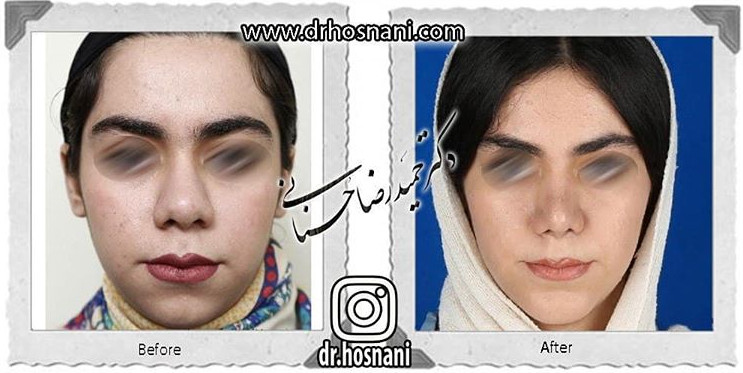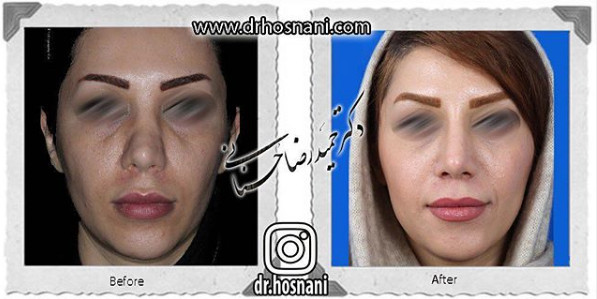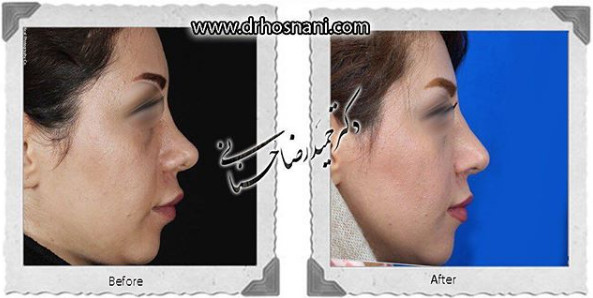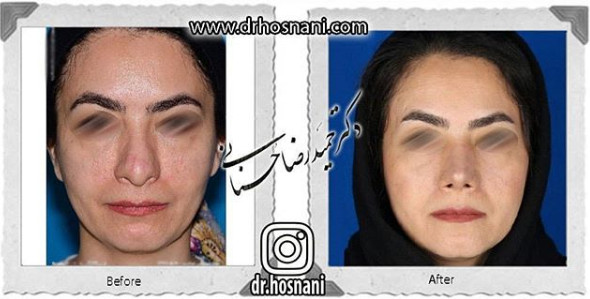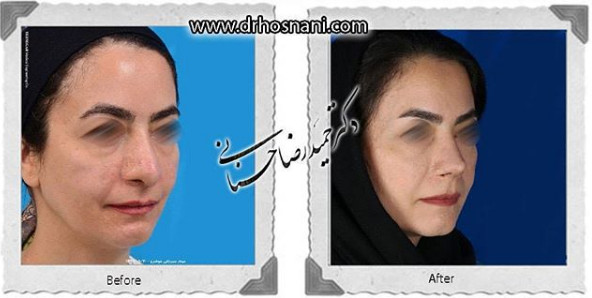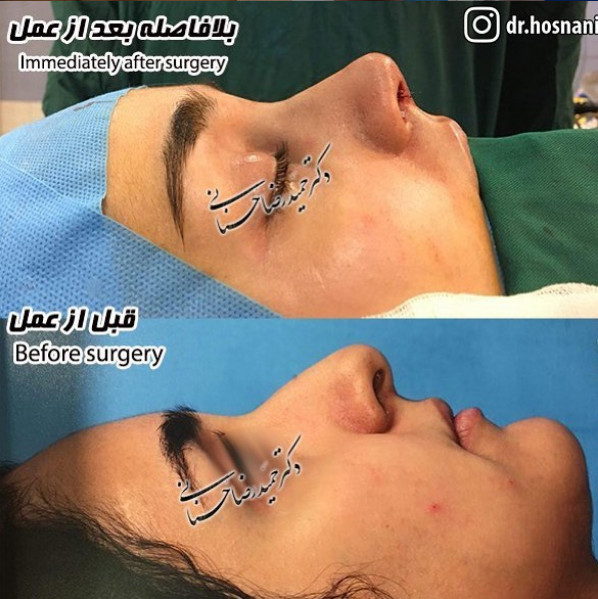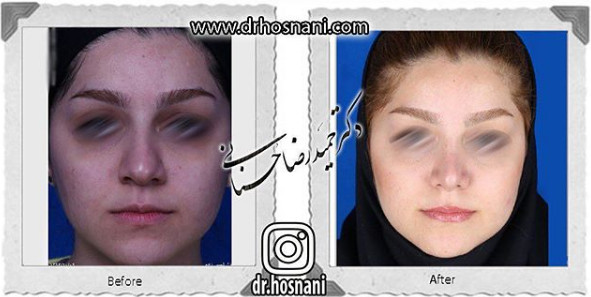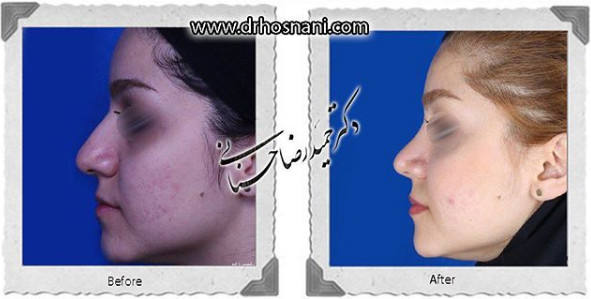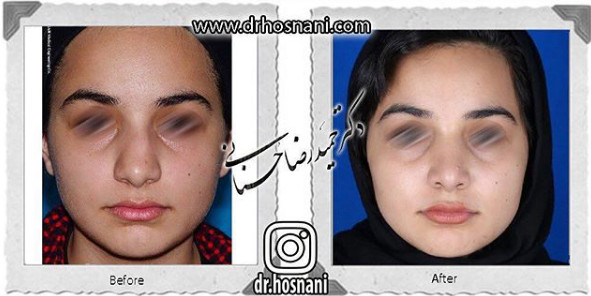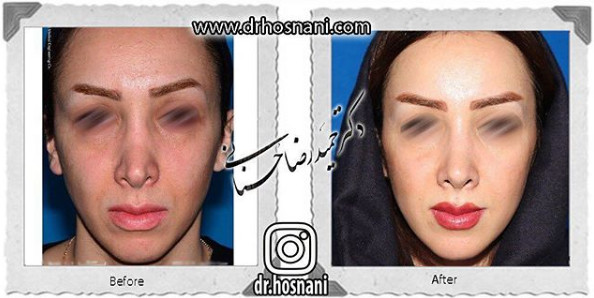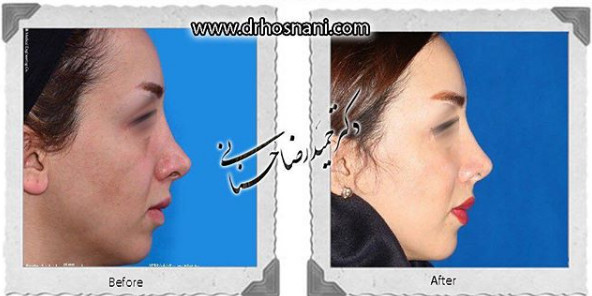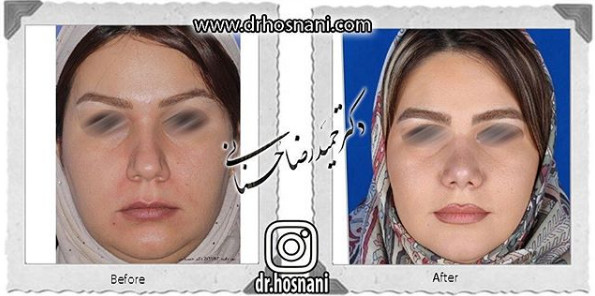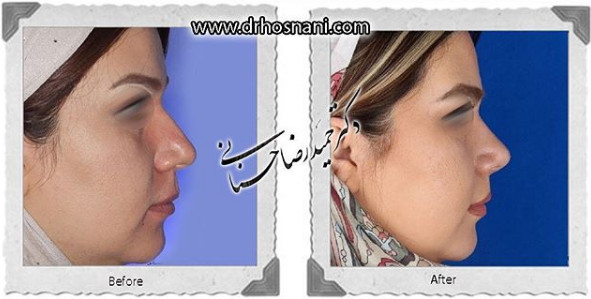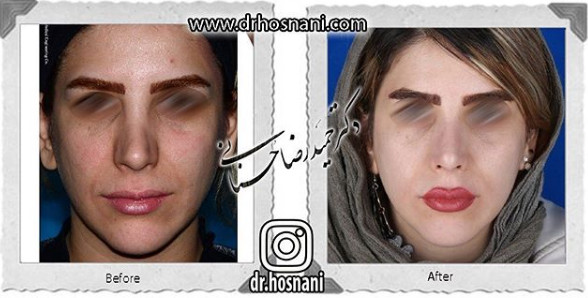




Fleshy Nose Rhinoplasty
Dr. Hamidreza Hosnani
ENT Specialist | Rhinoplasty Surgeon in Tehran | Nose Surgery Specialist
When the skin of the nose is thick and the nasal cartilages are weak, it is called a fleshy nose. With older surgical techniques, little could be done for fleshy noses because those methods were mainly reductive. However, with modern techniques, achieving aesthetic improvements in fleshy noses has become possible.

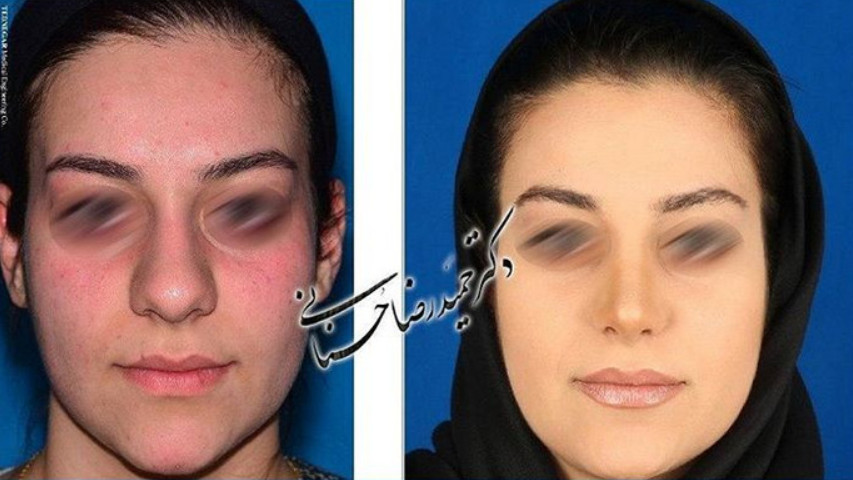
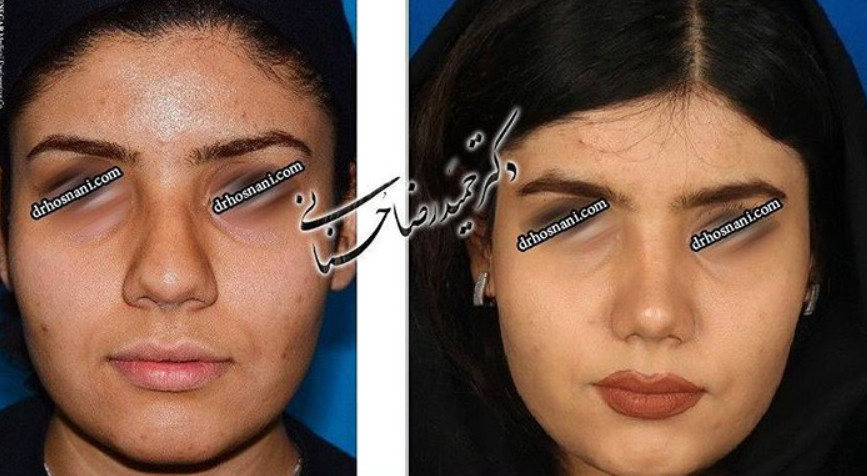
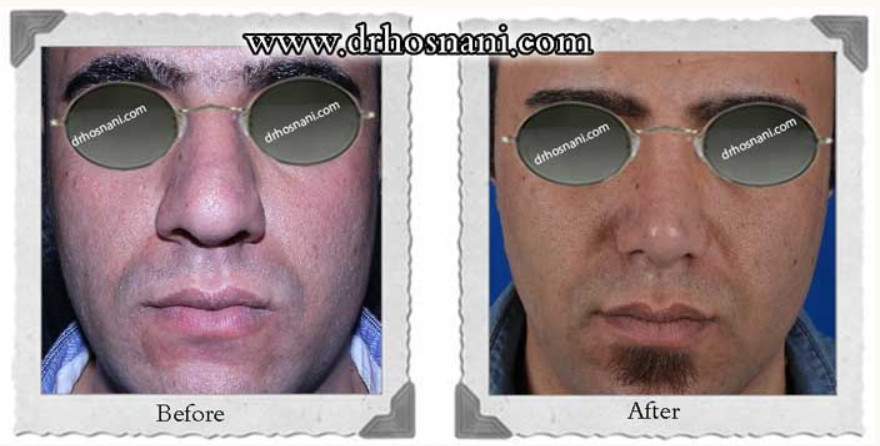
Fleshy noses usually involve more complex surgery because of their thick skin structure and weaker cartilages. In this type of nose, because there are limitations in creating precise changes, the final result may be weaker than that of bony noses.
Since thick skin and weak cartilage in fleshy noses prevent precise and suitable changes, patient and family satisfaction is usually lower in this type of nose. This means that in fleshy noses, the surgical result cannot usually reach the same level of precision and refinement that is more easily possible in bony noses.
Beauty and proportion in this type of nose require high precision and special techniques to improve the final result.
A Fleshy Nose Is Like a Sculpture Covered with a Thick Blanket
A fleshy nose can be compared to a sculpture that, after being carved and beautified by a skilled surgeon, has a thick cloth placed over it. This comparison is used because in fleshy noses, thick skin and weak cartilage—like a cloth pulled over a sculpture—prevent the fine details and delicate beauty of the nose from being clearly visible. No matter how skillfully and precisely the surgery is performed, the structural limitations of a fleshy nose mean that the surgical results will not appear as clearly and visibly as they do in bony noses. In this situation, the final beauty of the nose may be less noticeable, and the surgery requires high precision to achieve a natural result that is balanced with the face.Video Thick-Skinned Nose Rhinoplasty: A Noticeable Transformation | Dr. Hosnani
Video Description
This video begins with a friendly conversation as Niastou shares her concerns about the width of her nose from the front and the fullness along its sides. She is seeking a more refined shape while maintaining a natural appearance. Immediately after her rhinoplasty with Dr. Hosnani, the result is revealed: the nasal wings have been refined, side bulges reduced, and the overall nose size visibly improved for a more balanced look.
Swelling in Fleshy Noses
Every surgical operation, no matter how light or simple, is accompanied by swelling. This swelling is usually caused by the body’s reaction to surgery and physical changes. The amount of swelling can vary from person to person, especially in patients with fleshy noses. These individuals usually experience more swelling because the thick skin and weaker cartilages in fleshy noses increase the degree of swelling. Initial swelling usually decreases gradually within 2 months, but complete resolution of swelling and return to the final nasal condition may take up to 3 years. This period is naturally longer for fleshy noses than for bony noses, because the skin and extra tissues need more time to heal and firm up. Therefore, patience and regular follow‑up are especially important for seeing the final surgical result.A fleshy nose is a nose with thick skin and thin, weak cartilages.
In contrast, if the nasal skin is thin and the underlying cartilages are strong, it is called a cartilaginous (bony) nose.
Does a Fleshy Nose Return After Surgery?
With older techniques, there was almost not much that could be done for fleshy noses, because older methods were mostly reductive and involved shaving the bone and cartilage. A fleshy nose has weaker cartilages. If these delicate cartilages are shaved and thinned, although the nose may look smaller and more beautiful for a while, over time, because of subcutaneous reactions, the nose contracts and pulls itself downward. This is the reason people used to say the nose had drooped or “returned.”Today, however, because fleshy noses are shaped, contoured, and rearranged by strengthening the cartilage, return or drooping of fleshy noses has become much less common and may not occur at all.
Cartilage strengthening is what we do for a fleshy nose. This means that the needed cartilage is taken from the middle wall of the nose (septum) and used to strengthen the tip area of the nose, so that once the healing process begins, deformity or nasal return does not occur.

Shaping the nasal tip using graft cartilages and advanced devices in Dr. Hosnani’s operating room.
Types of Fleshy Noses
Fleshy noses are divided into two groups. The first group includes noses whose skin has many sebaceous glands and produces a large amount of oil. The second group includes noses with a large amount of subcutaneous tissue. Fleshy noses with more sebaceous glands and high oil production have, in fact, become treatable today. However, noses whose skin is thick but whose thickness is not caused by sebaceous glands are still not as treatable.The difference between them is that skin with many sebaceous glands has many pores and produces a lot of oil. In contrast, skin in which the dermis or skin tissue itself is thick tends to be red and shiny.
Can Surgery Make the Skin of Fleshy Noses Thinner?
To solve this problem in fleshy noses, the first question that comes to mind is how the skin of fleshy noses can be made thinner. The skin is made up of several different layers, and almost none of these layers can be manipulated, because doing so may damage the skin. Skin damage is disastrous because it is almost impossible to correct. The only layer of the skin that can be safely addressed and slightly reduced in thickness is the subcutaneous fat. The surgeon can very carefully separate this fat from the skin, without damaging the other skin layers, and make the nasal skin somewhat thinner. However, it should be noted that this thinning is not enough to make the nasal skin clearly thin; it only improves it slightly.Therefore, removing fat from beneath the skin of a fleshy nose can slightly improve the result of fleshy nose surgery, but it cannot create a result like that of a bony nose.
Ultimately, strengthening the firmness of the nasal framework is the best way to beautify fleshy noses.
Conclusion:
Surgery on cartilaginous (bony) noses is easier and produces better results. Fleshy noses have more limited outcomes, and expectations should be more modest. However, with modern rhinoplasty techniques, achieving stable beauty for fleshy noses has also become possible.Are People with Fleshy Noses Kinder?
A television host who had a fleshy nose asked Dr. Hosnani, “I’ve heard that people with fleshy noses are kinder. Is that true?” Dr. Hosnani explained that he himself has a cartilaginous nose and the host has a fleshy nose, and then added that people with cartilaginous noses usually get better surgical results than people with fleshy noses.Before and After Photo Gallery: Fleshy Noses