




Chin Implant Surgery (Genioplasty)
Dr. Hamidreza Hosnani
ENT Specialist | Rhinoplasty Surgeon in Tehran | Nose Surgery Specialist
Chin implants (mentoplasty) are among the common procedures in facial cosmetic surgery. They are performed to increase chin projection, correct a receding chin, and create better harmony among facial features. The chin plays an important role in shaping the facial profile and balancing facial lines. A small or receding chin can make the nose appear larger, reduce the definition of the neck angle, and decrease overall facial attractiveness. Chin implants are a safe and minimally invasive method with long‑lasting results that help restore facial balance.
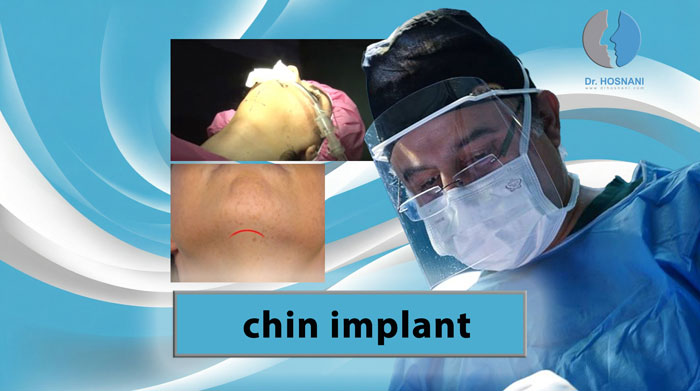
Chin implant surgery is a procedure used to make the chin more prominent or correct a recessed chin and create better facial balance. In this operation, the surgeon places a special implant on the chin bone through a small incision inside the mouth or under the chin and fixes it in the proper position. This surgery is usually performed under local anesthesia or light general anesthesia, the operation time is short, and many people can return to their normal activities after a few days.
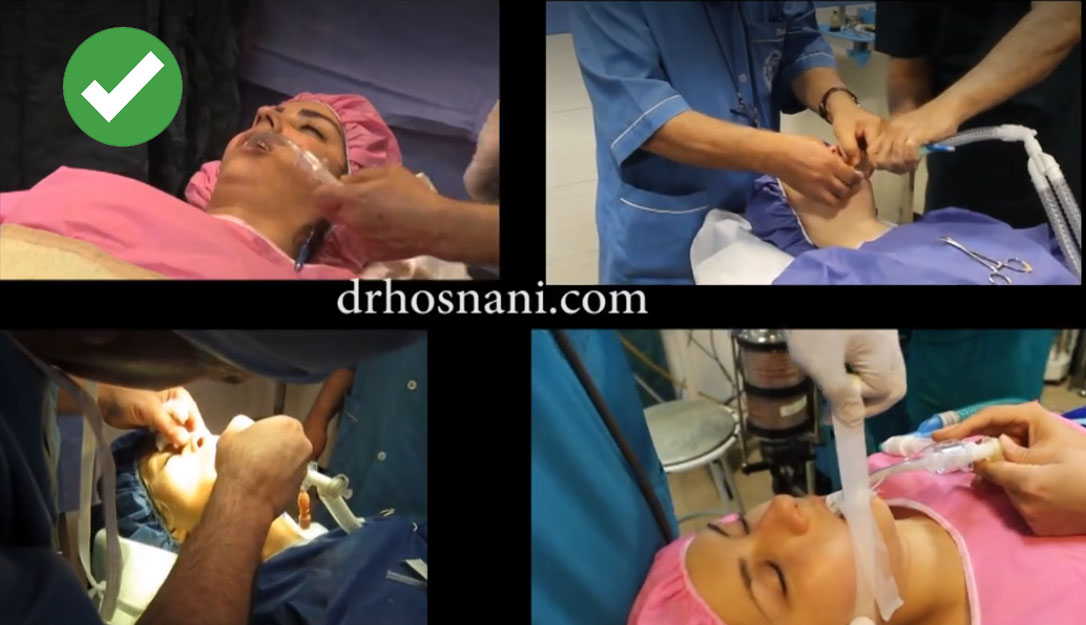
According to Dr. Hosnani’s experience, about one out of every four people who seek rhinoplasty may also need a chin implant to achieve better facial balance.
What Is a Chin Implant?
A chin implant is a medical implant made of silicone or other biocompatible materials that is placed on the chin bone in order to make the chin:more prominent
more projected forward
more angular in shape
better aligned with the nose, lips, and neck
This method is suitable for individuals who have a small, recessed, or poorly defined chin.

The size of the chin implant has a direct effect on the facial profile because the larger the implant, the more the chin moves forward and the clearer the balance between the forehead, nose, and chin becomes. Choosing the right size is very important, because an implant that is too small may not create a noticeable change, while an overly large implant can make the face look unnatural. Therefore, the surgeon evaluates the facial profile and the proportions of its features to choose a size that creates the greatest harmony.
Advantages of Chin Implants
Improves the shape and projection of the chinEnhances the jawline and facial angles
Reduces the appearance of a large nose in profile view
Creates a more attractive neck‑chin angle
Improves the overall balance of facial features
Provides natural, stable, and long‑lasting results
Shorter recovery period compared with many other facial surgeries
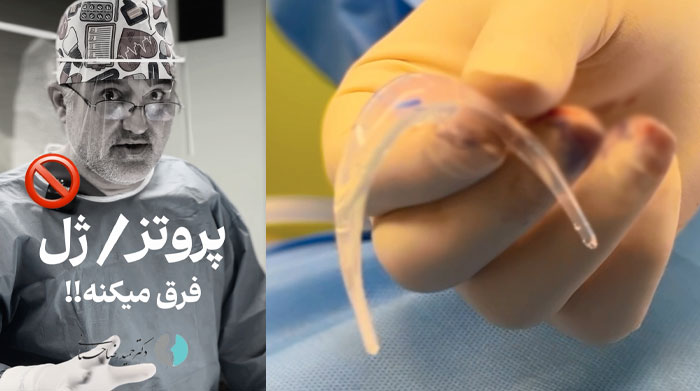
An implant is a solid and usually silicone-based permanent object that is surgically placed in position and creates stable structural changes in facial shape, such as the chin or cheeks. In contrast, gel filler is a temporary gel-like substance that is injected without the need for surgery.
Video Chin Augmentation: Implants vs. Genioplasty Explained by Dr. Hosnani
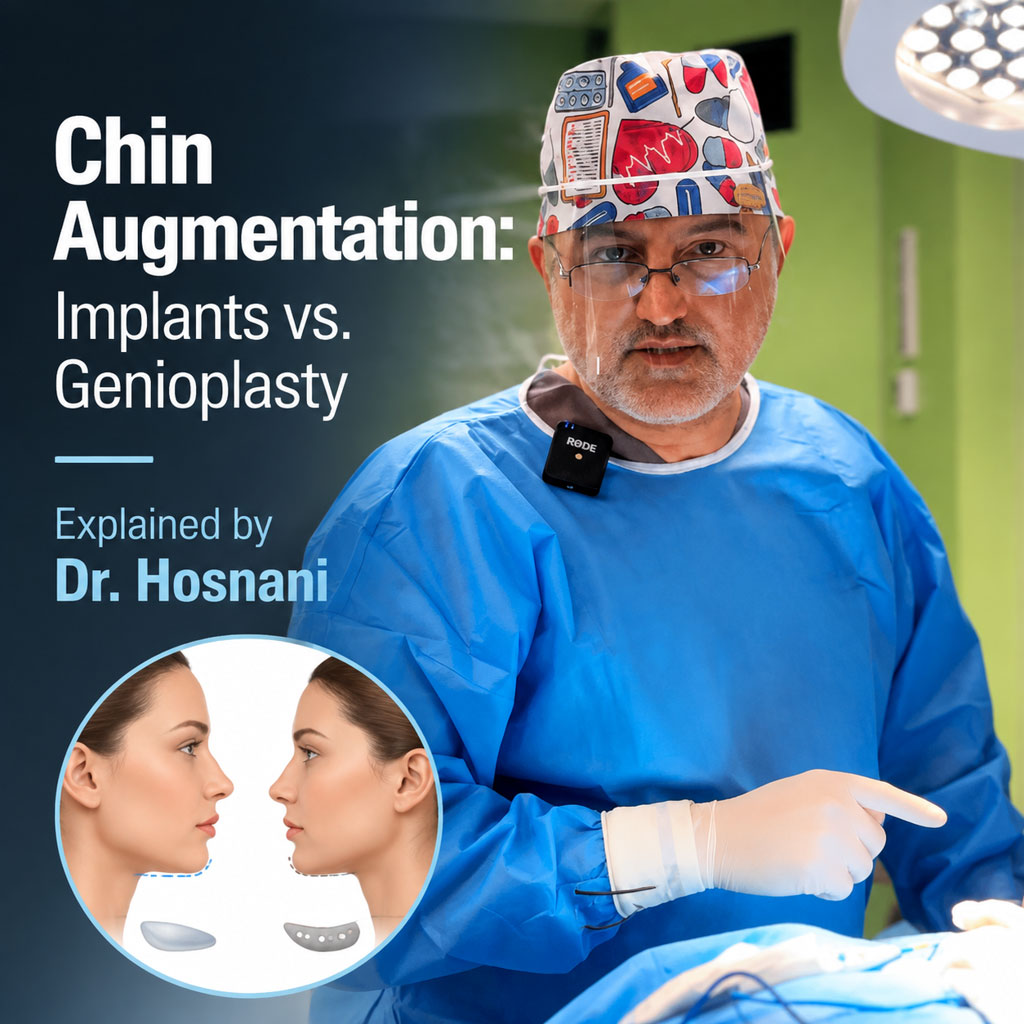
Video Description
Are you considering options for a small or recessed chin? Dr. Hosnani explains the differences between genioplasty surgery and chin implants (prosthesis). He clarifies the important distinction between using a permanent prosthetic and temporary fillers (gel), emphasizing that a prosthetic is a solid, long-lasting solution placed directly on the bone. While genioplasty often offers superior long-term results, Dr. Hosnani notes that a chin implant is a simpler procedure with fewer complications, providing a permanent enhancement that lasts a lifetime.
Different Sizes, Shapes, and Materials of Chin Implants
Chin implants are produced in various sizes and shapes so that they can be matched to each individual’s facial structure. Some implants are designed to enhance the central projection of the chin, while others not only move the chin forward but also help define the jawline.In terms of size, implants are usually available in several options so the surgeon can select the most appropriate one based on the patient’s facial anatomy. Choosing the correct size is very important; if the implant is too large, it may create an unnatural appearance, while a very small implant may not provide sufficient improvement in facial balance.
Regarding material, the most common type of chin implant is medical‑grade silicone. Because of its high compatibility with the body, appropriate flexibility, and long‑term durability, it has been used in cosmetic surgery for many years. In addition to silicone, other materials such as Medpor may sometimes be used. Medpor has a porous structure that allows some integration with the surrounding tissues.
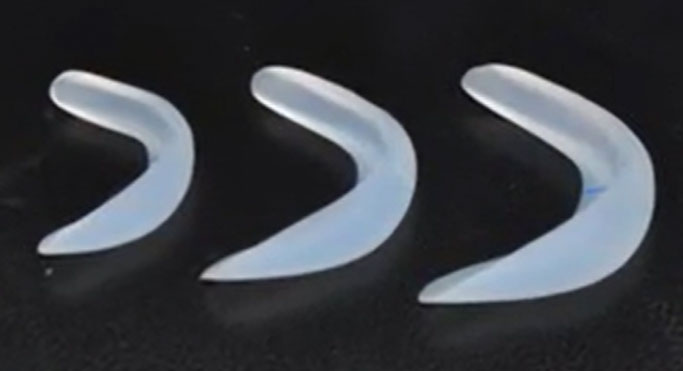
Chin implants are made in different shapes and materials so that they can be selected according to each person’s facial structure. In terms of shape, some implants only increase forward projection of the chin, while others, in addition to bringing the chin forward, also slightly widen the sides of the chin and jawline. In terms of material, the most common options include medical-grade silicone, Medpor porous polyethylene, and Gore-Tex, all of which are designed for use inside the body. The appropriate type is usually chosen based on facial anatomy and the surgeon’s opinion.
How a Chin Implant Is Placed
To place the implant, the surgeon creates a small incision. This incision can be made either inside the mouth or under the chin. The surgeon then creates a precise pocket on the chin bone and positions the implant in the correct place. After carefully adjusting the implant’s position, the incision is closed with sutures.This surgery usually takes a relatively short time and is often performed under local anesthesia with sedation or under general anesthesia. The main goal at this stage is to position the implant precisely so that the final result appears natural and harmonious with the overall facial structure.
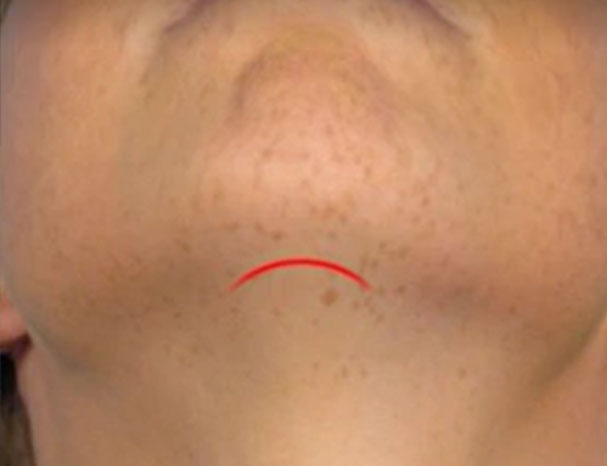
In the submental incision technique for chin implant surgery, the surgeon creates a small incision in the natural skin crease under the chin, prepares the necessary space over the chin bone through this incision, and places the implant in the proper position. This method gives the surgeon direct visibility and more precise control, and the incision mark is usually less noticeable because it is located in the crease beneath the chin.
Instruments Used in the Procedure
Delicate and specialized plastic‑surgery instruments are used during chin implant surgery. These tools help the surgeon create an appropriate space for the implant while minimizing damage to surrounding tissues. Precision in using these instruments plays an important role in reducing swelling, bruising, and recovery time.Chin Nerves and the Importance of Surgical Skill
Important sensory nerves are located in the chin and lower lip area, responsible for sensation in this part of the face. One of the most important of these nerves is the mental nerve, which is located close to where the implant is placed.For this reason, the surgeon’s skill and experience are extremely important. With a precise understanding of the anatomy of this region, the surgeon must place the implant in a way that avoids injury to these nerves so that normal sensation of the chin and lower lip is preserved.
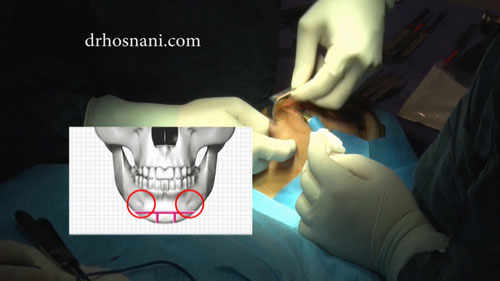
The nerves of the chin mainly originate from the mental nerve, which is a branch of the inferior alveolar nerve and ultimately part of the trigeminal nerve. It exits the mandible through the mental foramen and provides sensation to the skin of the chin, the lower lip, and the front gums of the lower jaw. Surgeons must be careful to avoid damaging this nerve during cosmetic or jaw procedures.
Fixing the Implant to the Bone
To prevent the implant from moving, the surgeon fixes it to the chin bone at three points. This ensures that the implant remains stable and that the surgical result is long‑lasting and natural.In the end, it should be noted that the small scar under the chin usually fades over time, but the improved chin contour can remain for many years.
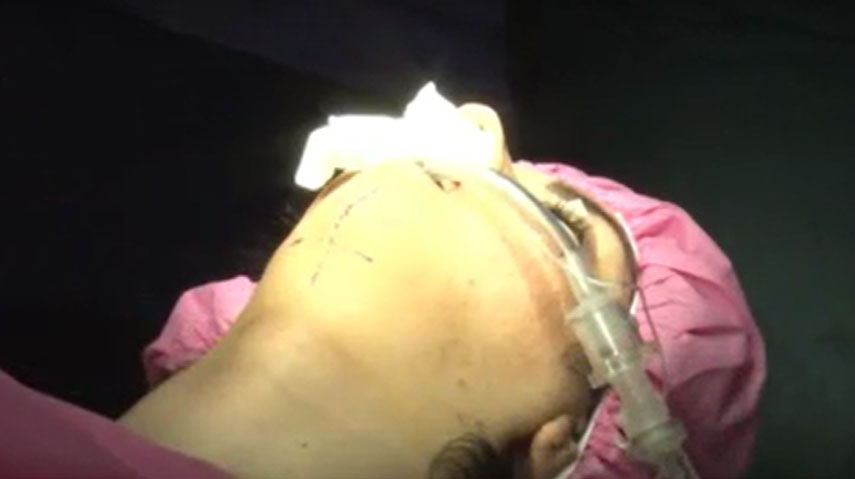
Before chin implant surgery, the surgeon usually marks the skin of the chin and surrounding areas with a surgical marker to identify the exact implant placement site, the facial midline, and the incision boundaries. These markings help the surgeon place the implant symmetrically and in the correct position, creating better harmony between the chin and the other facial features.
Video Rhinoplasty and Chin Implant: Creating Better Facial Balance | Dr. Hosnani
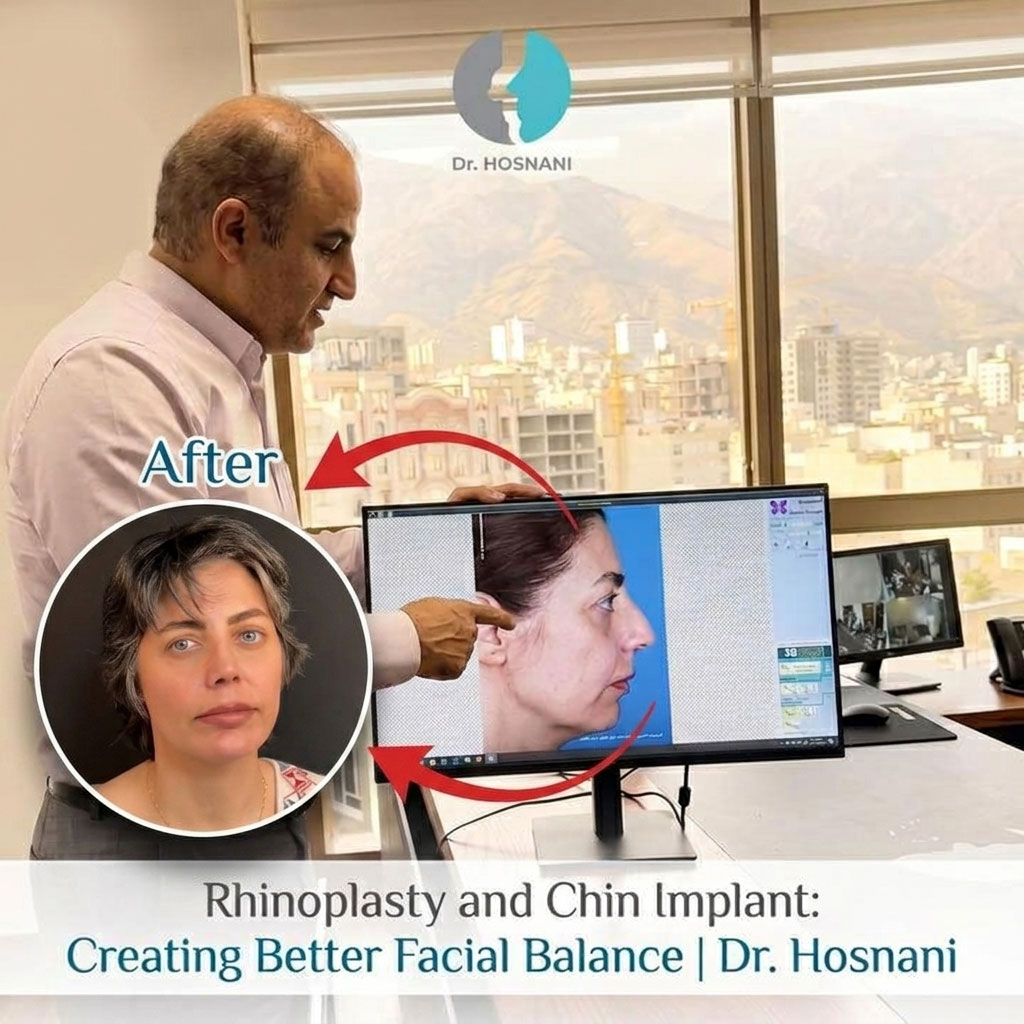
Video Description
In this consultation, Dr. Hosnani reviews a patient’s enlarged facial photo and explains how nasal shape and chin projection work together to create overall facial harmony. He identifies a nasal hump, excessive length, and a drooping tip, while noting that a recessed chin contributes to the appearance of a more prominent nose. Dr. Hosnani discusses how combining rhinoplasty with a chin implant can improve balance and achieve a more refined, attractive profile.