




Structural Rhinoplasty
Dr. Hamidreza Hosnani
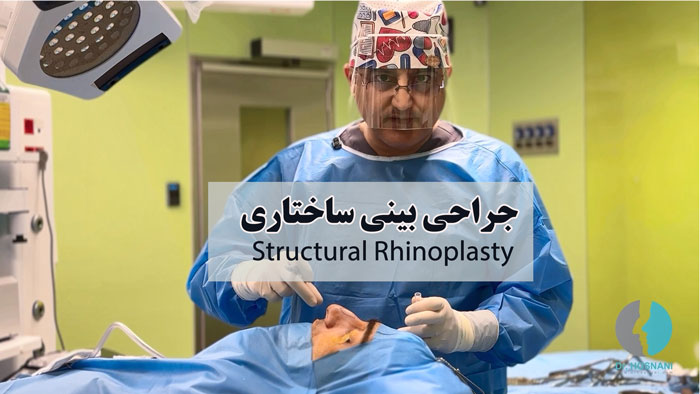
Structural rhinoplasty relies on preserving and strengthening the main framework of the nose; its goal is not just to reduce the size of the nose, but to create a strong and stable structure to maintain beauty and respiratory function in the long term. Dr. Hosnani explains that in this method, by using precise sutures and sometimes cartilage grafting, the nasal skeleton is reconstructed and reinforced to prevent drooping of the tip, regression of form, or subsequent respiratory problems.
What Is Structural Rhinoplasty?
In this technique, instead of removing too much cartilage or making the nose excessively small, the nasal framework is strengthened and rebuilt.In simple terms:
In the older method: the nose was weakened in order to make it smaller.
In structural rhinoplasty: the nose is strengthened so that it becomes both beautiful and stable.
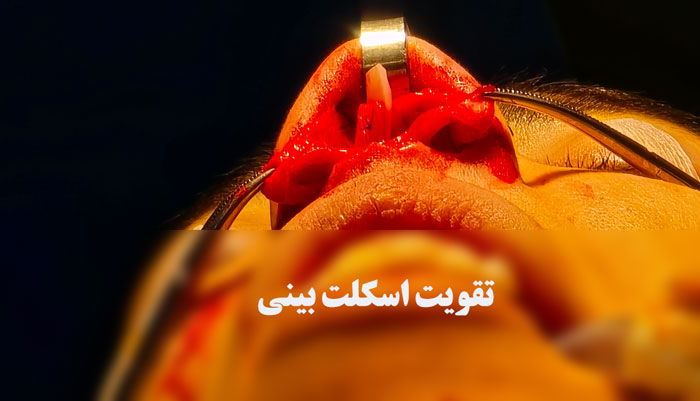
In this method, the patient’s own cartilage—usually from the nasal septum, and sometimes from the ear or rib—is used to build and reinforce the necessary components.
Click to view
Why Is the Structural Method the Best and Most Advanced Style of Rhinoplasty?
1. Stable Results That Do Not Collapse Over Time
With older methods, 1 to 3 years later the nose may develop problems such as:tip drooping
depression of the nasal bridge
collapse or inward pulling of the nostril wings
appearance of irregularities
because the framework had been shaved down excessively.
However, in the structural method, because the framework is reinforced, the nose maintains its shape for years.
2. Very Precise Nasal Tip Shaping
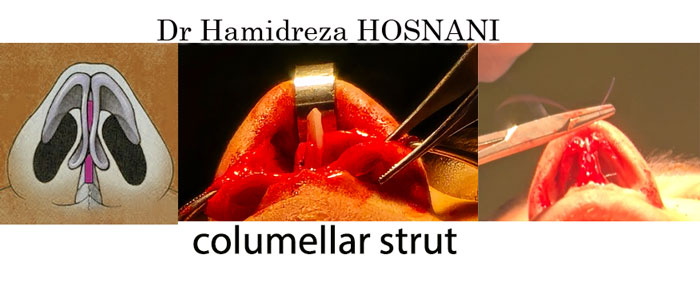
In this technique, the nasal tip cartilages are:strengthened, adjusted, made symmetric, and stabilized with specific grafts such as suture positioning, shield grafts, and columellar struts.
Result:
a well-shaped, elegant nasal tip without drooping, with excellent long-term stability.
Click to view
3. Allows Natural, Semi-Fantasy, and Doll-Like Nose Shapes
Because the framework is strengthened, the surgeon can:raise the tip
make the nasal bridge smooth and delicate
narrow the nostril wings
make the nose smaller
without worrying about weakening the structure.
Therefore, this method is suitable for most desired nose styles.
Video: Did the Nasal Tip Droop When Smiling? Not Anymore!
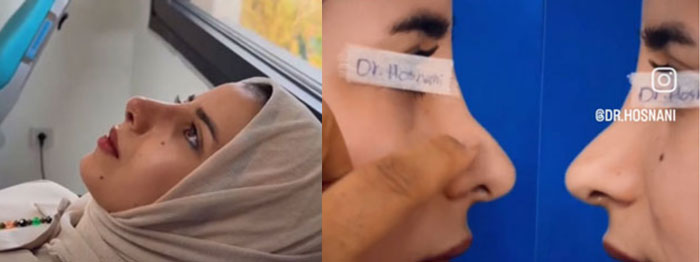
Before surgery, this woman was concerned that the tip of her nose drooped when she smiled, which bothered her. To accurately document the problem and plan the surgery better, Dr. Hosnani asked her to smile in the operating room so the nasal tip drooping could be clearly recorded in the video and photos. Now, two months and twenty days after surgery, filming was done again from the same angle and in the same smiling position so the changes could be compared clearly. The result showed that the nasal tip had been corrected, had gained a natural and beautiful shape, and no longer showed the bothersome drooping when she smiled. This change brought satisfaction and happiness to the patient and once again demonstrated Dr. Hosnani’s skill in creating natural results that fit the face.
4. The Best Choice for Fleshy Noses
In fleshy noses, the skin is thick, and if the framework is not strong, the nasal tip becomes wide and shapeless after a while.In structural rhinoplasty:
✔ the tip is strengthened
✔ the tissues are tightened
✔ the shape remains stable
✔ the chance of recurrent widening is minimized
Video: Negin, a Smiling Girl from Isfahan with a Fleshy Nose
Negin, a smiling and energetic girl from Isfahan, with her sweet smile and eyes shining with satisfaction, was asked what score she would give her rhinoplasty result from one to ten. Without hesitation and with a charming laugh, she said, “One hundred!” Only three months have passed since her surgery, but her fleshy nose has been operated on with such skill and precision in a natural and beautiful way that not only has her face become more balanced, but she says that ever since she had her nose “lifted,” the number of her suitors has increased too! Her look, her words, and her genuine smile all reflect a deep happiness that comes from the heart—as if even the mirror smiles back at her more every day.
5. The Best Option for Revision Rhinoplasty
In revision surgeries, usually because of the previous surgeon:❌ cartilage has been removed
❌ the nose has become weak
❌ the septum is crooked
❌ the nasal tip has drooped
❌ irregularities are present
The structural technique, with the help of grafts, allows complete correction even if cartilage needs to be taken from the ear or rib.
Main Techniques in Structural Rhinoplasty
1. Strengthening the Central Column (Columellar Strut)
A vertical graft is placed between the two nasal tip cartilages to:stabilize the tip
prevent drooping
improve symmetry
2. Tip Reconstruction
The tip cartilages are shaped with precise, reinforced sutures without removing the tissues.3. Use of Supportive Grafts
Grafts—additional pieces of cartilage—are used to:straighten the nasal bridge
strengthen the tip
correct deviation
fill depressions
create symmetry
4. Correction of a Deviated Septum (Septoplasty + Structural Support)
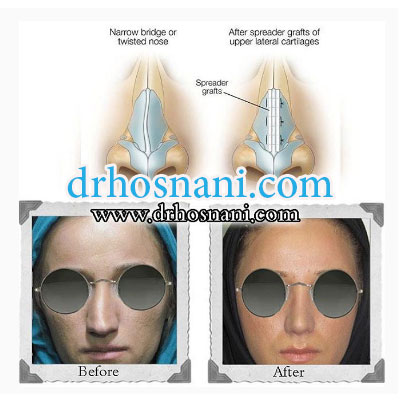
In nasal deviation, in addition to straightening the septum, it can also be strengthened as a supportive column.5. Use of Spreader Grafts
These narrow cartilage pieces are used to:improve breathing
prevent narrowing of the internal nasal valve
straighten the nasal bridge
6. Creating a Smooth and Delicate Nasal Bridge
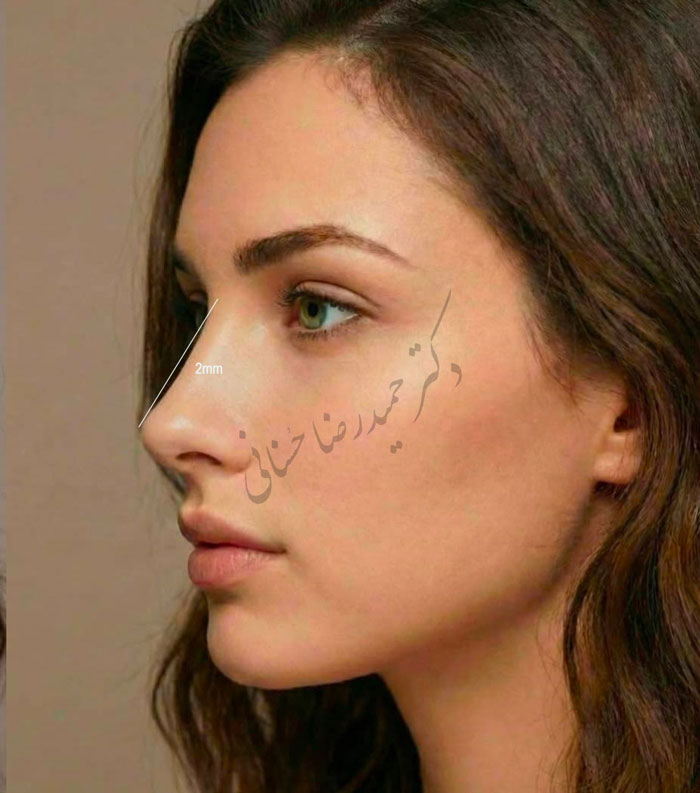
In this method, the hump is removed and the nasal bridge is shaped with delicate grafts so that:irregularities do not develop
the bridge does not become depressed in the future
Is Structural Rhinoplasty Open or Closed?
In 90 percent of cases, it is performed with the open technique because it provides:direct visibility
better control over the cartilages
the ability to place grafts
greater precision
However, in some simple noses, the closed technique may also be performed in a structural way.
Recovery in Structural Rhinoplasty
First weeksplint on the nose
moderate swelling
limited bruising around the eyes
Second week
most bruising resolves
the initial shape becomes visible
First three months
60–70% of swelling decreases
the shape of the tip and bridge becomes more refined
One year later
the final result
a stable and very natural shape
Who Is the Best Candidate for Structural Rhinoplasty?
fleshy noseswide or drooping nasal tips
severe nasal deviation
noses with thick skin
noses that have previously undergone surgery and need revision
people who want a stable, natural, or semi-fantasy result
those who are afraid of nasal tip drooping
Advantages of Structural Rhinoplasty Compared with Older Methods
nasal tip drooping is almost eliminatedstable results over the years
no depression of the nasal bridge
better breathing
reduced chance of recurrent widening
precise correction of complex defects
suitable for any desired nose shape