



List of Surgeries Performed by Dr. Hamidreza Hosnani
Dr. Hamidreza Hosnani
At the same time as rhinoplasty, two categories of procedures can also be performed on other parts of the face. The first category includes cosmetic facial procedures such as chin implants, fat injections (lipofilling), and eyelid surgery. The second category includes functional nasal surgeries such as septoplasty to correct internal nasal deviation, nasal fracture repair, nasal polyp surgery, turbinate reduction (turbinoplasty), and endoscopic sinus surgery.

Facial Cosmetic Surgeries
• Fat Injection (Lipofilling)
• Blepharoplasty or Eyelid Surgery
• Ear Cosmetic Surgery (Otoplasty)
Chin Implant Surgery
Chin implant surgery, also known as chin augmentation, is a cosmetic procedure designed to enhance the projection of the chin and create better facial balance. During this procedure, the surgeon places an implant made of silicone, Medpor, or Gore‑Tex in front of the chin bone and beneath the skin. This strengthens the chin structure and improves harmony between the chin, nose, lips, and other facial features.
The surgery is typically performed through a small incision either inside the mouth or under the chin. Depending on the size and shape of the implant, the chin can appear more prominent, wider, or longer. Chin implants are often performed at the same time as rhinoplasty to achieve a more balanced and natural facial profile.
Fat Injection (Lipofilling)
Fat injection, also called lipofilling, is a natural method for facial rejuvenation and volume enhancement. In this procedure, fat is harvested from areas such as the abdomen or thighs, purified, and then injected into areas of the face including the cheeks, chin, under-eye region, or smile lines.
Because the fat comes from the patient’s own body, the risk of allergic reaction is extremely low. In addition to restoring facial volume, fat injection can also improve skin quality. A portion of the injected fat survives permanently, and the final results usually stabilize after a few months. For this reason, lipofilling is often considered a more natural and longer‑lasting alternative to temporary dermal fillers.
Eyelid Surgery (Blepharoplasty)
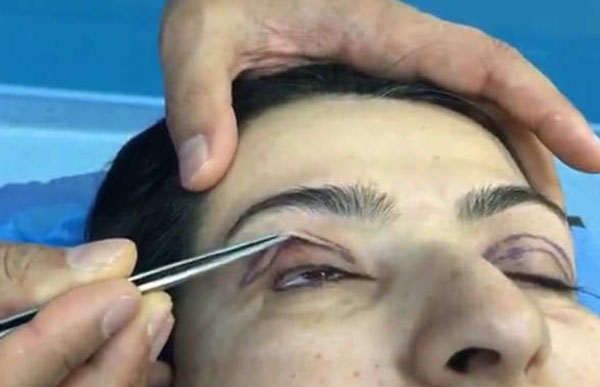
Blepharoplasty, or eyelid surgery, is a cosmetic procedure performed to remove excess skin, fat, and sometimes muscle from the upper or lower eyelids. The goal of this surgery is to create a more youthful, refreshed, and alert appearance around the eyes.
Blepharoplasty can be performed as a standalone procedure or combined with rhinoplasty to improve overall facial harmony and create a more balanced and rejuvenated appearance.
Otoplasty (Ear Cosmetic Surgery)
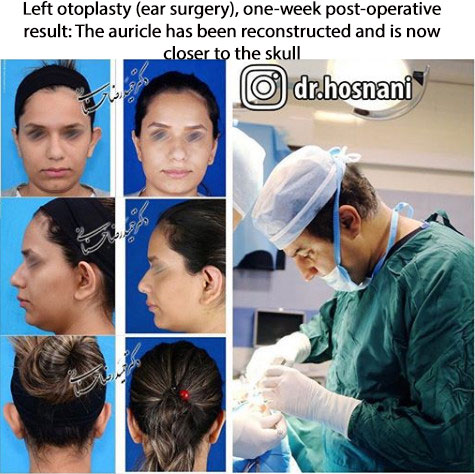
Otoplasty, or ear cosmetic surgery, is performed to correct the shape, size, or protrusion of the ears. This procedure is commonly done for individuals with prominent ears (often called “protruding ears”) or for those who have congenital ear asymmetry.
During the procedure, the surgeon makes a small incision behind the ear and reshapes the ear cartilage to position the ear closer to the head. This creates better balance and harmony with the rest of the face. Otoplasty is typically performed under local anesthesia or light sedation and aims to produce a natural and proportionate appearance.