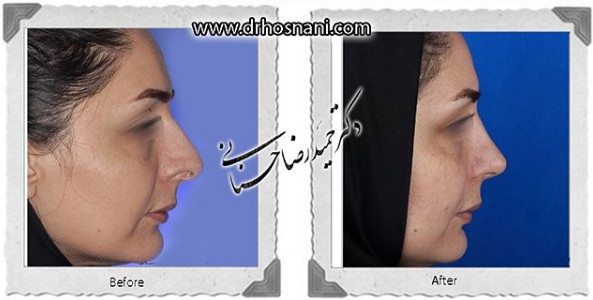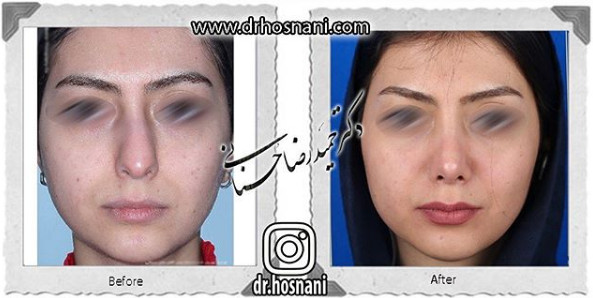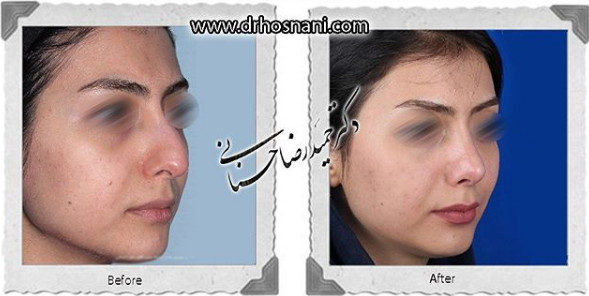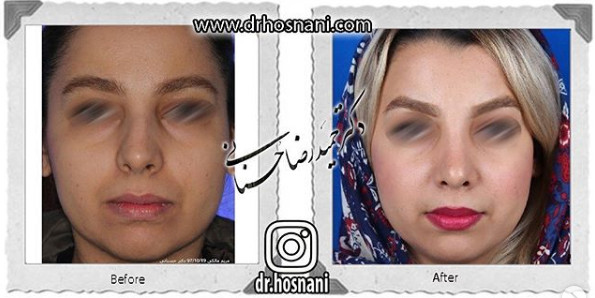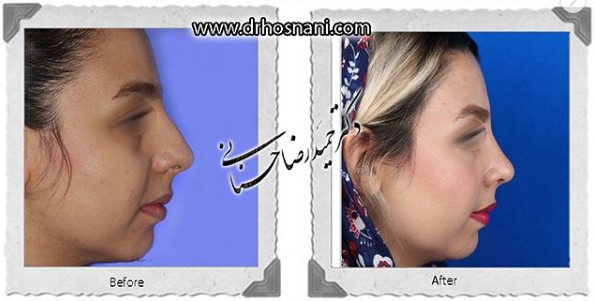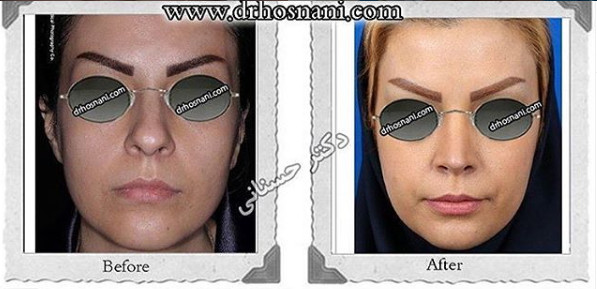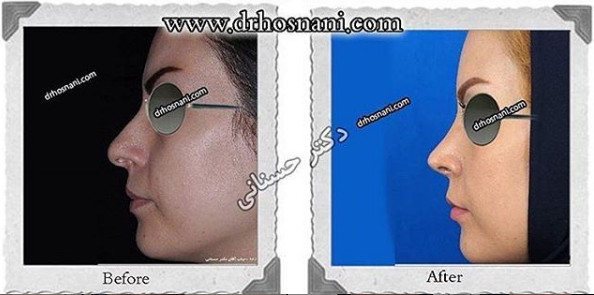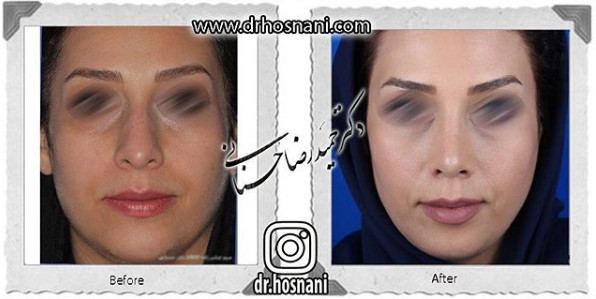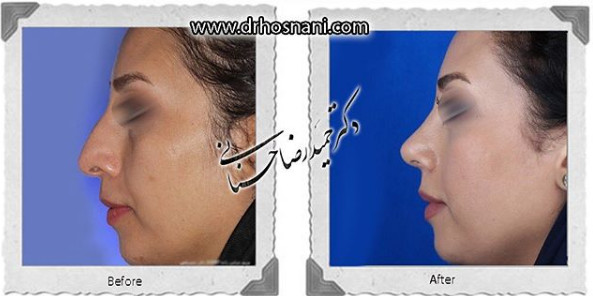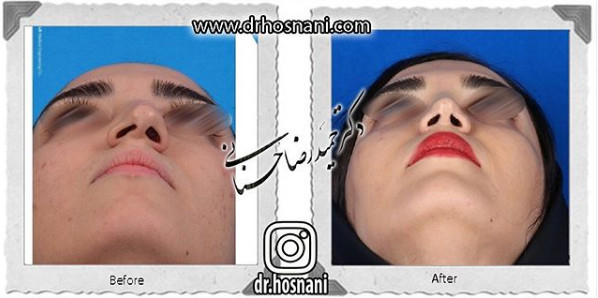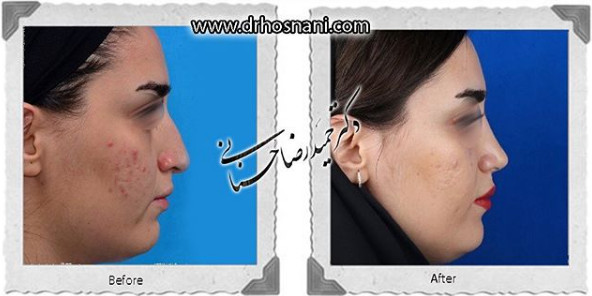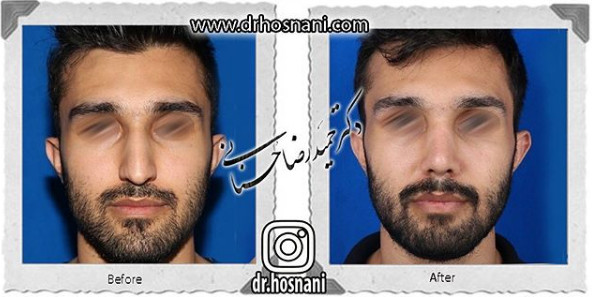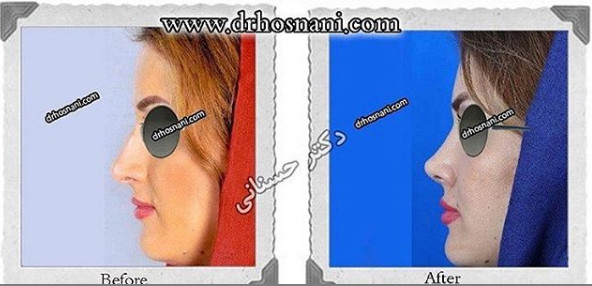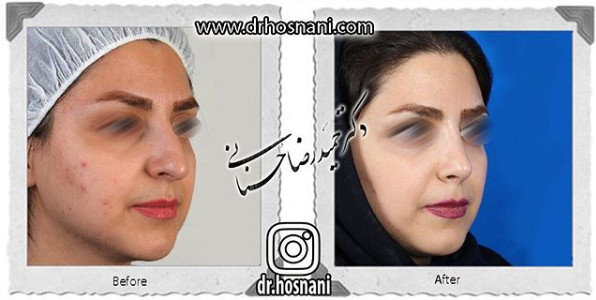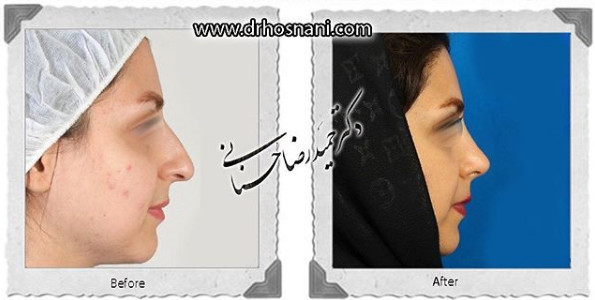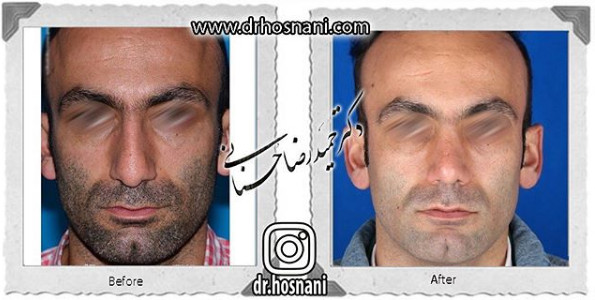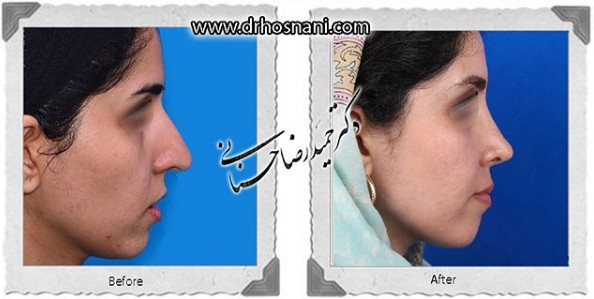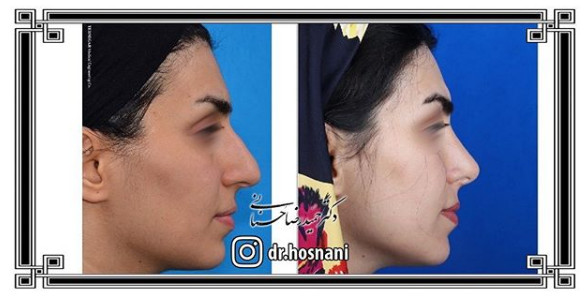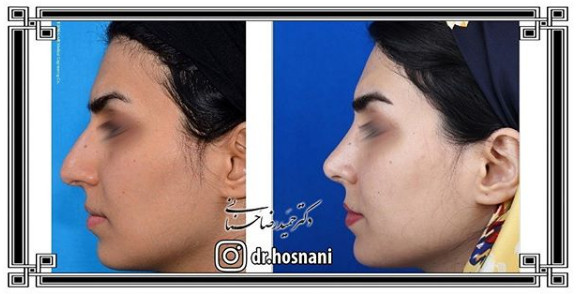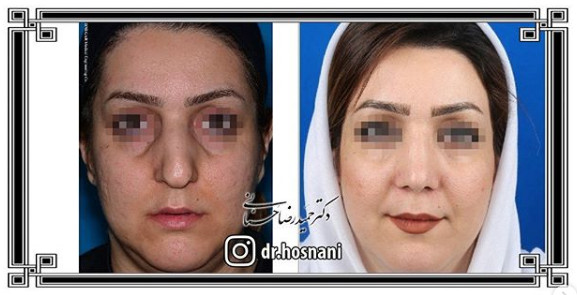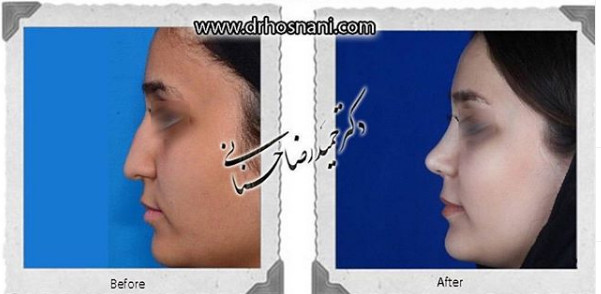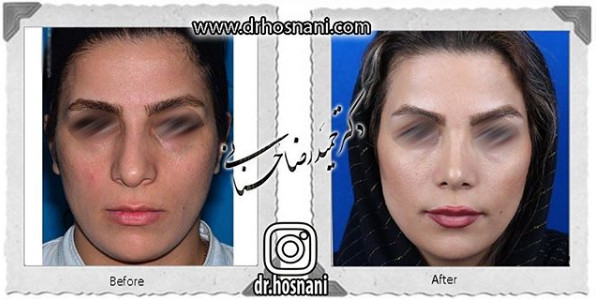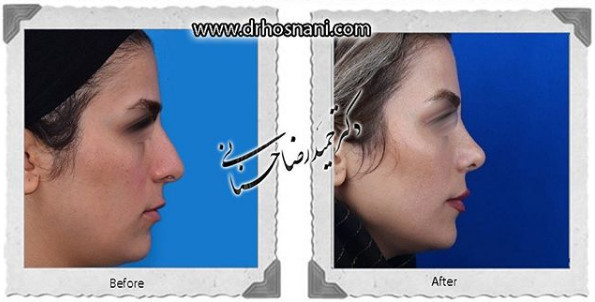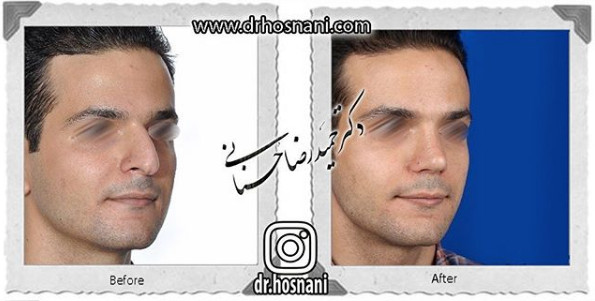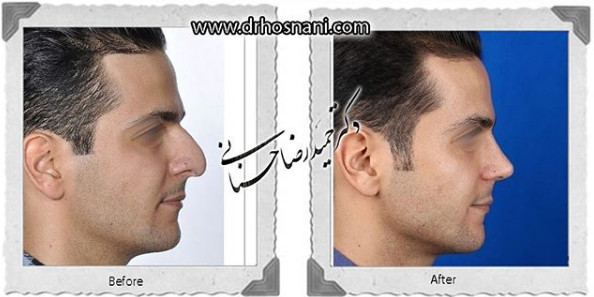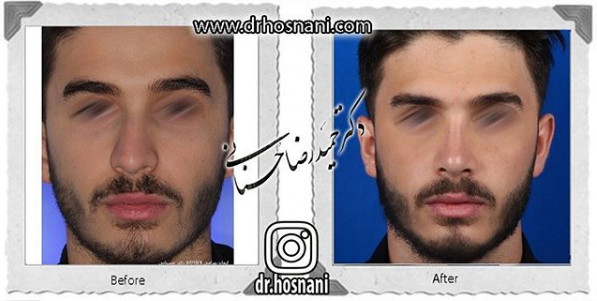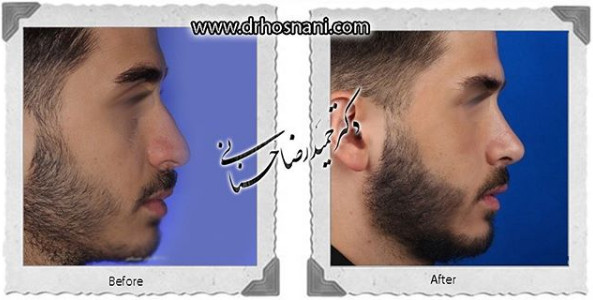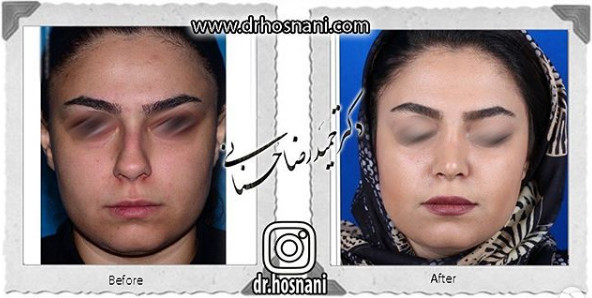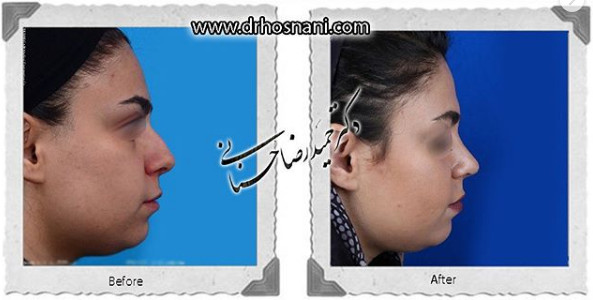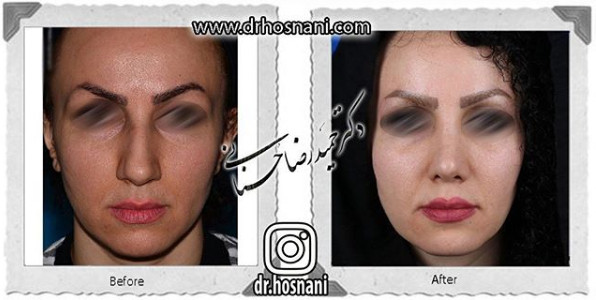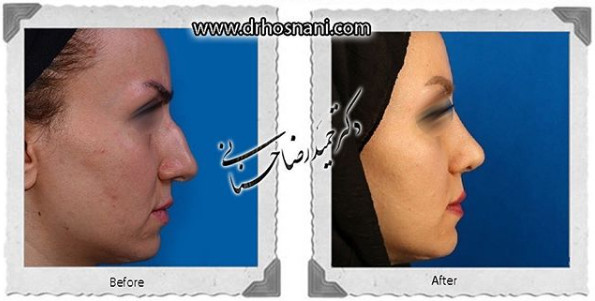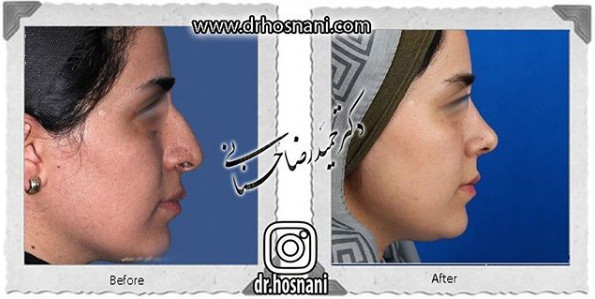




Bony Nose Rhinoplasty
Dr. Hamidreza Hosnani
ENT Specialist | Rhinoplasty Surgeon in Tehran | Nose Surgery Specialist
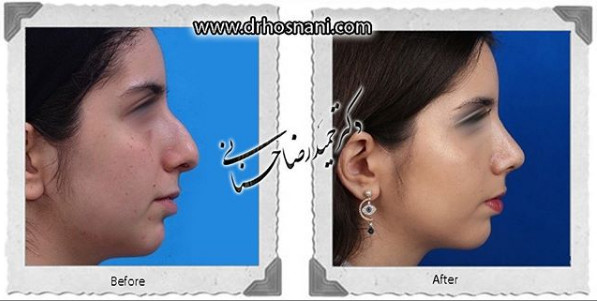
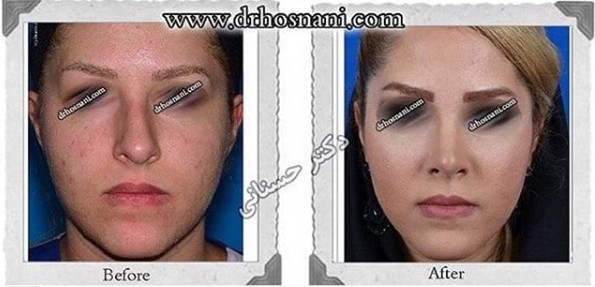
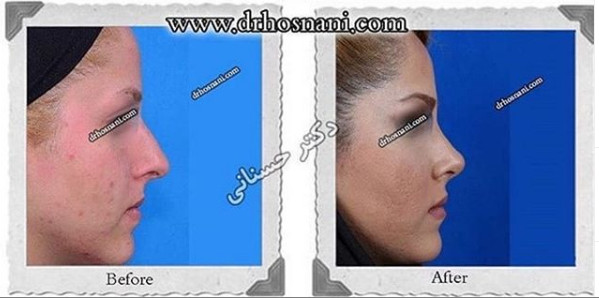
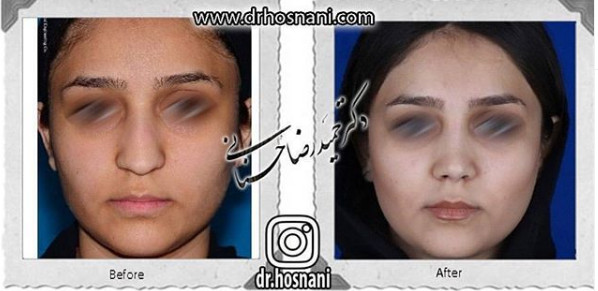
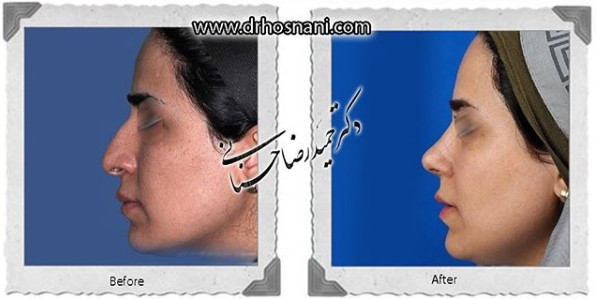
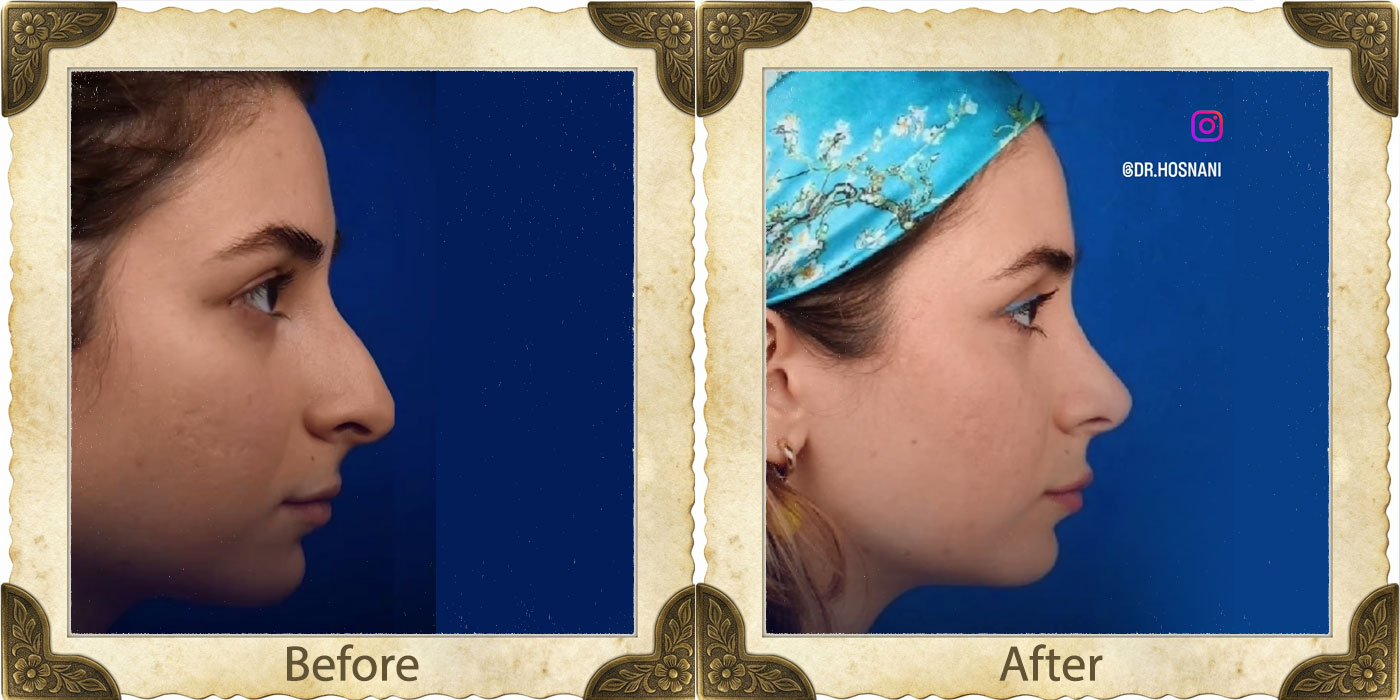
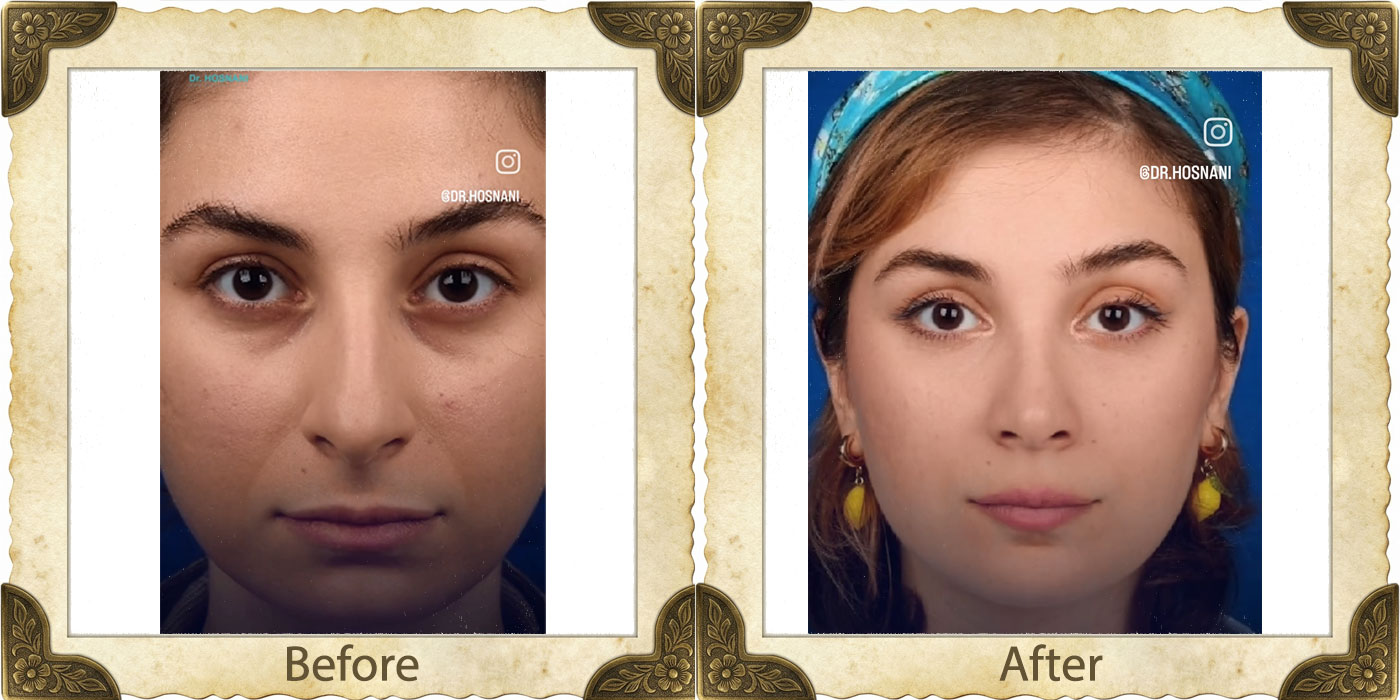
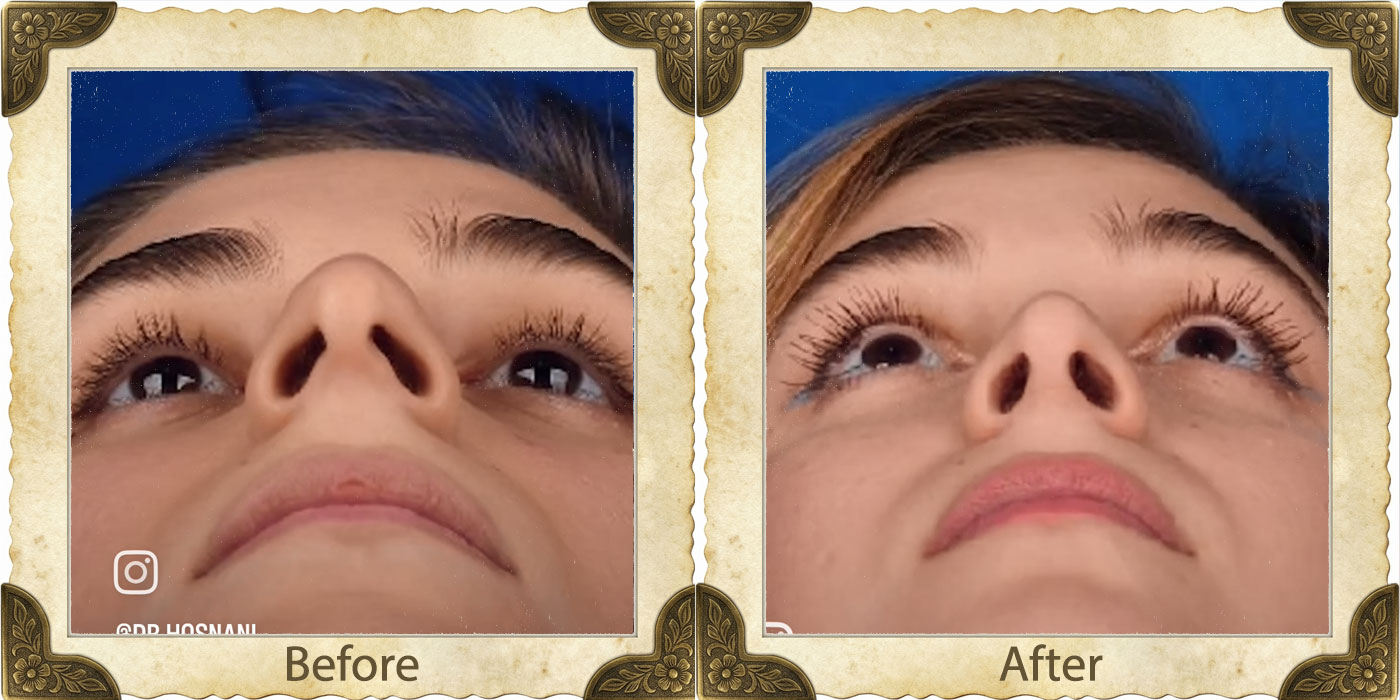
If the nasal skin is thin and the nasal bones and cartilage are strong, it is called a bony (cartilaginous) nose. Surgery for bony noses is generally easier than for fleshy noses, and the results are usually better.
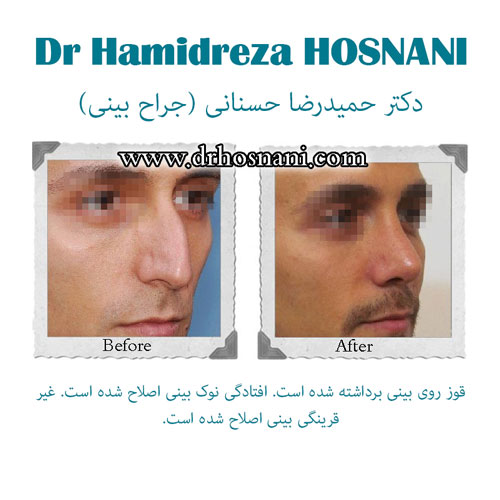
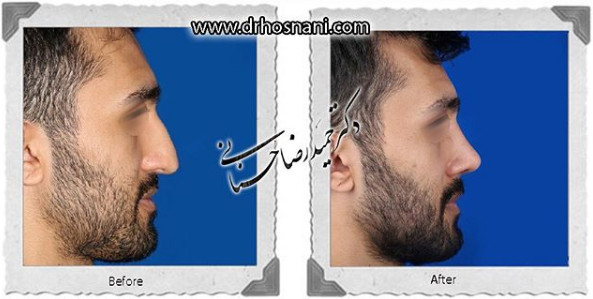
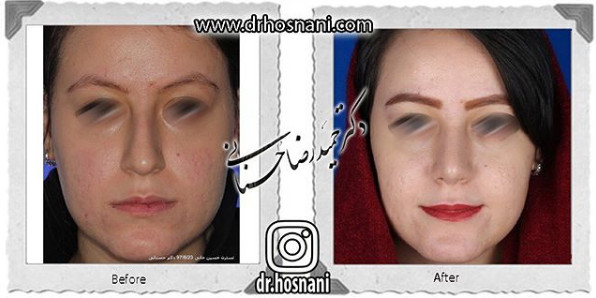
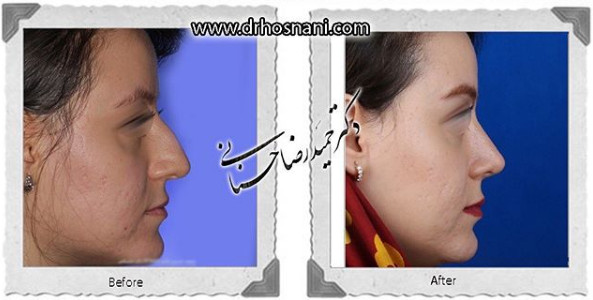
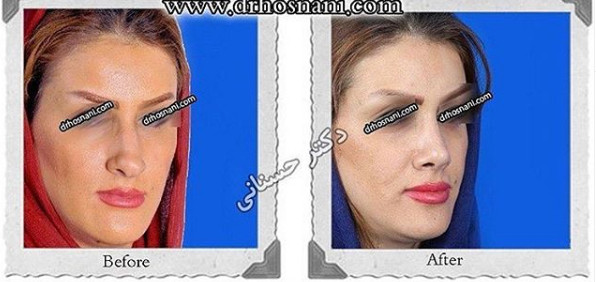
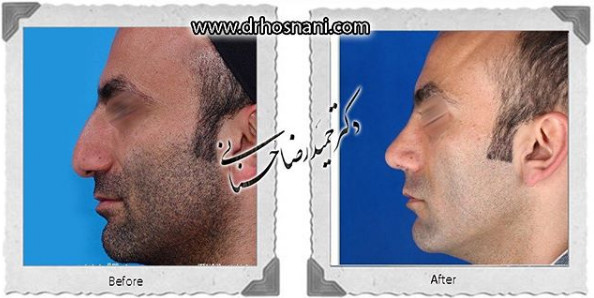
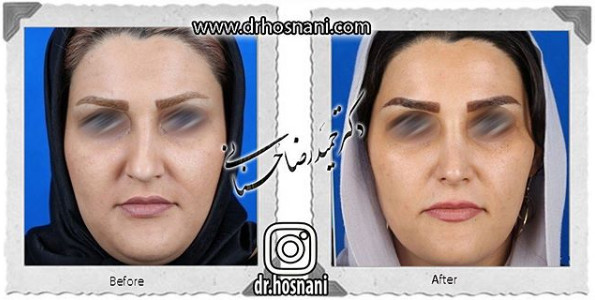
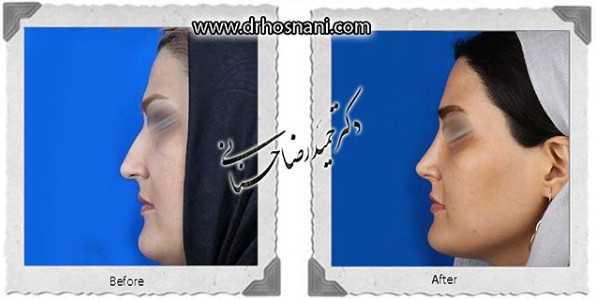
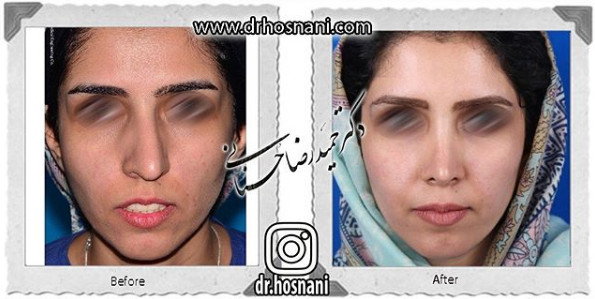
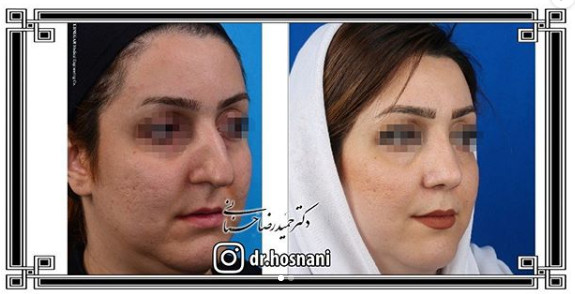
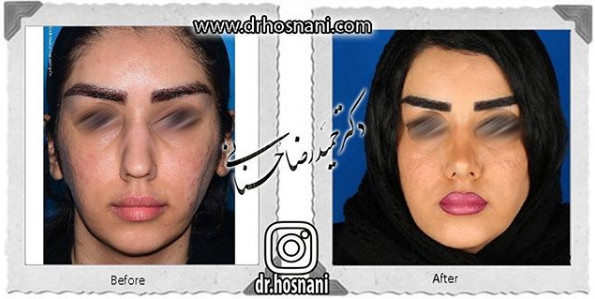
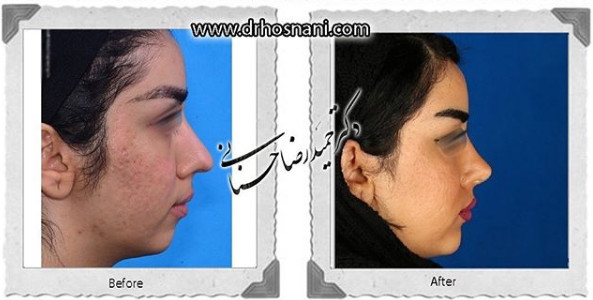
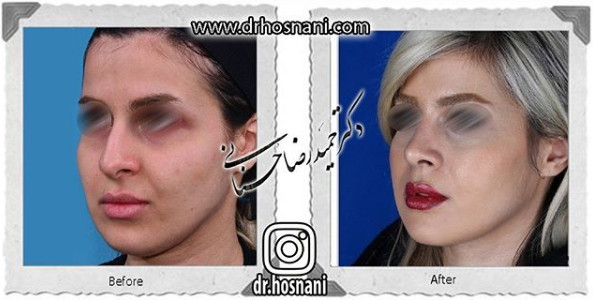
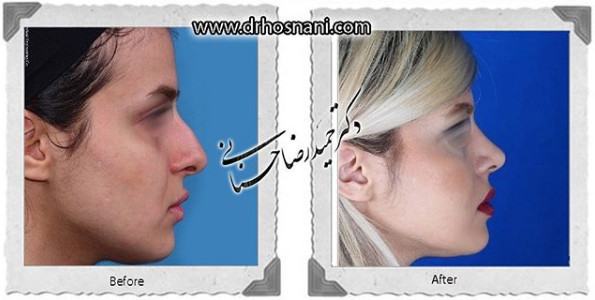
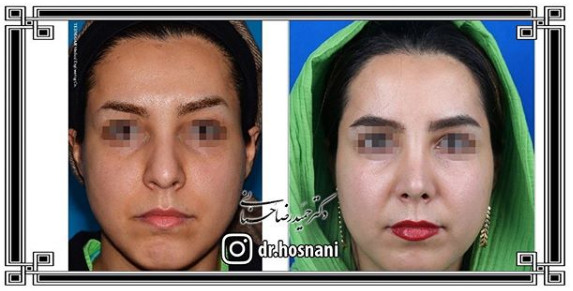
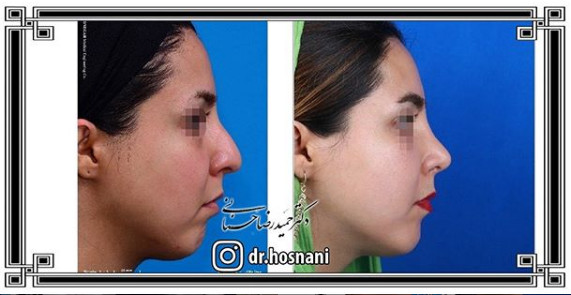
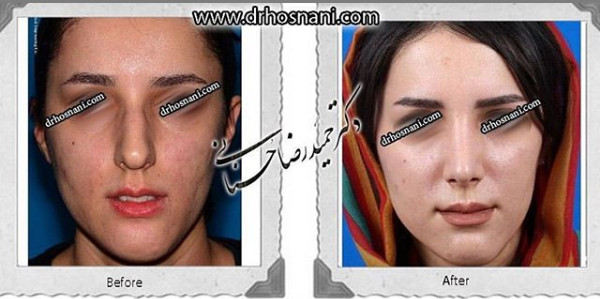
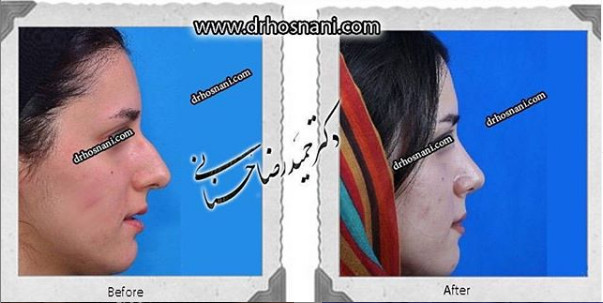
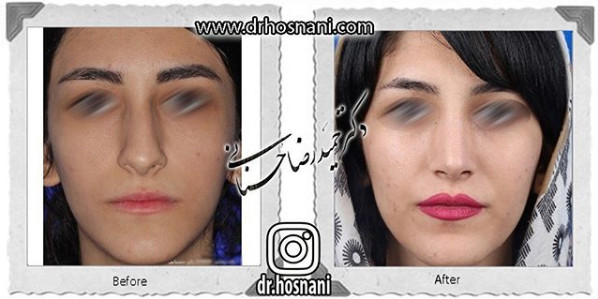
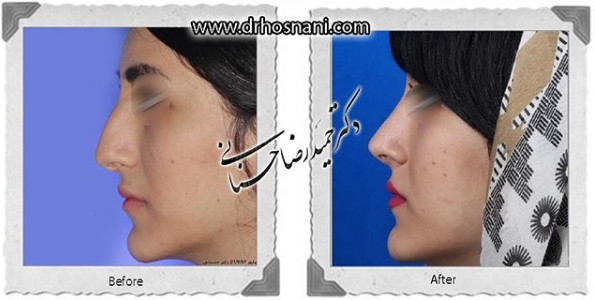
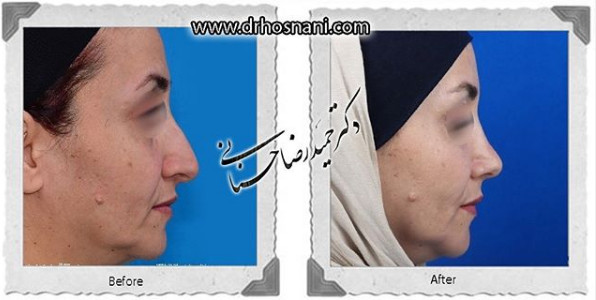
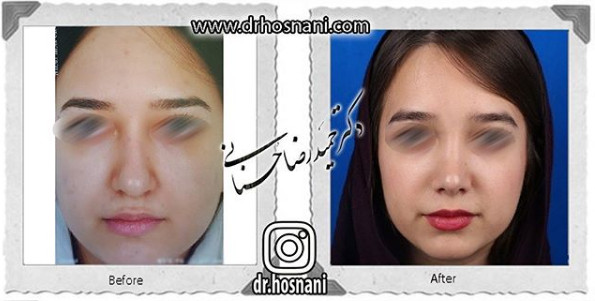
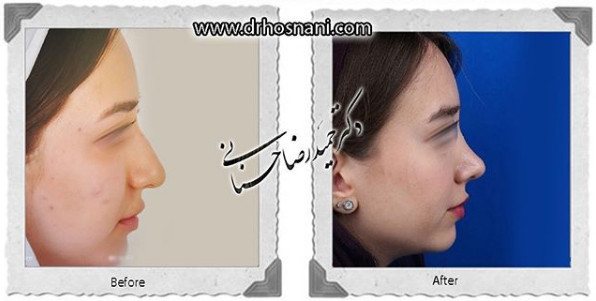
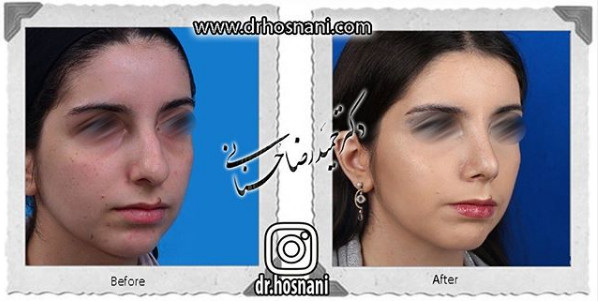
Correction of Nasal Hump, Nasal Drooping, and Nasal Tip Asymmetry with Rhinoplasty by Dr. Hosnani
What Is a Bony Nose?
The most important factor in the final aesthetic result of rhinoplasty is skin thickness, which plays a very important role in determining the success of surgery. If the nasal skin is thin and the bones and cartilages are strong and healthy, this type of nose is called a bony or cartilaginous nose. These noses usually achieve the best results in cosmetic nasal surgery and have a high likelihood of patient and family satisfaction. Because bony noses have a stronger structure and thinner skin, they allow more precise surgical changes and usually create a more beautiful and natural final result.In contrast, if the nasal skin is thick and the cartilages are not strong enough, this type is called a fleshy nose. Surgery on fleshy noses is usually more challenging, and the final result may be weaker than that of bony noses. Patient and family satisfaction is also usually lower in this type of nose, because thick skin and weak cartilage prevent precise and suitable changes from being created.
Mixed Types of Noses:
In some cases, noses have mixed features. For example, a nose with thick skin and thick cartilage is called semi‑fleshy, while a nose with thin skin and thin cartilage is called semi‑bony. Some patients may also have medium skin and cartilage thickness, which can lead to different results. In general, the stronger the nasal cartilages and the thinner the patient’s skin, the greater the surgeon’s ability to create the desired changes, and the more successful the surgical result is likely to be.
Important Point in Rhinoplasty with Thin Skin:
There is another very important point as well. If the nasal skin is very thin, even the smallest millimeter‑level surgical imperfections may become visible beneath the skin and can affect the result. Therefore, medium‑thickness nasal skin is the best and easiest condition for the surgeon. In this situation, the surgeon can design the nose beautifully, and if a rare, very small millimeter‑level imperfection occurs during surgery, it will not be visible under the skin, so the final result is preserved.
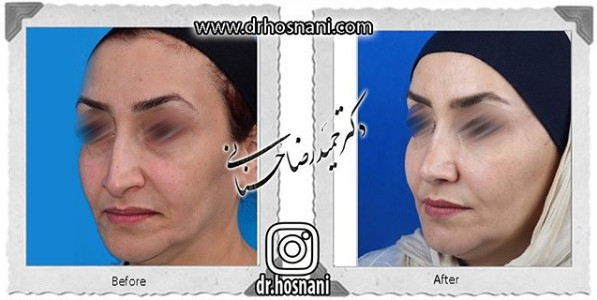
Before and After Photo Gallery: Bony Noses