




Nasal Anatomy - Rhinology
Dr. Hamidreza Hosnani
ENT Specialist | Rhinoplasty Surgeon in Tehran | Nose Surgery Specialist
The nose is a part of the face and also a component of the respiratory system. The main function of the nose is to ventilate and filter the air that we breathe. The sinuses are four hollow cavities connected to the nose. They act as air chambers. The olfactory cells responsible for the sense of smell are located inside the nose, in the upper region near the nasal roof.
Nose
or
Nasal Organ
The nose is a prominent structure in the center of the face and serves as the main gateway of the respiratory system. It is also one of the most noticeable facial features in terms of aesthetics. The functional roles of the nose include filtering, warming, and humidifying the air before it reaches the lungs. Breathing through the nose also prevents large particles from entering the respiratory system.
In addition, specialized nerve cells responsible for the sense of smell are located in the upper part of the nasal cavity. These olfactory cells are situated within the nasal mucosa and are connected to the brain through delicate nerve fibers.
At the back of the nasal cavity, the nasal passages open into the throat, allowing the inhaled air to pass from the nose into the pharynx.
What Is the Function of the Nose?
The primary function of the nose is ventilation and filtration of inhaled air. Unfortunately, this essential function is often overlooked, and many people consider the nose mainly as an aesthetic feature of the face. If the goal is to improve the appearance of the nose, its primary role—breathing—must always be preserved. Cosmetic nasal surgery only makes sense when it does not compromise breathing. In fact, after rhinoplasty, the patient's breathing should ideally improve.
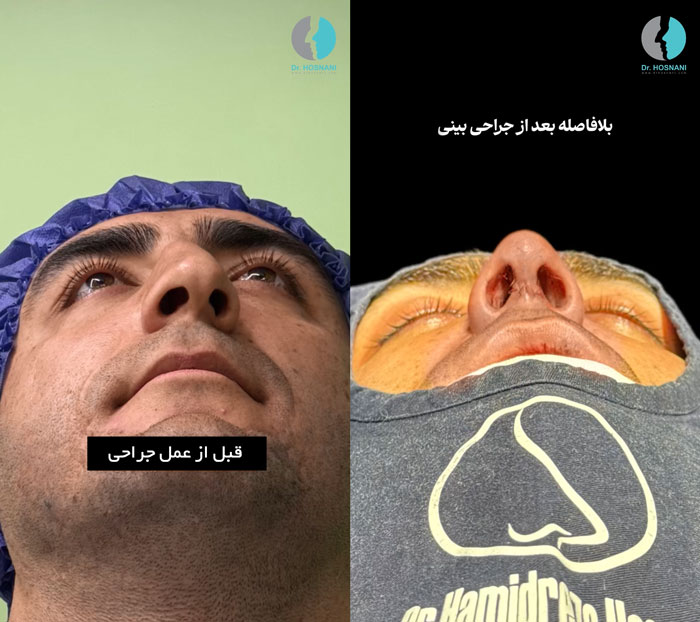
Symmetrization of the nostrils and preservation of the proportion between nostril diameter and its distance from the nasal tip in the base view.
External Anatomy of the Nose
Nasal Bridge
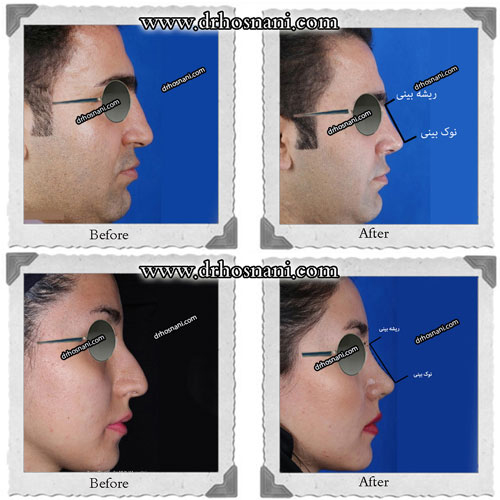
The nasal bridge (or dorsum) is the central portion of the nose extending from the area between the eyes down to the nasal tip. It is one of the most important elements in nasal aesthetics. In men, the nasal bridge is usually straighter, stronger, and slightly higher to create a more masculine and balanced facial appearance. In women, the bridge is often designed to be more delicate and may include a subtle curve to give the face a softer and more feminine look. Therefore, the main aesthetic differences between male and female noses involve the height, curvature, and delicacy of the nasal bridge.
The difference between rhinoplasty for women and men. As you can see, in women, the arch of the nasal bridge is greater and has a slightly "slide" (concave) look. In men, this arch is either absent or very slight.
Nasal Ala (Nasal Wings)
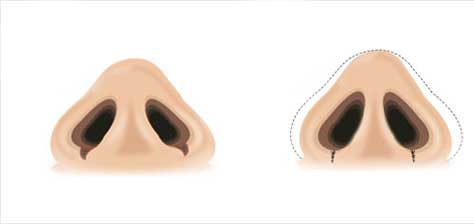
The nasal alae are the outer sides of the nostrils and play an important role in determining the overall width and proportion of the nose. In some individuals, the alae are wide or large, making the nose appear broader and sometimes less harmonious with other facial features. During rhinoplasty, reduction or reshaping of the nasal alae is typically performed through small, carefully placed incisions near the nostrils to create a more balanced and natural appearance. The goal of alar correction is to improve nasal proportions while preserving normal breathing function.
If the nose is wide, two incisions can be made in the nasal alae to reduce the width of the nose and the size of the nostrils.
Nasal Tip
The nasal tip is one of the most important elements influencing facial harmony. Its shape, angle, and size can significantly affect the overall appearance of the face. The nasal tip may be wide, round, drooping, or overly upturned. During rhinoplasty, these characteristics can be corrected using precise surgical techniques and sometimes cartilage grafts. Achieving proper balance between the nasal tip, nasal bridge, upper lip, and even the chin is essential for creating natural‑looking results.
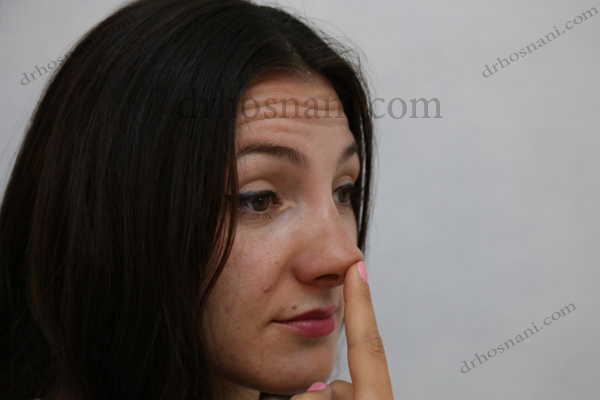
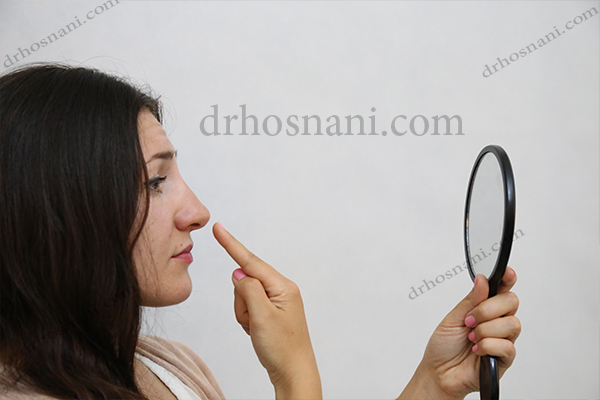
Lifting the nasal tip to a reasonable extent is possible. Avoid requesting fantasy or Michael Jackson-style noses.
Radix (Nasal Root)
The radix, or nasal root, is the uppermost part of the nose where it meets the forehead. Its depth and height play an important role in the overall facial profile. If the radix is too deep, the nose may appear longer and more prominent. If it is too shallow, the nose may look short or disproportionate. In rhinoplasty, correction of the radix may involve adding or removing cartilage or bone to achieve a harmonious transition between the forehead, nose, and eyes.
In This Patient, the Large Height of the Nasal Root (High Radix) Also Needs Correction
Columella
The columella is the narrow strip of skin and soft tissue located between the nostrils at the base of the nose. It separates the nostrils and plays an important role in the shape of the nasal tip and the angle between the nose and the upper lip. In open rhinoplasty techniques, a small incision is typically made on the columella to allow the surgeon better access to the internal nasal structures. The position and shape of the columella can significantly influence the overall aesthetics of the nose.
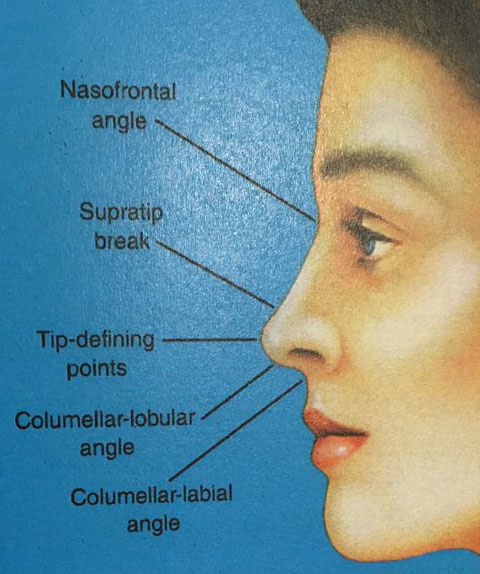
Nasofrontal angle, supratip break, columellar-lobular angle, nasolabial angle. Rhinoplasty, facial surgery.
Nasal Pyramid
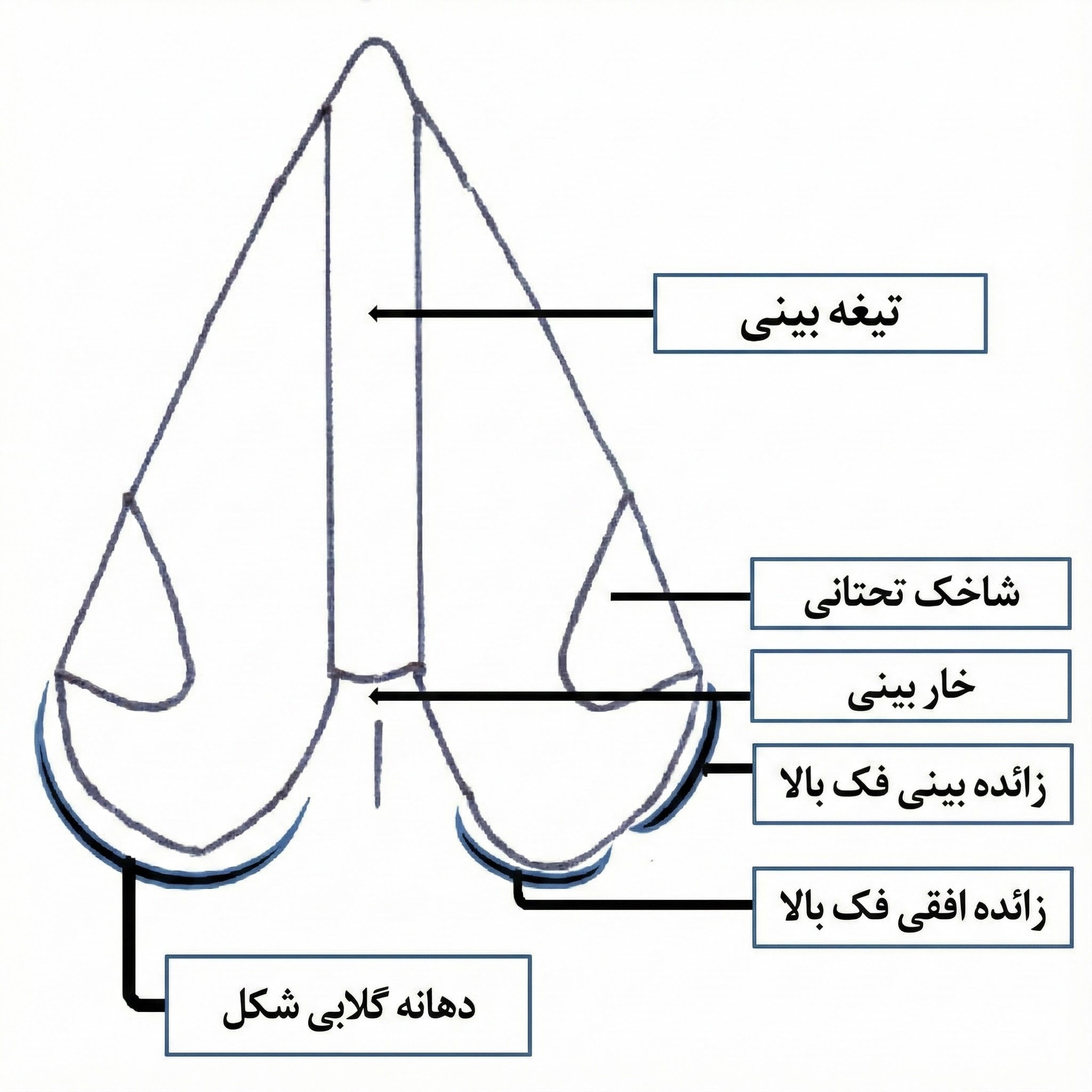
The shape of the nose resembles a pyramid. The upper part of the nose is narrower, while the lower portion is wider. The upper one‑third of the nose is composed of bone, while the lower two‑thirds consist mainly of cartilage.
The nasal pyramid refers to the three‑dimensional structure of the middle and upper part of the nose, which is formed by the nasal bones in the upper portion and the upper lateral cartilages in the lower part. This structure determines the overall shape of the nasal bridge as well as the width and height of the nose. It plays an important role both in facial aesthetics and in proper airflow through the nose, because any narrowing, fracture, or asymmetry in this region can affect not only the appearance of the nose but also breathing function.
Internal Anatomy of the Nose
Nasal Mucosa
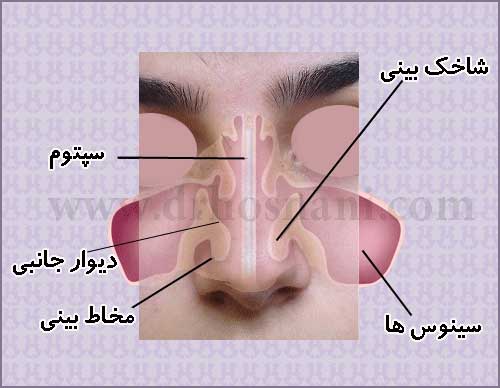
The nasal mucosa is the lining that covers the inside of the nose. There are two types of mucosa in the nasal cavity. The respiratory mucosa forms the primary lining and covers most of the internal nasal space. The olfactory mucosa occupies a small portion of the upper nasal cavity and is responsible for the sense of smell.Nasal Valves
After entering the nostrils, approximately one centimeter inside the nasal passage there are narrow regions called nasal valves. These structures are formed by the outer nasal cartilages and the nasal septum. The nasal valves play a crucial role in regulating airflow. If they are damaged during surgery, breathing difficulties may occur.Nasal Turbinates
Normally, each side of the nasal cavity contains three bony projections called nasal turbinates. As inhaled air passes through the nasal passages, it flows around these structures. During this process, the air is filtered, humidified, and warmed before reaching the lungs.Lateral Nasal Walls
The lateral walls of the nose are located on both sides of the nasal cavity and help protect the internal airway. The lower portion of these walls is made of cartilage, while the upper portion is composed of bone. In rhinoplasty procedures designed to narrow the nose, these walls are moved slightly inward. However, excessive inward movement can cause narrowing of the airway and breathing problems. Nasal Septum
The nasal septum is a cartilage‑bone partition that separates the left and right nasal cavities. It serves as the main structural support of the nose and acts as a central pillar that helps maintain the proper position of other nasal structures.Sinuses
The sinuses are four pairs of hollow cavities located within the facial bones around the nose. They open into the nasal cavity through small passages. The relationship between the sinuses and the nose is similar to rooms opening into a central corridor—the nasal cavity acts as the corridor, while the sinuses are like adjoining rooms. Although the exact function of the sinuses is not fully understood, they are believed to assist in air ventilation and voice resonance.At the back of the nasal cavity, the nasal passages open into the throat, allowing the inhaled air to pass from the nose into the pharynx.