




Rhinoplasty with Piezosurgery
Dr. Hamidreza Hosnani
ENT Specialist | Rhinoplasty Surgeon in Tehran | Nose Surgery Specialist
Piezosurgery is an advanced technique used in rhinoplasty that employs a device called a Piezotome. This device works using ultrasonic waves. Piezosurgery allows very precise cutting and reshaping of nasal bones without causing significant damage to surrounding soft tissues such as the skin, cartilage, blood vessels, or nerves.
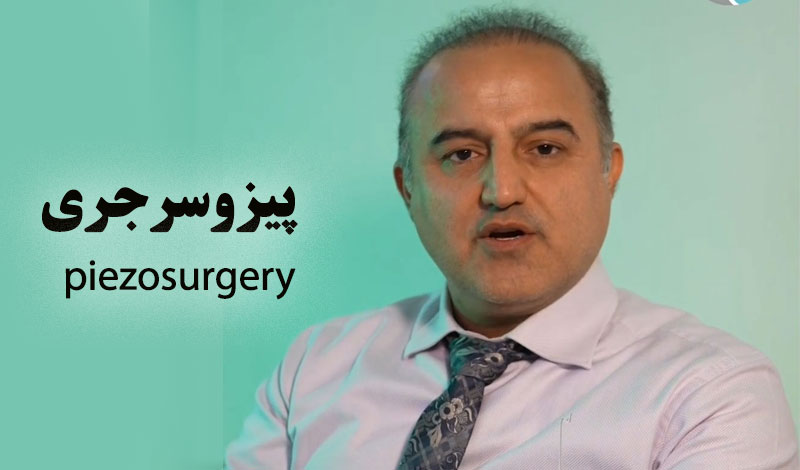
Piezosurgery in rhinoplasty is a technology based on ultrasonic waves that allows the surgeon to cut or shape the nasal bones with greater precision and with less damage to surrounding soft tissues such as mucosa, blood vessels, and skin. This technique is often useful for delicate osteotomies and in some patients may reduce bruising and swelling after surgery. However, the final outcome still depends primarily on the surgeon’s skill and proper surgical planning. According to Dr. Hosnani, piezosurgery is an advanced assisting tool, not a factor that alone guarantees the quality of surgery.
Piezosurgery in Rhinoplasty
An Advanced Approach to Bone Reshaping
Piezosurgery is a modern technique used in rhinoplasty to reshape the nasal bones with a high level of control and precision. Instead of relying on traditional mechanical instruments, this method uses ultrasonic vibrations to act specifically on bone tissue while minimizing trauma to the surrounding soft structures.
This technology has attracted considerable attention in aesthetic and functional nasal surgery because it allows the surgeon to perform delicate modifications with greater confidence. In carefully selected patients, it can contribute to a more refined surgical process and a smoother post-operative course.
Why It Has Gained Attention
The growing interest in piezosurgery is largely due to its ability to combine accuracy with reduced surgical trauma. Patients who seek a natural-looking result often appreciate methods that allow subtle bone refinement rather than aggressive manipulation.
According to Dr. Hosnani, modern rhinoplasty should aim not only for aesthetic improvement, but also for a surgical technique that respects the delicate anatomy of the nose and reduces unnecessary tissue injury.
Advantages of Piezosurgery in Nasal Surgery
Greater Precision and Refinement
One of the principal advantages of piezosurgery is its remarkable accuracy. The ultrasonic device acts primarily on bone and allows cuts and reshaping movements to be performed with exceptional delicacy. This often leads to results that appear more natural and more predictable from an aesthetic standpoint.
This feature is especially valuable in patients with a bony nose or in individuals who desire subtle structural changes rather than dramatic alteration. The surgeon is able to sculpt the nasal framework in a more controlled manner, which may improve both symmetry and elegance.
Reduced Trauma to Surrounding Tissues
In comparison with traditional methods, piezosurgery generally causes less damage to adjacent soft tissues. Structures such as the mucosa, blood vessels, and delicate soft tissue layers are better protected during the bone work.
As a result, the likelihood of excessive tissue irritation may be reduced, and the overall healing environment can become more favorable. This is one of the reasons why many surgeons regard the technique as a meaningful development in contemporary rhinoplasty.
Less Bleeding, Swelling, and Bruising
Because the surrounding vascular structures are less disturbed, piezosurgery is often associated with lower levels of intraoperative bleeding and less post-operative swelling and bruising. In many cases, this reduction can be significant enough to improve the patient’s comfort in the early recovery period.
A gentler surgical course may also contribute to less post-operative discomfort and a quicker return to social activities. For many patients, this practical benefit is one of the most appealing aspects of the technique.
Faster Recovery in Selected Cases
Since the procedure can be less traumatic than conventional bone-cutting methods, many patients experience a shorter and easier recovery period. Although healing always varies from one individual to another, reduced swelling and bruising often make the first weeks after surgery more manageable.
Drawing on Dr. Hosnani’s extensive experience, a technique that minimizes collateral injury can improve both the surgical experience and the quality of recovery, particularly in patients who value a refined and natural result.
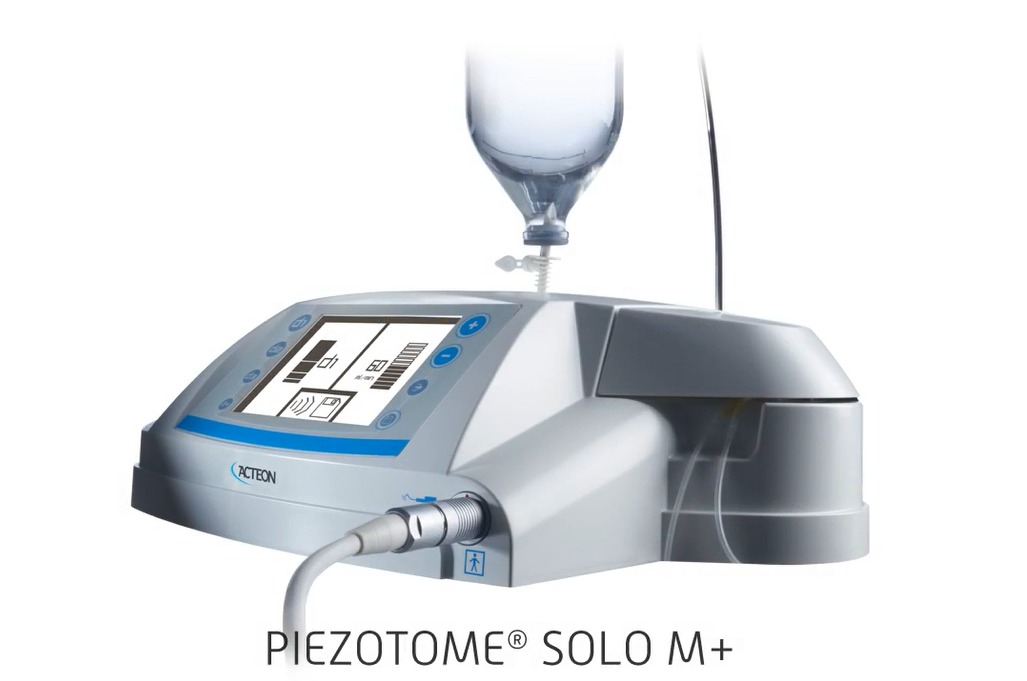
The piezotome device used in the piezosurgery technique.
Limitations and Disadvantages of Piezosurgery
Not Ideal for Every Type of Nose
Despite its many strengths, piezosurgery is not a universal solution for all rhinoplasty cases. The technique is primarily designed for bony modification, which means its greatest value is seen in patients whose surgical needs are concentrated in the osseous framework of the nose.
In fleshy noses, or in complex revision cases that require extensive reconstruction, piezosurgery alone may not be sufficient. In such situations, it may need to be combined with other surgical methods to achieve a complete and balanced outcome.
Higher Cost and Limited Availability
Another limitation is the higher cost associated with the procedure. The equipment is advanced, and successful use of the technology requires training, skill, and surgical experience. For this reason, the overall cost may be noticeably higher than that of traditional rhinoplasty techniques.
In addition, not every clinic or surgical center has access to this technology. Patients interested in this method may therefore need to seek care from specialized centers where the equipment and expertise are available.
Longer Operating Time
Because piezosurgery emphasizes delicacy and precision, the operation itself may take longer than a conventional approach. In some cases, the procedure may extend by thirty to sixty minutes, depending on the complexity of the nasal anatomy and the scope of the correction.
While this increase in time may be justified by the quality of the bone work, it remains an important practical consideration in surgical planning.
Complex Cases May Need Additional Tools
In severe fractures, traumatic deformities, or reconstructive cases following accidents or prior surgery, piezosurgery may not be enough on its own. Additional instruments and structural techniques may still be required to achieve adequate correction and stability.
From Dr. Hosnani’s perspective, the best surgical method is not the most fashionable one, but the one that matches the patient’s anatomy, goals, and functional needs with the greatest precision.
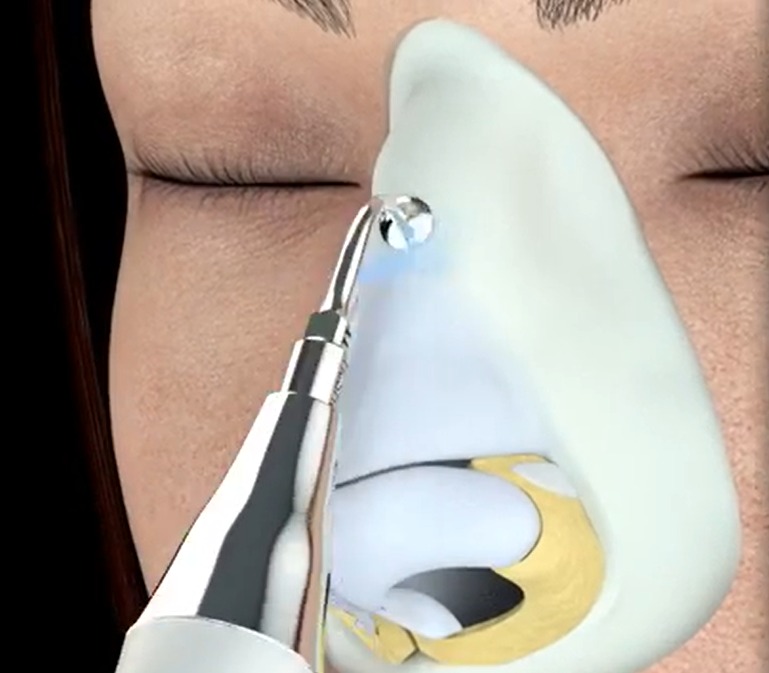
Shaping the nasal bones with a piezotome, due to its micro‑ultrasonic vibrations and high precision, allows bone cuts and reshaping to be performed more smoothly and in a more controlled manner with minimal damage to surrounding soft tissues. As a result, postoperative swelling and bruising are often reduced and the risk of bone irregularities decreases. According to Dr. Hosnani’s surgical approach, the piezotome is used when high precision is needed in reshaping the nasal bridge and lateral nasal bones.
Who Is a Good Candidate for Piezosurgery?
Patients Who Benefit Most
Piezosurgery is generally well suited to patients with a bony nose who are seeking accurate and natural-looking changes. It is often a favorable option for individuals who place great importance on fine refinement, reduced swelling, and a smoother recovery process.
Patients who prefer subtle elegance rather than exaggerated transformation may find this method particularly appealing. It can be especially effective when the main objective is precise contouring of the nasal bones.
When Other Methods May Be Better
If the patient has a fleshy nose, requires major reduction of the nasal tip, or presents with a complicated revision pattern, other techniques may be more appropriate or may need to be combined with piezosurgery. The final decision should always follow a detailed clinical examination.
Experienced surgeons such as Dr. Hosnani maintain that proper patient selection is one of the most important foundations of a successful rhinoplasty outcome.
Surgical Steps and Recovery Process
Bone Reshaping and Structural Adjustment
During the procedure, the nasal bones are precisely cut, reshaped, or refined using the piezo device. This stage is performed with careful attention to balance, symmetry, and preservation of the surrounding tissues.
After the bony framework has been corrected, the surgeon proceeds to adjust the cartilage, skin, and soft tissues as needed. The goal is to ensure that the internal structure and the external appearance remain harmonious.
Healing After the Operation
Recovery following piezosurgery is often more comfortable than recovery after traditional bone work, although every patient heals at a different pace. Swelling and bruising may still occur, but they are often less pronounced.
Patients are usually advised to follow post-operative instructions carefully, avoid trauma to the nose, and attend follow-up visits so that the healing process can be monitored closely.
Based on Dr. Hosnani’s clinical experience, successful recovery depends not only on the technique used in the operating room, but also on careful aftercare and realistic expectations during healing.
Rhinoplasty by Dr. Hosnani Using the Piezosurgery Technique
Professional Expertise and Surgical Planning
Dr. Hosnani, an ENT specialist and a well-known rhinoplasty surgeon in Tehran, performs nasal surgery using the piezosurgery technique in appropriately selected cases. This approach reflects the ongoing evolution of rhinoplasty toward greater precision, less trauma, and more refined aesthetic outcomes.
Each patient requires an individualized assessment, since no single technique is ideal for every nasal structure. The decision to use piezosurgery is based on anatomical findings, cosmetic goals, and the technical demands of the case.
Consultation and Cost Information
Patients who wish to learn more about surgical planning, candidacy, and costs may contact the office for consultation. A proper evaluation can determine whether piezosurgery is the most suitable option or whether a different surgical strategy would provide a better result.
It is Dr. Hosnani’s professional opinion that rhinoplasty should always unite beauty, safety, and function, so that the final result appears natural and remains structurally sound over time.