



Why Choosing a Good Rhinoplasty Surgeon Is the Most Important Step?
Dr. Hamidreza Hosnani
Choosing a good rhinoplasty surgeon is one of the most important decisions in life. If a nose surgery is unsuccessful, you cannot take corrective action for at least one year. If you undergo surgery twice and still are not satisfied, it becomes very unlikely that a third or fourth surgery will produce a satisfactory result.

In general, making the right choice can be difficult—especially when there are many options available. Some choices are not very important and do not require much research. If you buy a piece of clothing and do not like it, you simply stop wearing it. If you go to a restaurant and the food is not good, you probably do not go there again.
However, if you are planning to buy an expensive product, you will naturally do some research before making a decision. You may search online and gather information about that product. Some choices, however, are much more serious and can affect the direction of your life—choices such as selecting a field of study, choosing a life partner, or making an important medical decision. For such decisions, online research alone is usually not enough; you need to gather information through different reliable sources.
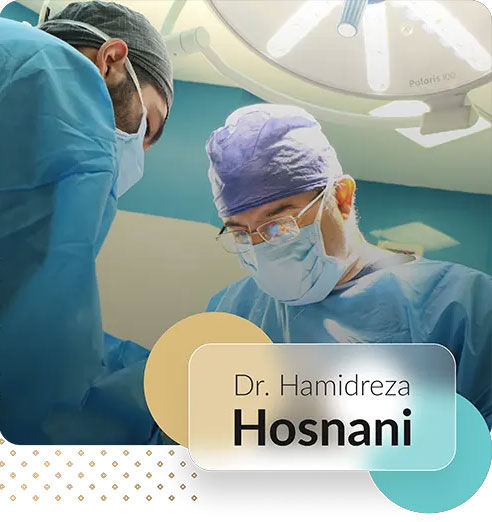
Choosing a rhinoplasty surgeon is also one of the important decisions in life. If your nose surgery does not produce a satisfactory result, you usually cannot undergo another procedure for at least one year. If you have already had two surgeries and the nose still does not look good, achieving a successful result in a third or fourth surgery may become much more difficult. Therefore, choosing the right rhinoplasty surgeon requires careful consideration.
Video A Mother-Daughter Rhinoplasty Journey with Dr. Hosnani

Video Description
How to Choose a Rhinoplasty Surgeon
The following steps can help you choose the right rhinoplasty surgeon:
1. Visit the Doctor’s Office and Meet Previous Patients
Visit the doctor’s office and try to see real patients who have already undergone surgery. You can often see actual surgical results in the clinic. Patients usually return for follow-up visits one day, one week, one month, six months, and one year after surgery. Speaking with previous patients can help you learn more about the surgeon’s work, follow-up care, and patient satisfaction.
2. Search Online and Gather Information
As with any important decision, spend some time searching on Google and learning more about the doctor you are considering.
3. Make a Shortlist of the Best Rhinoplasty Surgeons
Prepare a list of reputable rhinoplasty surgeons and research each one separately. Compare their experience, surgical style, patient results, and professional background.
4. Review the Doctor’s Website and Before-and-After Gallery
Visit the surgeon’s website. Go to the About Dr. Hosnani page and learn about the doctor’s education, specialty, years of experience, academic background, and professional philosophy.
Also visit the before-and-after rhinoplasty gallery and see whether you like the surgeon’s style and results.
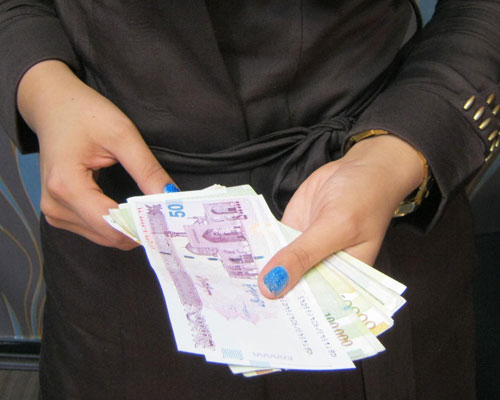
5. Consider Your Budget
Choose according to your budget. The cost of rhinoplasty in Iran may vary significantly depending on the surgeon, clinic, complexity of the procedure, and other related factors. However, in cosmetic surgery, a higher surgical fee does not always guarantee a better result. What matters most is whether the fee is reasonable in relation to the type and complexity of the operation.
6. Check Other Media and International Recognition
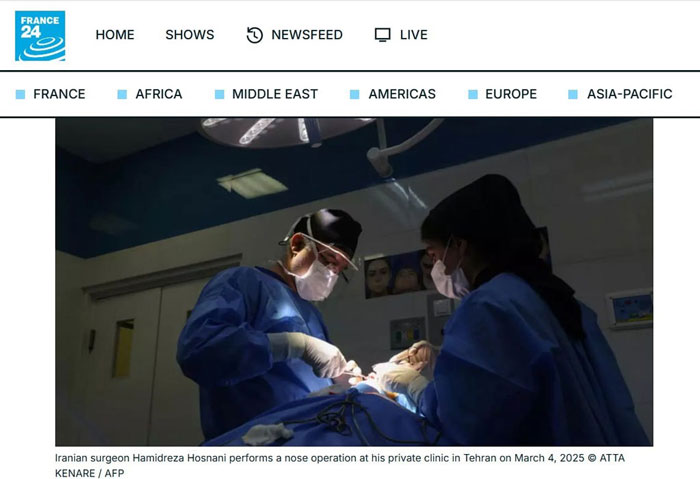
Research other media sources, especially international media, to see which Iranian surgeons have gained international recognition. Dr. Hosnani has been featured by several international media outlets, including BBC, ITV, and France 24 (French news coverage).
7. Finally, Trust One Doctor and Make Your Decision
After gathering enough information, comparing options, reviewing real results, and having a consultation, choose one surgeon whom you trust and finalize your decision.
Dr. Hosnani’s Audio Explanation About Choosing a Rhinoplasty Surgeon
Listen to Dr. Hamidreza Hosnani’s audio podcast about which specialty may be more suitable for rhinoplasty: an ENT specialist or a cosmetic/plastic surgeon.
Video: Two Sisters, Two Beautiful Noses — The Story Behind Their Trust in Dr. Hosnani
This patient had undergone rhinoplasty only one month earlier. Although some normal post-operative swelling was still present, she was already pleased with the current shape of her nose. She knew that as the swelling gradually decreased, the nose would continue to become more refined and harmonious. Her sister had undergone rhinoplasty about two months earlier and was satisfied with the result, especially in terms of improved smell and breathing. This experience helped the patient confidently travel from Germany to Iran to have her surgery performed by Dr. Hosnani and achieve a natural-looking result in harmony with her face.
Video: Two Sisters from the USA Choose Dr. Hosnani for Rhinoplasty in Iran
One week after her older sister underwent rhinoplasty with Dr. Hosnani and was satisfied with the result, this young woman also decided to trust Dr. Hosnani with her nose surgery. After spending a few weeks in recovery, both sisters planned to return to the United States with their new, naturally refined noses.
Video: Rhinoplasty in Tehran from the Perspective of France 24
France 24 reported on cosmetic surgery and medical tourism in Tehran, highlighting why many international patients, including patients from Iraq, choose Iran for procedures such as rhinoplasty. The report referred to Iran’s experienced surgeons, modern medical facilities, and competitive treatment costs. Dr. Hamidreza Hosnani was among the Iranian surgeons featured in this report.
Characteristics of a Good Rhinoplasty Surgeon
1. Valid Specialty and Professional Training
A good rhinoplasty surgeon is preferably an ENT specialist or a plastic surgeon with a serious focus on rhinoplasty.
Experience in revision rhinoplasty is also important, because revision cases are usually more complex and require advanced surgical skill.
2. Attention to Both Beauty and Breathing
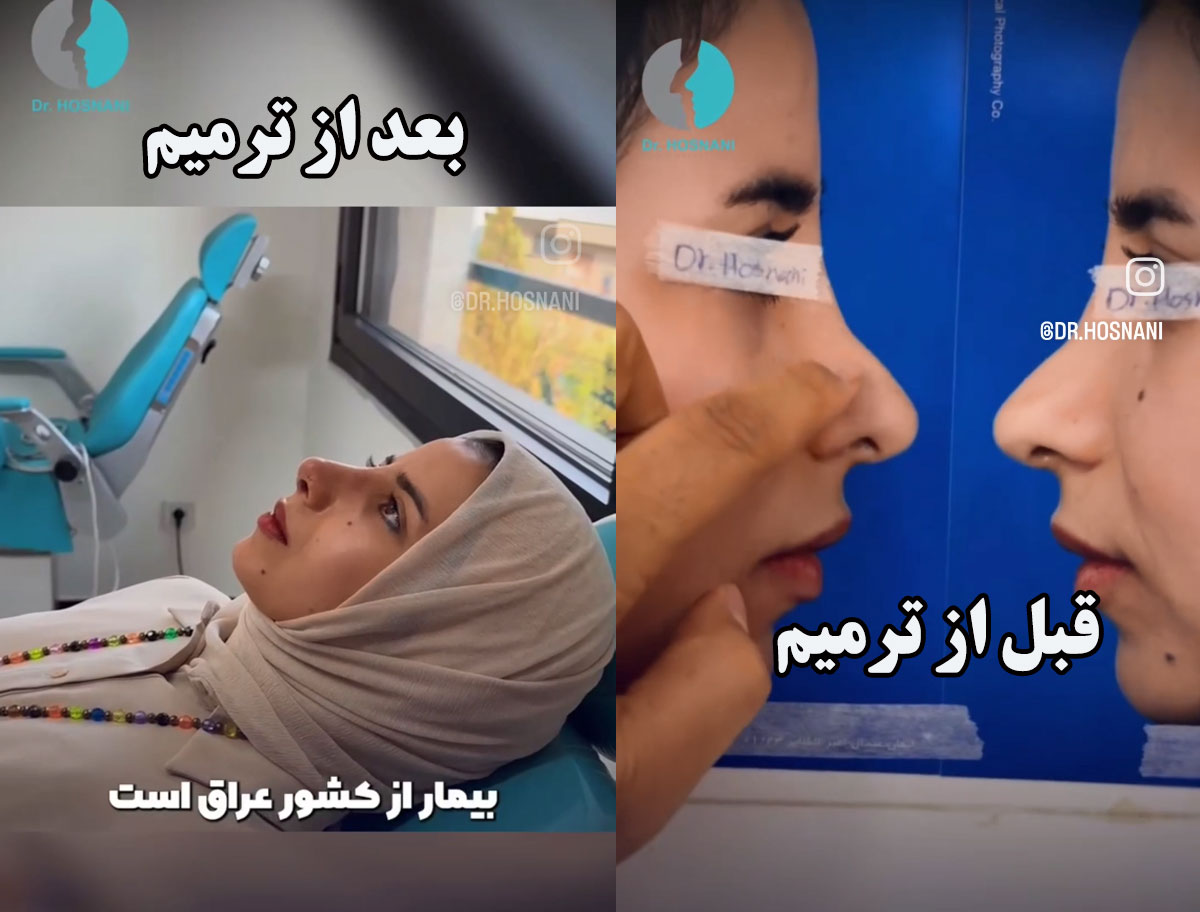
A good surgeon does not simply make the nose smaller. Nasal function and breathing should always be a priority.
Before surgery, the inside of the nose should be carefully examined, including the nasal septum, nasal valves, turbinates, possible polyps, allergies, and other functional issues.
If necessary, septoplasty or nasal valve repair may be recommended at the same time as cosmetic rhinoplasty.

3. Careful Anatomical Evaluation and Realistic Planning
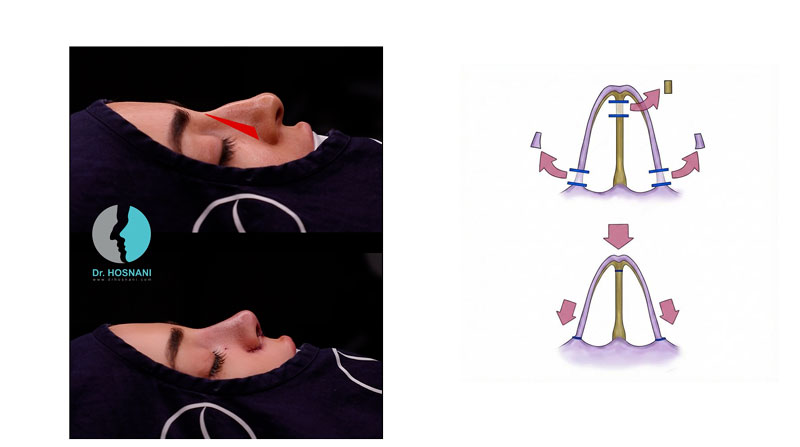
A good surgeon explains important anatomical factors such as skin thickness, cartilage strength, bone width, asymmetries, and other structural details.
The surgeon should be honest about limitations. For example, in a thick-skinned nose, promising an extremely delicate or overly refined result would not be realistic.
When needed, structural rhinoplasty techniques and cartilage grafts may be used to create a more stable and long-lasting result.
4. Professional Consultation and Proper Expectation Management
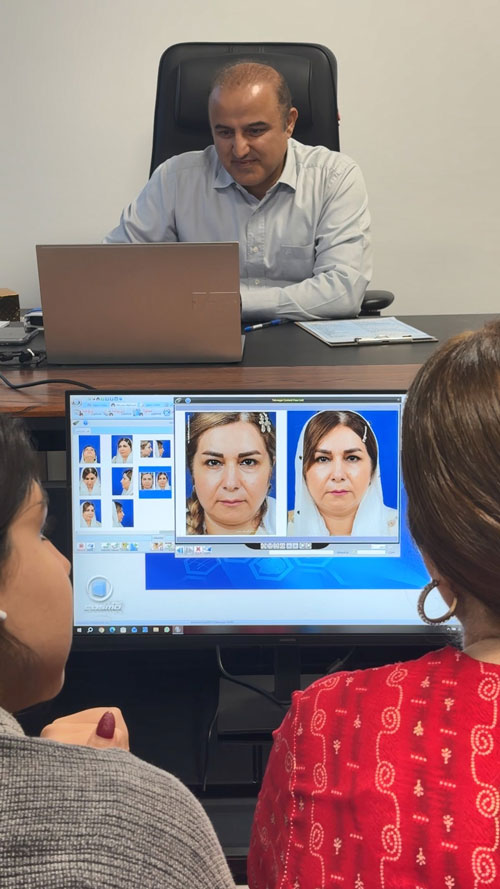
A responsible rhinoplasty surgeon spends enough time during consultation, answers questions patiently, and takes a complete medical history.
The surgeon should not promise a “guaranteed” result, because swelling, tissue healing, and the body’s response vary from person to person.
If your desired nose shape is not compatible with your nasal structure, the surgeon should explain this clearly and may even advise against surgery.
5. Reliable Before-and-After Results, Not Just Social Media Photos
A reliable rhinoplasty portfolio should include different types of noses and cases, such as:
✔
Thick-skinned noses
✔
Bony noses
✔
Revision rhinoplasty cases
✔
Deviated nose correction
✔
Male and female rhinoplasty
The photos should not only show immediate post-operative results. Ideally, the gallery should also include six-month to one-year rhinoplasty results.
If possible, the surgeon should allow patients to understand the healing process through real examples, follow-up visits, or detailed explanations.
6. Conservative and Safe Surgical Approach
A good surgeon avoids excessive reduction, which can increase the risk of bridge collapse, drooping nasal tip, airway narrowing, and an unnatural appearance.
The surgeon should pay close attention to preserving nasal tip support and key structural elements of the nose.
7. Surgical Team, Facility, and Anesthesia Standards
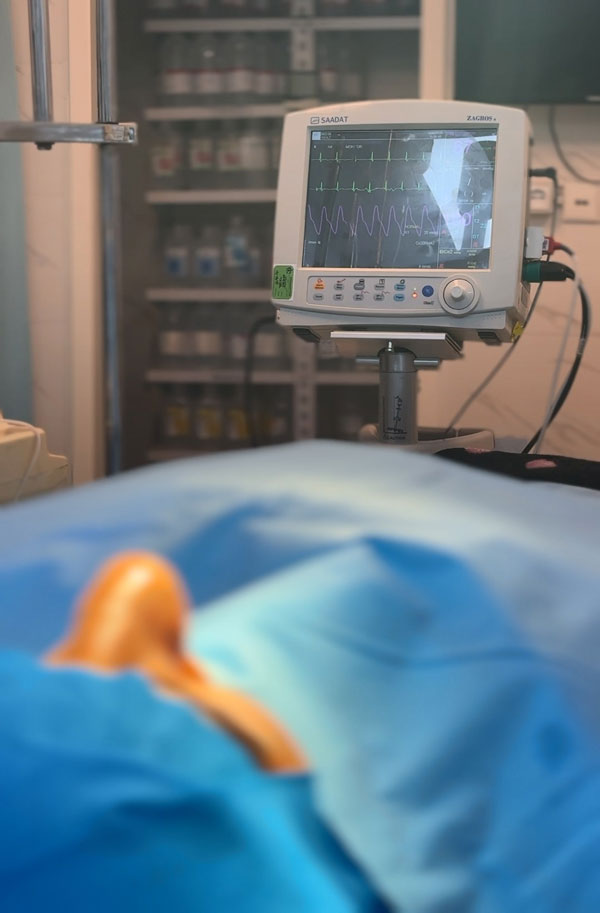
A good rhinoplasty surgeon works in a reputable surgical center with a professional anesthesia team.
Before surgery, the necessary tests should be requested, and underlying medical conditions must be carefully considered.
Clear protocols should exist for infection control, patient safety, and post-operative follow-up.
8. Post-Operative Care and Follow-Up
A good rhinoplasty surgeon provides clear instructions for: nasal washing, nose taping, medications, activity restrictions, returning to exercise, swimming or sauna, and wearing glasses after rhinoplasty.
The surgeon should also be available for common concerns such as bleeding, severe bruising, fever, infection, and concerns about swelling.
Any supportive treatments, such as post-rhinoplasty injections or additional procedures, should be recommended carefully and only when appropriate.
9. Professional Ethics and Financial Transparency
A good surgeon explains the costs, possible additional expenses, and follow-up visit policies clearly.
The surgeon should also discuss risks such as scarring, asymmetry, and the possible need for revision or minor corrective procedures in a clear and documented manner.
10. Aesthetic Sense and Preservation of Facial Identity
A skilled rhinoplasty surgeon designs the nose according to gender, age, ethnicity, and overall facial proportions.
The goal is not to make every patient look like a specific model or celebrity. The goal is to create a natural-looking nose that harmonizes with the patient’s own face.
Warning Signs When Choosing a Rhinoplasty Surgeon
❌ Promising a 100% guaranteed result or claiming “no swelling” or “no complications”.
❌ Insisting on quick surgery without a detailed internal nasal examination.
❌ Ignoring breathing problems or saying they can be “fixed later”.
❌ Suggesting overly extreme nose shapes without considering skin thickness or cartilage strength.
❌ Lack of regular follow-up or poor post-operative responsiveness.
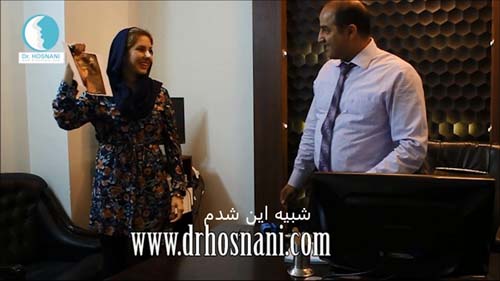
Video: “Please Operate in Dr. Hosnani’s Style!”
This patient wanted a natural-looking rhinoplasty result in Dr. Hosnani’s style. Her main concerns were nasal deviation and a hump on the bridge. She wanted her nose to look natural, not overly sharp or artificial, and she also cared about preserving her sense of smell and comfortable breathing. Her expectations focused on facial harmony, a natural curve, and a balanced relationship between the nasal tip and upper lip.