




Three Methods for Nasal Irrigation After Rhinoplasty
Dr. Hamidreza Hosnani
ENT Specialist | Rhinoplasty Surgeon in Tehran | Nose Surgery Specialist
Three weeks after rhinoplasty, you can wash your nose using a syringe according to the method taught by Dr. Hosnani in this section. During the first three weeks, using nasal drops is sufficient. Various methods exist for nasal irrigation, but according to Dr. Hosnani, the best method for a surgically operated nose is rinsing with a syringe.

Proper nasal washing with normal saline helps keep the nasal cavities clean, reduces inflammation, and speeds up the healing process. Performing this care correctly and at the right time can play an important role in preventing infection and maintaining the health of the nasal mucosa.
Why Is Nasal Washing After Rhinoplasty Essential?
After rhinoplasty, the internal tissues are healing and the nasal mucosa may be dry or inflamed. In this situation, the accumulation of secretions may cause congestion, discomfort, and even increase the risk of infection.Regular nasal irrigation with appropriate solutions helps remove these secretions and creates better conditions for healing of the nasal mucosa.
The Role of Irrigation in Preventing Postoperative Infections
Keeping the inside of the nose clean is one of the important factors in preventing infection after surgery. Nasal irrigation helps remove bacteria, secretions, and residual blood from the nasal cavities.This process reduces the chance of microbial accumulation and inflammation in the healing tissues.
Its Effect on Relieving Nasal Congestion and Improving Breathing
Nasal congestion after rhinoplasty usually occurs because of tissue swelling and accumulated secretions. Nasal irrigation helps soften and remove these secretions.As a result, the nasal airways become clearer and breathing through the nose becomes easier.
Removing Mucus, Blood Clots, and Nasal Secretions
After surgery, small blood clots or dried secretions may remain inside the nose. These materials can create a sensation of blockage or discomfort.Gentle irrigation with normal saline helps dissolve these materials and makes them easier to remove.
Equipment Needed for Proper Nasal Irrigation
Using the appropriate tools is important for proper nasal irrigation after surgery. These tools should be sterile or very clean to reduce the risk of contamination entering the nose.Choosing the Best Irrigation Solution (Normal Saline)
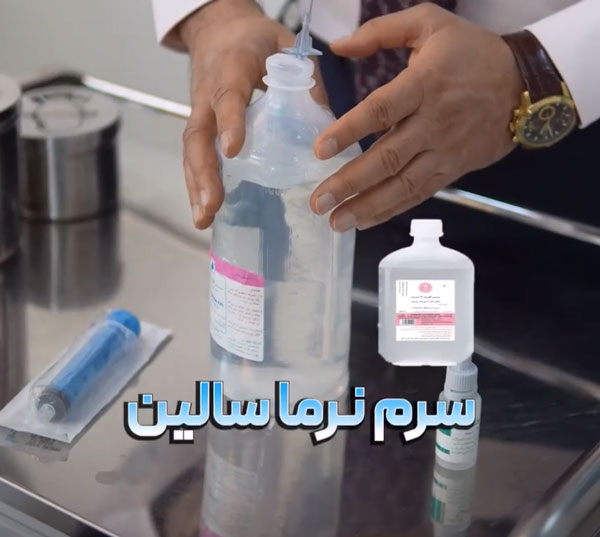
The best solution for nasal irrigation after surgery is usually normal saline. This solution has a salt concentration similar to body fluids and usually does not irritate the nasal mucosa.Using pharmacy‑prepared saline solutions is recommended because they are sterile and have a standardized composition.
Suitable Syringe for Irrigation (Without Needle)
A plastic syringe without a needle is usually used to deliver saline into the nose. These syringes allow better control of the flow of the solution.The saline should be injected gently to avoid excessive pressure on the sensitive nasal tissues.
Why Is Tap Water Not Recommended?
Tap water may contain microorganisms, minerals, or impurities that are not suitable for the sensitive nasal mucosa. After surgery, the internal nasal tissues are more vulnerable, and exposure to non‑sterile water may increase the risk of infection.For this reason, sterile pharmaceutical saline solutions are recommended for nasal irrigation.
Step‑by‑Step Guide to Nasal Irrigation After Surgery
Method One: Using Normal Saline Drops
Irrigation with normal saline drops is the simplest way to clean the nose after surgery. In this method, about 4 to 5 drops of saline are placed into each nostril. The drops help soften and wash away nasal secretions. These secretions usually move toward the throat and are gradually swallowed or cleared naturally. This method is gentle, simple, and suitable for the early days after surgery.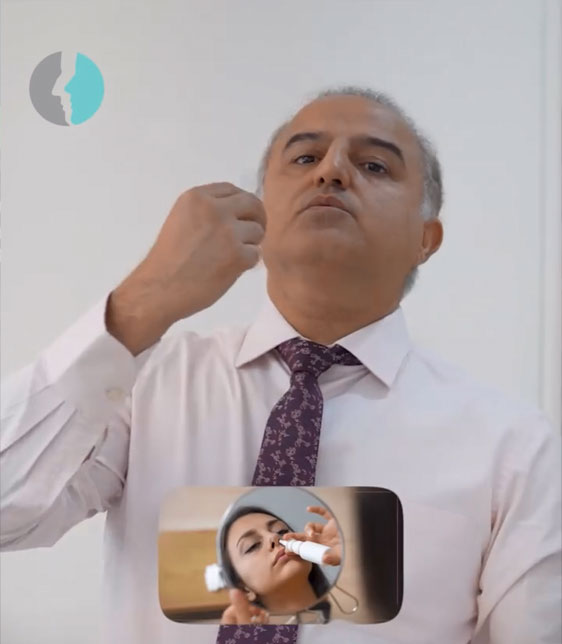
Method Two: Using Saline and an Irrigator
Nasal irrigation with saline and an irrigator is another way to clean the nose after surgery. In this method, the head should be tilted about 45 degrees forward, and the saline solution is gently introduced into one nostril using a device called an irrigator. If some saline slowly flows out from the other nostril, this is normal. However, irrigation should not be performed with strong pressure or vigorous flushing, because excessive pressure may cause irritation, pain, or damage to healing tissues.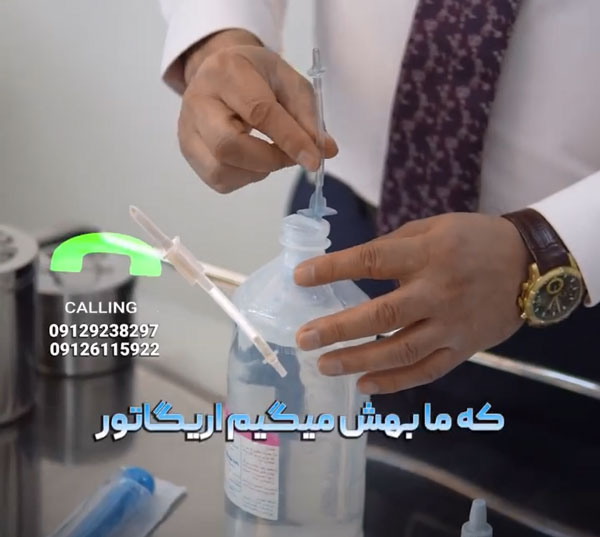
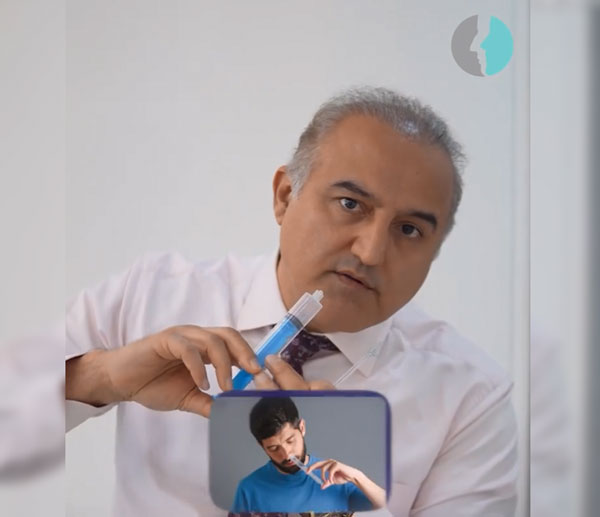
Nasal Irrigation Using a Syringe
Proper nasal irrigation is very important. Following the correct steps helps secretions leave the nose gently and prevents damage to healing tissues.Preparation and Proper Head Position
Before starting, wash your hands thoroughly. Then stand in front of a sink or in the bathroom and gently lean your head slightly forward.This position helps the saline and secretions flow out easily without entering the throat.
How to Gently Inject Saline into the Nasal Cavity
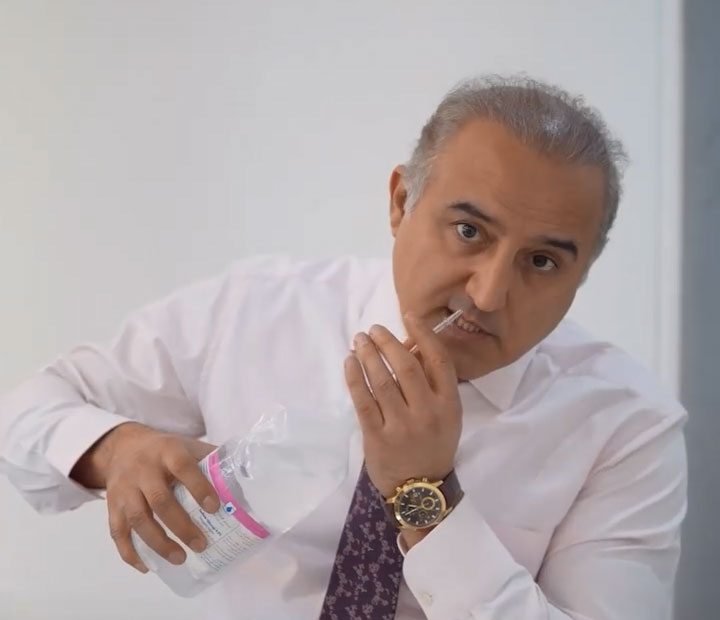
Place the tip of the syringe (without a needle) gently at the entrance of the nostril and slowly inject the saline into the nasal cavity.The flow should be gentle so that excessive pressure is not applied to the nasal mucosa. Usually, the saline exits either from the same nostril or from the other nostril.
Gentle Drainage of Secretions (Avoid Forceful Blowing)
After irrigation, some saline and secretions may come out of the nose. It is best to allow them to drain naturally.Forceful nose blowing is not recommended at this stage because it can place pressure on the healing tissues.
Frequency and Timing of Nasal Irrigation
The frequency of nasal irrigation after surgery varies depending on the doctor's recommendations and the patient's condition, but it is usually advised to perform it regularly during the first weeks.Nasal Irrigation During the First Week (Splint Period)
During the first week after surgery, when a splint or cast may still be on the nose, irrigation should be done carefully and according to the doctor's instructions.During this period, the main goal is to soften secretions and prevent mucus buildup inside the nose.
Continuing Irrigation After Removal of the Splint and Sutures
Even after the splint or cast is removed, nasal irrigation remains important. At this stage, the nasal mucosa may still be dry or sensitive.Continuing irrigation helps keep the nasal passages clean and reduces inflammation.
Common Mistakes in Nasal Irrigation You Should Avoid
Although nasal irrigation may seem simple, some common mistakes can irritate or harm the nose.Applying Excessive Pressure During Irrigation
Injecting saline with too much pressure may damage the nasal septum or sensitive mucosa. The flow of solution should be gentle and controlled.Irrigation should never cause pain or discomfort.
Forceful Nose Blowing and Its Risks
Forceful nose blowing increases pressure inside the nose and may damage recently operated tissues.During the first weeks, it is better to avoid this and allow secretions to drain naturally.
Using Non‑Standard Homemade Solutions
Some people try homemade solutions or unreliable mixtures for nasal irrigation. These solutions may not be sterile or may have incorrect salt concentration.Using standard pharmaceutical saline solutions is usually a safer option.
Frequently Asked Questions About Nasal Irrigation After Surgery
Can Nasal Irrigation Change the Shape of the Nose?
If nasal irrigation is performed gently and according to the doctor’s instructions, it usually does not change the shape of the nose or displace its structures.When Can I Use Decongestant Nasal Sprays?
Medicinal nasal sprays should only be used according to the doctor’s advice, because some of these medications may not be suitable during the early recovery period after surgery.What Should I Do If I Notice Mild Bleeding During Irrigation?
Sometimes a small amount of blood may appear in nasal secretions, which is usually normal. However, if bleeding is persistent or heavy, you should consult your doctor.What Is the Best Temperature for the Saline Solution?
The saline solution should be close to body temperature or slightly lukewarm. Very cold or very hot solutions may irritate the nasal mucosa.Video: Three Methods of Cleaning the Inside of the Nose After Surgery
In this video, Dr. Hosnani explains three correct methods of cleaning the inside of the nose after surgery and the supplies you should purchase from a pharmacy.