




In-Person Consultation at the Office
Dr. Hamidreza Hosnani
Before nose surgery, be sure to schedule an in-person session and meet with your doctor. In this session, show him photos of the nose you desire and talk about your expectations regarding the surgery. Mention any illnesses or concerns you have about taking medications...
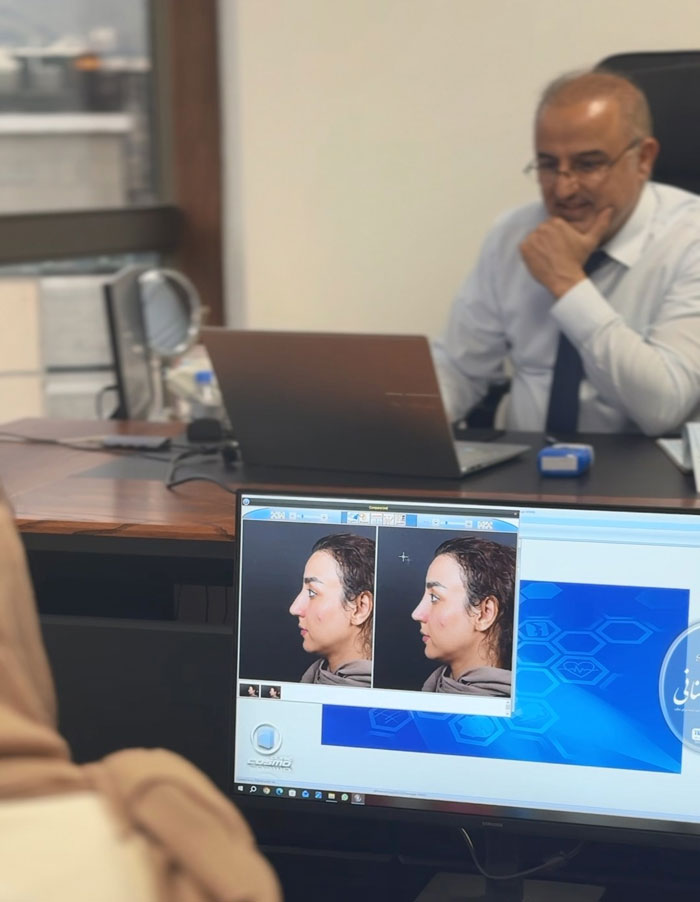
The consultation session is the most important part of the rhinoplasty process. It is not merely an opportunity to view before-and-after photos; rather, it is a crucial meeting that allows the surgeon and the patient to reach a mutual understanding. A proper consultation can significantly influence the final outcome of nasal surgery.
Below are the key points you should know about a comprehensive rhinoplasty consultation.
1. Structural Evaluation – Beyond Appearance
During the consultation, the surgeon evaluates your nose from three main perspectives:
Skin quality: Thin skin and thick, oily skin respond differently to rhinoplasty. The surgeon should explain what results can realistically be expected based on your skin thickness, especially regarding refinement of the nasal tip.
Cartilage and bone structure: Through internal and external examination, the surgeon assesses the nasal septum for deviation, evaluates cartilage strength, and checks for conditions such as nasal polyps or breathing problems.
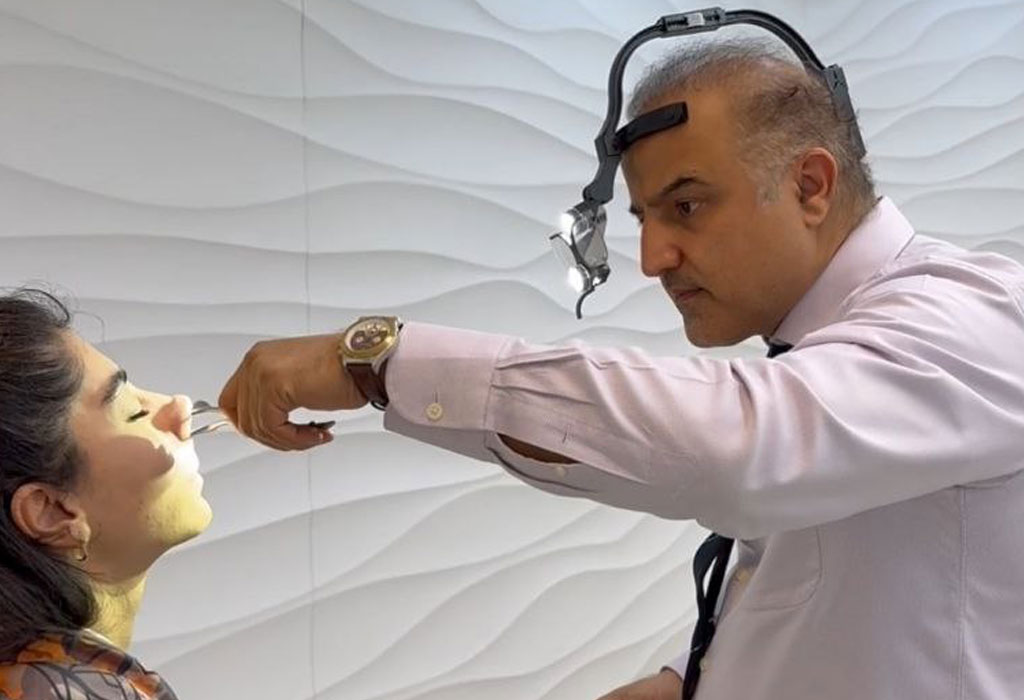
Facial proportions: The nose should never be evaluated in isolation. The surgeon should assess the chin, forehead, lips, and the distance between the eyes to ensure that the new nose will harmonize with the overall facial structure.
2. Medical History Review (Extremely Important)
You must be completely honest during the consultation. The surgeon needs to know the following:
Previous surgeries: If you have had rhinoplasty before (revision surgery), the risks and complexity will be different.
Underlying medical conditions: High blood pressure, thyroid disorders, diabetes, or any other medical condition that could affect anesthesia or healing.
Medications and supplements: Certain supplements (such as vitamin E, fish oil, and omega‑3) and anti‑inflammatory medications (aspirin, ibuprofen) can increase bleeding during surgery. Provide a complete list of medications you are taking.
Smoking and alcohol: Tobacco use (cigarettes, hookah, or vaping) reduces oxygen delivery to tissues and can significantly slow the healing process.
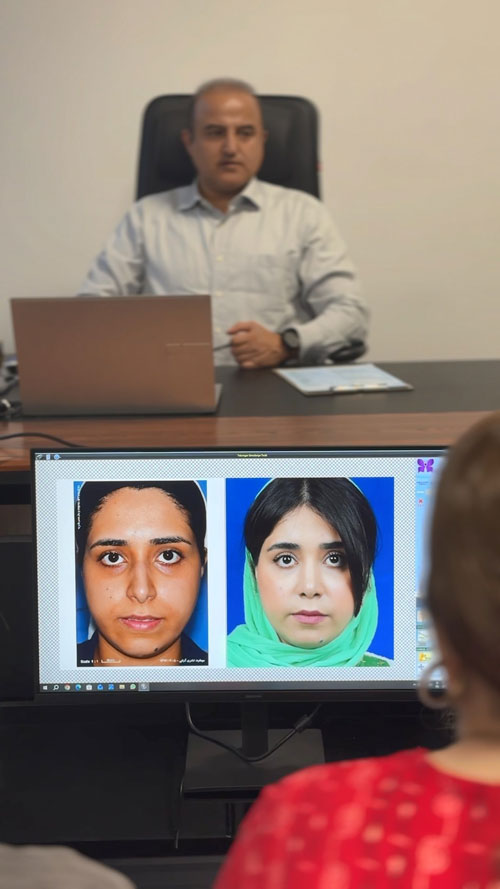
3. Managing Expectations (The Most Important Part)
The consultation is where “dream” meets “reality.”
Reference photos: Showing photos of noses you like can be helpful, but remember that every person’s anatomy is unique. The surgeon should explain whether your desired result is compatible with your nasal structure.
Limitations: An honest surgeon explains the limitations of surgery. For example, if your nose has thick skin, the nasal tip may not be able to become extremely narrow.
Simulation: Some surgeons use computer simulation software. These images provide only a rough estimate and should not be considered a 100% guarantee of the final result.
Video The Reality Behind "Perfect" Nose Photos | Dr. Hosnani's Advice
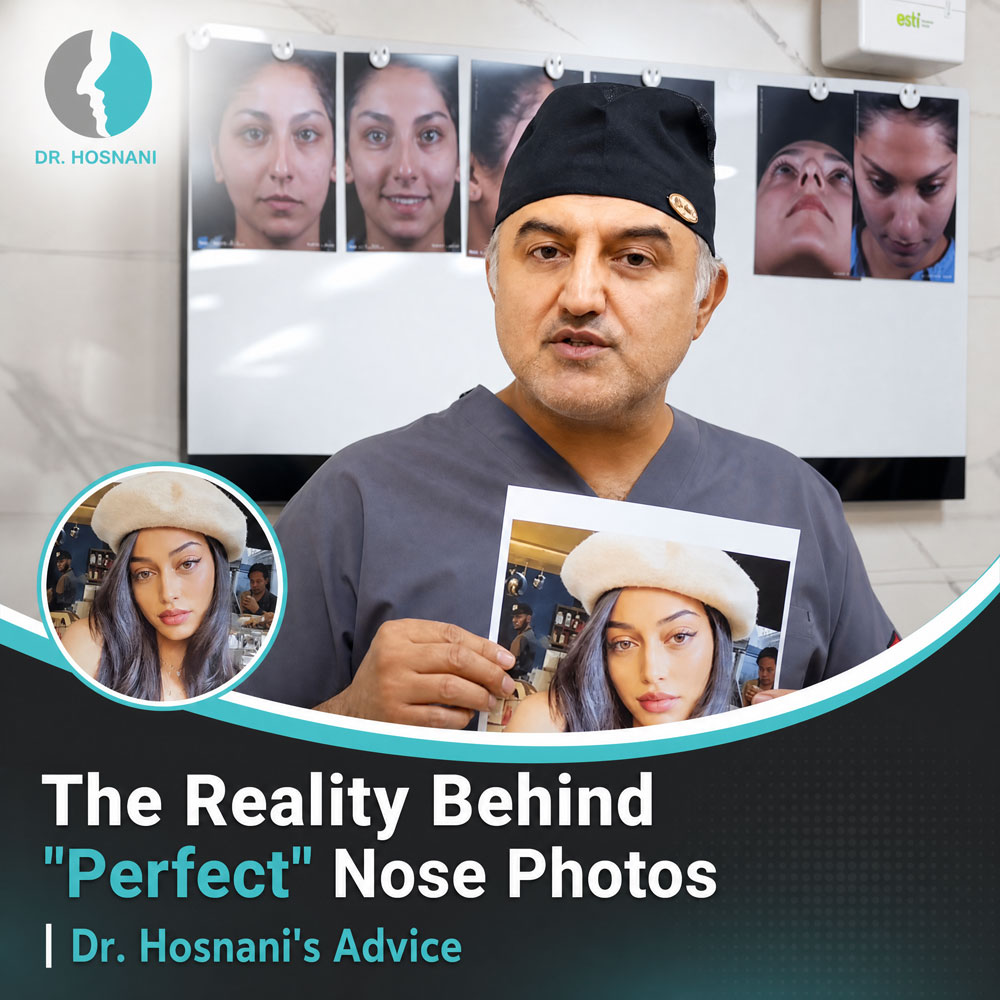
Video Description
4. Questions You Should Ask Your Surgeon
During the consultation, do not hesitate to ask important questions such as:
Does my nose require cartilage grafts for structural support?
Is there any possibility that I may need revision surgery in the future?
Will my surgery be performed using the open or closed technique?
How long is the recovery period, and when can I return to normal activities?
Do I need a CT scan for a more detailed evaluation of the sinuses?
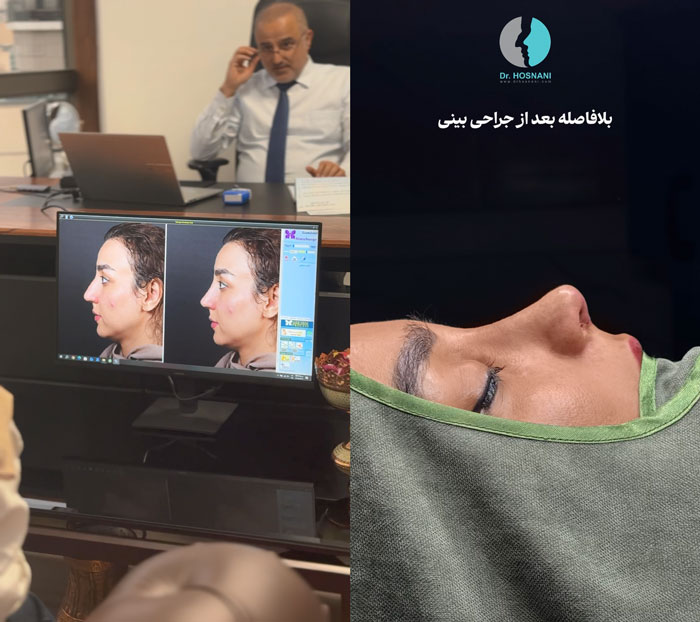
5. Preparing for the Days After the Consultation
After the consultation, the surgeon will provide specific instructions such as stopping certain medications, performing laboratory tests, and fasting before surgery. Following these instructions carefully helps ensure a safe surgical experience.
Golden tip: Choose your surgeon based on expertise and experience—not advertisements.
What Should You Pay Attention To?
When choosing a rhinoplasty surgeon, consider the following factors in addition to social media photos:
Education and credentials: Does the surgeon have relevant specialty training such as ENT (Ear, Nose, and Throat) or plastic surgery?
Seeing previous patients: If possible, observe former patients in the office so you can evaluate results one year or more after surgery.
Communication: Does the surgeon listen carefully to your concerns, or do they rush you toward surgery?
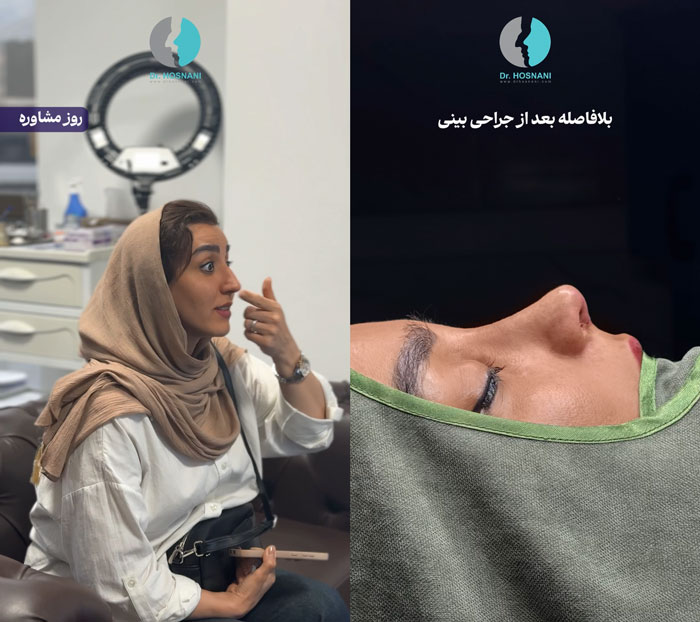
Video: During the Consultation Dr. Hosnani Said — If You Want a Doll Nose, Go Elsewhere!
Ms. Azadeh, who now lives in the UK, visited Dr. Hosnani 14 years ago for rhinoplasty. During the consultation, Dr. Hosnani told her: “If you want a doll‑like nose, you should go somewhere else.” She replied that she had come to trust his judgment. See the result of that trust after 14 years.
Important Questions You Must Ask During the Consultation
Certain questions are essential before rhinoplasty. Below are three key questions every patient should ask the surgeon.
Doctor, is my nose bony or fleshy?
Understanding the nasal type (bony vs. thick‑skinned/fleshy) is crucial for choosing the appropriate surgical technique and predicting the final result.

Doctor, breathing is more important to me than appearance. Will my breathing function be affected after surgery?
If breathing is a concern, patients should discuss it clearly with the surgeon. The surgeon should explain how nasal function will be preserved or improved during the procedure.
Would a natural nose or a semi‑fantasy style suit my face better?
Harmony between the new nose and the facial features is critical. The surgeon’s professional opinion can help determine which style best suits your facial structure.
Video: Don't Leave the Consultation Before Asking These Questions
Before rhinoplasty, patients should ask three important questions during the consultation: whether their nose is bony or thick‑skinned, whether breathing will be affected after surgery, and which nose style—natural or semi‑fantasy—best fits their facial features.