




Everything About Rhinoplasty; From Decision Making to Years After Surgery
Dr. Hamidreza Hosnani
What Is Rhinoplasty? An introduction to the stages of nose surgery, the best age for surgery, breathing problems, and important care tips before and after rhinoplasty.
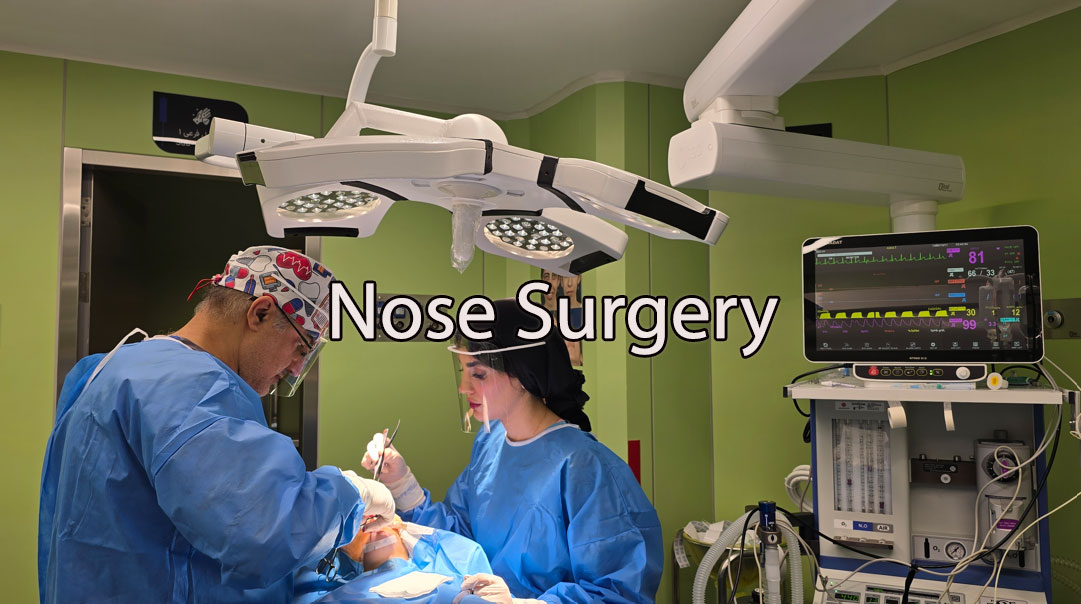
However, the rhinoplasty journey is not limited to the day of surgery. The process begins when a person first considers the operation and may continue for months or even years afterward.
In this article, we review the entire process of rhinoplasty, including the decision‑making stage, choosing the right surgeon, preparing for surgery, the surgical procedure itself, and post‑operative care. This article is based on the explanations of Dr. Hosnani, an experienced rhinoplasty surgeon. You can watch the related video here:
Deciding to Have Rhinoplasty – The Starting Point of Change
People decide to undergo rhinoplasty for many different reasons. In many cases, comments from friends or family members play an important role in shaping this decision. Sometimes others point out features of a person's nose, for example saying that the nose looks large or that there is a hump on the bridge.Repeated comments like these may gradually make a person more sensitive about the appearance of their nose and lead them to consider cosmetic correction. As a result, the idea of rhinoplasty begins to form, especially if the individual believes that improving the shape of the nose may increase their self‑confidence.
Of course, the decision does not always lead to surgery. Sometimes, after careful evaluation, it becomes clear that the overall facial harmony is already good and the nose fits naturally within the face despite minor imperfections. In such situations, many individuals decide that surgery is not necessary.
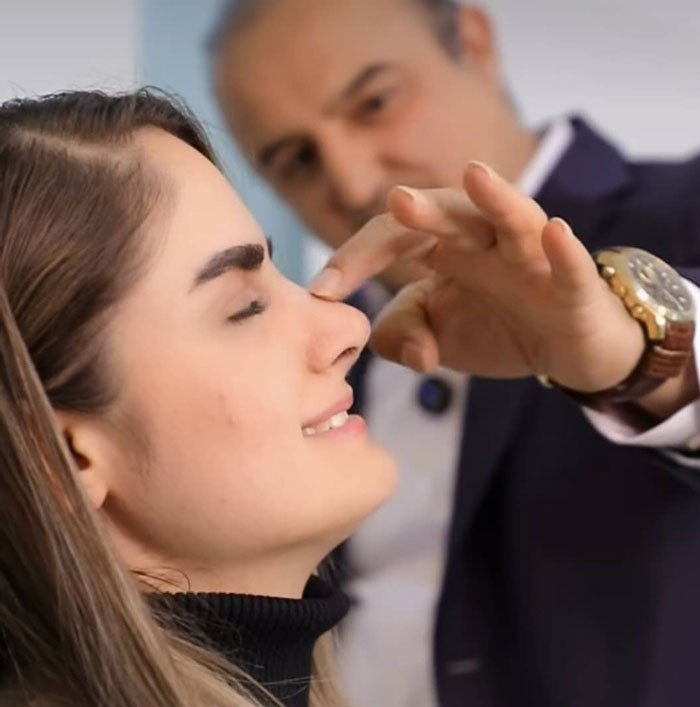
The Best Age for Rhinoplasty
If concerns about the nose arise during school years, it is usually recommended to wait until facial growth is complete. In most cases, the ideal age for rhinoplasty is after the age of 18, when the bones of the face have fully developed.However, as a minimum guideline, girls can typically undergo rhinoplasty from the age of 16, while boys usually need to wait until about 18 years old.
Many people postpone surgery for various reasons. Some individuals decide to have rhinoplasty in their late thirties or early forties, and there are even cases where people wait until their fifties before choosing surgery.
If a person is in good general health, rhinoplasty can often be safely performed up to about age 65. In older patients, however, a more detailed evaluation of heart, lung, and overall health status is required.

Rhinoplasty for Breathing Problems
About one quarter of patients do not seek surgery purely for cosmetic reasons. Many also suffer from breathing difficulties.In such cases, the surgeon can improve both the appearance of the nose and the internal structure at the same time. Problems such as a deviated septum or other nasal obstructions can be corrected during rhinoplasty, allowing the patient to breathe more comfortably while also achieving a better aesthetic result.
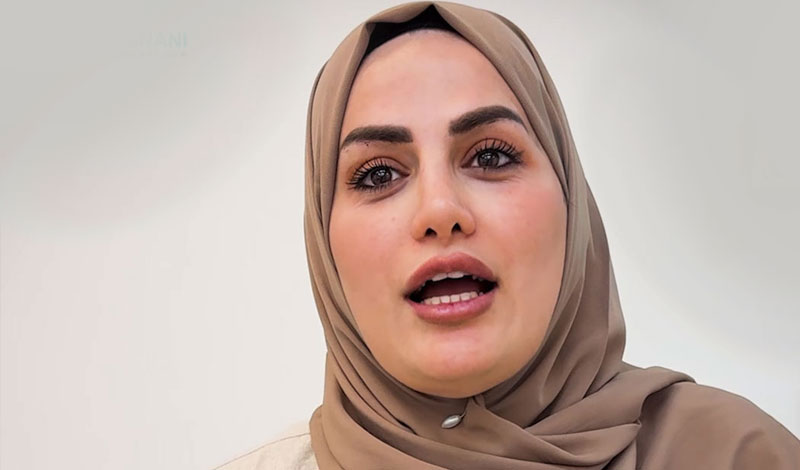
Video: Her sister had surgery two months ago and immediately experienced normal breathing and smell
This beautiful patient is now one month after her rhinoplasty surgery. Although some natural swelling is still present, she is already very satisfied with the current shape of her nose. She understands that as the swelling gradually subsides over the coming months, the nose will continue to look more refined and harmonious with her face. Interestingly, her sister underwent rhinoplasty about two months earlier and experienced excellent results, especially regarding breathing quality and sense of smell. After seeing her sister’s successful outcome, this patient decided to travel from Germany to Iran to have her surgery performed by Dr. Hosnani and achieve a natural‑looking result.
Choosing the Right Rhinoplasty Surgeon
One of the most important decisions in the rhinoplasty journey is selecting the right surgeon.For many patients, budget is the first factor they consider. Less experienced surgeons may charge lower fees, while surgeons with greater experience typically have higher costs. However, in rhinoplasty the skill and experience of the surgeon play a crucial role in the final outcome.
Dr. Hamidreza Hosnani
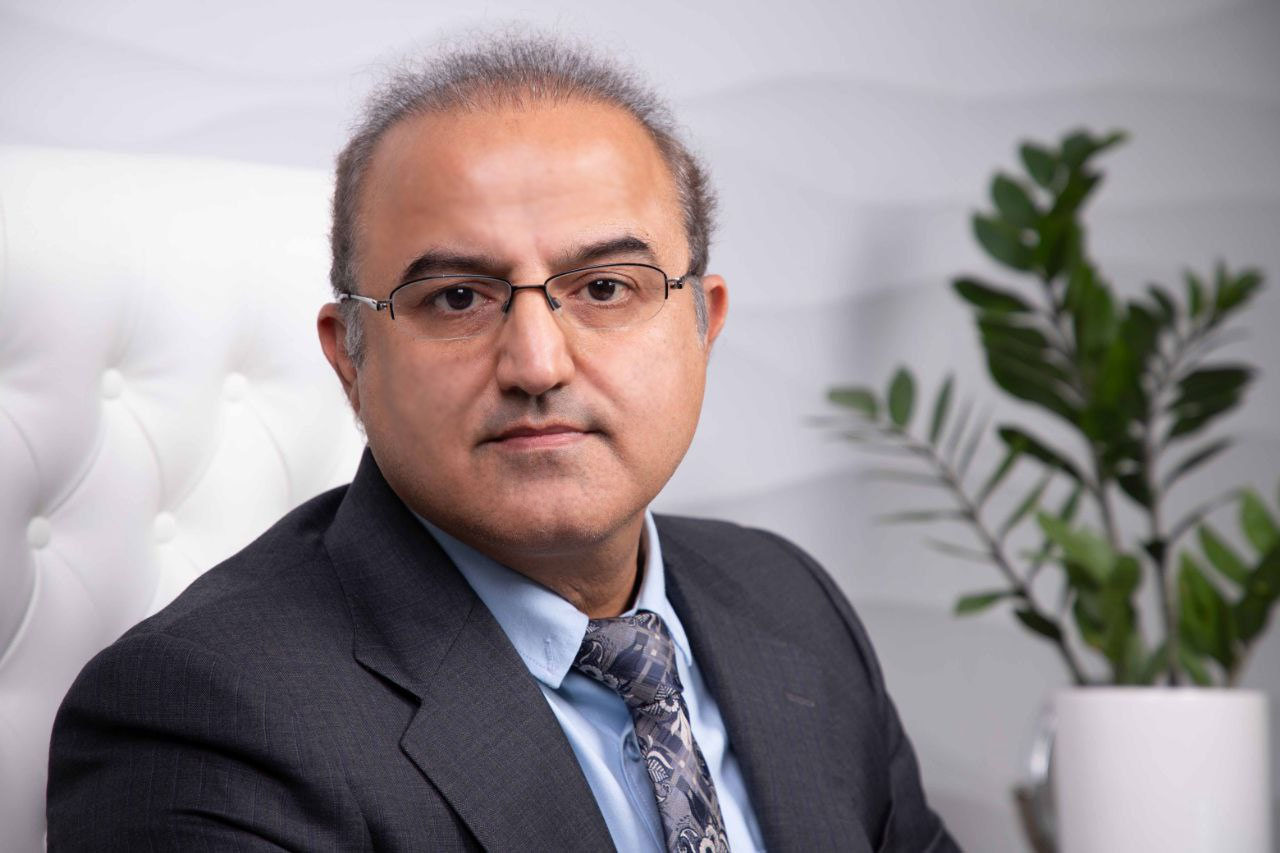
Ear, Nose and Throat specialist and rhinoplasty surgeon with more than 20 years of focused experience in cosmetic nose surgery.
Medical Specialty: Otolaryngology (Ear, Nose and Throat)
Job Title: Rhinoplasty Surgeon
Year Started Practicing: 1385
Experience in Rhinoplasty: 20 years of specialized experience
Number of Successful Rhinoplasty Procedures: 15,000 surgeries
Languages Spoken: Persian, English
Contact Information
Clinic Phone: 02188679068WhatsApp: 09126115922
Instagram: instagram.com/dr.hosnani
YouTube: YouTube Channel
Clinic Address
View location on Google Maps
Clinic Hours
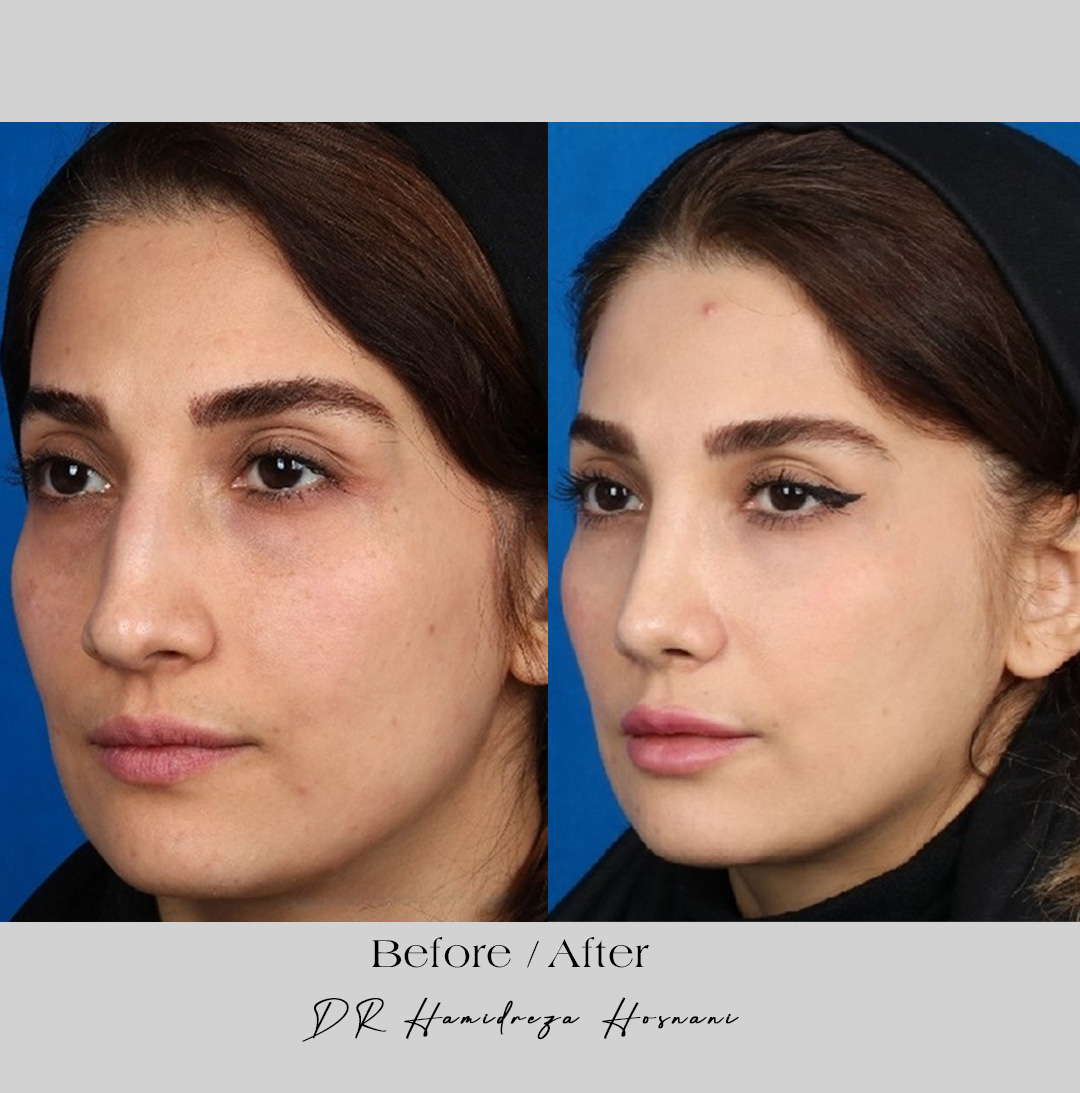
Portfolio: Before & After Photos
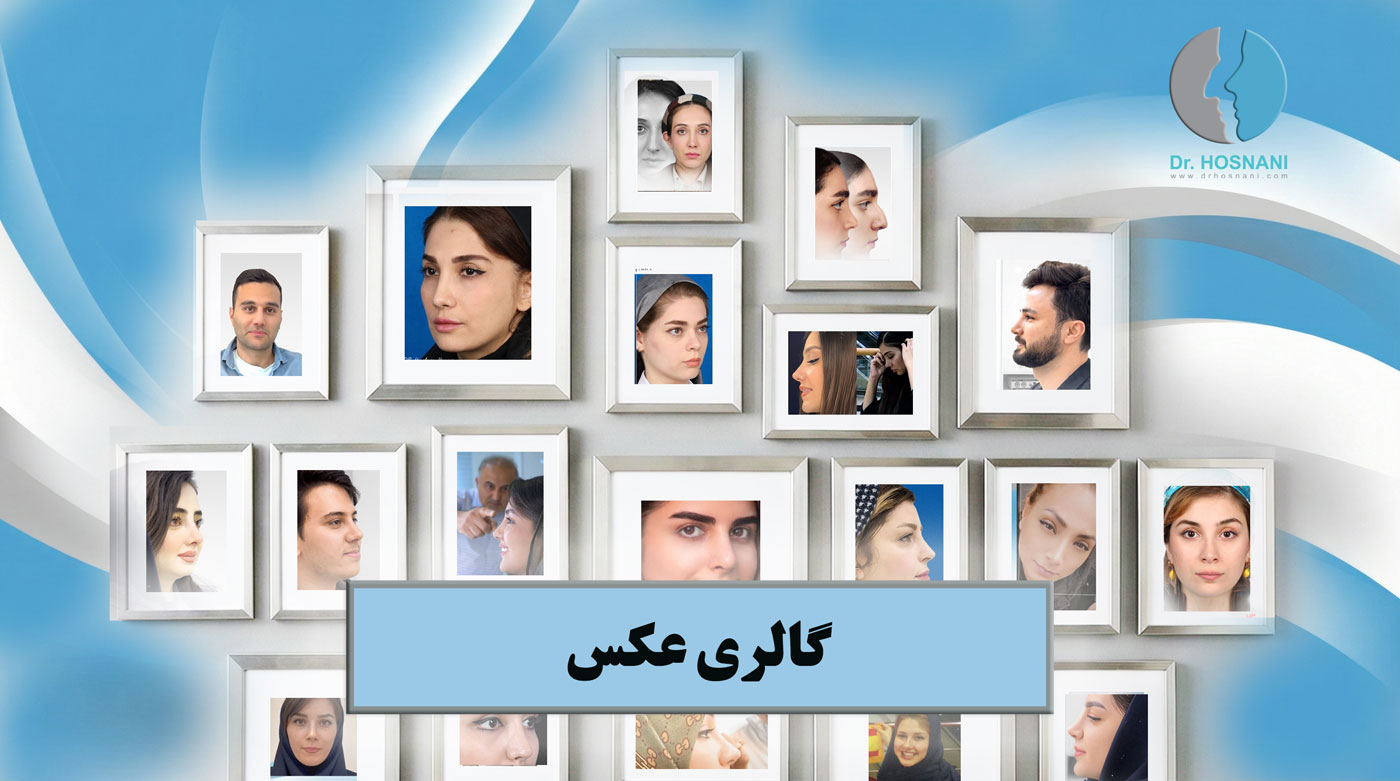
Portfolio: Before & After Videos
Portfolio: Revision Rhinoplasty
Patient Gallery

◆ Review the surgeon’s patient galleries for several months
◆ Follow their Instagram or other social media pages
◆ Study before and after results
◆ If possible, speak with previous patients
◆ Start with an online consultation and then an in‑person consultation
◆ Ultimately choose a surgeon you fully trust and who has strong experience in rhinoplasty.

Choosing the Rhinoplasty Technique
Rhinoplasty can be performed using different surgical techniques. The most common approaches include:◆ Open Rhinoplasty
◆ Closed Rhinoplasty
◆ Structural Rhinoplasty
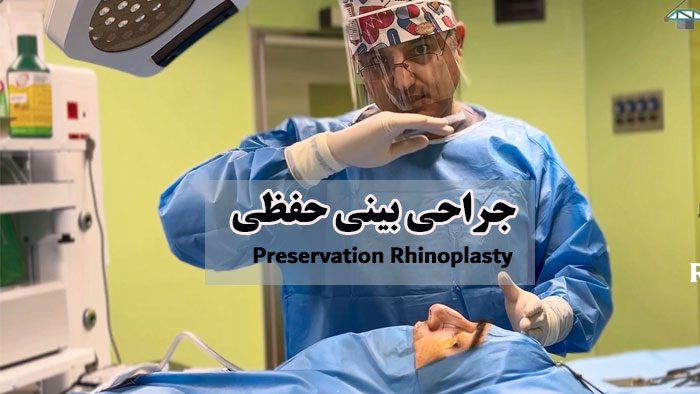
◆ Preservation Rhinoplasty
Some surgeons specialize in only one or two techniques. However, experienced surgeons such as Dr. Hamidreza Hosnani are usually skilled in multiple methods and select the most suitable technique depending on the patient’s nasal anatomy.
Open vs Closed Rhinoplasty
Open Rhinoplasty
In the open technique, a small incision is made in the columella (the strip of tissue between the nostrils). The skin of the nose is then lifted, allowing the surgeon to clearly see and reshape the nasal bones and cartilage. 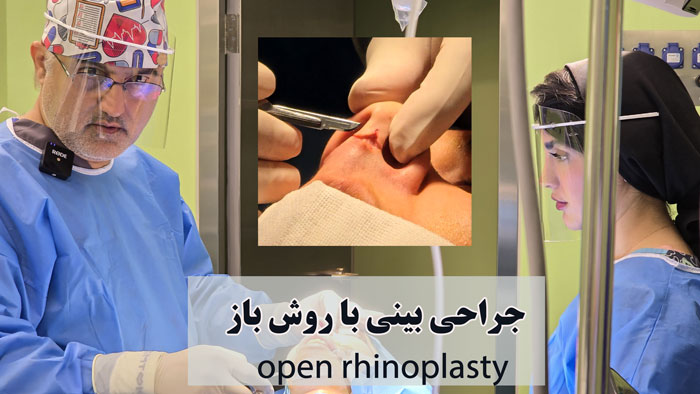
Closed Rhinoplasty
In the closed technique, all incisions are made inside the nostrils, leaving no visible external scar. The skin of the nose is not fully lifted, and access to the nasal structures is achieved through the nostrils. 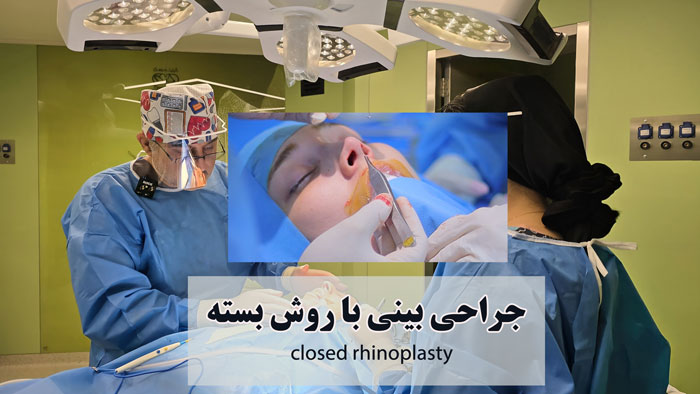
Structural vs Preservation Rhinoplasty
Structural Rhinoplasty
Structural rhinoplasty focuses on reinforcing the underlying framework of the nose. The goal is not simply to reduce the size of the nose but to create a stable and durable structure that preserves both aesthetic appearance and nasal function in the long term.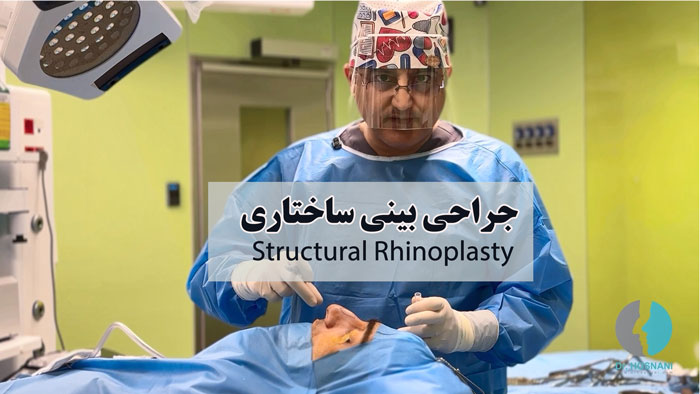
Preparing for Rhinoplasty
After selecting the surgeon and deciding to proceed with surgery, the preparation stage begins.Medical Tests and Imaging
Before surgery, patients usually undergo: ◆ Blood tests◆ CT scan if necessary
◆ Medical photography
These photographs are extremely important and serve as a surgical roadmap. Surgeons often refer to them during the operation to compare the original structure with the modifications being made.

Stopping Certain Medications
About one week before surgery, some medications should be stopped because they increase the risk of bleeding. Examples include: ◆ Ibuprofen◆ Anti‑inflammatory drugs
◆ Certain supplements
Aspirin is particularly important and should usually be discontinued at least two weeks before surgery.
Stopping Smoking
Smoking and tobacco use should be stopped at least one week before surgery and preferably avoided for two weeks afterward, since nicotine interferes with proper wound healing.The Night Before Surgery
The night before surgery it is recommended to: ◆ Eat a light dinner◆ Avoid food and drinks after midnight
◆ Take a full shower Because for about one week after surgery, bathing may be difficult.
The First Days After Rhinoplasty
After surgery, a nasal splint is placed over the nose, and a small nasal dressing is positioned under the nostrils. The splint usually remains on the nose for about one week and should be kept dry. Swelling typically begins the day after surgery and often reaches its peak around the second day before gradually decreasing. In the past, nasal packing or tampons were commonly used, but with modern techniques they are often unnecessary.Removing the Nasal Splint
About seven days after surgery, the patient returns to the clinic to have the splint removed. Usually patients are advised to take a shower beforehand so the splint becomes wet and easier to remove. Even after the splint is removed, the nose will still be swollen and the final shape will not yet be visible.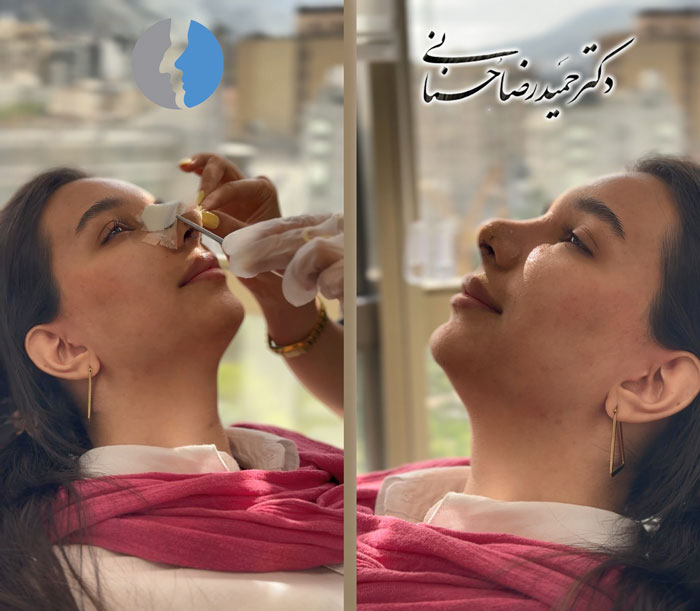
Reduction of Swelling
Swelling is usually most noticeable during the first two weeks and then gradually decreases. The duration of swelling depends on several factors: ◆ Skin thickness◆ Type of surgery
◆ Extent of surgical changes In some individuals swelling may persist for several months, and in thick‑skinned noses it may take up to a year or longer to fully resolve.
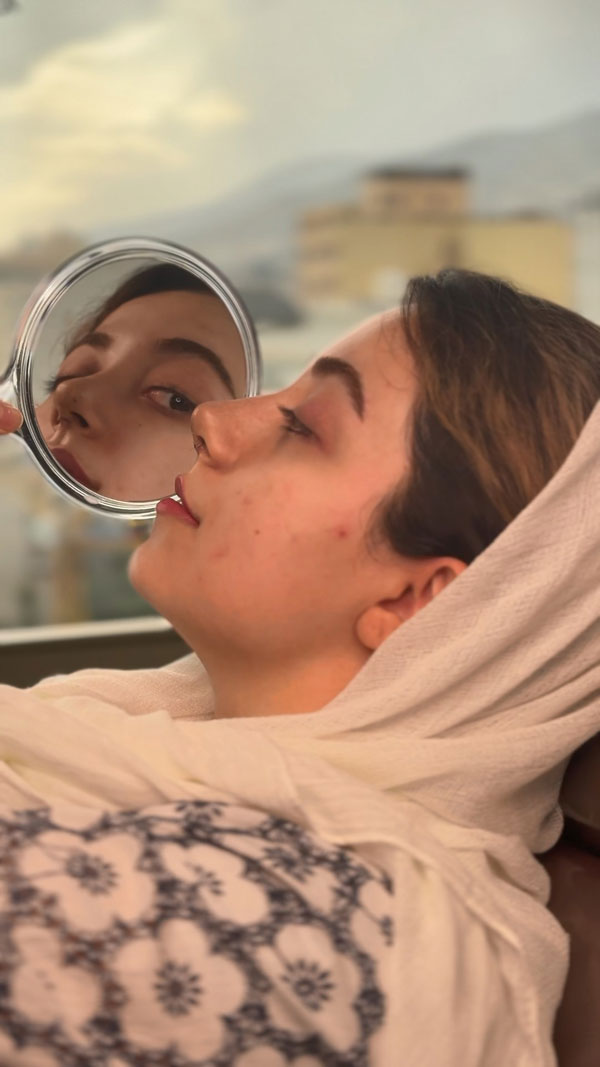
Minor Irregularities After Rhinoplasty
The final evaluation of rhinoplasty results is typically done about one year after surgery. If minor irregularities remain, the surgeon may recommend: ✔ Waiting longer for swelling to fully resolve✔ A minor corrective procedure
✔ Revision rhinoplasty In revision surgery, cartilage from the ear or rib cartilage may sometimes be required to rebuild the nasal structure.
Final Result
The final result of rhinoplasty usually becomes fully visible between 12 and 18 months after surgery. During the early months, noticeable swelling gradually subsides. By 3 to 6 months most of the swelling has decreased and the general shape of the nose becomes visible. However, small areas of swelling—especially in the nasal tip—may persist for longer. Over time the skin and soft tissues settle over the new nasal framework and the final refined shape appears. 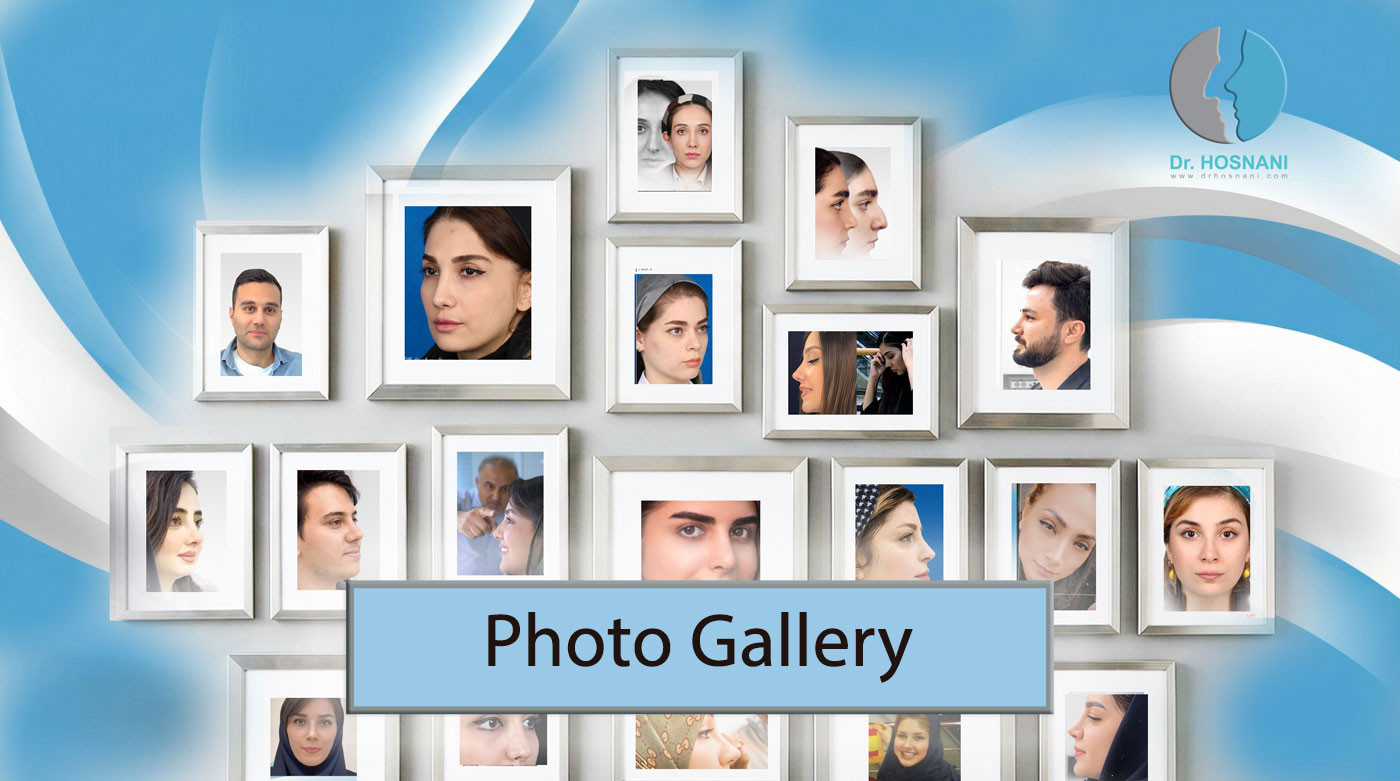
Summary
Rhinoplasty is a multi‑stage process that begins with the decision to undergo surgery and continues for months or even years afterward. Choosing the right surgeon, preparing properly before surgery, and carefully following post‑operative instructions all play a major role in achieving the best possible outcome.When patients enter this journey with realistic expectations and proper information, rhinoplasty can significantly improve not only appearance but also confidence and overall quality of life.