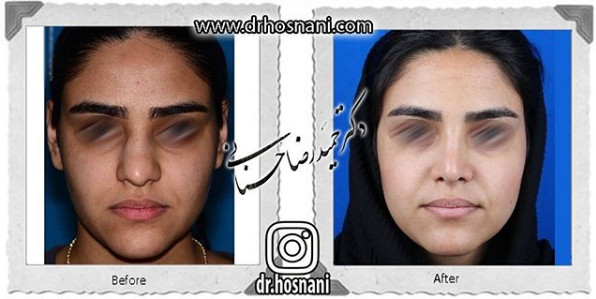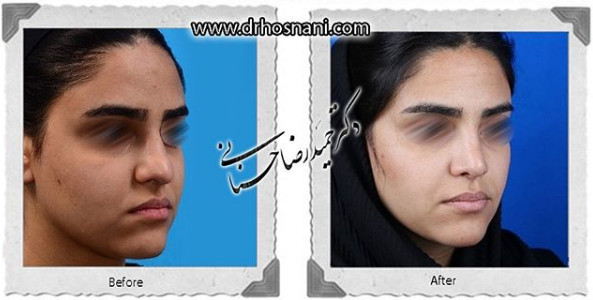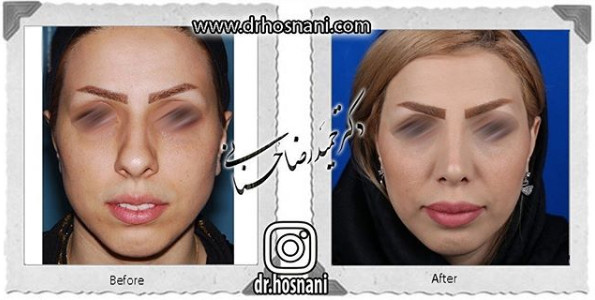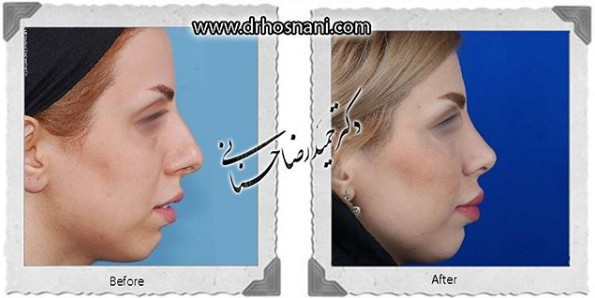




Fleshy Nose Rhinoplasty with Strong Cartilage
Dr. Hamidreza Hosnani
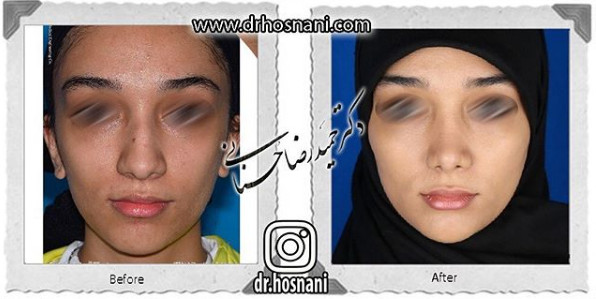
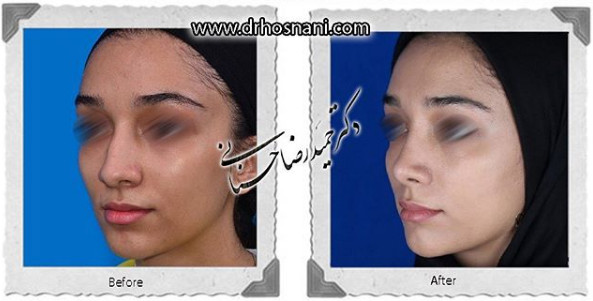
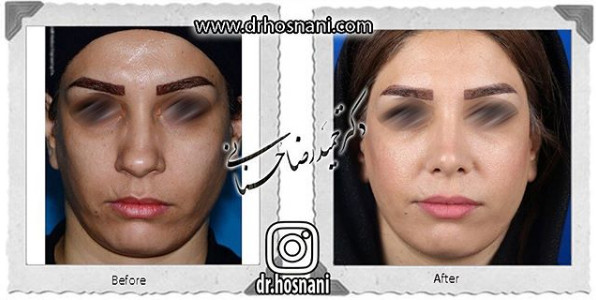
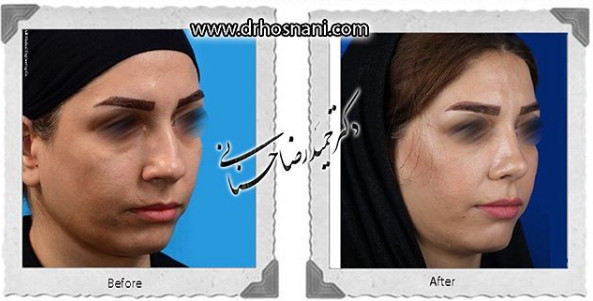
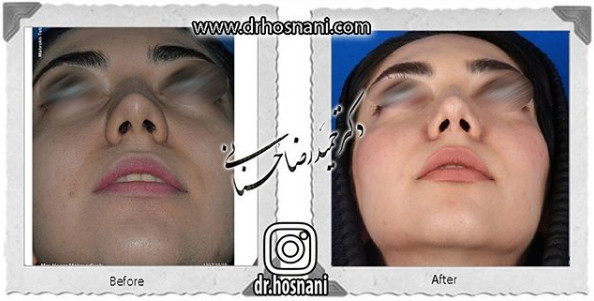
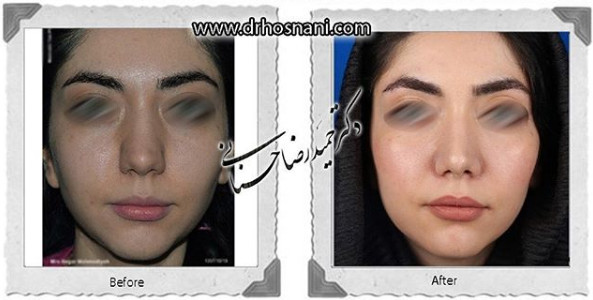
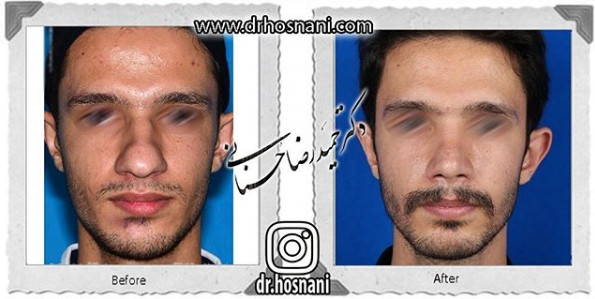
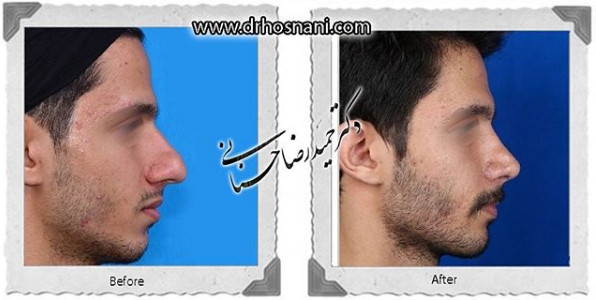
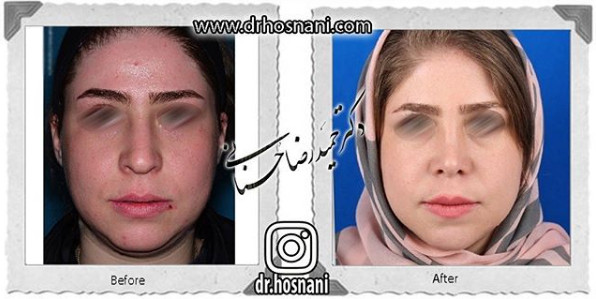
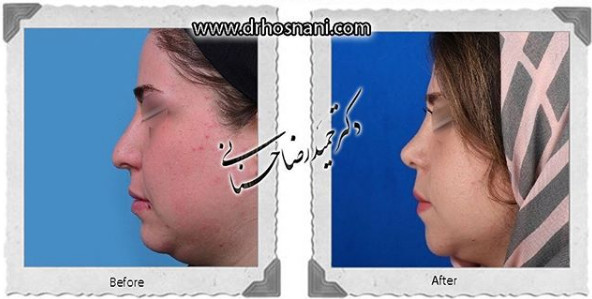
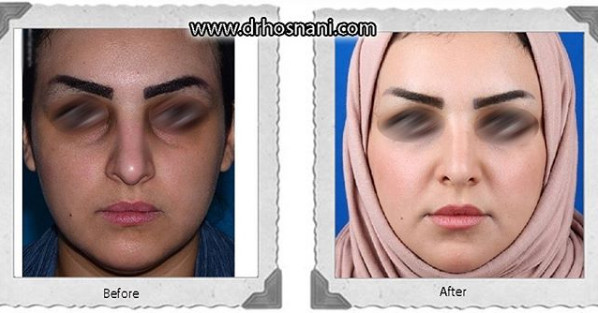
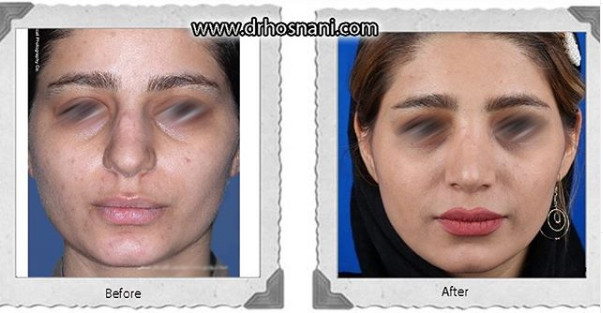
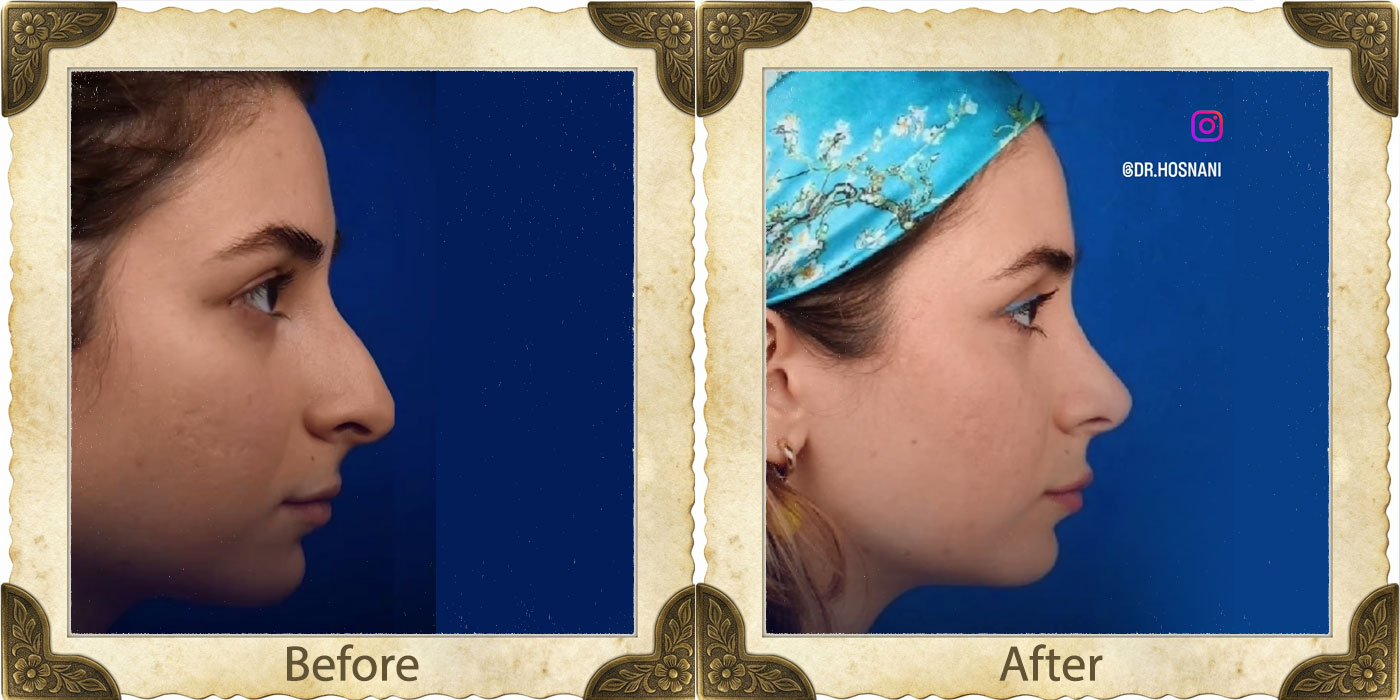
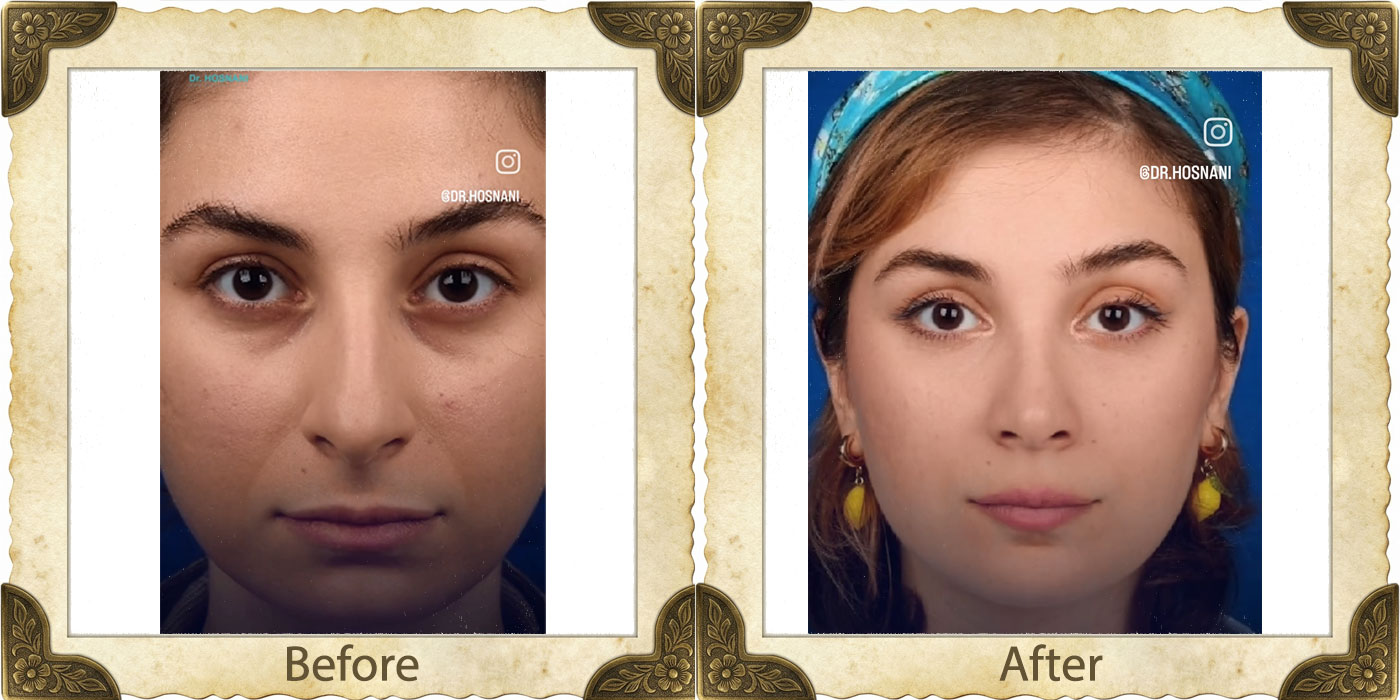
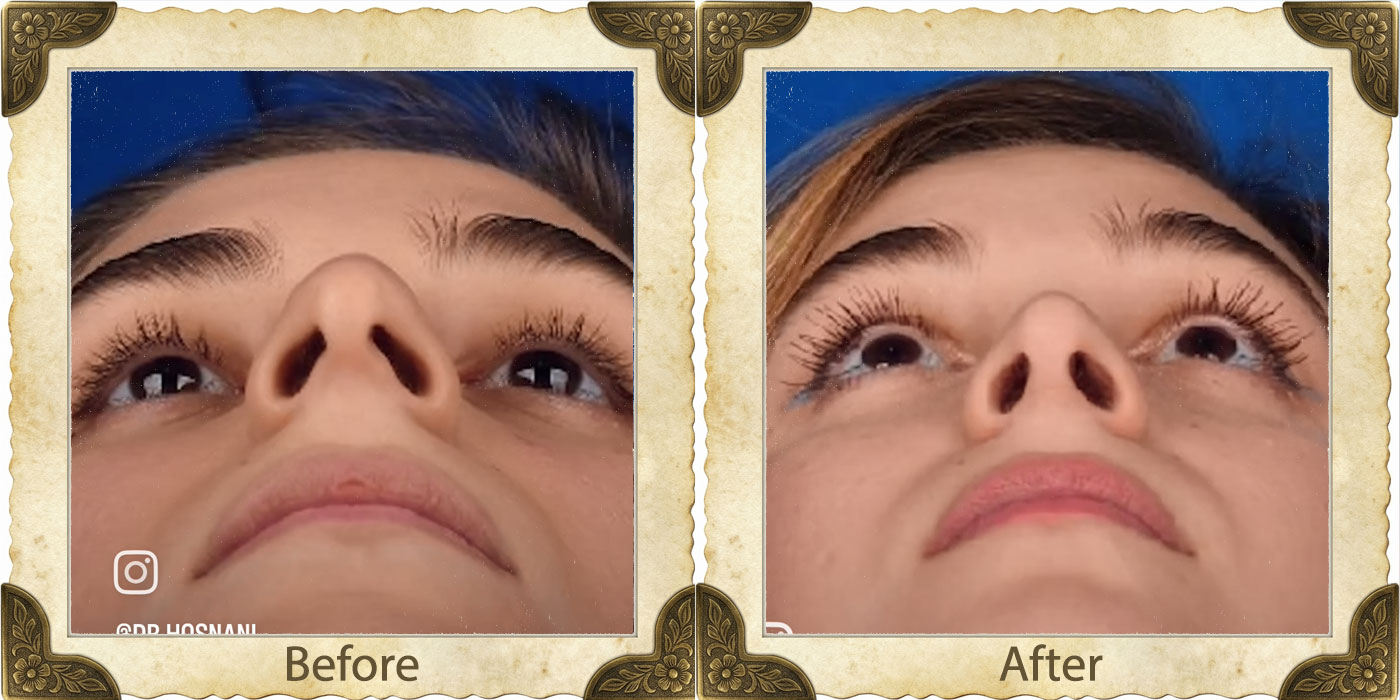
These types of noses have thick skin; therefore they are called fleshy noses. However, they have strong and sufficiently large cartilages. Unlike true fleshy noses, the skeletal framework of this type of nose is not weak. They are more responsive to shaping compared to true fleshy noses, and the surgical results are usually better. They are typically operated on using the structural technique. The nose shape becomes natural and stable. However, expecting a very fantasy‑style or doll‑like nose in such individuals is not very realistic. The nasal tip can be reinforced, and excessive reduction is avoided.

The human nose is not merely divided into "fleshy" (meaty) and "bony" groups. In fact, many noses possess hybrid characteristics; for instance, a person may have thick skin but strong cartilage, or conversely, thin skin with a medium skeletal structure. For this reason, accurate diagnosis of the nose type is of paramount importance in rhinoplasty.
Today, rhinoplasty surgeons classify nasal form primarily based on two main factors:
- Skin thickness
- Strength of the cartilage and nasal skeleton
Based on this, noses can be divided into four main groups:
- Fleshy nose with weak cartilage
- Fleshy nose with strong cartilage
- Cartilaginous nose with thick skin
- Classic cartilaginous nose (thin skin)
In this article, we examine fleshy noses with strong cartilage and observe the surgical approach of Dr. Hosnani, a top rhinoplasty surgeon in Tehran, when dealing with these types of noses.
Fleshy Noses with Strong Cartilage
This group is often confused with purely "fleshy" noses because they possess thick skin; however, unlike a true fleshy nose, their cartilages are strong and firm.
Characteristics:- Thick skin
- Relatively rounded nasal tip
- Strong cartilages
- Sturdy nasal skeleton
- Lower risk of drooping
In this type of nose, the surgeon has more room to maneuver because the underlying nasal structure is not weak. Many people who believe they have a completely "fleshy" nose actually fall into this category.
Is thick skin always a disadvantage?
No. Thick skin has both its advantages and disadvantages.
Advantages of thick skin:
✔ Hiding minor irregularities✔ A more natural-looking nose
✔ Subtle flaws are less visible
Disadvantages of thick skin:
❌ Prolonged swelling❌ Limited refinement of the nasal tip
❌ Longer wait to see the final result

The importance of correct nose type diagnosis
Many patients have a misconception about their nose type. Sometimes an individual thinks their nose is purely "fleshy," when they actually only have thick skin and strong cartilage.
Accurate diagnosis is crucial because it:
- Determines the surgical technique.
- Defines the extent of possible changes.
- Influences the prediction of the result.
- Helps manage patient expectations.

Video: Don't leave the consultation session before asking these important questions
During the pre-surgical consultation, the patient should ask the surgeon three key questions: First, whether the nose is bony or fleshy, as this affects the surgical method and final outcome. Second, prioritize breathing and ask if nasal respiratory function might be compromised after surgery. Third, the patient should ask for the surgeon's professional opinion on whether a natural or semi-fantasy nose shape would better suit their facial features to ensure the best aesthetic harmony.
The role of new surgical techniques
In the past, rhinoplasty focused primarily on reducing the size of the nose, but today, a key principle in modern rhinoplasty is the "preservation and reinforcement of the nasal structure."
For thick-skinned noses, the surgeon typically uses:
-
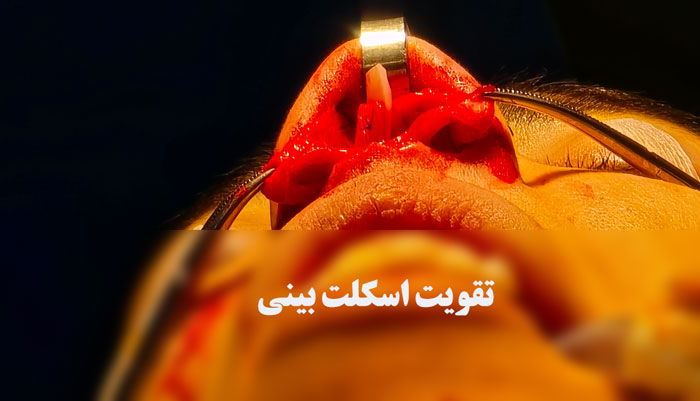
✔ Strengthening the nasal tip cartilage
✔ Cartilage grafts
✔ Structural techniques
✔ Maintaining nasal strength
These methods are employed to ensure the result is both more natural and more durable.
Click to view
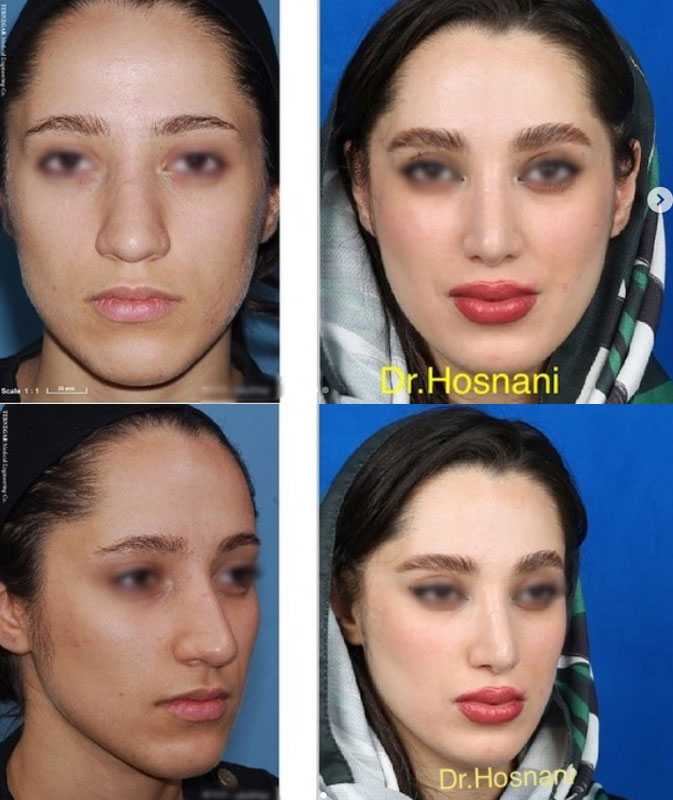
Photo Gallery: Before and after, Fleshy noses with strong cartilage