




Cortisone Injection into the Nose After Surgery
Dr. Hamidreza Hosnani
ENT Specialist | Rhinoplasty Surgeon in Tehran | Nose Surgery Specialist
Sometimes after rhinoplasty, certain areas of the nose develop swelling or fibrosis beyond the normal range. Injecting corticosteroids into those areas helps the swelling disappear quickly and prevents the progression of fibrosis. To reduce swelling, a corticosteroid injection may be given about one week after surgery to ensure that the gentle curvature that should appear on the nasal bridge—especially in female noses—is preserved if swelling occurs in that area.
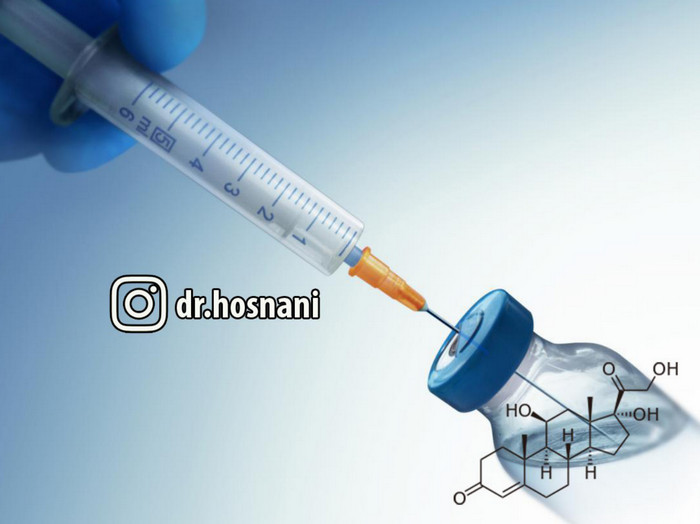
What Is Cortisone?
Cortisone refers to a group of hormones that are naturally produced in the body by the adrenal glands. These hormones play an important role in regulating the immune system and reducing inflammation. In certain medical conditions where the immune response becomes excessive—such as autoimmune or rheumatic diseases—cortisone‑based medications are used to control inflammation.Cortisone medications are very effective, but when taken in high doses or for long periods they may cause side effects such as weight gain, stomach ulcers, osteoporosis, acne and excessive hair growth, cataracts, high blood pressure, mood changes, depression, increased susceptibility to infections, and in rare cases even cancer.
Despite these potential side effects, very small amounts of cortisone are sometimes used to reduce post‑rhinoplasty swelling. When cortisone is injected locally in small doses only into the nose and at intervals of several months, it usually does not cause systemic side effects.
In such cases, the only possible side effect that may occasionally occur is thinning of the skin or a slight depression at the injection site.
Video The Truth About Cortisone Injections After Rhinoplasty | Dr. Hosnani
Video Description
Are you concerned about cortisone injections following your nose surgery? In this video, Dr. Hosnani clarifies why cortisone is used, specifically for patients with thick-skinned or "fleshy" noses to help reduce swelling faster. He addresses common fears regarding systemic side effects like osteoporosis or diabetes, explaining why the localized, minimal dosage used in rhinoplasty poses no such risks. Dr. Hosnani also discusses the timing of the procedure and safety considerations to ensure a smooth recovery.
Cortisone Injection After Rhinoplasty
Sometimes after rhinoplasty, certain parts of the nose may develop swelling or fibrosis beyond the normal healing process. Injecting cortisone into these areas can help reduce the swelling more quickly and prevent further fibrosis.In some cases, the injection may need to be repeated several times at specific intervals to achieve the desired aesthetic result.
Contrary to common belief, localized cortisone injections in the nose generally do not produce the systemic side effects associated with cortisone medications and therefore should not be a cause for concern when used appropriately.
Usually about one week after surgery, cortisone injections may be recommended for patients with thick‑skinned or “fleshy” noses because these noses are more prone to prolonged swelling. In contrast, swelling in thin‑skinned or bony noses typically resolves more quickly and usually does not require cortisone injections.
For thick‑skinned noses, the injection may be performed two or three times at intervals of about one month. This procedure requires great precision and must be performed by a physician.
The injection must be placed deep within the tissue. If it is injected too superficially under the skin, it may lead to skin atrophy or thinning. Thinning of the skin can make the underlying structures visible, which is not aesthetically desirable and may also make the skin more prone to injury.
Improper or superficial injections may even cause discoloration of the nasal skin, creating a difference between the color of the nose and the surrounding facial skin. For this reason, cortisone injection is a delicate and highly specialized procedure that should only be performed by an experienced surgeon.
When done correctly, cortisone injection can help control swelling and preserve the aesthetic contour of the nose.

Cortisone injection after rhinoplasty is usually safe when performed by the surgeon with the correct diagnosis and appropriate dosage. It is used to reduce resistant swelling, especially in fleshy noses or in firm and raised areas.