




Am I a Good Candidate?
Dr. Hamidreza Hosnani
Anyone who has a significant cosmetic concern or a functional problem with their nose can consider rhinoplasty. A large nose, crooked nose, or nasal hump can sometimes attract so much attention that individuals may even become the subject of teasing by others.

• Another factor is whether the aesthetic concern has affected the person's self‑confidence or has created difficulties in their professional or social life.
• It is also important to ensure that the individual does not suffer from psychological disorders or personality disorders. For certain personality types—such as narcissistic, perfectionist, or obsessive personalities—cosmetic surgery may lead to dissatisfaction and negative outcomes.
• In some cases, individuals may decide to undergo surgery due to pressure from friends, family members, or social competition. In such situations, surgery may not provide real benefits. Ultimately, after considering all relevant factors, both the patient and the surgeon should conclude that cosmetic rhinoplasty can be beneficial and can improve the patient’s quality of life. When this understanding exists, the surgery is far more likely to result in satisfaction for both the surgeon and the patient.
Who Is a Good Candidate for Rhinoplasty?
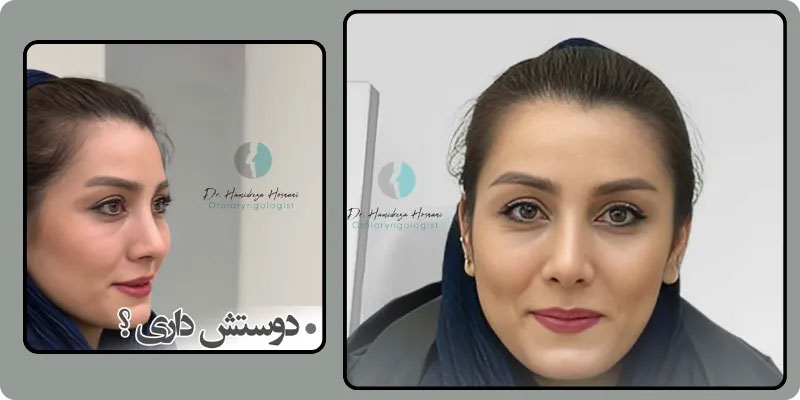
In general, people who have significant aesthetic concerns or functional nasal problems may be good candidates for rhinoplasty. For example, individuals with a crooked nose, a noticeable hump on the nasal bridge, or a nose that appears excessively large compared with their facial features may benefit from surgery. In some cases, the appearance of the nose may even lead to teasing or social discomfort. There are also people whose nasal appearance significantly reduces their self‑confidence and affects their social interactions. Rhinoplasty can be helpful for these individuals. On the other hand, people who have a normal nose or only very minor aesthetic concerns are usually not advised to undergo cosmetic surgery.In cases where there is only a small hump, mild drooping of the nasal tip, or slight asymmetry in the nasal appearance, a more detailed evaluation is needed before deciding whether surgery is appropriate.
Today, cosmetic nose surgery—known as rhinoplasty—has become one of the most popular cosmetic procedures worldwide. Many people seek rhinoplasty to improve the appearance of their nose and enhance the harmony of their facial features. However, an important question remains: is this procedure necessary for everyone?
An Interesting Consultation with Dr. Hosnani
A young and attractive woman with an already beautiful nose visited Dr. Hosnani for rhinoplasty consultation. She hoped that surgery might make her face even more attractive. However, after a careful examination, the doctor told her:
“I do not recommend surgery for you. Your nose has no significant issues and does not require an operation.”
This response reflects the surgeon’s professional integrity and ethical responsibility. Dr. Hosnani performs rhinoplasty only for patients whose noses truly have correctable issues and where surgery can realistically produce a meaningful improvement.
Who Is Not a Good Candidate for Rhinoplasty?
According to Dr. Hosnani, rhinoplasty may not be beneficial for two groups of people:
- Individuals whose noses are already normal but who seek surgery due to excessive perfectionism, anxiety, or social pressure.
- Individuals whose noses have certain problems but cannot be effectively improved with current surgical techniques.
On the other hand, rhinoplasty often produces excellent results in the following cases:
- Bony noses: Because of thinner skin and stronger cartilage, these noses usually respond very well to surgical reshaping.
- Some thick‑skinned noses: If the nasal framework is sufficiently strong and the skin thickness is moderate, surgery can still improve the nasal shape significantly.
Conclusion
Rhinoplasty is an important decision that should be based on real needs and careful consultation with an experienced and responsible surgeon. Before choosing surgery, it is essential to discuss your expectations with your doctor and ensure that the procedure will truly benefit you. Your facial harmony and health are far more valuable than making a change that may not be necessary.