




Swimming After Rhinoplasty
Dr. Hamidreza Hosnani
ENT Specialist | Rhinoplasty Surgeon in Tehran | Nose Surgery Specialist
Swimming is prohibited for one month after rhinoplasty. After one month, you may swim in a pool, but diving should be avoided for up to six months. Diving can be dangerous, so it is recommended to avoid it during this period.
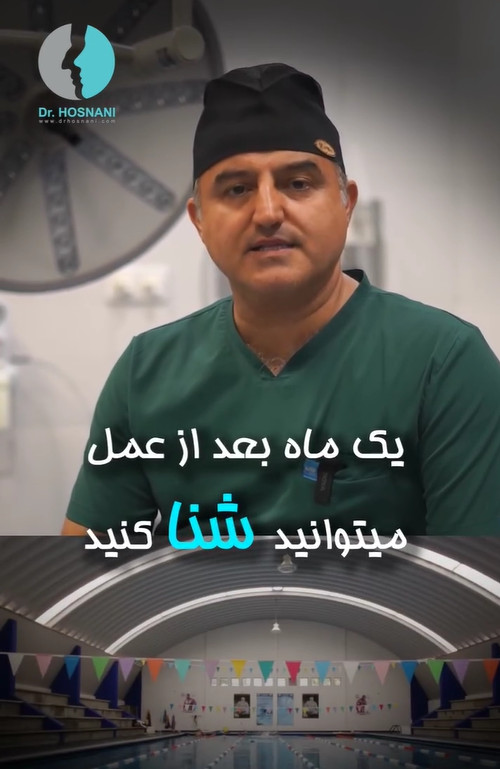
According to Dr. Hosnani, You Can Swim One Month After Rhinoplasty, but Diving Should Be Avoided for Six Months
Swimming After Rhinoplasty: When Is It Safe to Return to the Pool?
Swimming is one of the most popular and beneficial forms of exercise for overall health. However, returning too soon to the pool or the sea after nose surgery (rhinoplasty) can pose risks to the healing process. After surgery, the nose is still recovering, and the bones, cartilage, and internal tissues have not yet fully stabilized.For this reason, physicians usually advise patients to avoid swimming, diving, and prolonged exposure to water for a period of time. Observing these restrictions helps reduce nasal swelling and allows the new nasal structure to stabilize without damage.
Why Is Swimming Prohibited Immediately After Rhinoplasty?
During the first weeks after rhinoplasty, the internal and external tissues of the nose are highly sensitive. Any pressure, impact, or contamination may disrupt the healing process and may even lead to complications such as prolonged swelling or infection.Swimming during this period may create risks that many patients do not initially consider.
Water Pressure and the Risk of Displacing Nasal Cartilage
After rhinoplasty, the nasal cartilage and bones have been placed in a new position, but they are not yet completely fixed. Water pressure while swimming or submerging the head can exert force on the nose.In some cases, this pressure may cause slight displacement of the corrected structures or increase nasal swelling, especially if the person returns to swimming earlier than recommended.
The Risk of Accidental Impact (Ball or Collision With Other Swimmers)
Pools are crowded environments, and there is always a possibility of colliding with other swimmers or sports equipment such as a ball. Even a relatively mild blow to the operated nose can cause pain, swelling, or damage to the healing structure.In some cases, trauma to the nose during the recovery period may affect the surgical outcome.
The Possibility of Infection in Internal and External Wounds
After rhinoplasty, there may still be small wounds inside the nose or at the incision sites. Contact between these areas and pool or seawater may increase the likelihood of bacterial entry and infection.Although pool water is usually disinfected, it may still contain microorganisms that are not suitable for fresh wounds.
The Effect of Pool Chemicals (Chlorine) on the Inflamed Nasal Mucosa
Chlorine and other chemicals used to disinfect pool water may irritate the nasal mucosa. After surgery, the internal tissues of the nose are more sensitive than normal.Exposure to these substances may cause burning, dryness, or increased inflammation inside the nose and may slow the healing process.
The Permissible Timeframe for Swimming After Rhinoplasty
The right time to resume swimming after nose surgery depends on the individual’s healing process, the type of surgery, and the surgeon’s opinion. However, physicians usually consider specific timeframes for restricting water-related activities.The First Weeks After Surgery: Complete Prohibition
During the first few weeks after rhinoplasty, swimming is strictly prohibited. In this period, the nose is still very sensitive, and there is a risk of swelling, infection, or structural damage.At this stage, it is best to avoid any activity that increases pressure on the face or allows water to enter the nose.
From the First to the Third Month: Necessary Precautions and Restrictions on Strenuous Activities
Between one and three months after surgery, the condition of the nose usually becomes more stable, but caution is still necessary. In some cases, the physician may allow lighter activities, but swimming in crowded environments or engaging in intense water sports is still restricted.The goal at this stage is to prevent impact, pressure, or excessive irritation to the nose.
After Three Months: Gradual Return to Water Sports
A few months after surgery, many individuals can gradually return to swimming. At this stage, the nasal bones and cartilage have usually achieved greater stability.However, it is still better to resume water activities gradually, and if pain or swelling occurs, the activity should be stopped.
The Difference Between Swimming in a Pool and Swimming in the Sea
The type of aquatic environment can also affect the healing process of the nose after surgery. Pools and the sea differ from one another in terms of water composition and the likelihood of contamination.The Challenges of Saltwater and Possible Sea Contaminants
In addition to salt, seawater may contain microorganisms, suspended particles, and environmental pollutants. Direct contact between this water and fresh wounds may increase the risk of irritation or infection.Sea waves and water movement may also increase the risk of impact or pressure on the nose.
The Effect of Pool Chlorine on the Healing Process of Sutures and Nasal Skin
Pools are usually disinfected with chlorine. Although this substance helps reduce germs, it may cause dryness and irritation of the skin or nasal mucosa.In individuals who are still in the early stages of healing, this irritation may cause a burning sensation or inflammation.
Are Other Water Activities Such as Diving Permitted?
Even after returning to swimming, some water activities may not be suitable for an operated nose, especially activities that place sudden pressure on the face.Why Is Diving Extremely Dangerous for a Surgically Altered Nose?
Diving causes the face to strike the surface of the water forcefully and creates sudden pressure. This force can damage a nose that is still stabilizing.For this reason, it is usually recommended to avoid diving for a considerable period after surgery.
Sinus Pressure and Its Effect on Breathing After Surgery
Deep water activities or pressure changes in water can create pressure in the sinuses. After rhinoplasty, the sinuses and airways may still be sensitive.This pressure may cause discomfort, nasal congestion, or worsening swelling.
Necessary Precautions When Returning to Swimming
After an appropriate amount of time has passed and with the physician’s approval, one may gradually return to swimming. Observing a few simple precautions can help protect the nose at this stage.Using Protective Equipment (If Recommended by the Physician)
In some cases, the physician may recommend the use of protective equipment or avoiding high-risk activities in the pool in order to reduce the likelihood of impact to the nose.The purpose of these measures is to protect the nasal structure until it is fully stabilized.
The Importance of Rinsing the Nose After Swimming
After swimming, it is advisable to clean the nose with rinsing solutions such as saline. This can help remove pool chemicals or particles present in the water.Gentle nasal rinsing also helps maintain mucosal moisture and reduce irritation.
Important Notes About Using Sunscreen on the Nose
After surgery, the skin of the nose is more sensitive to sunlight. If swimming takes place outdoors, applying a suitable sunscreen to the nose is very important.This can help prevent skin discoloration or irritation in the surgical area.