




Facial Laser Treatment After Rhinoplasty
Dr. Hamidreza Hosnani
ENT Specialist | Rhinoplasty Surgeon in Tehran | Nose Surgery Specialist
For up to six months after rhinoplasty, the nasal skin has not fully returned to its normal condition, so laser treatments should not be performed directly on the nose. However, from about two months after surgery, laser treatments can be performed on other areas of the face as long as the nasal skin is protected.
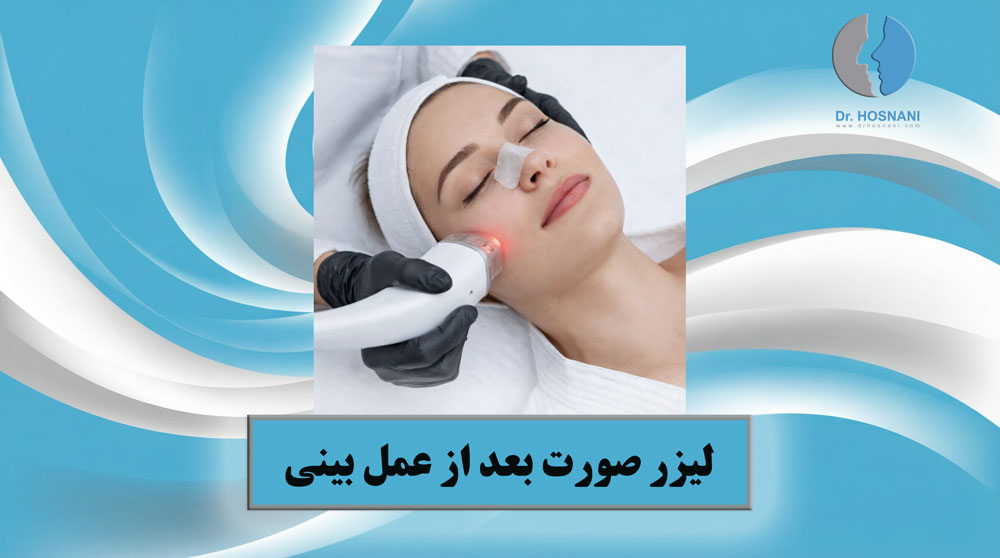
Laser Therapy and the Rhinoplasty Recovery Process
With the rapid advancement of dermatological technologies, laser therapy has become a cornerstone of skin rejuvenation, addressing concerns ranging from hyperpigmentation and acne scarring to texture refinement. Many patients who undergo rhinoplasty often inquire about incorporating these treatments into their post-operative skincare routines. However, the nasal region remains in a delicate state of remodeling for several months after surgery, necessitating a careful, time-sensitive approach to avoid interfering with the recovery process.Post-operative Skin Alterations
The Healing Physiology of the Nose
During rhinoplasty, the skin is carefully separated from the underlying structural framework of cartilage and bone before being redraped over the new nasal architecture. This procedure triggers a physiological response involving several temporary changes to the nasal envelope:• Persistent edema and fluid retention in the tissues
• Increased dermal sensitivity
• Temporary disruption of localized microcirculation
• Reduced skin thickness and elasticity
• An elongated healing timeline for the skin itself
Consequently, the nasal skin remains significantly more vulnerable during the initial months following surgery than in its pre-operative state.
Applications of Facial Laser Therapy
Versatility of Modern Lasers
Laser therapy is utilized for a broad spectrum of aesthetic and therapeutic goals, including:• Reduction of hyperpigmentation and dark spots
• Diminishing the appearance of acne scarring
• Treatment of active acne
• Mitigation of redness and vascular inflammation
• Minimization of enlarged pores
• Texture and tone improvement
While these treatments are often applied across the entire face, patients must recognize that the nose represents a unique anatomical zone post-rhinoplasty.
Risks of Early Laser Intervention
Physiological Impact on Healing Tissues
Utilizing laser energy in the early months post-surgery poses specific risks. Laser therapy operates by delivering focused thermal energy to the dermis, which can inadvertently exacerbate inflammation in tissues that have not yet fully stabilized. As Dr. Hosnani notes:"During the critical window of early recovery, the nasal skin is metabolically active and fragile. Introducing high-intensity thermal energy prematurely can disrupt the delicate equilibrium of tissue repair and lead to prolonged swelling."
Strategic Timing for Skin Treatments
Establishing a Safe Timeline
Generally, facial laser treatments targeting areas such as the forehead, cheeks, or jawline can be safely resumed approximately two months post-surgery. During these sessions, however, strict avoidance of the nasal region is required to prevent accidental exposure to the laser light.In these instances, laser therapy may safely address:
• Cheeks
• Forehead
• Chin
• Perioral area (around the mouth)
It is highly recommended that the nasal region remain excluded from the treatment field during this phase.
Why Protection of the Nasal Region Is Vital
Maintaining the Surgical Outcome
Even when the laser is directed toward other facial zones, protecting the nasal skin is paramount. This prevents unnecessary heat transfer, reduces the likelihood of localized irritation, and supports the continuation of the natural skin healing cycle. According to the experience of Dr. Hosnani:"Shielding the nasal tissues from even incidental laser light is a necessary precaution to ensure that no secondary irritation compromises the final surgical contour or induces unnecessary swelling."
Resuming Direct Nasal Laser Treatment
Criteria for Direct Intervention
Direct laser treatment on the nasal skin should be deferred until at least six months post-surgery. This buffer period is essential to allow the skin to fully adapt to its new structure, ensure that edema has sufficiently resolved, and allow the vascular network to return to normal function. Once this period has elapsed, laser treatments can be discussed with your specialist, provided the skin is assessed as sufficiently recovered.Pre-treatment Guidelines
Preparing for Your Consultation
If you are planning to incorporate laser therapy following your rhinoplasty, please adhere to the following safety protocols:• Consultation: Always seek approval from your primary surgeon or a board-certified dermatologist before proceeding.
• Communication: Explicitly inform the laser clinic about your rhinoplasty history and the date of your procedure.
• Vigilance: Ensure the practitioner uses protective measures to prevent accidental laser contact with the nose.
• Postponement: If you notice any residual swelling or unusual sensitivity, it is best to delay treatment.
• Sun Protection: Maintain rigorous UV protection for your skin to avoid hyperpigmentation post-laser.
As experienced surgeons like Dr. Hosnani advise:
"Maintaining open communication between your laser technician and your primary surgeon is the single most effective way to ensure safety and aesthetic success."