




Shiny Nasal Skin After Cosmetic Rhinoplasty
Dr. Hamidreza Hosnani
ENT Specialist | Rhinoplasty Surgeon in Tehran | Nose Surgery Specialist
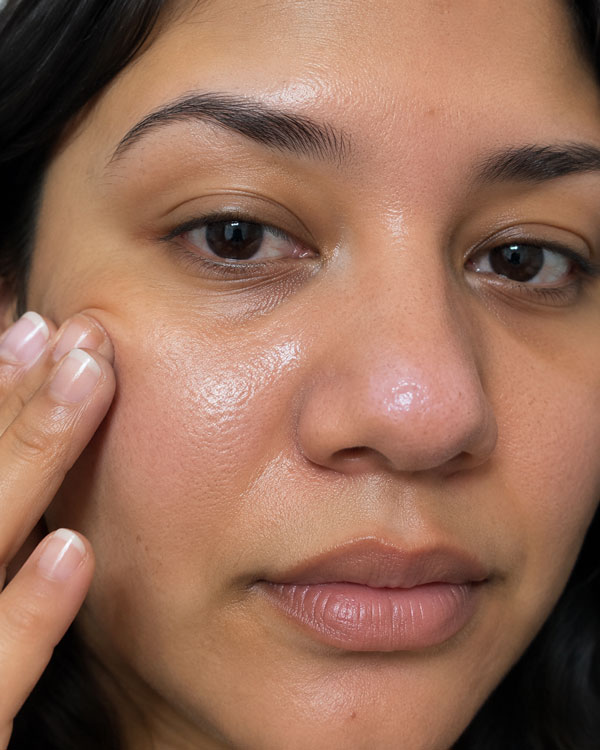
The skin of the nose after rhinoplasty may appear temporarily shiny or oily, which usually happens for the following reasons: Rhinoplasty may temporarily stimulate the skin's sebaceous glands. Some people notice their nose skin is oilier than before, which can also cause shine. This situation usually disappears when the skin returns to its normal state (3 to 6 months later).

In cosmetic nasal surgery, the nasal skin is separated from the underlying framework and then repositioned after the structural corrections are made. If this separation is performed in the correct surgical layer, skin damage is minimized. However, a shiny appearance of the skin after rhinoplasty does not necessarily indicate an error or injury and can occur even in very precise surgeries. This phenomenon is usually related to the skin’s natural response to surgery, including mild inflammation, a temporary increase in sebaceous gland activity, transient thinning of superficial skin layers, and individual skin characteristics, particularly in oily or thick skin types. In most cases, this condition gradually resolves over several months.
Shiny Nasal Skin After Rhinoplasty
A Common Postoperative Observation
Many individuals who undergo rhinoplasty notice that the skin of the nose appears shinier during the weeks or months after surgery. This change often causes concern at first, especially when patients are carefully observing every stage of recovery. Fortunately, in the overwhelming majority of cases, this appearance is a common, harmless, and entirely temporary part of the healing process.Why This Change Usually Does Not Indicate a Problem
The nose passes through several visible and invisible adjustments after surgery. As the skin adapts to the new framework beneath it, temporary changes in texture, oil production, light reflection, and surface tension may all make the nasal skin look smoother or more reflective than usual.According to Dr. Hosnani, postoperative shine of the nasal skin is usually a benign and temporary response of the skin to healing, rather than a sign of surgical failure or long-term damage.
What Causes the Nose to Look Shiny After Surgery?
Thinning of the Superficial Skin Layers
During rhinoplasty, the tissues beneath the skin are carefully adjusted in order to reshape the nose. As a result, the superficial layers of the skin may become temporarily more delicate or reactive. This subtle thinning can increase the reflection of light and create a visibly shiny appearance on the surface of the nose.Increased Blood Flow and Mild Inflammation
Surgery naturally leads to increased circulation and a controlled degree of inflammation in the treated area. This normal healing response may cause the skin to appear more polished, slightly redder, and somewhat more sensitive than before. These effects are typically temporary and gradually diminish as recovery progresses. 
Removal of Nasal Skin Is Performed with V‑Shaped Incisions Under the Nose
Temporary Increase in Sebaceous Activity
In some patients, the sebaceous glands become more active for a period after surgery. This may occur because the skin has been temporarily stimulated and its normal balance has been disrupted. The result can be a mild increase in oil production, which in turn makes the skin appear shinier than usual. This tends to be more noticeable in individuals with oily skin or thicker nasal skin.The Influence of Skin Thickness and Skin Type
Patients with thicker skin often experience a slower period of adjustment after rhinoplasty. Such skin may naturally retain more surface gloss, and that characteristic can become more evident during recovery. For this reason, the shiny appearance may persist longer in thick-skinned noses without implying any abnormality.The Effect of Nasal Tape or Ointments
In some cases, healing ointments, skin products, or even residue from nasal tape can make the surface of the nose appear more reflective. This external shine may be mistaken for a deeper skin change, even though it is sometimes related simply to products remaining on the skin.From Dr. Hosnani’s perspective, the shine seen after rhinoplasty usually results from a combination of mild inflammation, temporary skin sensitivity, and altered oil balance during recovery.
Is Shiny Skin After Rhinoplasty Dangerous?
Why It Is Usually Harmless
In most cases, the answer is no. A shiny nose after surgery is generally not a warning sign of a serious complication. It does not usually indicate that the operation was performed incorrectly, nor does it suggest permanent damage to the skin.What It Does Not Mean
This change should not automatically be interpreted as evidence of persistent swelling, tissue injury, or a failed aesthetic result. Rather, it is typically one of the many temporary skin responses that may occur during postoperative recovery.It is Dr. Hosnani’s professional opinion that postoperative shininess of the nose should not be confused with a dangerous condition, since it is most often part of the skin’s normal adaptation to surgery.
How Long Does This Condition Last?
The Usual Timeline
The duration varies from one patient to another, but in many cases the shiny appearance gradually decreases over the course of three to six months. As the tissues settle and the skin regains its normal balance, the surface of the nose usually begins to look more natural.Cases That May Take Longer
In patients with thicker or oilier skin, this appearance may remain noticeable for a longer period, sometimes up to nine months or even a year. Even in these cases, the change is commonly temporary and tends to improve with time.The Long-Term Outlook
In the end, the skin generally returns to a more familiar and natural appearance. The temporary gloss seen during healing is not regarded as a permanent feature in most properly healing patients.Based on Dr. Hosnani’s clinical experience, patients with thicker or oilier skin may notice postoperative shine for a longer period, but this usually improves steadily as the tissues mature.
What Measures Can Help?
Gentle Cleansing and Light Skin Care
A mild facial cleansing routine can help remove excess oil, tape residue, and surface products without irritating the healing skin. When appropriate, the use of a light, non-greasy moisturizer may also help maintain a healthier surface balance.Avoiding Excessive Irritation
Patients are generally advised not to overuse exfoliating products during the first few months after surgery. Overly aggressive skin care may increase irritation and make the skin appear even more reactive or reflective.Protecting the Healing Skin
It is also wise to avoid pressing, squeezing, or massaging the nasal skin unless such measures have been specifically recommended by the surgeon. Careful handling helps preserve the normal healing process and reduces unnecessary irritation.Removing Heavy Residue From Tape and Ointments
If tape or dense ointments are being used, they should be cleaned from the skin properly and according to medical guidance. In some patients, the apparent shine is intensified simply by residual product remaining on the nasal surface.Drawing on Dr. Hosnani’s extensive experience, simple postoperative care such as gentle cleansing, restrained product use, and patience is often sufficient for this temporary skin change to resolve naturally.
Conclusion
A Temporary and Reassuring Skin Change
Shiny skin of the nose after rhinoplasty is a very common and generally harmless postoperative change. It usually develops because of normal skin responses to healing, including mild inflammation, temporary thinning of the surface layers, and a short-term increase in oil production.The Importance of Time and Proper Care
With appropriate care and the passage of time, the nasal skin typically returns to its usual appearance. For most patients, this phase is simply one step in the broader recovery journey and not a cause for alarm.When Professional Review May Still Be Helpful
Although this condition is usually benign, patients who remain uncertain or who notice other unusual symptoms may benefit from a professional assessment for reassurance. Experienced surgeons such as Dr. Hosnani can distinguish between a normal postoperative appearance and a finding that deserves closer attention.As observed by Dr. Hosnani, a shiny nose after rhinoplasty is most often a temporary cosmetic change of the skin during healing and, in the great majority of cases, resolves without consequence.