




Sore Throat After Rhinoplasty
Dr. Hamidreza Hosnani
ENT Specialist | Rhinoplasty Surgeon in Tehran | Nose Surgery Specialist
If the cause of the sore throat is a new acute infection, for example, if it is a purulent sore throat that has recently developed, or if it is caused by a cold or an upper respiratory tract infection that has recently developed, we must give it time for the illness to resolve.
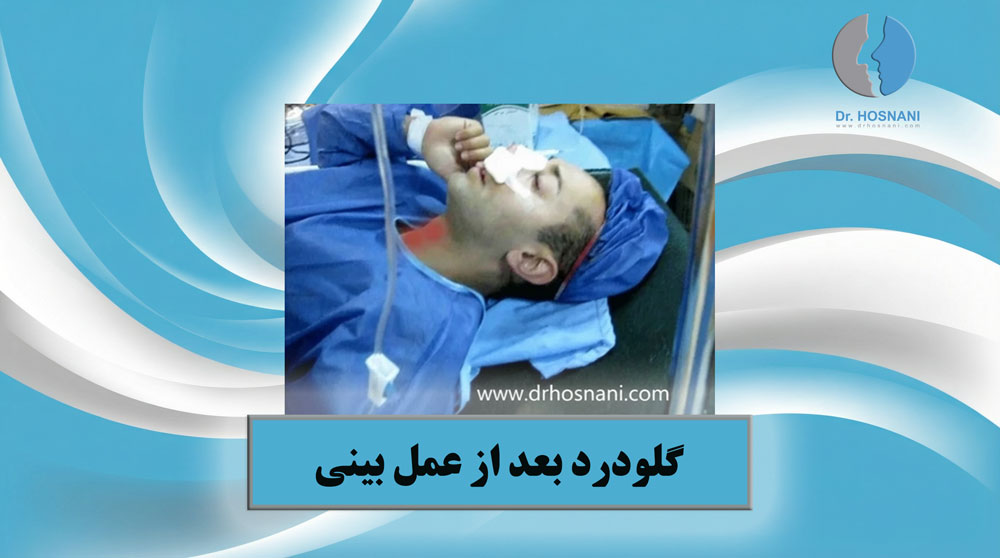
The Temporary Nature of Throat Discomfort After Rhinoplasty
A Common Early Postoperative Complaint
Many individuals who undergo cosmetic nasal surgery experience a sore throat, throat dryness, or a burning and scratchy sensation during the first one or two days after the procedure. Although this symptom may be unsettling for some patients, it is generally regarded as a temporary and expected effect of general anesthesia.
Why Patients Should Not Be Alarmed
In most cases, this discomfort is neither dangerous nor unusual. It is typically short-lived and resolves spontaneously within the early days of recovery. With a few simple supportive measures at home, patients can often accelerate improvement and pass through this phase with minimal inconvenience.
It is Dr. Hosnani’s professional opinion that transient throat irritation after nasal surgery is usually a normal postoperative reaction rather than a sign of a serious complication, particularly when it improves steadily over the first few days.
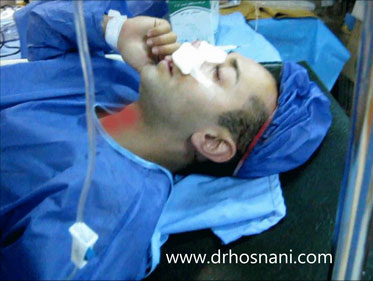
Sore Throat After Rhinoplasty
The Role of the Anesthesia Tube in Causing Sore Throat
Why Airway Support Is Necessary During Surgery
During rhinoplasty, the patient is placed under general anesthesia so that no pain is felt throughout the operation and the surgeon can perform the required refinements to the nasal bone and cartilage with complete precision. In order to maintain breathing, keep the airway open, and deliver oxygen effectively to the lungs, the anesthesiologist inserts a slender tube known as an endotracheal tube through the mouth into the trachea.
How the Tube Irritates the Throat
This tube remains in the airway throughout the procedure and is removed at the end of surgery. Its passage and temporary placement may cause mild friction or irritation of the throat lining, the larynx, and even the vocal cords. The sensation is often comparable to the throat discomfort one experiences during a severe cold or after repeated dry coughing.
The Added Effect of Mouth Breathing
For this reason, many patients notice burning, marked dryness, or an uncomfortable scratchy feeling in the throat shortly after awakening from anesthesia. In addition, mouth breathing during the early recovery period, often caused by nasal packing or congestion, may further intensify throat dryness and irritation.
According to Dr. Hosnani, the anesthesia tube is the most common explanation for early throat discomfort after rhinoplasty, and the symptom usually subsides naturally as the irritated tissues recover.
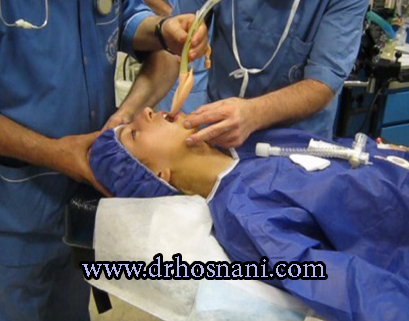
In Modern Anesthesia Methods, Shorter Tubes Are Used
Common Symptoms of Sore Throat After Nose Surgery
Typical Sensations Patients May Notice
Throat discomfort related to anesthesia and intubation may present with several familiar symptoms during the first stage of recovery.
Most Frequently Reported Symptoms
A patient may experience:
• A persistent burning, tickling, or scratchy sensation in the throat
• Mild to moderate pain when swallowing saliva or food
• Significant dryness of the mouth and throat due to forced oral breathing
• Temporary hoarseness, a deeper tone of voice, or subtle voice changes for several days
• A false sensation of a lump or foreign body in the throat
How These Symptoms Usually Evolve
These complaints are often more pronounced on the first postoperative day and then gradually diminish as the mucosal surfaces regain moisture and the local irritation resolves.
Based on Dr. Hosnani’s clinical experience, these symptoms tend to follow a predictable and self-limited course, with progressive relief rather than deterioration.
How Long the Sore Throat Usually Lasts
The Expected Recovery Timeline
Sore throat caused by the anesthesia tube is almost always temporary. In the majority of patients, the burning sensation and discomfort improve substantially within the first to hours after surgery.
Variations Among Different Patients
In individuals with more sensitive mucosal tissues, throat dryness or irritation may persist for a few additional days. Even in such cases, however, the problem generally resolves completely within about to days and leaves no lasting effect.
Drawing on Dr. Hosnani’s extensive experience, short-term throat irritation after rhinoplasty should be viewed as a temporary recovery-phase symptom that ordinarily fades without the need for specific intervention.
Factors That Can Make the Sore Throat More Intense
Procedure-Related Factors
The severity of this issue is not identical in every patient and may be influenced by a number of procedural variables.
Patient and Environmental Contributors
Several factors may intensify postoperative throat discomfort:
• Longer surgical duration: the more time the tube remains in the airway, the greater the chance of mucosal irritation
• Dry operating-room air: low humidity in anesthetic gases can significantly dry the throat lining
• Intubation technique: the patient’s anatomy and the ease of tube placement may affect the degree of throat irritation
• Excessive talking immediately after surgery: prolonged speaking in the early hours after anesthesia may place added strain on already irritated vocal tissues
Why Individual Recovery Differs
Because each patient has a unique airway anatomy and healing response, the intensity of symptoms may vary. Nevertheless, even when discomfort is more noticeable, it usually remains temporary and manageable.
As observed by Dr. Hosnani, the intensity of postoperative throat irritation is often shaped by a combination of surgical duration, airway dryness, and patient-specific sensitivity rather than by any serious abnormality.
Ways to Relieve and Manage Sore Throat After Surgery
Helpful Home-Care Measures
To ease burning and dryness of the throat more rapidly during recovery, the following measures are often highly beneficial:
• Drinking lukewarm fluids such as warm water, mild tea, or gentle herbal infusions in small sips
• Avoiding very hot or very cold foods and drinks that may aggravate the already irritated tissues
• Allowing the larynx to rest by limiting excessive talking and avoiding speaking loudly during the first few days
• Using soothing throat lozenges or traditional mild demulcent remedies to keep the throat comfortably hydrated
• Running a cool-mist humidifier in the patient’s room to maintain adequate moisture in the inspired air
• Taking the prescribed pain-relief and anti-inflammatory medications exactly as directed by the physician
The Value of Supportive Recovery Habits
These simple measures can significantly improve comfort and help the throat lining recover more efficiently. When followed carefully, they often make the early postoperative period noticeably easier for the patient.
When Further Medical Advice May Be Needed
If throat pain becomes progressively worse, is accompanied by high fever, severe difficulty swallowing, breathing problems, or persists beyond the expected recovery window, the patient should seek medical evaluation to rule out less common causes.
From Dr. Hosnani’s perspective, supportive care, hydration, vocal rest, and proper postoperative discipline are usually sufficient for resolving this temporary discomfort and ensuring a smoother healing experience.