




Headache After Rhinoplasty
Dr. Hamidreza Hosnani
ENT Specialist | Rhinoplasty Surgeon in Tehran | Nose Surgery Specialist
A mild headache after rhinoplasty is a common but usually temporary complication caused by tissue swelling, pressure from nasal tampons, or a reaction to anesthesia. This headache often improves within the first 24 to 48 hours and can be managed with rest, a cold compress on the forehead, and simple painkillers such as acetaminophen (with the surgeon's approval). If the headache is severe, persistent, or accompanied by symptoms such as nausea and blurred vision, you should notify your doctor immediately. Many patients do not experience headaches at all, but this condition is different for every individual.

Headache After Rhinoplasty
A Common Postoperative Complaint
Rhinoplasty is not limited to aesthetic refinement; it also involves careful manipulation of the nasal bones, cartilage, and internal tissues. For this reason, certain symptoms during the recovery period are considered entirely expected. Headache after nasal surgery is one of the relatively common complaints in the early postoperative days, and in most cases it is temporary and gradually improves as healing progresses.
Why Understanding the Cause Matters
When patients understand why headache may occur after surgery, they are often able to pass through the recovery phase with greater reassurance. In many instances, the discomfort does not indicate a serious problem, but rather reflects the body’s normal response to surgical intervention and tissue repair.
According to Dr. Hosnani, mild to moderate headache in the first days after rhinoplasty is usually part of the expected healing response and should be interpreted in the context of the patient’s overall recovery.
Why Does Headache Occur After Nasal Surgery?
Swelling of the Nasal Tissues and Sinuses
After surgery, the tissues of the nose and the surrounding structures often become swollen. This swelling may create mild pressure in the forehead, around the eyes, and within the sinus region, which can present as a feeling of heaviness or a postoperative headache. Such pressure-related discomfort is especially common during the first several days.
Manipulation of the Nasal Bones
In many rhinoplasty procedures, the nasal bones are carefully cut and repositioned in order to improve the contour of the nose. These adjustments, often referred to as osteotomies, may lead to temporary soreness or pressure that radiates toward the forehead and head.
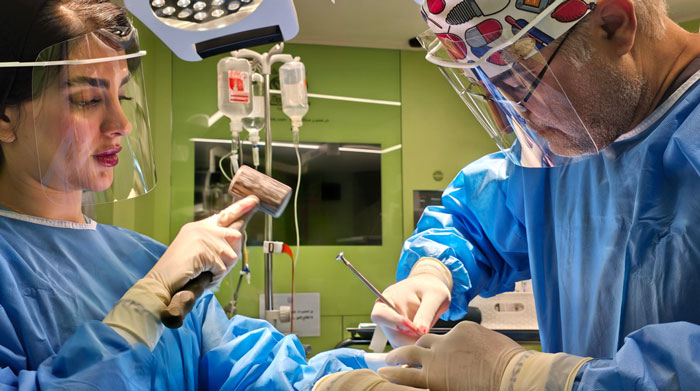
Reshaping the Nasal Bones Is Done with a Hammer and a Sharp Blade Called an Osteotome. This Procedure Is Called Osteotomy
The Effects of Anesthetic Medication
Some patients experience headache after general anesthesia. This type of discomfort is commonly observed within the first twenty-four to forty-eight hours after surgery and usually resolves progressively without long-term consequences.
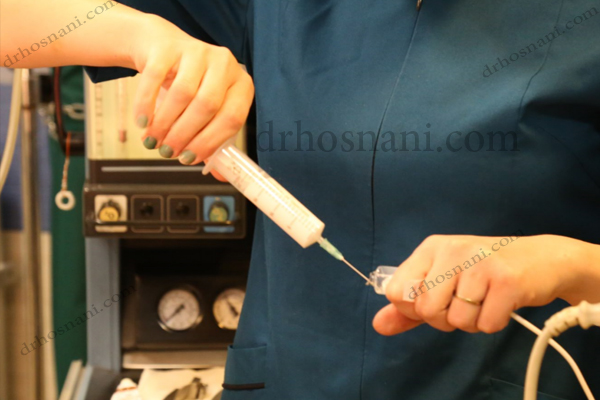
Injectable Anesthesia Medications
Dehydration and Reduced Fluid Intake
Before surgery, patients are typically required to fast for several hours, and after the procedure they may initially consume less fluid than usual. Dehydration is therefore one of the common reasons for headache during the early recovery period.
Nasal Congestion and Mouth Breathing
Because of internal swelling and postoperative secretions, breathing through the nose can become temporarily difficult. This may force the patient to breathe through the mouth, while the reduction in normal nasal airflow can contribute to a sense of pressure in the head and aggravate headache symptoms.
Stress, Fatigue, and Sleep Disturbance
Emotional stress before and after surgery, insufficient sleep, and physical fatigue may also contribute to headache. Even when the operation itself has gone smoothly, these associated factors can intensify the sensation of discomfort.
From Dr. Hosnani’s perspective, postoperative headache often arises from a combination of swelling, temporary airway obstruction, fatigue, and the body’s natural inflammatory response rather than from a dangerous underlying issue.
How Long Is Headache Considered Normal?
The Early Recovery Period
In the majority of patients, headache is more noticeable during the first few days after surgery. This timing corresponds with the peak of tissue swelling and the initial phase of postoperative healing.
Gradual Improvement Over Time
The discomfort usually diminishes gradually over one to two weeks. As swelling subsides and the nasal passages begin to recover, the pressure sensation in the forehead and sinus area also tends to improve.
What Is Generally Considered Acceptable
Mild to moderate pain or headache during this interval is typically regarded as normal. In uncomplicated cases, the symptom becomes less intense day by day rather than worsening unexpectedly.
Based on Dr. Hosnani’s clinical experience, headaches that lessen progressively as nasal swelling improves are generally consistent with a healthy and uncomplicated recovery.
How Can Headache After Rhinoplasty Be Reduced?
Taking Prescribed Medication Properly
The surgeon will usually prescribe appropriate pain-relieving medication to help control postoperative discomfort. Taking these medications exactly as directed can play an important role in reducing headache severity and maintaining patient comfort.
Maintaining Adequate Hydration
Drinking sufficient water and fluids may help prevent headaches related to fluid loss or inadequate intake. Restoring hydration is often a simple but effective measure in the first postoperative days.
Getting Enough Rest
Proper sleep and physical rest are essential to recovery. The body heals more efficiently when it is not burdened by exhaustion, and adequate rest can significantly reduce the perception of pain and pressure.
Keeping the Head Elevated During Sleep
Sleeping with the head elevated, such as by using two pillows or an appropriate incline, may reduce swelling and lessen pressure in the head. This measure is frequently recommended as part of standard postoperative care.
Avoiding Strenuous Activity
Heavy exercise, forceful bending, and unnecessary exertion can increase pressure in the facial and cranial regions, thereby worsening headache. Patients are therefore advised to observe a period of relative physical calm during the initial phase of recovery.
Drawing on Dr. Hosnani’s extensive experience, careful rest, proper hydration, and adherence to medical instructions are among the most effective measures for minimizing postoperative headache after rhinoplasty.
When Is Headache Not Considered Normal?
Warning Signs That Require Attention
Although headache is often benign after surgery, certain symptoms should not be ignored. A severe headache that is intense, persistent, or clearly disproportionate to the expected recovery pattern should be discussed with the surgeon without delay.
Associated Symptoms That May Suggest a Problem
Medical review is advisable if the headache is accompanied by high fever, marked swelling, a sudden increase in pain, purulent nasal discharge, visual disturbance, or severe dizziness. These findings may indicate complications such as infection or significant inflammation and therefore merit prompt evaluation.
The Importance of Timely Medical Assessment
While serious postoperative complications remain uncommon, early recognition is always preferable to delayed intervention. Patients should never hesitate to contact their physician if the character of the headache appears unusual or progressively worsening.
It is Dr. Hosnani’s professional opinion that any headache associated with fever, visual changes, unusual discharge, or escalating pain deserves prompt medical attention in order to exclude uncommon but important postoperative complications.
Final Perspective on Recovery
Usually Temporary and Self-Limited
In most patients, headache after rhinoplasty is a temporary consequence of surgery and resolves as the tissues heal. The symptom is usually linked to postoperative swelling, temporary congestion, and the normal physiological stresses of recovery rather than to any long-term problem.
Confidence Through Proper Follow-Up
With appropriate postoperative care and regular follow-up, patients can usually expect steady improvement. Experienced surgeons such as Dr. Hosnani emphasize that attentive recovery practices are essential for both comfort and peace of mind during the healing process.