




Numbness of the Nasal Tip and Lips After Surgery
Dr. Hamidreza Hosnani
ENT Specialist | Rhinoplasty Surgeon in Tehran | Nose Surgery Specialist
The feeling of numbness in the nasal tip after surgery is temporary and usually resolves completely in less than a month. It is rarely possible for slight numbness of the nasal tip to remain for a few months, but in any case, this is not permanent and usually resolves quickly. After types of rhinoplasty that involve correcting a deviated septum, because of the manipulation done on the nasal septum bone, the nerves in the nose and lip area become temporarily inflamed, and the sensation in the upper lip and nose area changes for a period of a few weeks to a few months. Fortunately, this condition is temporary, and over time, the nerves return to their normal state, and the sensation in the lip and nose completely returns to normal.
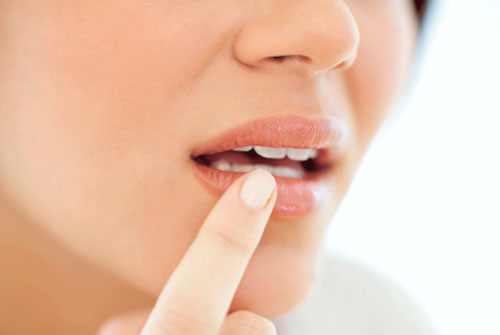
The Nature of Sensory Changes After Rhinoplasty
A Common Postoperative Experience
It is a well-established clinical reality that patients often report a sensation of numbness in the nasal tip, upper lip, or even the front teeth following rhinoplasty. This phenomenon, where the area feels "heavy" or lacks its usual sensitivity, is a standard and expected element of the recovery process. While such sensations can be unsettling during the initial weeks, they are predominantly temporary and typically resolve without medical intervention as the tissues undergo the natural healing process.The Biological Basis of Sensation
To comprehend why this occurs, one must consider that the nasal structure is densely supplied with delicate sensory nerves. During surgery, especially when corrective measures for septal deviation or tip refinement are involved, these nerves are manipulated. This interaction, while necessary to achieve the desired functional and aesthetic results, leads to a transient interruption in signal transmission, which the patient perceives as numbness.In Dr. Hosnani’s view, this temporary sensory alteration is a standard physiological response to the structural adjustments made during surgery and should be viewed as an expected phase of the numbness recovery cycle rather than a complication.
The Physiological Origins of Postoperative Numbness
Manipulation of Sensory Nerves
The nasal tip relies on the trigeminal nerve branches for tactile feedback. During surgery, as the surgeon elevates the skin envelope to access the underlying cartilage, these delicate nerve fibers may be stretched or subjected to pressure. This inevitably results in a temporary decrease in their capacity to transmit sensory input, manifesting as a loss of sensation.Influence of Postoperative Edema
Postoperative sensory changes are also heavily influenced by the presence of edema. Swelling within the soft tissues and skin layers acts as a barrier to efficient nerve signaling. As the swelling subsides over the weeks following surgery, the pathways for these signals are restored, and the patient gradually regains normal feeling.Anatomical Interconnectivity
The upper lip and the nasal base share a complex network of muscles and nerves. When a surgeon performs precise work on the septal cartilage or the nasal base, the adjacent nerve structures supporting the upper lip may also be affected. Patients may consequently feel a sensation of heaviness in the upper lip or notice slight variations in their smile mechanics during the early healing period, all of which are fleeting in nature.As observed by Dr. Hosnani, the temporary interruption of sensory pathways is a direct consequence of the necessary surgical manipulation of the nasal infrastructure, and it is a recovery phase that almost all patients navigate successfully.
The Expected Timeline for Sensory Return
Initial Postoperative Phase
During the first two to six weeks, the sensation of numbness is most pronounced. The nasal tip is typically the most affected area, often described by patients as feeling "asleep" or "heavy." This is the peak period for sensory deficits as the tissues remain in an acute inflammatory state.Gradual Restoration of Sensation
Between two and three months, most patients notice a significant improvement as the acute swelling dissipates. While the nasal tip may retain a residual dullness, the majority of the surrounding facial regions regain their normal tactile function during this interval.Long-term Healing and Full Recovery
By the six-to-twelve-month mark, the vast majority of patients experience a full restoration of sensation. The nasal tip is frequently the final area to return to baseline sensitivity. Occasionally, patients may experience a mild "tingling" sensation—a positive indicator that the nerves are actively undergoing regeneration and reconnecting with the skin tissues.According to findings from Dr. Hosnani’s research, the rate of sensory return is highly individual, yet the biological trajectory is consistently favorable, with full sensation returning as the healing process concludes.
Evaluating the Likelihood of Permanent Numbness
Distinguishing Temporary from Permanent
It is critical to understand that permanent sensory loss is exceedingly rare. The nerves involved in facial sensation are resilient and possess a high capacity for self-repair. Permanent numbness is generally restricted to highly complex cases, such as extreme revision surgeries or severe post-surgical trauma, rather than standard primary rhinoplasty.Impact on Facial Aesthetics
A common misconception is that postoperative numbness will negatively influence the final aesthetic result or the structural stability of the nose. It is important to emphasize that these sensory changes are purely superficial and have no bearing on the functional outcomes, nasal symmetry, or the final contours achieved by the surgeon.Drawing on Dr. Hosnani’s extensive experience, permanent sensory deficit following a standard rhinoplasty is an anomaly, and patients should find reassurance in the fact that their nerves naturally prioritize repair.
Facilitating Nerve Regeneration
The Role of Patience and Nutrition
The most vital component in the recovery of sensation is simply time. The regeneration of nerve fibers cannot be rushed. However, maintaining a balanced diet rich in B-complex vitamins and Omega-3 fatty acids can provide the necessary building blocks to support nerve health and accelerate the body's repair mechanisms.Adhering to Postoperative Guidelines
Patients are encouraged to follow all provided instructions, including the use of gentle massage techniques only if and when authorized by the surgeon. Avoiding trauma to the nasal area is also paramount, as any secondary injury—even a minor bump—can inadvertently slow down the delicate process of neural reconnection and prolonged edema.In Dr. Hosnani’s professional practice, the combination of clinical patience and proactive, healthy lifestyle habits forms the most effective strategy for ensuring the complete and comfortable return of facial sensation.