




Nasal Obstruction and Congestion After Rhinoplasty
Dr. Hamidreza Hosnani
ENT Specialist | Rhinoplasty Surgeon in Tehran | Nose Surgery Specialist
Nasal congestion is sometimes caused by allergies, the solution to which is anti-allergy sprays. Using phenylephrine drops to relieve nasal congestion is dangerous and addictive. Nasal congestion can also be caused by incorrect execution of rhinoplasty surgical techniques or because of a remaining deviated septum.
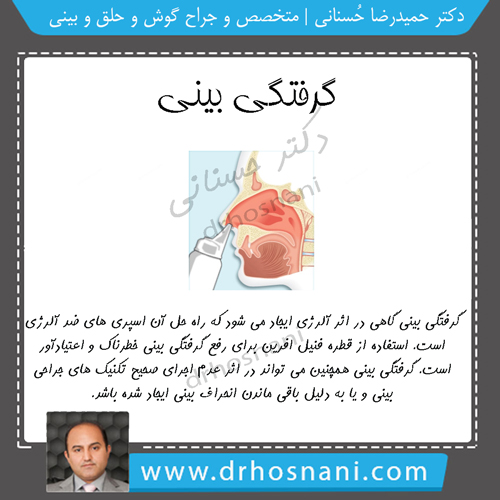
Nasal Congestion Caused by Allergies Can Be Treated with Anti‑Allergy Sprays
Navigating Nasal Congestion Following Rhinoplasty
Etiology and Technical Considerations
Post-surgical nasal obstruction can occasionally arise from technical inaccuracies during the procedure. Common contributors include the over-resection of cartilage or soft tissue, the development of synechiae (adhesions), or the improper anatomical management of the nasal turbinates. Achieving a functional outcome necessitates a delicate balance between aesthetic refinement and the preservation of the airway.
Preventative Measures and Post-Operative Vigilance
To mitigate these risks, the surgeon must prioritize the maintenance of the nasal structural support and utilize minimally invasive techniques, such as conservative turbinoplasty, while strictly avoiding excessive manipulation of the nasal mucosa. Furthermore, consistent irrigation with normal saline and routine postoperative follow-up are essential. These evaluations allow for the early detection and management of complications like stenosis or infection. In instances where congestion persists, corrective surgical intervention may be required to restore optimal airflow.
In Dr. Hosnani’s view, the long-term success of rhinoplasty is defined not only by the aesthetic result but by the preservation of functional breathing, which relies heavily on meticulous surgical precision and patient adherence to follow-up care.
The Risks of Phenylephrine Nasal Drops
Understanding Rebound Congestion
Phenylephrine is a topical nasal decongestant that functions as a short-term vasoconstrictor. While effective for immediate relief, its prolonged use—typically exceeding three to five days—often precipitates a condition known as rhinitis medicamentosa. This cycle of dependency triggers severe inflammation and a worsening of the initial symptoms, effectively creating a state of rebound congestion that is notoriously difficult to reverse.
Safe Alternatives and Clinical Recommendations
It is imperative for patients to utilize safer methodologies for managing nasal swelling. These include regular nasal lavage with saline solutions, the use of short-term, medically supervised intranasal steroids, and the gentle inhalation of warm steam infused with eucalyptus.
In Dr. Hosnani’s professional practice, the cycle of dependency induced by these drops is a significant challenge to manage; therefore, it is Dr. Hosnani’s professional opinion that these medications should be restricted strictly to emergency use and discontinued immediately if symptoms do not improve.