



Nasal Defects and Deformities
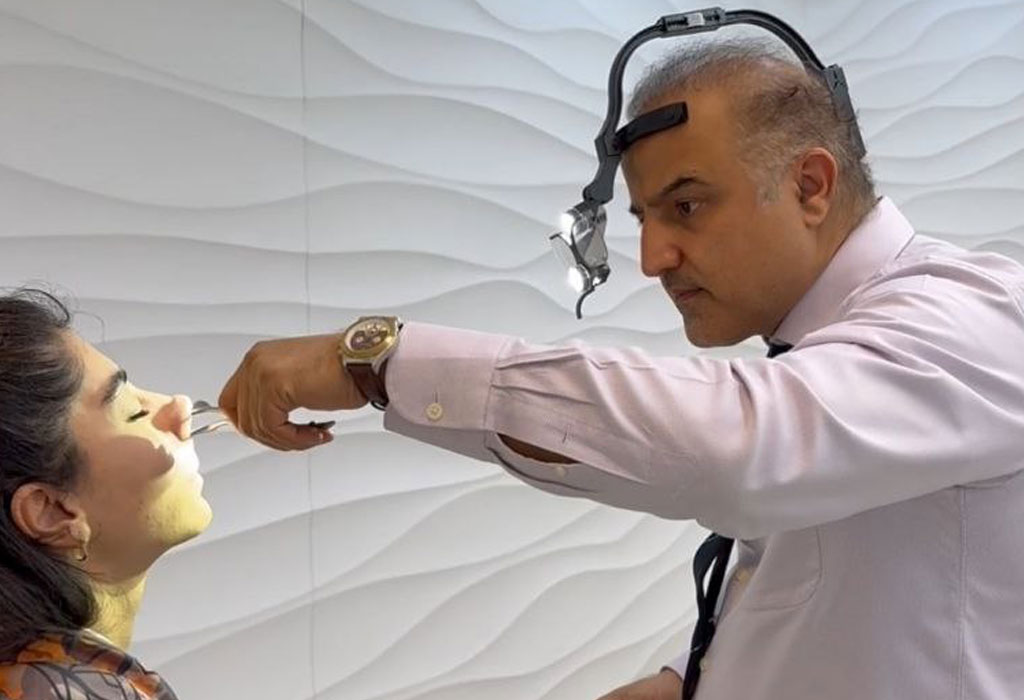
Dr. Hamidreza Hosnani
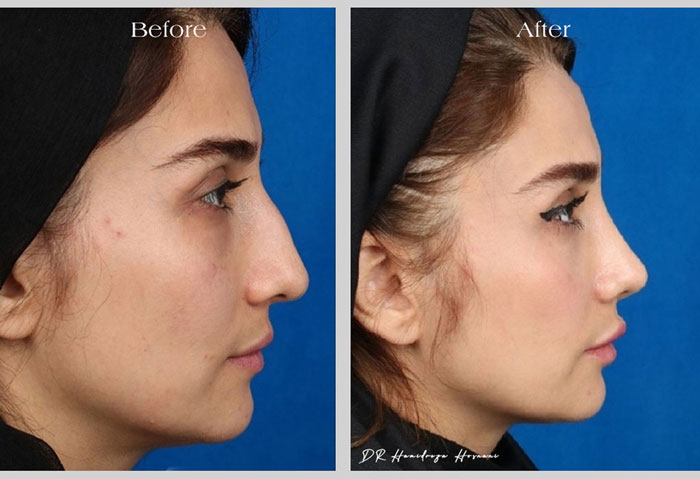
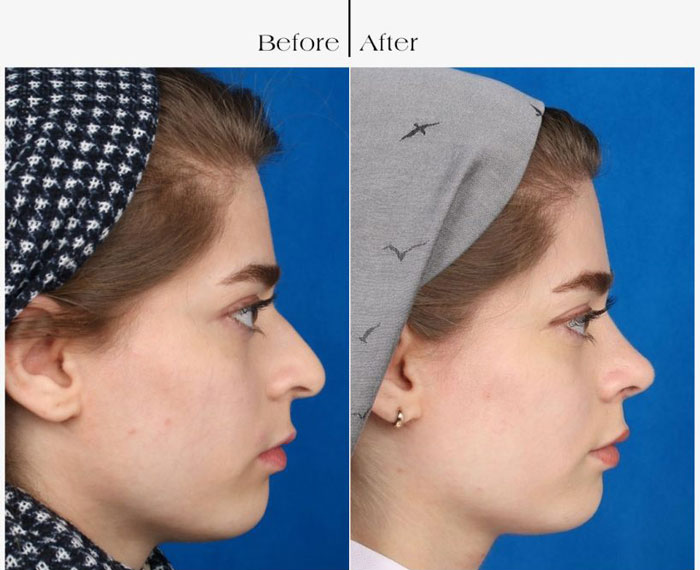
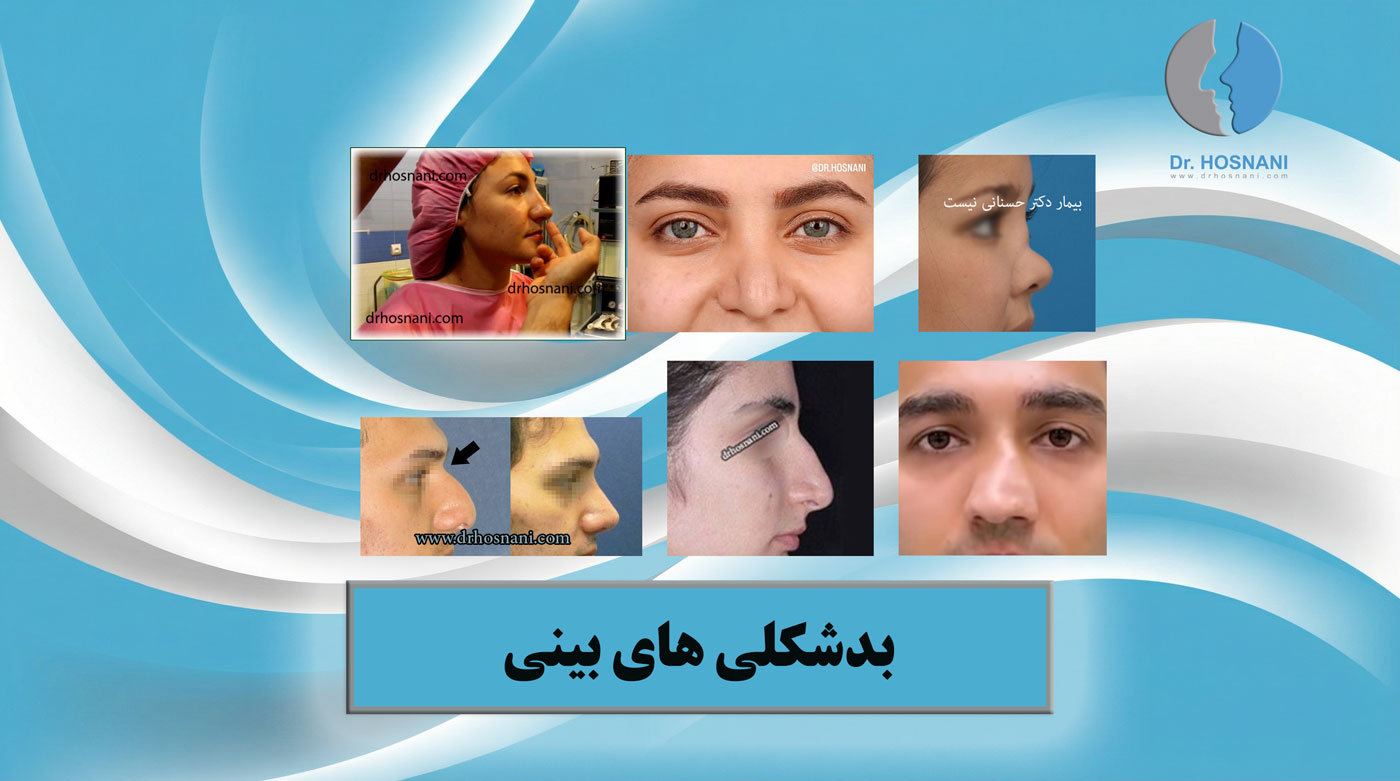
The nose, as one of the prominent components of the face, can be affected by various defects and deformities that not only affect appearance but may sometimes also cause breathing or functional problems. For example, nasal tip drooping makes the nose look bent and tired and can make the face appear older, while a pinched nose, with excessive narrowing in the middle section, gives the nose an unbalanced and unnatural appearance. Narrowing of the nasal valves can restrict airflow and lead to breathing problems. A crooked nose or deviation of the middle septum often occurs due to trauma or genetic factors and disrupts facial balance. Nostril asymmetry is one of the most common deformities and may result from uneven growth of the bones. Depression between the nose and forehead, known as a radix depression, creates an unpleasant depth in the eyebrow area, and a nasal hump, with excessive prominence of the nasal bridge, casts an undesirable shadow on the facial profile. These defects, which are often correctable through rhinoplasty, affect people’s self-confidence and highlight the importance of consulting cosmetic surgery specialists.
Drooping Nasal Tip
A drooping nasal tip is one of the most common aesthetic nasal concerns. In this condition, the tip of the nose bends downward and appears curved or hanging. This deformity often occurs due to weakness in the cartilage structures that support the nasal tip and may be caused by genetic factors, aging, or repeated trauma.
From an aesthetic perspective, a drooping tip can make the face appear tired or older because it disrupts the balance of the nasal profile and creates an undesirable shadow beneath the tip. Correction is usually performed through rhinoplasty by strengthening the tip cartilages or using supportive grafts, resulting in natural and long‑lasting improvement.
Pinched Nose
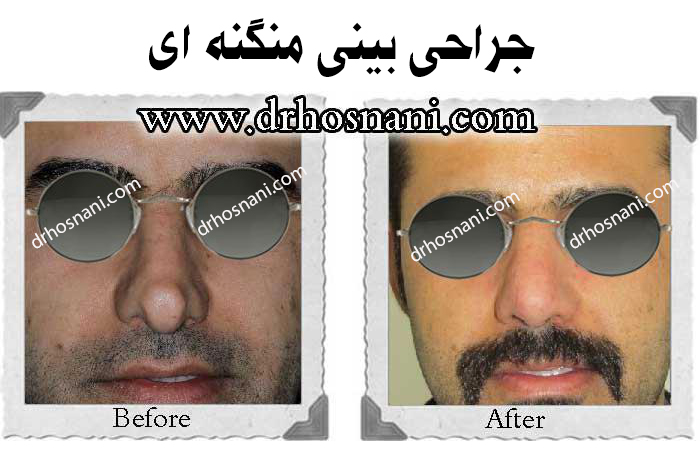
A pinched nose deformity is characterized by excessive narrowing and compression of the nasal tip and nostrils. The nose may appear tight, elongated, and artificial—often resembling the squeezed tip of a clip or “pinched” nose.
This condition most commonly occurs after unsuccessful rhinoplasty when too much cartilage has been removed from the nasal tip. It may also be congenital or related to minor trauma.
Aesthetically, a pinched nose can make the face appear rigid or unnatural. The nostrils may look overly narrow or distorted, disturbing the overall facial balance. Functionally, the deformity can restrict airflow and lead to chronic nasal obstruction or breathing difficulties.
Treatment usually requires revision rhinoplasty to reconstruct and reinforce the nasal cartilages and restore appropriate tip volume. Because the surgery involves rebuilding structural support, it should be performed by an experienced rhinoplasty specialist to achieve natural results.
Saddle Nose Deformity
A saddle nose deformity refers to a collapse or depression of the nasal bridge that gives the nose a concave, saddle‑like appearance. This usually occurs when the structural support of the nasal bridge becomes weakened or lost.
Unlike a pinched nose, which mainly affects the nasal tip, saddle nose deformity involves the bridge of the nose. It can develop after trauma, infection, previous nasal surgery, or congenital structural weakness.
Treatment is generally more complex and often requires cartilage grafts or structural reconstruction to restore the height and support of the nasal bridge. Accurate diagnosis is essential because the surgical approach differs depending on the specific deformity.
Nasal Valve Stenosis
Nasal valve stenosis refers to excessive narrowing of the internal or external nasal valve area—the region that regulates airflow through the nose.
This condition may be congenital or develop after trauma, previous nasal surgery, or chronic inflammation. Although it may cause minimal visible changes in the appearance of the nose, it can significantly impair breathing by restricting airflow.
Patients often experience symptoms such as mouth breathing, snoring, reduced exercise tolerance, or even sleep apnea. Persistent fatigue may also occur due to poor airflow during sleep.
Treatment may include external nasal splints, minor procedures to widen the nasal valve, or temporary filler injections. In more severe cases, functional rhinoplasty is required to restore normal airflow.
Deviated Nasal Septum
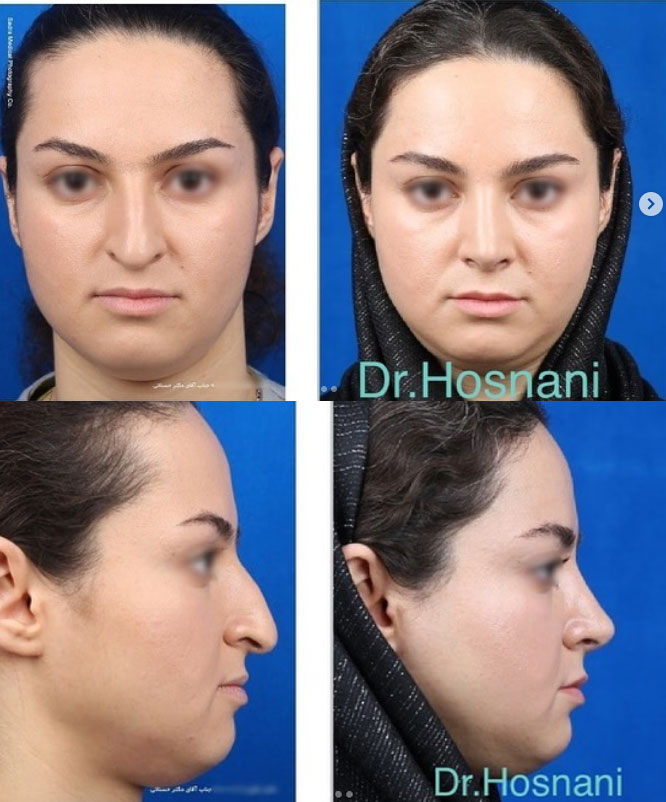
A deviated nose not only disrupts facial symmetry but can also cause significant functional problems such as chronic nasal obstruction, sinusitis, and recurrent headaches.
When nasal deviation is associated with a severe septal deviation, it may even affect sleep quality and daily concentration. Treatment is usually performed through septoplasty (correction of the nasal septum) or combined rhinoplasty, improving both nasal appearance and breathing function.
Nostril Asymmetry
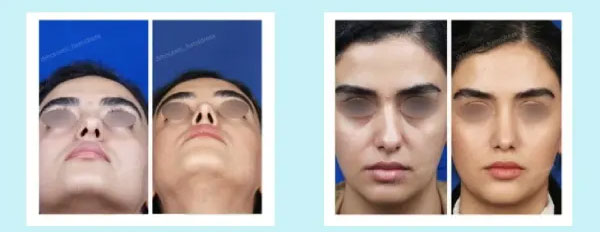
Nostril asymmetry is a common condition in which the nostrils differ in size, shape, or position. This may occur due to uneven growth of the nasal or jaw bones during adolescence or as a result of minor trauma.
Aesthetically, it creates an imbalanced appearance that may become more noticeable in photographs or facial profiles, sometimes affecting a person’s confidence.
Functionally, it may cause uneven airflow and lead to nasal obstruction on one side. Many individuals do not notice the issue until adulthood. Correction can be performed through rhinoplasty by adjusting the base cartilages of the nose to achieve natural and subtle symmetry.
Radix Depression (Low Nasal Root)
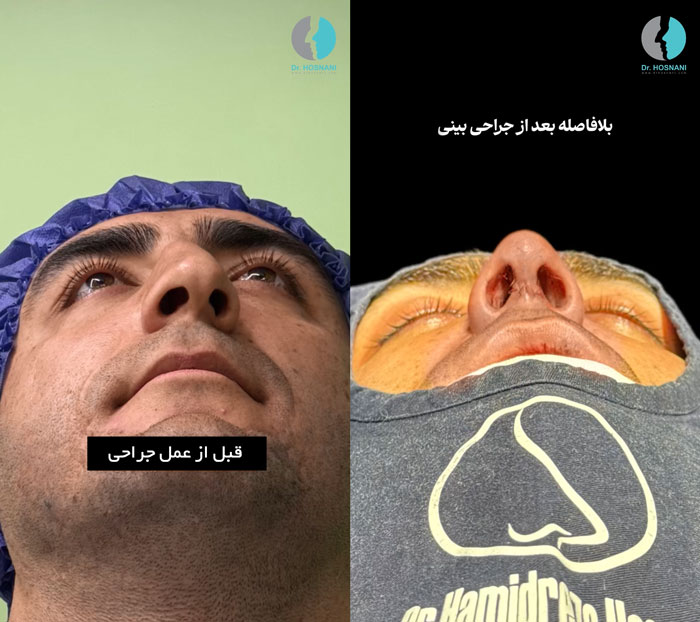
Radix depression refers to an excessive hollow or indentation at the junction between the forehead and the nose (the nasal root or radix). This feature can make the face appear tired or sad and may create unwanted shadows around the eyebrow and eye area.
The condition is often genetic or related to underdevelopment of the nasal bones during early growth. While it rarely affects nasal function, it can disrupt the aesthetic balance of the facial profile.
Correction is typically performed with hyaluronic acid fillers for temporary improvement or with structural grafts during rhinoplasty for a permanent solution. These treatments help restore facial balance and create a smoother transition between the forehead and nose.
Dorsal Hump
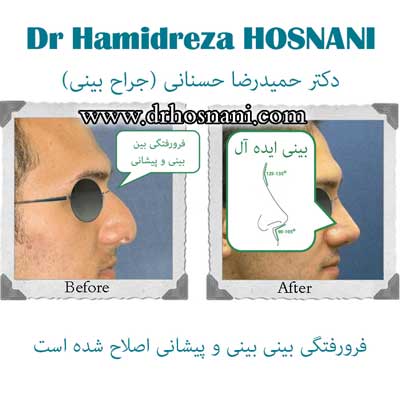
A dorsal hump is characterized by an excessive prominence on the bridge of the nose where bone and cartilage meet. From the side view, it creates an irregular “peak” along the nasal profile.
This feature is often hereditary but may also result from trauma or excessive bone growth during adolescence. A dorsal hump can make the facial profile appear harsher and less balanced.
Functionally, it usually does not affect breathing unless it is associated with septal deviation. Rhinoplasty is highly effective in correcting a dorsal hump by reshaping or removing excess bone and cartilage. It is one of the most commonly performed aesthetic nasal procedures and can significantly enhance facial harmony.