


Saddle Nose and Its Correction with Rhinoplasty
Dr. Hamidreza Hosnani
ENT Specialist | Rhinoplasty Surgeon in Tehran | Nose Surgery Specialist
Saddle nose deformity occurs due to excessive removal of nasal cartilage and bone and is one of the aesthetic complications of rhinoplasty. Saddle nose usually results from the patient’s excessive insistence on creating a curved nasal dorsum as well as the surgeon’s lack of precision. Repairing saddle nose deformity is usually performed using ear cartilage. The use of ear cartilage in repairing saddle nose deformity is usually successful in a high percentage of cases.
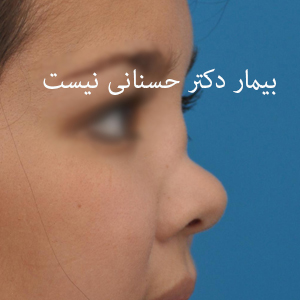
A saddle nose is a complication of unsuccessful rhinoplasty that may be caused by unskilled and non-specialist surgeons.
این عارضه علاوه بر تأثیر بر زیبایی صورت، در موارد شدید ممکن است باعث اختلال در عملکرد تنفسی نیز شود.
بینی زینی شکل چیست؟
بینی زینی شکل حالتی است که در آن پشت بینی در قسمت میانی فرو میریزد و یک گودی مشخص در نمای نیمرخ ایجاد میشود. این مشکل معمولاً زمانی رخ میدهد که ساختار حمایتی بینی، بهویژه سپتوم بینی (تیغه بینی)، ضعیف یا تخریب شود.سپتوم نقش ستون مرکزی بینی را دارد و در صورتی که استحکام آن کاهش پیدا کند، پشت بینی نمیتواند شکل طبیعی خود را حفظ کند.
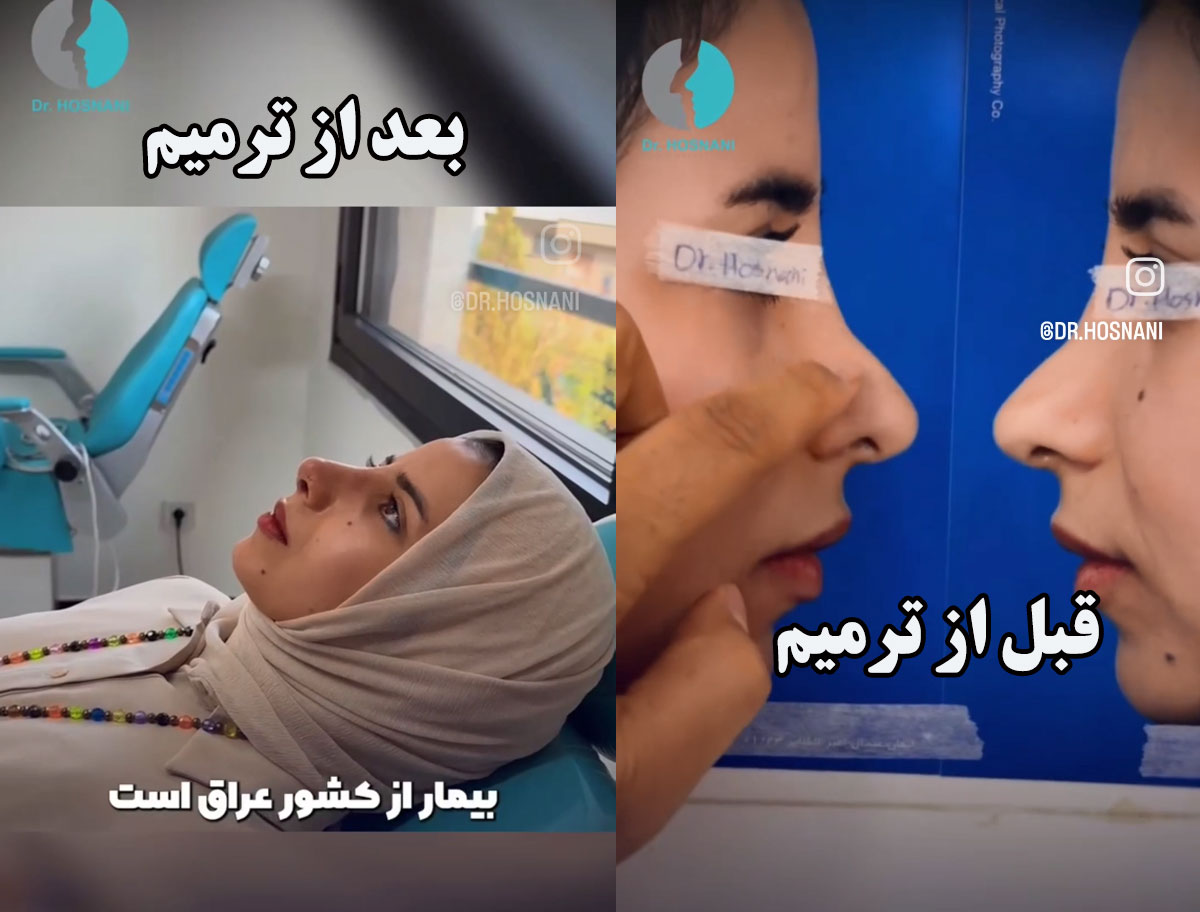
A clear fracture was visible in the nasal bridge, which could be seen in the frontal view and was completely obvious in the profile view. In the previous surgery, the nasal tip had also been rotated upward excessively, disturbing facial harmony. One week after revision surgery, when the patient returned for suture removal, despite the normal postoperative swelling, the nasal shape had become noticeably more balanced and aesthetically pleasing.
علت ایجاد بینی زینی شکل بعد از جراحی بینی
برداشتن بیش از حد غضروف سپتومیکی از مهمترین علل ایجاد این عارضه، برداشتن بیش از حد غضروف تیغه بینی در حین جراحی است. اگر بخش زیادی از این غضروف برداشته شود، حمایت ساختاری بینی کاهش یافته و پشت بینی ممکن است فرو بریزد.
ضعف ساختار حمایتی بینی
در برخی بیماران، بهویژه افرادی که به طور طبیعی غضروفهای ضعیفتری دارند، اگر تقویت کافی در حین جراحی انجام نشود احتمال بروز این مشکل بیشتر میشود.
عفونت پس از جراحی
عفونت شدید میتواند باعث تخریب غضروف سپتوم شود. در صورت از بین رفتن این غضروف، ساختار بینی دچار ضعف شده و احتمال فرو رفتگی پشت بینی افزایش مییابد.
ضربه به بینی بعد از جراحی
در مواردی که بینی پس از عمل دچار ضربه شدید شود، ممکن است ساختارهای داخلی آسیب ببینند و باعث تغییر شکل پشت بینی شوند.
جراحیهای ترمیمی متعدد
انجام چندین بار جراحی روی بینی میتواند باعث ضعیف شدن تدریجی ساختارهای حمایتی شود و احتمال بروز بینی زینی شکل را افزایش دهد.

Correcting nasal length in revision rhinoplasty is one of the most challenging parts of this surgery because, after the primary operation, the tissues have usually changed and developed scar tissue, and the supportive structure of the nose may have become weaker. In cases where the nose has been excessively shortened, the surgeon uses cartilage grafts, often from the nasal septum, ear cartilage, or, if necessary, the rib, to reconstruct and strengthen the nasal framework and restore an appropriate and natural length. Conversely, if the nose is too long, the surgeon creates a new balance by carefully removing or adjusting excess tissues and correcting the position of the nasal tip. The final goal is to create harmony between nasal length and the other facial features, improve breathing function, and restore natural beauty.
علائم و نشانههای بینی زینی شکل
بینی زینی شکل معمولاً با علائم زیر شناخته میشود:◆ فرورفتگی واضح در قسمت میانی پشت بینی
◆ کوتاهتر به نظر رسیدن بینی
◆ افتادگی نوک بینی
◆ تغییر در زاویه بینی و لب
◆ در موارد شدید، مشکلات تنفسی
شدت این عارضه میتواند از خفیف تا شدید متغیر باشد.
آیا بینی زینی شکل قابل درمان است؟
بله، این عارضه قابل اصلاح است اما معمولاً نیاز به جراحی ترمیمی بینی (Revision Rhinoplasty) دارد. در این جراحی هدف اصلی بازسازی ساختار حمایتی بینی است.استفاده از گرافت غضروفی
برای بازسازی پشت بینی معمولاً از غضروف استفاده میشود. این غضروف ممکن است از منابع مختلفی گرفته شود:◆ غضروف تیغه بینی (در صورت باقیماندن)
◆ غضروف گوش
◆ غضروف دنده
در موارد شدید، غضروف دنده به دلیل استحکام و حجم مناسب بیشتر مورد استفاده قرار میگیرد.
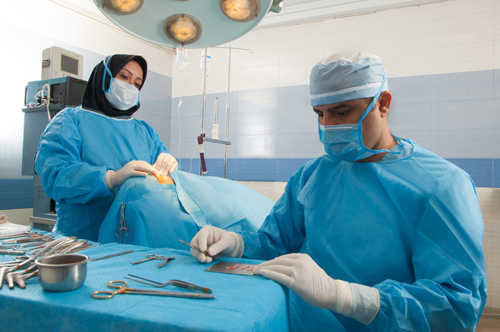
Revision rhinoplasty, or secondary nose surgery, is a type of surgery performed after primary rhinoplasty when aesthetic or breathing problems remain. These problems may include asymmetry, unwanted depressions or bumps, drooping of the nasal tip, or even breathing disorders. Revision surgery is usually more complex than the first operation because the nasal structures have already been altered, and sometimes part of the cartilage or bone has been lost. In such cases, additional cartilage may need to be taken from the nasal septum, behind the ear, or even from the rib. The main goal of revision rhinoplasty is to restore normal nasal function and create an appearance that is more harmonious with the face.
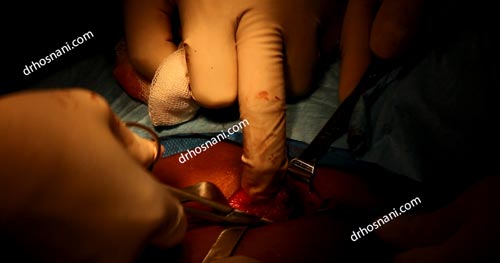
Harvesting Cartilage from the Rib for the Patient’s Nose Revision
تقویت ساختار بینی
در جراحی ترمیمی، جراح علاوه بر پر کردن فرورفتگی پشت بینی، ساختارهای حمایتی را نیز تقویت میکند تا از تکرار مشکل جلوگیری شود.
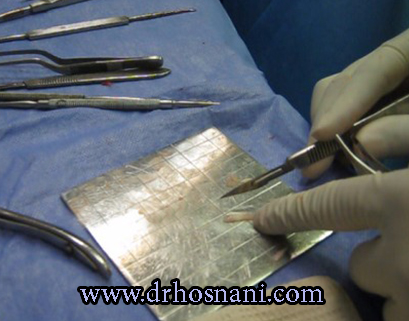
Dr. Hosnani shapes the cartilages taken from your nose or ear in the operating room and uses them during surgery. These cartilages are sometimes harvested from the patient's rib.