




Asymmetry of Nostrils After Surgery
Dr. Hamidreza Hosnani
ENT Specialist | Rhinoplasty Surgeon in Tehran | Nose Surgery Specialist
One of the very common concerns of patients after rhinoplasty is the appearance of the nostrils. Many people notice differences in the size, shape, or height of the nostrils after surgery when looking from the base view of the nose or in the mirror, and this may worry them. Nostril asymmetry after surgery is usually caused by swelling and usually resolves on its own.
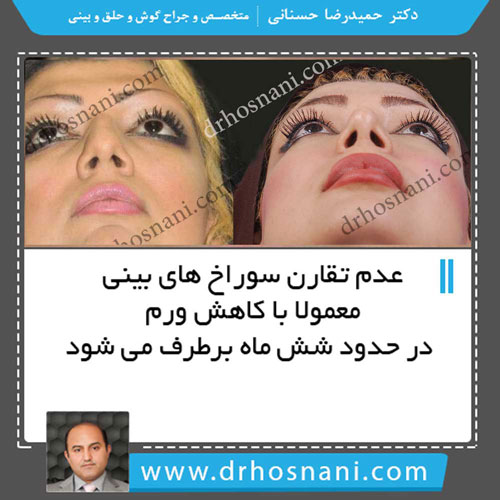
Sometimes, due to asymmetrical swelling following rhinoplasty, the nostrils may appear asymmetrical. This asymmetry usually resolves after 6 months once the swelling subsides.
Understanding Nostril Asymmetry After Rhinoplasty
Common Patient Concerns
A frequent concern among patients following nose surgery relates to the appearance of the nostrils. It is very common for individuals to notice differences in size, shape, or height when inspecting their nose in a mirror or from a base view, which often leads to significant anxiety regarding the outcome of their procedure.
The Nature of Postoperative Healing
While achieving symmetrical nostrils is a primary goal in rhinoplasty, it is crucial to recognize that the human nose is not perfectly symmetrical by nature. Furthermore, during the initial months following surgery, postoperative edema often creates a temporary imbalance. This asymmetry is frequently a normal part of the healing process and tends to improve as the swelling gradually subsides.
In Dr. Hosnani’s view, most instances of perceived nostril asymmetry in the early recovery period are temporary consequences of swelling and should not be mistaken for permanent results.
The Significance of Nostril Shape in Rhinoplasty Results
Aesthetic Impact
When discussing cosmetic improvement, patients often focus on the nasal bridge or tip; however, the base of the nose and the nostril shape are critical components of the final result. Nostrils influence the overall balance of the face and serve as an indicator of the surgeon’s attention to detail.
Functional and Visual Balance
Beyond their visual importance, nostrils are intrinsically linked to respiratory function. A successful surgery must strike a balance where the nostrils appear natural and proportional without compromising the nasal airway. Surgical precision is required to ensure both form and function are addressed simultaneously.

When looking at the nose from below, the nostrils should be as symmetrical as possible, and the height of the nostrils should be twice the distance between the uppermost part of the nostril and the nasal tip.
Pre-existing Asymmetry and Surgical Expectations
Common Causes of Pre-surgical Asymmetry
One important detail that patients often overlook is that in the majority of individuals, nostrils are not perfectly aligned before surgery. This natural asymmetry can be caused by several factors, including:
• Variations in facial structure
• Deviated nasal septum
• Differences in cartilage strength
• Past trauma or injury
• Variations in facial structure
• Deviated nasal septum
• Differences in cartilage strength
• Past trauma or injury
Realistic Surgical Goals
Rhinoplasty is performed to enhance balance and improve symmetry rather than to create absolute, mathematical perfection. Since natural human anatomy is rarely symmetrical, the surgeon's objective is to achieve a result that is harmonious and aesthetically pleasing.
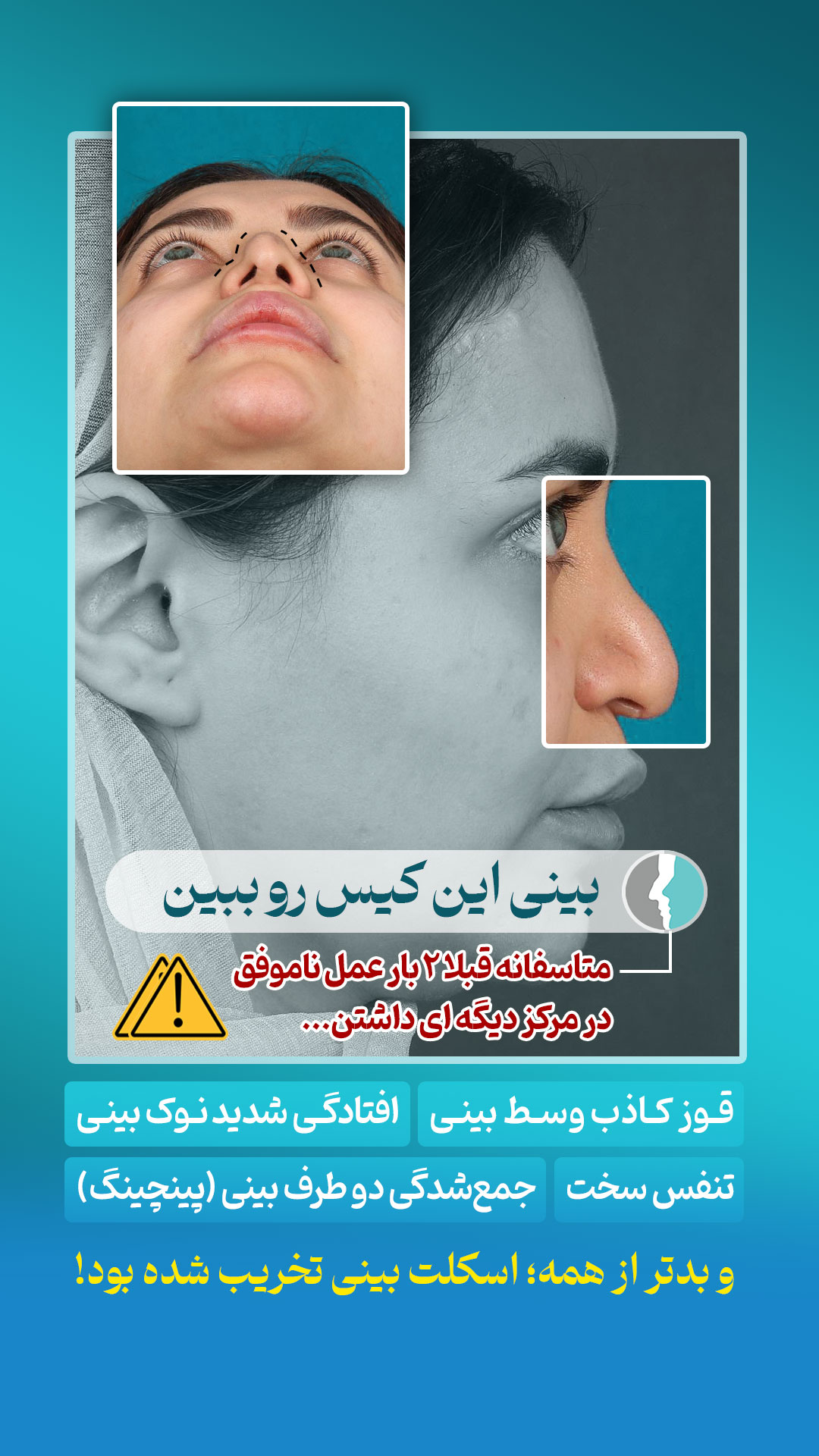
A false mid‑nasal hump, severe drooping of the nasal tip, breathing difficulty, bilateral nasal collapse, asymmetry, and an abnormal shape of the nostrils were corrected in a revision surgery performed by Dr. Hamidreza Hosnani.
Explaining Postoperative Asymmetry
Edema and Swelling Dynamics
Postoperative swelling is the most common cause of asymmetric appearance after surgery. Swelling does not always occur uniformly; one side of the nose may retain more fluid than the other, causing a temporary discrepancy in size, height, or shape. This is especially prevalent in the early months.
Tissue Stiffness and Healing
During the recovery phase, nasal tissues undergo structural changes and may exhibit different levels of stiffness. This variation in how the body heals can temporarily cause one nostril to appear more retracted or shaped differently than the other.
Impact of Surgical Corrections
When the nasal base or alar cartilages have been reshaped, the healing of the sutures can occasionally result in slight differences during the first few weeks or months. This is typically a transient phase.
As observed by Dr. Hosnani, the healing timeline is highly individual, and patients are advised to remain patient as the tissues soften and settle into their final position.
Evaluating Nostril Symmetry
Recommended Evaluation Timelines
Patients are encouraged to be patient when assessing the final outcome. Judging the results too early—especially within the first few weeks—is rarely accurate.
• Initial assessment: After several months.
• Serious evaluation: Approximately 6 months post-op.
• Final result: Generally, after 1 year.
• Initial assessment: After several months.
• Serious evaluation: Approximately 6 months post-op.
• Final result: Generally, after 1 year.
Signs Requiring Professional Consultation
While mild asymmetry is often due to healing timeline variations, patients should consult their surgeon if they notice persistent, significant blockage in one nostril, severe pain, or visible structural abnormalities that do not improve after the first year.
Revision Rhinoplasty Considerations
When Is Further Correction Necessary?
In cases where clear and persistent asymmetry remains after the full recovery process, revision rhinoplasty may be considered. However, this is only appropriate once the tissues have completely healed and the final shape is stable.
The Importance of Professional Assessment
Experienced surgeons such as Dr. Hosnani emphasize that an in-person examination is the only way to determine if a perceived irregularity requires intervention or if it falls within the range of normal healing.
Based on Dr. Hosnani’s clinical experience, the decision for secondary procedures is made only after thorough evaluation, ensuring that the underlying cause of the asymmetry is identified and addressable.
Patient Recommendations
Maintaining Perspective During Recovery
To avoid unnecessary worry, patients should keep these points in mind:
• Avoid making premature judgments about the shape of the nostrils during the first few months.
• Understand that unevenness is frequently attributed to fluid retention.
• Remember that progress is gradual rather than sudden.
• Avoid making premature judgments about the shape of the nostrils during the first few months.
• Understand that unevenness is frequently attributed to fluid retention.
• Remember that progress is gradual rather than sudden.
The Value of Regular Follow-up
Consistent communication with your surgeon is vital. Dr. Hosnani maintains that regular follow-up visits allow the medical team to monitor the healing process and provide necessary reassurance throughout the recovery.
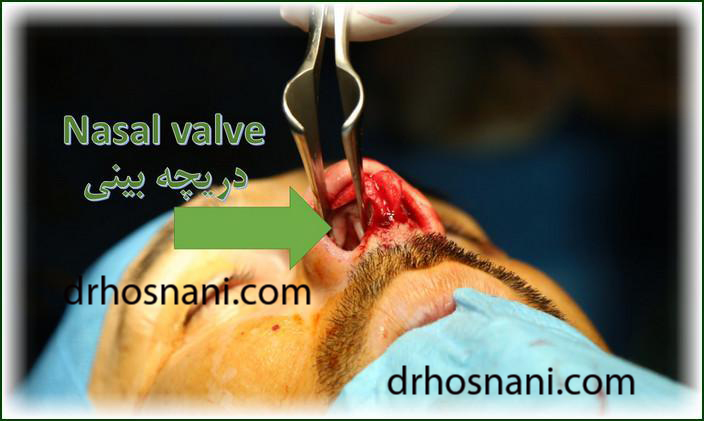
The internal nasal valve is located about one centimeter inside the nostril, between the nasal septum and the lateral cartilages. If not preserved or reconstructed during surgery, it may cause airway narrowing and breathing problems.
⚠️ Warning: This image contains surgical content!
Click to view
Click to view
Case Studies and Video Insights
Correction of Complex Asymmetry
In this case, a patient presented with complex issues following previous unsuccessful surgeries elsewhere, including asymmetrical nostrils and structural damage. By utilizing autologous rib cartilage, the structural integrity was restored. The resulting transformation provided a symmetrical and proportional appearance, demonstrating that even significant challenges can be corrected through expert intervention.
Achieving Predictable Results
This video highlights the immediate improvements seen after rhinoplasty. Issues such as nasal deviation and asymmetrical nostrils are addressed effectively, leading to a refined and balanced profile. The transformation demonstrates the importance of meticulous planning and technical execution in achieving long-term aesthetic harmony.