




Rhinoplasty Complications: Nasal Infection
Dr. Hamidreza Hosnani
ENT Specialist | Rhinoplasty Surgeon in Tehran | Nose Surgery Specialist
The use of any foreign body in the nose, such as artificial cartilage, increases the risk of infection. Infection can also cause damage to the nasal cartilage. Infection of the tonsils and sinuses is one of the causes of bad breath.
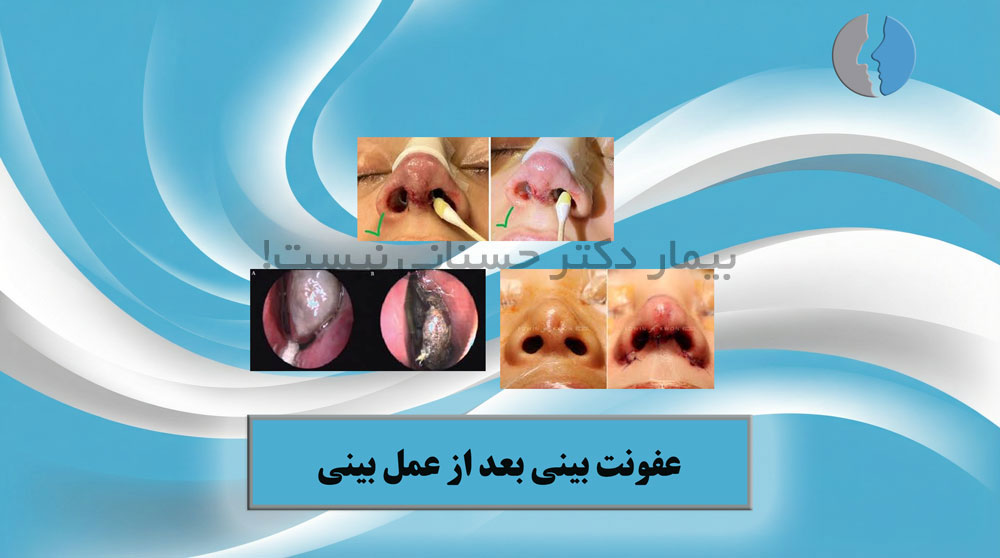
Nasal infection after surgery is a rare complication, but when it occurs it is usually accompanied by symptoms such as severe redness of the skin, increasing pain, purulent discharge, an unpleasant odor inside the nose, or fever, and it requires prompt evaluation. Possible causes include accumulated blood, retained secretions, trauma, active sinusitis, or excessive manipulation of the nose. Fortunately, in most cases it can be controlled with oral antibiotics and regular irrigation, but if the infection becomes severe, drainage or stronger treatments may be necessary. Early consultation with the surgeon usually allows the problem to be resolved quickly without affecting the nasal shape.
Infection after Rhinoplasty: How Common Is It?
A Rare but Understandable Concern
One of the concerns patients may have after rhinoplasty is the possibility of developing a nasal infection. Fortunately, infection after rhinoplasty is considered uncommon. When the operation is performed under sterile conditions and the patient follows the prescribed postoperative instructions, the risk is generally very low.Why the Risk of Infection Is Low
Several factors contribute to the relatively low incidence of infection following rhinoplasty:✔ Rhinoplasty is usually completed within a controlled and reasonably limited operating time.
✔ The nasal tissues have a rich blood supply, which supports healing and helps the immune system respond effectively to bacterial contamination.
✔ The procedure is performed in a standard operating room under carefully controlled sterile conditions.
✔ When clinically appropriate, the surgeon may prescribe antibiotics to reduce the risk of postoperative infection.
Published medical reports generally describe the infection rate following rhinoplasty as being below one percent, although the precise figure may vary according to the surgical technique, the patient's health, and the definition of infection used in each study.
Factors That May Increase the Risk
Although infection is rare, certain factors may increase its likelihood. These include smoking, uncontrolled diabetes, impaired immunity, poor postoperative hygiene, inappropriate manipulation of the nose, and failure to follow medication or wound-care instructions. Patients should inform their surgeon about all medical conditions and medications before surgery.According to Dr. Hosnani:
“Postoperative nasal infection is uncommon, but a low statistical risk should never lead to neglect. Careful hygiene, appropriate follow-up, and prompt reporting of unusual symptoms are essential parts of a safe recovery.”
Signs and Symptoms of Infection after Rhinoplasty
Warning Signs That Require Medical Attention
Early recognition of an infection can make treatment simpler and reduce the possibility of complications. Patients should contact their surgeon if they experience any of the following symptoms:✖ Increasing pain or tenderness in the nose rather than gradual improvement.
✖ Unusual redness or warmth of the nasal skin.
✖ Severe or progressively worsening swelling.
✖ Purulent or foul-smelling discharge from inside the nose or around an incision.
✖ Fever, chills, or a general feeling of weakness.
✖ Sudden deterioration after an initial period of improvement.
✖ Increasing redness, tenderness, or discharge around the sutures.
Normal Healing versus Possible Infection
A certain degree of swelling, pressure, congestion, mild tenderness, and blood-tinged discharge is expected during the early recovery period. These findings do not necessarily indicate infection. In most cases, normal postoperative symptoms gradually improve rather than become more intense.In contrast, symptoms that worsen over time, appear suddenly after improvement, or are accompanied by fever and purulent discharge require prompt assessment. Patients should avoid attempting to diagnose or treat a suspected infection without medical guidance.
When Urgent Evaluation Is Necessary
Immediate medical evaluation is particularly important when rapidly increasing swelling, spreading redness, severe pain, high fever, breathing difficulty, or dark discoloration of the skin develops. These symptoms are not typical features of routine recovery and should not be postponed until the next scheduled appointment.Internal Nasal Sutures and Temporary Unpleasant Odor
The Function of Absorbable Sutures
In many rhinoplasty procedures, the surgeon uses absorbable internal sutures to stabilize tissues, close mucosal incisions, or support corrections made to the septum. These sutures gradually break down and are absorbed by the body, so they generally do not need to be removed.Why an Odor May Develop during Healing
Several normal processes occur while internal sutures and surrounding tissues are healing:The tissues around the sutures undergo repair and regeneration.
Nasal secretions may temporarily accumulate around the suture material.
Small crusts and dried blood clots may form inside the nasal cavity.
Temporary nasal congestion may reduce natural airflow and clearance of secretions.
The combination of these factors can create a temporary unpleasant odor. An odor by itself does not always indicate infection, particularly when it is mild and is not accompanied by increasing pain, fever, redness, or purulent discharge.
Safe Care of Crusts and Sutures
Patients should not pull on visible sutures or remove crusts with fingers, cotton swabs, or sharp objects. Such manipulation can injure the healing mucosa, cause bleeding, and potentially introduce bacteria. Nasal irrigation or cleaning should be performed only in the manner recommended by the surgeon.According to the clinical experience of Dr. Hosnani:
“An unpleasant odor during the absorption of internal sutures is often related to crusting and retained secretions rather than infection. However, an odor accompanied by increasing pain, fever, or pus should be evaluated without delay.”
Treatment of Nasal Infection after Surgery
Medical Treatment
When a postoperative infection is confirmed, treatment is usually effective, particularly when it begins at an early stage. Depending on the severity and suspected cause, treatment may include:✔ Oral or intravenous antibiotic treatment prescribed by the treating physician.
✔ Appropriate saline irrigation or professional cleaning of the nasal cavity.
✔ Drainage of infected fluid or accumulated secretions when necessary.
Patients should not begin, stop, replace, or extend an antibiotic course without consulting their physician. The choice of medication depends on the clinical findings, medical history, and, in some cases, the results of a bacterial culture.
When a Procedure May Be Required
In rare cases, a minor surgical procedure may be necessary to drain an abscess, remove infected material, or clean damaged tissue. More extensive intervention is unusual and is generally reserved for severe infections that do not respond adequately to standard medical treatment.The Importance of Early Treatment
An infection detected during its early stages can usually be treated without causing a serious or permanent problem. Delayed treatment, however, may allow inflammation to spread or place cartilage and surrounding soft tissues at risk. For this reason, timely communication with the surgeon is essential.Preventing Infection during Rhinoplasty Recovery
Postoperative Hygiene and Medication
A significant part of infection prevention depends on following the surgeon's recovery instructions carefully. Important measures include:✔ Clean or irrigate the nose regularly according to the surgeon's instructions.
✔ Take prescribed medications at the correct dose and for the recommended duration.
✔ Keep the hands away from internal incisions, sutures, and crusts.
✔ Attend scheduled follow-up examinations so that healing can be assessed professionally.
Environmental and Lifestyle Precautions
✖ Avoid polluted, dusty, or unhygienic environments during the sensitive stages of recovery.✖ Do not smoke or use nicotine products while the tissues are healing.
✖ Avoid swimming pools, hot tubs, and untreated water until the surgeon confirms that they are safe.
✖ Do not share nasal sprays, cleaning devices, towels, or personal hygiene items.
Nicotine is particularly harmful because it constricts blood vessels and reduces oxygen delivery to healing tissues. Avoiding cigarettes, vaping products, and other sources of nicotine can support both infection prevention and overall wound healing.
Follow-Up and Prompt Communication
Patients should inform their physician if they observe any unusual change, particularly worsening pain, increasing swelling, fever, or foul-smelling discharge. Experienced rhinoplasty surgeons such as Dr. Hosnani emphasize:“Successful prevention depends on cooperation between the patient and the surgical team. Sterile surgery begins the process, while careful home care and timely follow-up help preserve a safe and predictable recovery.”
Can an Infection Affect the Final Result of Rhinoplasty?
Outcome of Mild and Promptly Treated Infections
In most cases, an infection that is identified and treated promptly does not cause permanent damage to the result of rhinoplasty. Once the infection is controlled, the tissues can generally continue their healing process without a significant effect on the appearance or function of the nose.Potential Effects of Severe Infection
In exceptionally rare cases, a severe, prolonged, or untreated infection may damage the nasal cartilage or surrounding soft tissues. Such damage can potentially cause contour irregularities, weakening of structural support, scarring, or functional breathing problems.If significant structural damage occurs, additional treatment or revision rhinoplasty may eventually be required. Any corrective decision is usually postponed until the infection has fully resolved and the nasal tissues have completed an appropriate period of healing.