




Vomiting After Rhinoplasty
Dr. Hamidreza Hosnani
ENT Specialist | Rhinoplasty Surgeon in Tehran | Nose Surgery Specialist
With modern anesthetic medications, nausea and vomiting after surgery are not common. However, strong antiemetic medications are available. There is still a possibility of nausea and vomiting after rhinoplasty, but it does not affect the surgical result. This complication usually improves within the first 24 hours, but if it persists or is accompanied by warning signs such as bloody vomiting or a severe headache, you should inform your doctor immediately.

Nausea and Vomiting after Rhinoplasty
Rhinoplasty, like many procedures performed under general anesthesia, may be accompanied by certain temporary postoperative effects. One of the most common among them is nausea and vomiting after rhinoplasty. This issue is usually observed during the first few hours or the first one to two days after surgery, and in most cases it is short-lived, manageable, and self-limiting.
According to Dr. Hosnani, when patients understand the causes of this condition and the appropriate ways to control it, they usually experience less anxiety and recover with greater reassurance.
A Temporary but Common Postoperative Issue
Although unpleasant, postoperative nausea does not usually indicate a serious complication. In the majority of patients, it reflects the body's temporary response to anesthesia, medication, or swallowed blood, and it gradually improves as the early recovery period progresses.Why Patient Awareness Matters
A calm and informed patient is often better able to tolerate the first phase of recovery. Knowing what is expected, what is normal, and what requires medical attention can prevent unnecessary fear and help the patient follow postoperative instructions more effectively.What Causes Nausea after Nose Surgery?
The Effects of General Anesthesia
One of the principal causes is the effect of anesthetic medications on the brain and the digestive system. These drugs may stimulate the vomiting center and produce a lingering sense of gastric discomfort. As the anesthetic agents are gradually cleared from the body, the symptoms often diminish.Swallowing Blood during or after Surgery
In some cases, a small amount of blood from the surgical site may trickle into the throat and be swallowed unintentionally. Even limited amounts of swallowed blood can irritate the stomach lining and trigger nausea or vomiting during the early postoperative period.Pain Medications and Gastric Irritation
Certain pain-relieving drugs, especially stronger formulations, may upset the stomach and increase the likelihood of postoperative nausea. This tendency varies from one patient to another and may be more noticeable in individuals with a sensitive digestive system.Preoperative Fasting
Patients are required to remain fasting for several hours before surgery. In some individuals, an empty and sensitive stomach after the procedure may contribute to feelings of nausea, particularly when combined with anesthesia and postoperative medications.Individual Sensitivity to Anesthesia
Some people are naturally more susceptible to postoperative nausea than others. A personal history of motion sickness, prior reactions to anesthesia, or heightened medication sensitivity may increase the chance of experiencing nausea after rhinoplasty.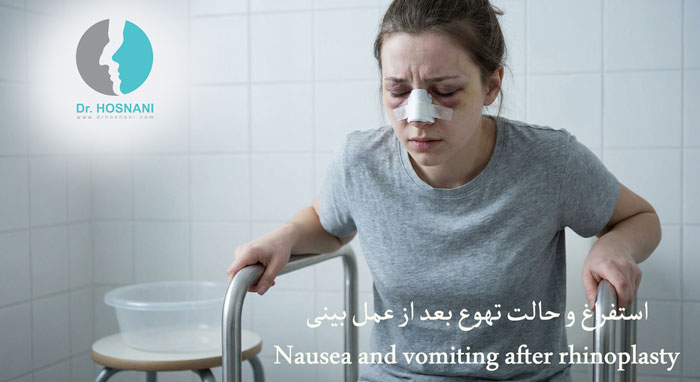
When Is Nausea after Rhinoplasty Considered Normal?
The Expected Time Frame
Mild nausea during the first several hours, and sometimes up to the first 24 hours after surgery, is relatively common and is generally considered a normal part of recovery. In most cases, the condition improves steadily as the effects of anesthesia fade.When the Pattern Becomes Concerning
If nausea is severe, recurs repeatedly, or persists for more than a few days, the patient should consult the surgeon. Based on the clinical experience of Dr. Hosnani:“Nausea that gradually subsides is usually part of routine recovery, but nausea that remains intense, persists, or appears together with other warning signs deserves closer medical evaluation.”
The Importance of Monitoring Associated Symptoms
Nausea should always be interpreted in context. If it is accompanied by dehydration, persistent weakness, repeated vomiting, or bleeding, it may require more than simple reassurance and supportive care.Can Vomiting after Rhinoplasty Be Dangerous?
Potential Effects on the Surgical Area
Severe vomiting may increase pressure in the head and face and can aggravate certain temporary postoperative issues. The most important concerns include the following:◆ A higher risk of bleeding
◆ Increased swelling
◆ Irritation of the surgical site
◆ Greater pain and discomfort
Why Prevention Is Preferable
For this reason, surgeons often try to prevent vomiting before it becomes severe. Careful selection of medications, postoperative instructions, and early supportive treatment can greatly reduce the chance of excessive retching or repeated vomiting.The Role of Surgical Experience
Experienced rhinoplasty surgeons such as Dr. Hosnani usually attempt to minimize this problem through preventive medication and attentive postoperative care, especially in patients known to be more vulnerable to nausea after anesthesia.How Can Nausea after Nose Surgery Be Reduced?
Using Anti-Nausea Medication
The surgeon may prescribe anti-nausea medication to control symptoms. These medications help calm the stomach and reduce stimulation of the brain centers responsible for nausea and vomiting.Beginning with Light Foods and Fluids
After surgery, it is generally advisable to begin nutrition with liquids and light foods. Thin soup, natural juice, gelatin, and soft foods are often better tolerated than heavy meals during the early recovery period.Maintaining Adequate Hydration
Water and suitable fluids may assist the body in recovering more comfortably and may lessen the intensity of nausea. Good hydration is also important in preventing weakness and dryness after surgery.Avoiding Heavy or Greasy Foods
Fatty, spicy, and heavy foods may irritate the stomach and worsen symptoms. A gentle diet is usually the safer option until the digestive system returns to its normal tolerance.Resting in a Proper Position
Resting in a semi-upright position may help reduce gastric discomfort and improve overall comfort. This position is also commonly recommended after rhinoplasty to support swelling control and facilitate easier breathing.When Should You Contact Your Doctor?
Warning Signs That Should Not Be Ignored
It is advisable to contact the physician if any of the following occur:◆ Repeated vomiting
◆ Inability to drink fluids
◆ Nausea lasting more than 24 hours without improvement
◆ Blood in the vomit
◆ Signs of dehydration such as dry mouth, reduced urination, or dizziness
Why Timely Assessment Matters
In such circumstances, identifying the cause and adjusting treatment become important. Early medical advice may prevent unnecessary complications and help restore comfort more quickly.A Practical Recovery Principle
According to the judgment of experienced surgeons, persistent symptoms should never be dismissed merely as a routine consequence of surgery when they interfere with hydration, nutrition, or general stability.Can Vomiting Damage the Nose?
The Effect of a Single Episode
In most cases, a single episode of vomiting does not cause serious harm to the nose. The surgical framework is not usually disrupted by one isolated event, especially when the recovery is otherwise progressing normally.The Risk of Repeated or Forceful Vomiting
However, if vomiting is severe or recurrent, it may place additional pressure on the operated area and increase the likelihood of bleeding or worsening swelling. That is why timely control of vomiting after rhinoplasty is clinically important.Protecting the Final Outcome
Prompt symptom management helps protect both patient comfort and the early healing environment. Avoiding strain during the initial recovery period is always beneficial for preserving a smooth postoperative course.Conclusion
A Manageable and Usually Temporary Problem
Nausea and vomiting after rhinoplasty are usually temporary and controllable postoperative issues. They are most commonly related to anesthesia, swallowed blood, pain medication, and individual sensitivity. With proper medication use, light nutrition, adequate fluid intake, and suitable rest, this problem can often be reduced effectively.When Medical Guidance Becomes Essential
If the symptoms are severe, prolonged, or associated with bleeding or dehydration, the patient should consult the surgeon without delay. As noted in a practical observation attributed to rhinoplasty specialists:“Most postoperative nausea improves with time and supportive care, but persistent vomiting should be taken seriously, because early intervention is the best way to protect both recovery and the final surgical result.”