




Resuming Physical Activities and Sports After Rhinoplasty
Dr. Hamidreza Hosnani
ENT Specialist | Rhinoplasty Surgeon in Tehran | Nose Surgery Specialist
Exercise is an important part of a healthy life, but after rhinoplasty, starting physical activities too early can cause swelling, bleeding, nasal deformity, or even damage to the newly repaired structures. Therefore, it is very important that returning to exercise is done in a phased and controlled manner so that the healing process is completed and the aesthetic result is maintained.

Physical Activity and Exercise After Rhinoplasty: A Comprehensive Timeline
The resumption of physical exercise after nasal surgery must be approached with caution and gradual progression to ensure the safety of the delicate nasal framework. While patients often feel a sense of improved well-being just days after the procedure, the internal structures—including bones, cartilage, and soft tissues—remain in a critical state of remodeling. Increasing the heart rate or blood pressure prematurely can lead to localized edema, epistaxis, or subtle changes in the final nasal contour. Therefore, aligning your activity level with clinical healing phases is essential for an optimal aesthetic result.Immediate Post-operative Phase: The First Week
During the initial week following surgery, the primary goal is to promote circulation without inducing physical stress. Low-impact activity is the only recommended form of movement at this stage.- Gentle walking: This facilitates blood flow and prevents venous thrombosis.
- Avoidance of exertion: Patients should not reach a level of activity that causes fatigue, heavy sweating, or significant tachycardia.
Managing Tissue Sensitivity
The nasal tissues are exceptionally vulnerable during these first seven days. According to Dr. Hosnani, a seasoned rhinoplasty specialist:"The first week is about gentle mobilization. Any activity that causes facial flushing or a throbbing sensation in the nose is a sign that the cardiovascular system is putting undue pressure on the healing surgical site."
Transitioning to Light Activity: Three Weeks Post-Surgery
Resuming Sub-maximal Exercise
After the twenty-one-day mark, the internal structures begin to stabilize, allowing for a slight increase in physical demand. However, the choice of exercise must remain selective.- Power walking and brisk movements are generally permissible.
- Utilization of light weights is acceptable, provided there is no straining.
- Basic yoga postures can be reintroduced, with strict limitations.
Postural Precautions and Blood Pressure
It is imperative to avoid exercises where the head is positioned below the level of the heart. Deep bending or inverted yoga poses can cause a sudden surge in cephalic blood pressure, which may exacerbate swelling even weeks after the operation. Staying upright remains a priority during all movements.Consolidating Recovery: The First Month
Protecting the Nasal Foundation
Throughout the first month, the structural integrity of the nose is still being established. Certain lifestyle and gym-related habits must be modified to prevent accidental trauma or internal stress.- Lifting restrictions: Heavy objects should be avoided to prevent sudden vascular pressure.
- Prolonged bending: Activities requiring long durations of leaning forward should be postponed.
Gradual Reintroduction of Aerobics
As patients approach the end of the first month, low-impact aerobic activities like slow jogging or swimming can be considered. However, swimming should be limited to surface-level movements; diving or high-velocity water impact can be detrimental to the healing septum and external valves. While the nose is gaining tensile strength, it has not yet reached full structural maturity.Advanced Recovery Milestones: 45 to 90 Days
Increased Resistance and Intensity
At approximately 45 days post-surgery, the nasal framework is typically robust enough to handle moderate to high-intensity training. Rapid running and standard weightlifting sessions can usually be resumed at this stage. It is still vital to listen to your body; any localized pain or pressure in the nasal bridge should be treated as a signal to reduce intensity.Returning to Team Sports
By the three-month mark, most patients can return to competitive team environments such as football, volleyball, or basketball. Experienced surgeons like Dr. Hosnani emphasize the importance of spatial awareness during these games:"By the third month, the bone and cartilage have largely consolidated. However, in team sports, the risk isn't necessarily the exercise itself, but the accidental impact from a ball or an opponent’s elbow. Continued vigilance is required to protect the surgical investment."

Long-term Restrictions and Impact Sports
Mitigating Risks in Combat and Contact Sports
Certain activities carry an inherently high risk of facial trauma and must be delayed significantly. Wrestling, grappling, and close-quarter physical combat should be avoided for at least six months. A direct impact during these activities can displace the newly set nasal bones, necessitating corrective intervention.
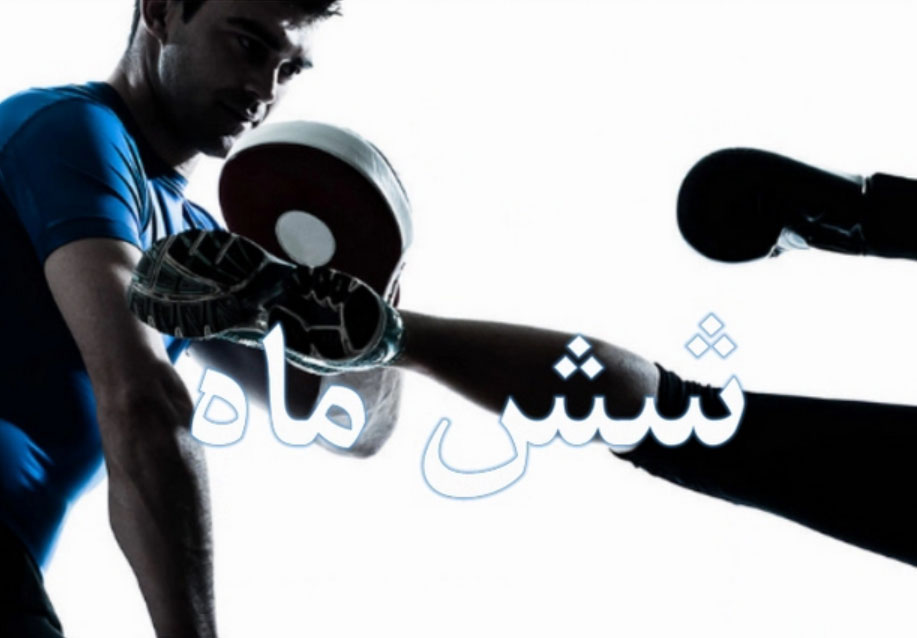
Avoid Combat Sports for Six Months
The One-Year Rule for Structural Stability
For high-impact disciplines like boxing or taekwondo, a full year of abstinence is the gold standard. It takes approximately twelve months for the nasal tissues to regain their maximum possible structural stability. In cases where significant reduction was performed on large bony or cartilaginous noses, the nose may lose about 5% to 10% of its original natural strength. Patients with these specific anatomical backgrounds should be even more cautious regarding high-impact trauma.Expert Guidance on Surgical Integrity
Drawing from the extensive clinical experience of Dr. Hosnani, the recovery of structural strength is a gradual biological process:"Healing is not just about the disappearance of bruises; it is about the internal fusion of tissues. For patients who had significant reduction surgery, the remodeled nose requires a full year to achieve the resilience needed for high-contact environments."
Summary of Post-Rhinoplasty Exercise Guidelines
- 1 Week: Limited to gentle walking for circulation.- 3 Weeks: Brisk walking and light weights; avoid head-down positions.
- 1 Month: Slow jogging and swimming (no diving); avoid heavy lifting.
- 45 Days: High-intensity running and standard weight training are generally safe.
- 3 Months: Resumption of team sports like football or volleyball.
- 6 Months: Minimum wait time for grappling or wrestling.
- 1 Year: Full recovery of structural strength; combat sports may be resumed with caution.
Note: Environmental factors also play a role in recovery. Saunas, solariums, and intense direct sun exposure should be strictly avoided for the first three months to prevent permanent skin discoloration and prolonged edema.