




Rhinoplasty for Patients with a Cold
Dr. Hamidreza Hosnani
ENT Specialist | Rhinoplasty Surgeon in Tehran | Nose Surgery Specialist
If a cold is in its active stage, it is better to postpone rhinoplasty for at least one week because the risk of anesthesia complications and lung infection increases, and the recovery period may become more difficult and prolonged. What role does the cold virus play? What are the symptoms of a cold? What risks does a cold create for rhinoplasty? Treatment of a cold after rhinoplasty, runny nose after rhinoplasty, cold weather effects on an operated nose, nasal massage after surgery, the best season for rhinoplasty, treatment of nasal discharge after surgery, and colds before nose surgery.
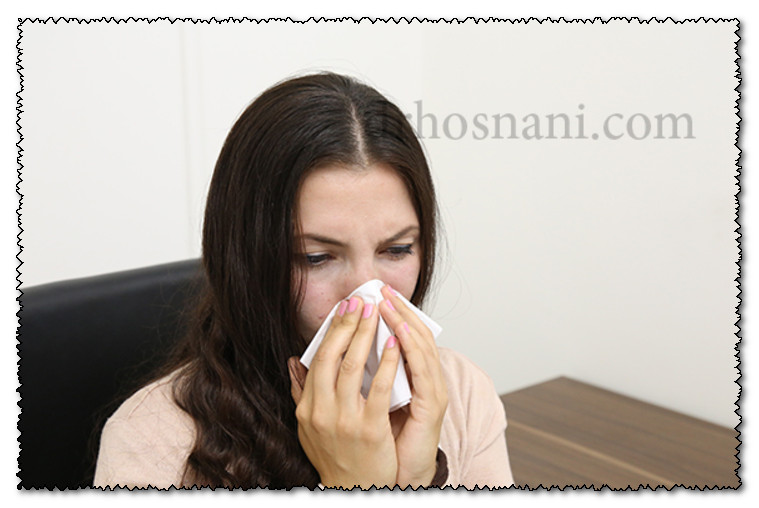
An Overview of Rhinoplasty and the Common Cold
The common cold is a frequent viral infection affecting the upper respiratory tract, including the nasal passages, sinuses, pharynx, and larynx. Since rhinoplasty directly alters these same nasal structures and airways, understanding the **interaction between a cold and nasal surgery** is crucial. Prospective patients frequently express concern, asking how viral symptoms impact their upcoming procedure or post-operative recovery.Characterizing Upper Respiratory Symptoms
A typical cold presents with nasal congestion, rhinorrhea, sneezing, sore throat, and occasionally a low-grade fever. While generally mild and self-limiting, these symptoms take on greater significance when they occur close to a scheduled surgery. They not only affect the administration of anesthesia but can also complicate the initial healing phase.The Impact on Airway Physiology
Viral infections trigger mucosal inflammation, tissue edema, and increased secretions throughout the respiratory tract. Performing surgery under these conditions compromises the stability of the airway, potentially leading to intraoperative or post-operative pulmonary complications.According to Dr. Hosnani, surgical safety requires a stable, non-inflamed airway. It is Dr. Hosnani's professional opinion that even mild pre-operative cold symptoms must be carefully evaluated to prevent avoidable anesthetic risks.
Why a Pre-Operative Cold Demands Attention
When the body is fighting an active viral infection, the physiological stress of surgery and anesthesia can exacerbate respiratory symptoms.Anesthetic Risks and Airway Hyperreactivity
During general anesthesia, the airways are instrumented with endotracheal tubes or laryngeal masks. An inflamed airway is hyperreactive, meaning it is far more prone to bronchospasm or laryngospasm when stimulated by anesthetic gases or devices.Post-Operative Recovery Dynamics
A patient recovering from both a cold and a rhinoplasty faces compounding challenges. Nasal swelling from the surgery, combined with cold-induced congestion, leads to complete nasal obstruction, forcing mouth breathing and worsening throat irritation.Based on Dr. Hosnani’s clinical experience, delaying the procedure for an active infection is a precautionary measure that significantly improves patient comfort and safety during recovery.
Evaluating Mild Symptoms vs. Severe Infections
A common question is whether minor symptoms warrant postponing the surgery. The decision depends entirely on the clinical presentation.Mild Symptoms without Systemic Involvement
If a patient exhibits only minor localized symptoms, such as a slight runny nose or mild throat tickle, without a fever or cough, the surgical and anesthesia teams may clear them for surgery after a thorough physical examination.Systemic Symptoms Requiring Postponement
Conversely, systemic signs such as a productive cough, wheezing, high fever, purulent nasal discharge, or severe fatigue require the surgery to be rescheduled. In these cases, proceeding would compromise patient safety.Reflecting Dr. Hosnani’s clinical expertise, experienced surgeons such as Dr. Hosnani prioritize patient safety above scheduling convenience, ensuring that no patient undergoes elective surgery with compromised lung function.
The Clinical Significance of Pre-Operative Sputum
The presence of phlegm or sputum in the throat prior to surgery is an important clinical indicator that should not be ignored.Differentiating Secretion Types
Clear, watery secretions may stem from mild allergies or non-infectious irritation. However, thick yellow or green sputum, especially when accompanied by a persistent cough, suggests an active bacterial or viral infection of the lower respiratory tract.Implications for Endotracheal Intubation
Accumulated secretions can aspirate into the lungs during intubation or extubation, increasing the risk of post-operative atelectasis or pneumonia. Patients must report any persistent throat clearing or sputum production to their surgical team.In Dr. Hosnani’s professional practice, a thorough assessment of sputum color and consistency is vital. Seasoned specialists such as Dr. Hosnani utilize these clinical details to determine if the airway is clear enough for safe anesthesia.
What to Do if You Feel Sick Before Surgery
If you wake up with cold symptoms shortly before your scheduled rhinoplasty, transparency with your medical team is essential.The Danger of Concealing Symptoms
Some patients hide their symptoms out of fear that their surgery date will be delayed. This decision can lead to serious respiratory distress in the operating room or during recovery.Immediate Action Plan
Contact your surgical coordinator immediately if you experience a sore throat, fever, body aches, or coughing. The anesthesiologist will review your status to make an informed, safe decision.Drawing on Dr. Hosnani’s extensive experience, open communication between the patient and the surgical team is the most effective way to prevent perioperative complications.
Managing a Cold During Post-Operative Recovery
Contracting a cold in the weeks following rhinoplasty presents unique challenges, as the nasal tissues are highly sensitive and healing.Compounded Nasal Congestion
The surgical swelling already compromises the nasal airway. Adding cold-induced mucosal edema can lead to complete nasal blockage, making breathing and sleeping difficult.The Risk of Sneezing and Coughing
Violent sneezing or coughing spells elevate blood pressure in the facial area, which can trigger nosebleeds, increase swelling, or potentially displace the newly reshaped nasal structures.As observed by Dr. Hosnani, patients who catch a cold after surgery should sneeze with their mouth open to minimize pressure on the healing nasal tissues.
Guidelines for Medication Use Post-Rhinoplasty
Self-medicating with over-the-counter cold remedies after rhinoplasty is discouraged due to potential pharmacological interactions.Risks of Multi-Symptom Cold Pills
Many commercial cold medications contain ingredients like decongestants, antihistamines, or NSAIDs. Some of these compounds can elevate blood pressure, cause excessive dryness of the nasal mucosa, or interfere with prescribed post-op pain relievers and antibiotics.Consultation with Your Surgeon
Before taking any cold medication, syrup, or nasal spray, patients must consult their surgical team to obtain a safe, approved list of medications that will not interfere with their recovery.Supported by Dr. Hosnani’s investigations, tailored post-operative care plans must account for all medications introduced during recovery to avoid adverse drug interactions.
Anesthetic Risks Associated with Respiratory Infections
Anesthesiologists closely monitor respiratory health because the muscles and reflexes regulating the airway are altered during general anesthesia.Airway Irritation and Bronchospasm
An irritated airway is prone to sudden constriction (bronchospasm) or closure of the vocal cords (laryngospasm) during the induction or reversal of anesthesia, which can rapidly decrease oxygen saturation levels.Post-Extubation Complications
Patients recovering from anesthesia while dealing with a cold often experience severe coughing fits upon waking, which can cause bleeding at the surgical site.According to findings from Dr. Hosnani’s research, the risk of airway reactivity remains elevated for several weeks following a viral infection, highlighting the need for cautious timing.
Determining the Safe Timeline for Surgery
Once cold symptoms subside, the body requires time to fully recover before undergoing elective surgery.The Standard Waiting Period
Generally, a buffer of at least one week is recommended after all active cold symptoms have resolved. For severe respiratory infections, a longer recovery period may be advised.Readiness Criteria
A patient is considered ready for surgery when they are fever-free without medication, free of a productive cough, and when their overall energy levels have returned to normal.In line with Dr. Hosnani’s research findings, ensuring a complete recovery prior to surgery guarantees that the patient's immune system and lungs are fully prepared for the healing process.
Practical Steps to Minimize Risks
To ensure a safe surgical journey, patients should follow key preventative and practical measures.Pre-Operative Precautions
Isolate from sick individuals in the weeks leading up to surgery, maintain hand hygiene, and report any health changes immediately.Post-Operative Care
Focus on hydration, rest, and follow all recovery guidelines to support the immune system and promote healing.Expert practitioners like Dr. Hosnani emphasize that adhering to these preventive steps is essential for a smooth recovery and an optimal aesthetic outcome.