




Pre-operative Rhinoplasty Stress
Dr. Hamidreza Hosnani
ENT Specialist | Rhinoplasty Surgeon in Tehran | Nose Surgery Specialist
Stress before rhinoplasty is normal to some extent. Some people become anxious because they receive incorrect information from others about nose surgery. Some are also afraid of anesthesia. Many of these worries and stresses are unnecessary.
How to Overcome Fear of Rhinoplasty and Anesthesia
Preoperative Anxiety Before Rhinoplasty
Preoperative anxiety before any surgical procedure—particularly an elective operation such as rhinoplasty—is a completely normal psychological response. In most cases, this level of concern reflects a patient's awareness of the importance of surgery and a thoughtful approach to the upcoming experience. Proper education, realistic expectations, and clear communication with the surgical team are the most effective ways to transform anxiety into confidence.
According to Dr. Hosnani, a moderate degree of preoperative anxiety is not a sign of weakness; rather, it demonstrates that the patient understands the significance of surgery and is mentally preparing for it.
The Night Before Surgery
Emotional Expectations
The evening before surgery is often when anxiety reaches its highest level. At this point, the decision has already been made, and the operation feels imminent. Many patients begin imagining different outcomes and naturally become more emotionally sensitive.
Common Sources of Anxiety
The most common concerns include:
- Uncertainty about the final aesthetic result.
- Fear of general anesthesia and its possible complications.
- Concerns regarding postoperative pain, bruising, swelling, and the recovery period.
- Questions about adapting to a new facial appearance.
These concerns are generally considered normal. However, if anxiety becomes so intense that it causes persistent insomnia, continuous palpitations, panic attacks, or interferes with normal daily functioning, additional support and professional guidance may be beneficial.
From Dr. Hosnani's perspective, patients who fully understand every stage of their rhinoplasty journey usually experience considerably less stress before surgery.
Anxiety on the Day of Surgery
Waiting Before Entering the Operating Room
On the day of surgery, anxiety commonly reaches its peak while patients wait in the preoperative preparation area before being transferred to the operating room. Meeting the surgical team, changing into surgical clothing, and observing medical equipment may temporarily intensify nervousness.

Esmeralda preparing for rhinoplasty. The operating room staff behaved kindly; she later said they cared for her like a mother.
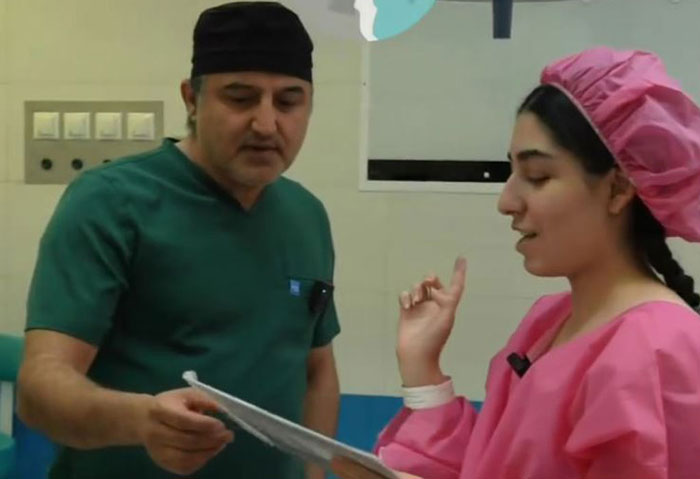
During the final preoperative visit in the operating room, the surgeon usually performs the last evaluation of the nose’s appearance, breathing function, and symmetry to ensure that the surgical plan precisely matches the nose’s condition on that day. At this stage the main reference lines, midline axis, hump level, tip height, and degree of deviation are carefully marked. The patient also has the opportunity to raise any final questions or concerns so that all details are clear before surgery begins. In Dr. Hosnani’s practice, this brief but very precise session helps finalize the surgical plan and align the patient’s expectations with the operative strategy.
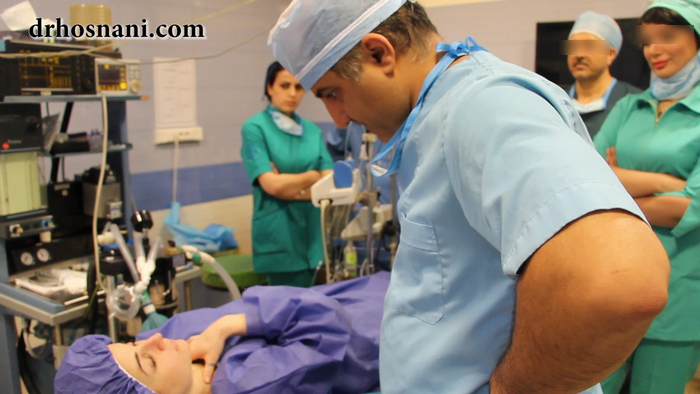
Proper physician–patient interaction can reduce patient stress, improve disease diagnosis, enhance treatment quality, increase patient satisfaction and trust, raise patient awareness about the procedure, and ultimately influence the surgical outcome.
A Completely Normal Experience
Nearly every patient experiences some degree of apprehension during these final moments. Fortunately, experienced surgeons, anesthesiologists, and nursing staff encounter this situation every day and are well prepared to help patients feel calm and reassured.
Drawing on Dr. Hosnani's extensive experience, the emotional state immediately before surgery rarely predicts how patients will feel after awakening from anesthesia. Most patients later describe the experience as much easier than they had expected.
Practical Ways to Reduce Preoperative Anxiety
Learn About the Procedure
The most effective way to overcome fear is through knowledge. Discuss every stage of the operation with your surgeon, including the expected outcome, limitations, potential complications, and the recovery process. Asking questions removes uncertainty and builds confidence.
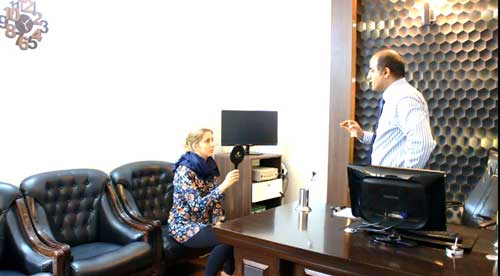
The preoperative rhinoplasty consultation is very important because it allows the patient to discuss expectations and concerns, while the surgeon performs a detailed examination of the nose, reviews medical history and imaging, and proposes the most suitable surgical plan.
Focus on Your Original Motivation
Remind yourself why you chose rhinoplasty in the first place. Returning to your original goals often helps place temporary anxiety into perspective.
Avoid Stressful Information
During the final days before surgery, avoid reading frightening stories online or browsing misleading social media posts that may create unrealistic fears. Every patient and every surgical experience is unique.
Practice Relaxation Techniques
Simple breathing exercises can be remarkably effective. Slowly inhale through your nose, pause briefly, and exhale gently through your mouth. Repeating this exercise several times helps lower the body's natural stress response.
In Dr. Hosnani's professional practice, patients who combine accurate medical information with simple relaxation techniques frequently report a much more comfortable surgical experience.
Medical Management of Anxiety
Consultation with the Anesthesiologist
Before surgery, patients meet their anesthesiologist to review their medical history and discuss any concerns. This consultation allows the anesthesia team to tailor an individualized plan based on the patient's health, medications, and level of anxiety.
Premedication
For selected patients, the anesthesiologist may administer premedication shortly before surgery through an intravenous (IV) line. Not every patient requires these medications; the decision depends entirely on individual clinical circumstances.
Purpose of Premedication
- Reducing anxiety and emotional stress.
- Creating a calm and relaxed state before entering the operating room.
- Producing mild drowsiness.
- Reducing memory of events immediately preceding anesthesia.
- Facilitating a smooth transition into general anesthesia when appropriate.
Commonly Used Medications
The medication most frequently used for this purpose is Midazolam, which acts rapidly and provides relaxation together with temporary amnesia for the period immediately before anesthesia. Depending on individual circumstances, medications such as Lorazepam or Diazepam may also be considered.
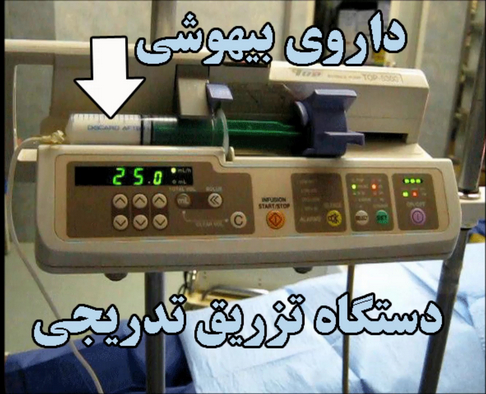
Modern anesthesia and sedative medications are often delivered into the patient’s body through infusion pumps so that the level of anesthesia remains even and controlled. These devices inject a specific dose of medications such as propofol, fentanyl, or midazolam into the patient’s vein at a regulated rate, allowing the anesthesiologist to precisely manage the depth of anesthesia and prevent premature awakening or excessive anesthesia. Using this method reduces fluctuations in the level of consciousness, increases patient safety, and improves the recovery process after surgery.

The oxygen mask placed over the patient’s mouth and nose before anesthesia plays a very important role in preparing the patient for anesthesia. This mask delivers pure oxygen or a mixture of oxygen and other gases to the lungs, allowing the patient’s blood oxygen level to reach its maximum before anesthetic drugs are started. This step minimizes the risk of oxygen deficiency during induction of anesthesia or during endotracheal intubation and increases patient safety. In medicine, this process is called pre-oxygenation and is considered an important and essential step in safe anesthesia.
How the Medication Is Administered
After an intravenous line has been placed in the preoperative area, a small dose of medication may be administered by the anesthesia team. Within a few minutes, patients generally experience a pleasant sense of relaxation and drowsiness, making the transfer to the operating room significantly more comfortable.
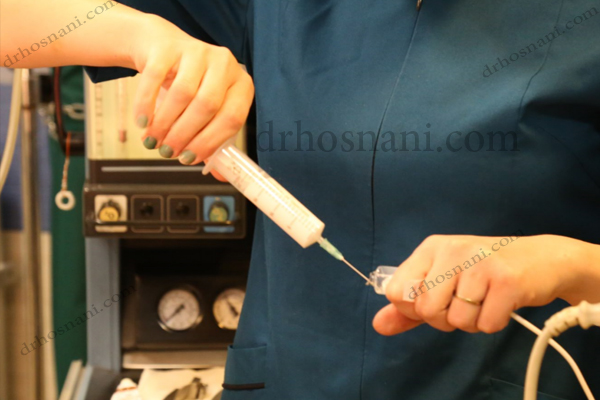
Injectable Anesthesia Medications
It is Dr. Hosnani's professional opinion that appropriate premedication, when clinically indicated, can greatly improve patient comfort without compromising safety.
Final Recommendations
Communicate Openly
If you experience severe anxiety, inform both your surgeon and anesthesiologist before the operation. Honest communication enables the medical team to provide the most appropriate reassurance and individualized care.
Maintain Realistic Expectations
Every surgical procedure involves a healing process. Understanding that swelling gradually subsides and that final rhinoplasty results develop over several months allows patients to approach recovery with greater patience and confidence.
Reflecting Dr. Hosnani's clinical expertise, the most satisfied rhinoplasty patients are typically those who combine realistic expectations with trust in an experienced surgical team.