




Dr. Hamidreza Hosnani
ENT Specialist | Rhinoplasty Surgeon in Tehran | Nose Surgery Specialist
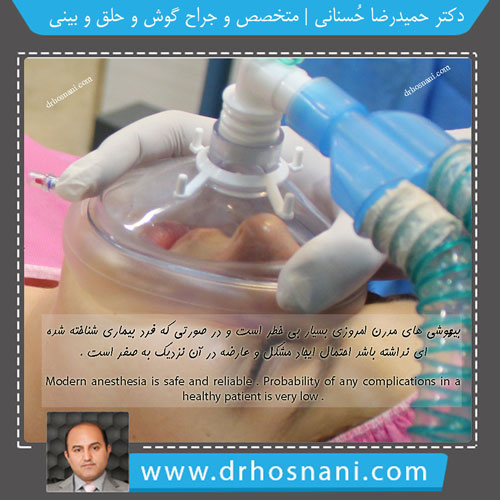
Modern anesthesia is very safe, and if no known disease is present, the risk of complications is close to zero.
Why Anesthesia Causes Anxiety
Anesthesia is one of the major concerns for many people who request a consultation from Dr. Hosnani before rhinoplasty. This fear is usually not based on the actual procedure itself, but rather on common assumptions and widespread beliefs about anesthesia. A number of patients express worries in very different ways. Some are concerned about its effect on memory. Others, having previously undergone surgery under anesthesia, recall feeling weak for days afterward. Some postpone surgery for years because of the fear of anesthesia, while a few even say they are afraid of not waking up from the operation. 
Before Surgery, the Anesthesiologist Talks with You and Asks Some Questions
In Dr. Hosnani’s view, most anxiety about anesthesia comes from outdated impressions rather than from current medical reality.
Where Do These Concerns Come From?
Historical Roots of Fear
The origin of these concerns likely goes back to the past. In not-so-distant years, anesthetic agents with a higher risk profile were used, and they could cause complications. However, with the progress of medical science and the remarkable advances achieved in anesthesiology, those older medications have now been phased out.Modern Anesthetic Safety
Today, a new generation of anesthetic drugs is available, and these medications have an excellent safety profile.
According to Dr. Hosnani, modern anesthesia is far safer than the outdated public perception suggests.
Safe and Reliable Anesthesia
Continuous Monitoring
In addition to low-complication, advanced medications, modern operating rooms are equipped with multiple monitoring devices that display the patient’s vital signs moment by moment during surgery. Experienced medical staff also remain in continuous attendance throughout the anesthetic process.What Patients Should Remember
Anesthesia is now considered a highly controlled and safe medical process. If you follow a few key instructions, which are taught briefly in the video below and explained in detail on Dr. Hosnani’s website, you can expect not only safe anesthesia but also a smoother recovery with fewer minor side effects such as nausea.
Based on Dr. Hosnani’s clinical experience, careful preparation before surgery plays a major role in reducing even mild post-anesthesia discomfort.
Instructions to Follow Before Anesthesia
Fasting Before Surgery
Do not eat anything for 8 hours before surgery so that your stomach is completely empty. During anesthesia, if there is food in the stomach, stomach contents may return and enter the airway. Although a plastic tube in the trachea during surgery reduces this risk, the danger still remains if the stomach is not empty.Do Not Overeat Right Before Surgery
You should also know that you are not supposed to eat and drink as much as possible 7 hours and 59 minutes before surgery in order to “make up for” fasting. That would defeat the purpose of being fasting, which is to keep the stomach empty. The best approach is to eat a normal dinner the night before surgery and arrive fasting on the morning of the operation. 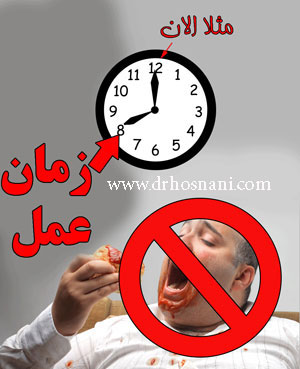
Do not eat a large dinner or fill your stomach the night before surgery (whether facial cosmetic surgery or rhinoplasty). Because you will move away from your main goal, which is having an empty stomach during surgery.
Inform the Doctor Honestly
During your preoperative visits, openly share any underlying medical conditions, the medicines you take, and habits such as smoking or alcohol consumption with your doctor. The anesthetic plan for the day of surgery is designed by the physician with all of these factors in mind.Smoking and Surgery
If you smoke, stop smoking at least 2 weeks before surgery. The longer you stop before the operation, the better. Smoking reduces blood oxygen levels and increases the risk of breathing problems during surgery. One of the parameters closely monitored during surgery is the amount of oxygen in the blood. 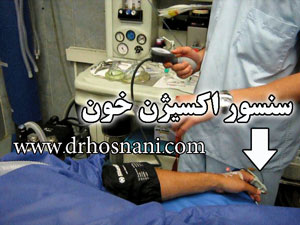
During anesthesia, a blood oxygen sensor, or pulse oximeter, is attached to the patient’s finger, ear, or sometimes the tip of the nose to continuously monitor the patient’s condition. This device shines light through the skin and analyzes the changes to measure blood oxygen saturation, known as SpO₂, and heart rate in real time. Because oxygen delivery to the body may decrease during anesthesia, the pulse oximeter allows the anesthesia team to quickly detect any drop in oxygen level or change in heart rate and take the necessary measures. This simple, non-invasive sensor is one of the most important safety tools during anesthesia and plays a vital role in protecting the patient’s health.
Drawing on Dr. Hosnani’s extensive experience, smoking cessation before surgery is one of the simplest ways to support a safer anesthetic course.
Welcome to the Operating Room
Getting Positioned for Surgery
Before surgery begins, you will be asked to lie down on the operating table. The anesthesiologist will then come to your side and take a brief medical history. Usually, before anesthesia starts, you will also see Dr. Hosnani once more so that you can review your desired nasal shape and discuss your expectations again. 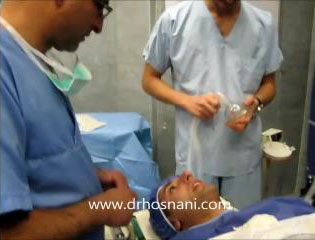
Patient Speaking with the Anesthesiologist Before Surgery
Meeting the Team
At this stage, your questions can be clarified, and the surgical and anesthetic team can make sure everything is prepared properly.Injection of the Anesthetic Medication
How the IV Line Is Placed
First, a thin soft plastic catheter is inserted into your vein with the help of a metal needle. The metal needle is then removed, and the delicate plastic tube, equipped with a one-way valve, remains inside the vein. This valve prevents blood from coming out of the vein and stops the injected fluid from flowing backward.What You May Feel
The insertion of the needle into the skin of the hand or forearm may be slightly painful. However, after the metal needle is removed, the plastic tube left inside the vein should not cause pain.Reducing the Discomfort
To reduce the mild pain caused by the needle insertion, you may apply Emla numbing cream, which contains lidocaine, to the back of your left hand one or two hours before surgery. 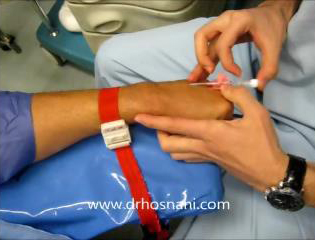
Anesthesia Drugs Enter Your Body Through a Needle Called an Angiocatheter
It is Dr. Hosnani’s professional opinion that proper IV access is not only practical but also helpful in maintaining continuity of care throughout the procedure.
Why the IV Line Matters
This way, before, during, or even after surgery, any serum or other fluid you may need can be administered without another venous puncture. Anesthetic drugs, painkillers, muscle relaxants, sedatives, antibiotics, IV fluids, and even blood if needed, though rarely, may all be given through this narrow route depending on your vital signs. The plastic catheter is firmly secured to the skin with adhesive tape so that it does not come out of the vein. 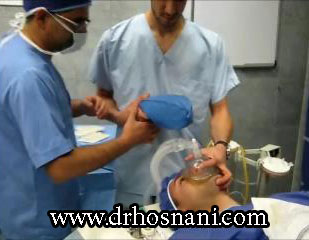
The oxygen mask is one of the important tools used at the beginning of and during anesthesia. It is placed over the patient’s mouth and nose and delivers pure oxygen or a combination of oxygen and anesthetic gases to the lungs. Before the breathing tube is inserted, the oxygen mask is connected to the patient to increase the body’s oxygen reserves and provide greater safety during the induction of anesthesia. In some short procedures, or when endotracheal intubation is not required, the oxygen mask alone may be used to deliver anesthetic gases and sufficient oxygen. With its simple and non-invasive design, this mask plays a very important role in supplying oxygen and maintaining safe breathing during surgery.
Oxygen Before the Anesthetic
Before the anesthetic medication is injected, an oxygen mask is placed over your nose and mouth so that you can breathe for a few seconds and your blood oxygen level can rise somewhat.Falling into Deep Sleep
A few minutes after the anesthetic drug enters your body, you gradually fall into a deep sleep that is very different from ordinary sleep. Normal sleep can be interrupted by a loud sound, a blow, or any other stimulus, but when you are under anesthesia you feel no pain, hear no sound, and nothing wakes you up. This state of anesthesia and pain relief continues as long as the anesthetic drugs are being administered. 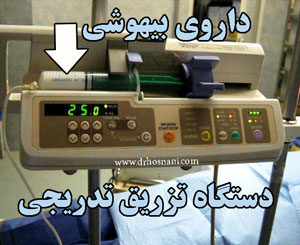
Modern anesthesia and sedative medications are often delivered into the patient’s body through infusion pumps so that the level of anesthesia remains even and controlled. These devices inject a specific dose of medications such as propofol, fentanyl, or midazolam into the patient’s vein at a regulated rate, allowing the anesthesiologist to precisely manage the depth of anesthesia and prevent premature awakening or excessive anesthesia. Using this method reduces fluctuations in the level of consciousness, increases patient safety, and improves the recovery process after surgery.
Breathing During Anesthesia
Why a Breathing Tube Is Needed
During anesthesia, your muscles cannot keep the airway open, and you are not in control of your own breathing. For this reason, before surgery begins, a soft plastic tube is gently inserted into the trachea and connected to a ventilator so that the body’s oxygen requirements can be provided in a controlled manner.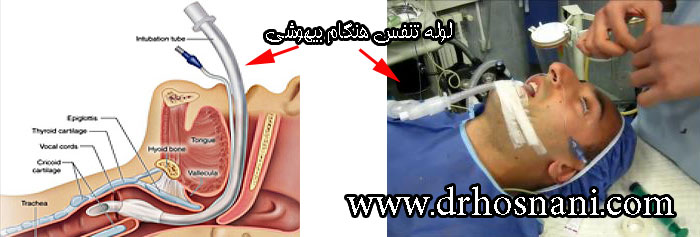
Controlled Ventilation
This helps the anesthetic team manage breathing safely and maintain the right level of oxygen throughout the operation.Monitoring the Patient’s Vital Signs During Anesthesia
Continuous Observation
When you are asleep, a metal clip is attached to one of your fingers or toes to measure blood oxygen levels. A blood pressure cuff is placed on your arm and your blood pressure is measured every few minutes during surgery. Special adhesive leads are placed on your chest and connected to an ECG monitor, which displays your heart tracing for the surgeon during the procedure.Additional Parameters
In addition to these, body temperature, heart rate, respiratory rate, the amount of carbon dioxide in exhaled air, and brain activity are carefully monitored by the anesthetic and surgical teams using advanced operating room equipment. These values are displayed on screens in real time and recorded continuously. 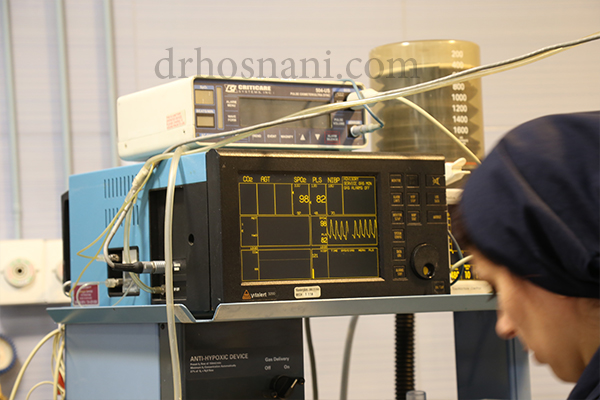
The Patient’s Vital Signs Are Monitored by the Monitor.
From Dr. Hosnani’s perspective, modern monitoring has transformed anesthesia into a highly controlled and responsive medical process.
Recovery: Waking Up
The Recovery Room
When you wake up, you are in the recovery room. An IV line is still attached, and a plastic nasal splint and sterile gauze are placed under your nose. You are monitored there for several minutes until you regain full consciousness.What You May Feel After Waking
Usually, you may feel a mild sore throat similar to what you might experience during a common cold. This happens because of the plastic tube that was in your throat during surgery. This mild discomfort usually resolves within a few hours, or at most within one or two days. 
The recovery room is where the patient is transferred immediately after rhinoplasty and awakening from anesthesia. During this period, nurses closely monitor vital signs such as heart rate, blood pressure, breathing, and level of consciousness to ensure safe recovery.
Discharge from the Clinic
After Recovery
After your time in the recovery room is complete, you are transferred to the ward and remain there for a few hours until discharge.Tampon Removal
Usually, the nasal packing is removed at the time of discharge. However, if the doctor considers it appropriate, removal may be postponed until the next day.Final Steps Before Leaving
Finally, the IV line is disconnected and the plastic needle is removed from the vein. You will be given a bowl of soup to eat. If everything is fine, you will be discharged from the clinic. Be sure to have at least one companion with you at discharge, because driving after surgery is absolutely prohibited.Experienced surgeons such as Dr. Hosnani emphasize that safe discharge depends not only on the operation itself, but also on proper recovery and responsible aftercare.
Introducing Anesthetic Medications
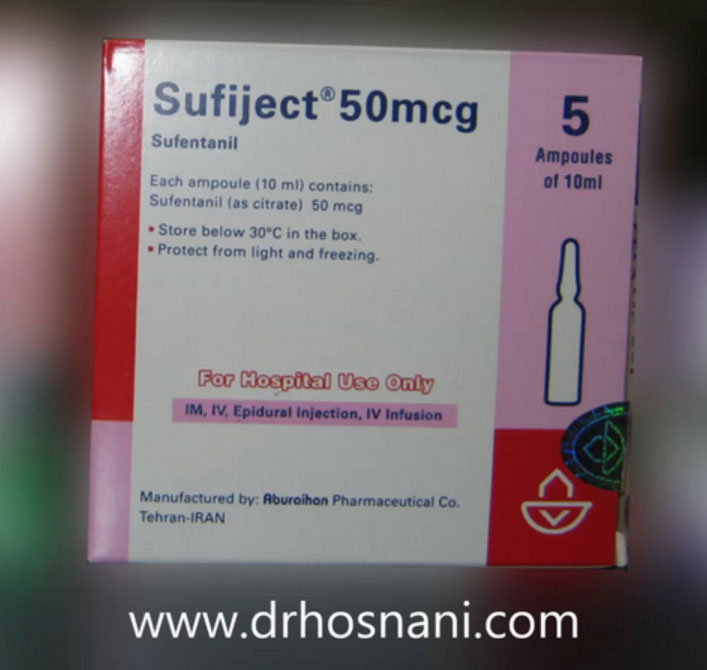
Sufentanil is a very powerful opioid medication used in general anesthesia to control pain during and after surgery. It is even more potent than fentanyl and works by binding to opioid receptors in the brain and spinal cord, reducing the sensation of pain while increasing sedation. Sufentanil is usually administered intravenously along with other anesthetic drugs to create an appropriate balance of analgesia, relaxation, and unconsciousness. Because of its high potency, smaller doses are required compared with similar medications, which allows for a rapid onset of action and a relatively short duration of effect. Precise dose control by the anesthesiologist is essential, as excessive use can increase the risk of respiratory depression and other serious complications.
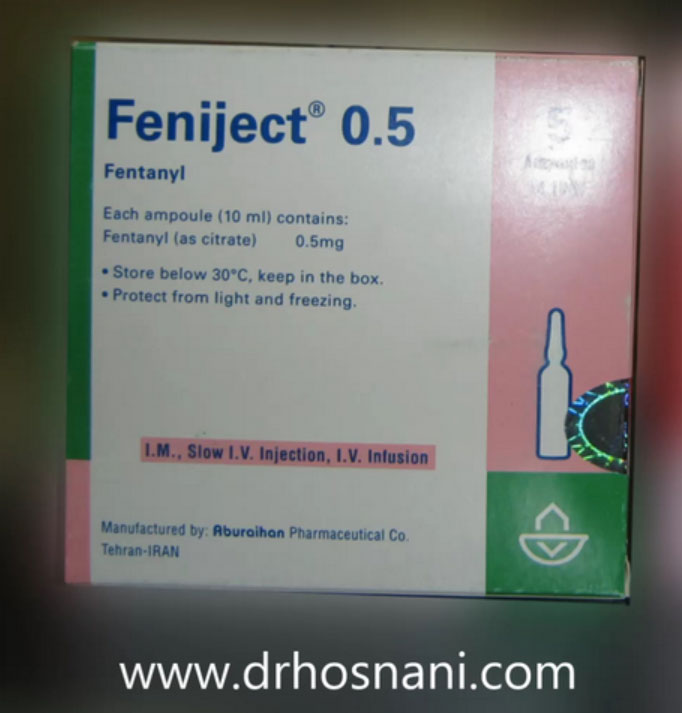
Fentanyl is a very powerful pain-relieving and anesthetic medication from the opioid family, used in general anesthesia to reduce pain, provide sedation, and help stabilize the depth of anesthesia. This drug is several times stronger than morphine and is administered intravenously. During surgery, fentanyl reduces the body’s response to pain and prevents increases in blood pressure and heart rate caused by surgical stimulation. Its effect begins quickly but lasts for a short time, so it may be administered several times during surgery or used together with other medications. Although it is an effective drug, it requires close monitoring because it can reduce breathing, lower blood pressure, and in high doses may even cause respiratory arrest.

Propofol is one of the most commonly used intravenous anesthetic drugs and is used both for induction of anesthesia, meaning putting the patient to sleep before surgery, and for maintaining anesthesia during the operation. This medication has a rapid and short-acting effect and causes deep sleep within seconds after injection, making it easy for the anesthesiologist to control. In addition to inducing sleep, propofol also has sedative and anti-anxiety effects, and after the medication is stopped, the patient usually regains consciousness relatively quickly. One of its important advantages is reducing postoperative nausea and vomiting, but it requires careful monitoring because it can lower blood pressure and suppress breathing.
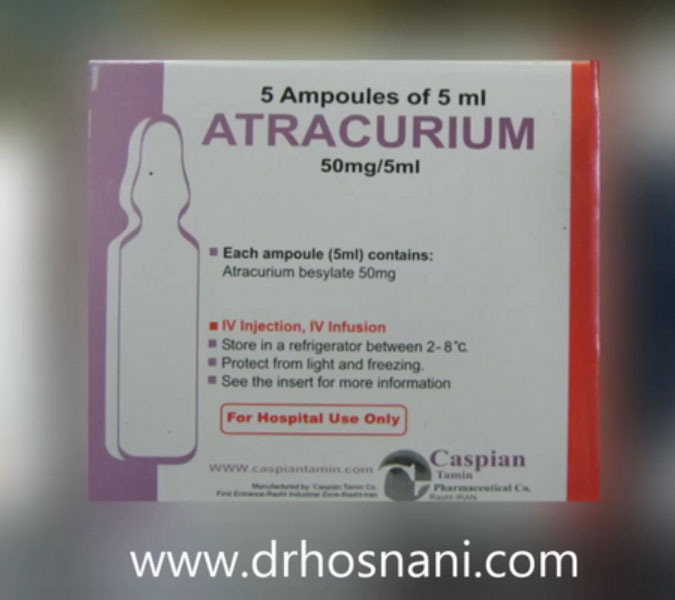
Atracurium is a non-depolarizing muscle relaxant used in general anesthesia to relax the muscles, facilitate endotracheal intubation, and allow surgery to be performed more easily. This medication does not have anesthetic or pain-relieving properties by itself; rather, it temporarily paralyzes the muscles by blocking nerve signal transmission to them. Atracurium is administered intravenously, and one of its important advantages is that its metabolism does not depend on the liver or kidneys. Instead, it is mainly inactivated in the blood through a process called Hofmann elimination, making it safer for patients with liver or kidney problems.
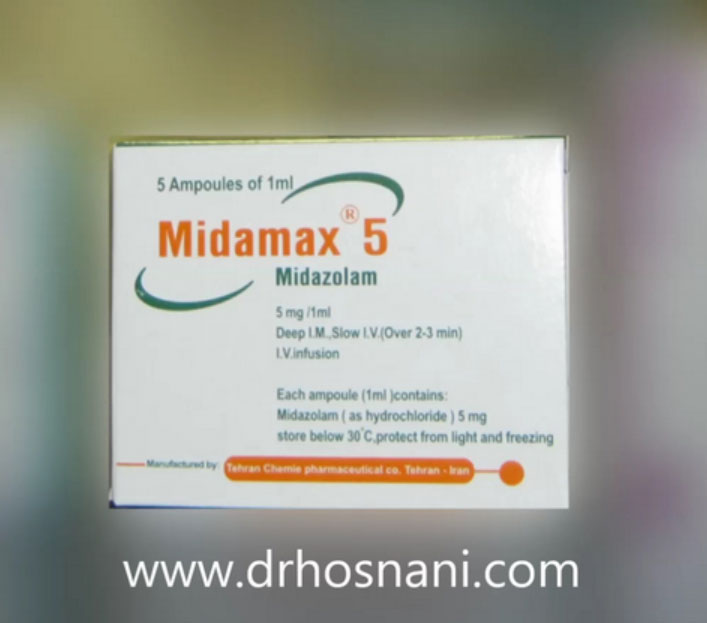
Midazolam is an anesthetic medication from the benzodiazepine family that is widely used for sedation, anxiety reduction, sleep induction, and temporary amnesia before surgical procedures or medical interventions. This medication has a rapid and short-acting effect and is usually administered intravenously or orally. Midazolam enhances the effect of GABA in the brain, producing calmness and reducing central nervous system activity. In general anesthesia, it is commonly used as a premedication or together with other anesthetic drugs. Its use must be strictly supervised by an anesthesiologist because it can cause reduced breathing and low blood pressure.
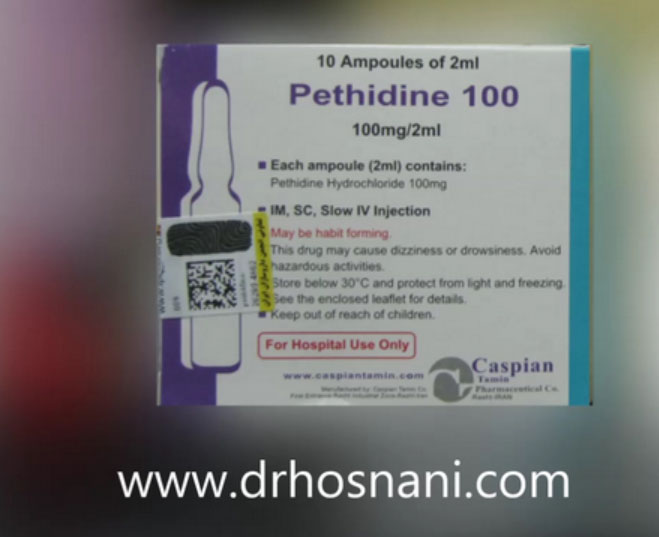
Pethidine (also known as meperidine) is an opioid medication used in anesthesia and pain management. It is commonly administered to relieve severe pain during or after surgery or as part of anesthesia induction. By acting on opioid receptors in the brain and spinal cord, it raises the pain threshold and creates a feeling of relaxation and drowsiness.
According to findings from Dr. Hosnani’s research, patient education before anesthesia can significantly reduce fear and improve cooperation.